
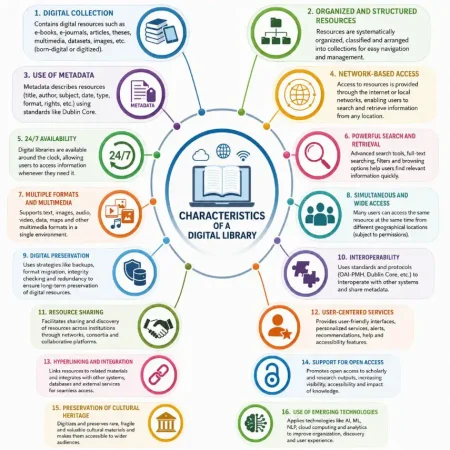
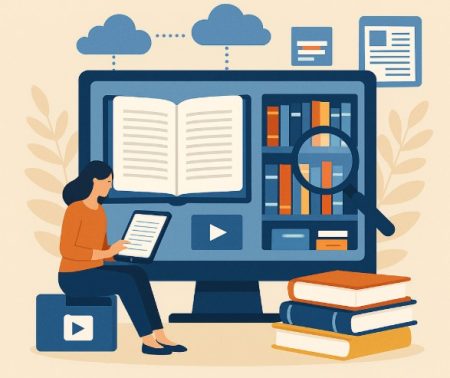
Digital libraries and e-learning are two transformative forces reshaping modern education. Digital libraries provide online access to a vast array of resources, including books, journals, multimedia, and archival materials, enabling learners to access information anytime and anywhere. For example, platforms like JSTOR, Google Books, and Project Gutenberg offer extensive collections of scholarly articles, books, and other educational materials that students and educators can access remotely, bridging the gap between physical library limitations and digital learning needs. This has significantly expanded the horizons of traditional education by removing geographical and physical barriers to learning.
E-learning, on the other hand, refers to the use of digital platforms and tools to deliver educational content, facilitate communication, and provide interactive learning experiences. Platforms like Moodle, Coursera, and Khan Academy exemplify the flexibility of e-learning, offering courses ranging from basic literacy to advanced university-level programs, all accessible online. The integration of digital libraries into e-learning environments offers numerous benefits, such as providing instant access to a wealth of academic resources, fostering self-paced learning, and supporting personalized learning paths. For instance, an online course might include direct links to digital library resources for further reading, empowering students to engage with materials beyond the standard curriculum.
Together, these innovations create a more flexible, accessible, and inclusive educational ecosystem. However, challenges such as digital literacy, data privacy, and ensuring the quality of online content remain crucial considerations. As more institutions incorporate digital libraries and e-learning platforms, ensuring equitable access and high-quality content becomes even more critical.
What is E-Learning?
E-learning, or electronic learning, refers to the use of digital technologies and the internet to deliver educational content and facilitate learning processes. It allows learners to access courses, training materials, and resources remotely, enabling education to be more flexible, accessible, and personalized. E-learning can take various forms, including online courses, webinars, virtual classrooms, and educational apps. Platforms such as Coursera, edX, and Udemy offer learners the opportunity to enroll in courses across a wide range of subjects, from technical skills to liberal arts, all from the comfort of their own homes.
A key aspect of e-learning is its ability to support different learning styles and provide students with self-paced learning experiences. For instance, learners can watch pre-recorded lectures, participate in discussion forums, complete assignments, and receive feedback- all without the constraints of traditional classroom settings. Additionally, e-learning tools often incorporate multimedia elements, such as videos, quizzes, and interactive simulations, which engage students in more dynamic and immersive ways. This flexibility is particularly valuable for adult learners, working professionals, or individuals in remote areas who may not have easy access to traditional educational institutions.
While e-learning offers substantial benefits, it also comes with challenges, including the need for reliable internet access, digital literacy, and the absence of face-to-face interaction, which may hinder certain types of learning. Nonetheless, as technology continues to advance, e-learning is becoming an increasingly integral part of the global education landscape, offering a wide range of opportunities for learners worldwide.
Impact of Digital Libraries on E-Learning
The rapid advancements in technology have brought about significant changes in the educational landscape, with digital libraries playing a crucial role in transforming how learning takes place in the digital age. E-learning, which refers to the delivery of educational content through digital platforms, has become increasingly prevalent, and digital libraries have emerged as an integral part of this transformation. These libraries offer a wealth of resources that facilitate online learning, making education more accessible, flexible, and personalized for students worldwide.
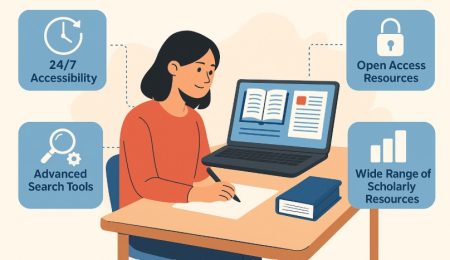
- Accessibility and Availability of Resources: One of the most significant impacts of digital libraries on e-learning is the enhanced accessibility of educational resources. In the past, students often had to rely on physical textbooks, journals, and library visits for academic materials, which could be limited by geographical location and time constraints. Digital libraries, on the other hand, provide learners with immediate access to a vast range of resources, including e-books, research papers, articles, and multimedia content. Students can access these materials 24/7 from anywhere, whether they are at home, on the go, or studying abroad.
For example, platforms like JSTOR, Google Scholar, and Project MUSE offer access to peer-reviewed journals and academic articles in various fields, allowing students to conduct research efficiently and effectively. This instant access to educational content helps students in e-learning environments by removing physical barriers and expanding their learning opportunities. - Support for Self-Paced and Personalized Learning: Another major impact of digital libraries on e-learning is the support they offer for self-paced and personalized learning experiences. In traditional classroom settings, students are often required to follow a fixed curriculum and learning schedule, which may not align with their individual learning preferences or pace. However, digital libraries allow learners to explore a wealth of materials based on their interests and academic needs.
For example, e-learning platforms like Coursera and edX provide online courses that are linked to digital library resources. This integration allows students to dive deeper into topics of interest by accessing supplementary reading materials, videos, and case studies, enriching their learning experience. The ability to access additional resources beyond the standard curriculum encourages self-directed learning, allowing students to progress at their own speed and tailor their educational journey to their unique needs. - Facilitating Research and Knowledge Discovery: Research is a critical component of academic success, and digital libraries play a vital role in facilitating efficient research for e-learners. In an online learning environment, access to high-quality, credible, and up-to-date research materials is essential. Digital libraries offer a range of research tools, such as advanced search engines, databases, and citation management tools, which help students find relevant resources quickly and easily.
For instance, databases like ProQuest and Scopus provide extensive collections of academic journals, theses, and dissertations that e-learners can use to support their research and coursework. These resources enable students to explore different perspectives, stay informed on the latest trends in their field of study, and produce high-quality academic work. Furthermore, digital libraries often include specialized content, such as primary source documents, archives, and multimedia materials, which enrich students’ research capabilities and broaden their understanding of complex topics. - Collaborative Learning and Knowledge Sharing: Digital libraries also contribute to collaborative learning by providing access to shared resources that can be used for group work and peer interactions. Many e-learning platforms incorporate discussion forums, group projects, and collaborative tools, which encourage students to engage with one another and share knowledge. With access to digital libraries, learners can explore relevant materials, cite research, and contribute to discussions, helping to build a sense of academic community in an otherwise isolated online environment.
For example, a group of students enrolled in an online course might use digital library resources to research a specific historical event. They could then collaborate on a project, presenting their findings and sharing their analysis of the materials they accessed. This collaborative process mirrors the teamwork often seen in traditional classroom settings, where students benefit from peer interactions and collective learning experiences. - Challenges and Considerations: While digital libraries have had a largely positive impact on e-learning, there are several challenges that must be addressed. One of the primary concerns is the digital divide. Not all students have equal access to reliable internet connections or devices, which can limit their ability to utilize digital libraries effectively. This issue is particularly prevalent in rural or underserved regions, where access to technology may be limited.
Another challenge lies in ensuring the quality and credibility of online resources. With the vast amount of content available online, students must be trained to differentiate between reliable and unreliable sources. Educational institutions must play a role in guiding students to reputable digital libraries and academic databases, ensuring they use credible materials for research and learning.
Additionally, the effectiveness of digital libraries in enhancing e-learning depends on students’ digital literacy skills. While these libraries offer vast resources, students need to be proficient in navigating online platforms, conducting advanced searches, and evaluating digital content. As such, institutions must integrate digital literacy training into their e-learning curricula to help students maximize the benefits of digital libraries.
Digital libraries have had a profound impact on the world of e-learning, providing students with unparalleled access to educational resources, supporting self-paced and personalized learning, and fostering research and collaboration. As e-learning continues to grow and evolve, the role of digital libraries will only become more critical in shaping the future of education. However, to fully realize the potential of these digital resources, it is essential to address the challenges of access, content quality, and digital literacy. By doing so, digital libraries will continue to support the learning needs of students worldwide, empowering them to engage with knowledge, collaborate with peers, and succeed in the digital learning environment.
How Digital Libraries Contribute to the Accessibility and Availability of Educational Resources for E-Learning Platforms
Digital libraries have significantly transformed the accessibility and availability of educational resources for e-learning platforms, playing a crucial role in the digitalization of education. Traditionally, students were confined to physical libraries with limited access to resources, often based on geographic location or time constraints. Digital libraries, however, provide a vast range of resources, including e-books, academic journals, research papers, and multimedia content, available online 24/7. This ability to access materials from anywhere, at any time, has removed many barriers faced by students, especially those in remote or underserved areas. For example, students in rural locations can now access scholarly articles from platforms like JSTOR or Google Scholar, enabling them to continue their studies without the need to travel to a physical library.
Moreover, digital libraries offer the flexibility of self-paced learning, as students can explore educational materials at their convenience. Unlike traditional classrooms, which follow fixed schedules, digital libraries enable learners to study according to their own timetables, providing them with the freedom to learn at a pace that suits their personal needs. E-learning platforms like Coursera or edX integrate digital library resources, giving students access to additional reading materials, case studies, and video content that complement their coursework. This integration supports a personalized learning experience, where students can delve deeper into topics of interest and access resources that may not be part of the standard curriculum.
In addition to enhancing accessibility, digital libraries streamline the process of research and resource discovery. Unlike physical libraries, where finding specific books or articles can be time-consuming, digital libraries offer advanced search functions that allow students to quickly locate relevant materials based on keywords, authors, and publication dates. This makes it easier for e-learners to find credible, peer-reviewed content for their studies. For example, platforms like ProQuest or Google Scholar allow students to conduct precise searches for scholarly articles and books, significantly reducing the time spent on research.
Digital libraries also promote collaboration by providing tools for sharing resources and engaging with peers. Features such as citation tools, document sharing, and the ability to annotate texts facilitate group projects and discussions, enabling students to collaborate on assignments and research more effectively. In an e-learning environment, where students may be geographically dispersed, these features create opportunities for virtual teamwork and peer learning, mimicking the collaborative experiences found in traditional classrooms. Furthermore, digital libraries contribute to lifelong learning by offering resources that support professional development and continuing education. Working professionals who wish to upgrade their skills or gain new knowledge can access a wealth of educational materials relevant to their fields. For instance, a healthcare professional can use digital libraries to access the latest medical research, while a business executive might explore case studies and industry reports to stay updated on trends. By supporting ongoing education, digital libraries empower learners to continually advance their knowledge and skills throughout their careers.
How Digital Libraries Have Affected the Affordability and Efficiency of Accessing Learning Materials for Online Courses
The rise of digital libraries has had a transformative impact on the affordability and efficiency of accessing learning materials for online courses. With education increasingly shifting to digital platforms, digital libraries have emerged as a critical component in facilitating cost-effective and timely access to educational resources. By providing instant access to a vast range of academic materials, digital libraries not only reduce the financial burden on students but also improve the efficiency of the learning process. This article explores how digital libraries have contributed to lowering costs and enhancing the accessibility and usability of learning materials in the context of online education.
- Reducing Costs for Students: One of the most significant ways digital libraries have impacted the affordability of education is by making learning materials more affordable. In traditional education, students often face the heavy financial burden of purchasing textbooks and other course-related materials. These costs can accumulate quickly, sometimes exceeding hundreds or even thousands of dollars per semester. However, digital libraries help alleviate this problem by offering free or low-cost access to essential academic resources.
Many digital libraries, such as Project Gutenberg, Open Access repositories, and institutional platforms like JSTOR or Google Books, provide students with access to a wealth of textbooks, research papers, articles, and e-books without the need to purchase expensive physical copies. For instance, Open Access initiatives offer research papers and articles at no cost to students, enabling them to access scholarly content without incurring additional charges. By partnering with educational institutions, many digital libraries also provide students with free or discounted access to subscription-based journals and databases, significantly reducing the cost of academic materials.
In addition, the availability of e-books and digital content in digital libraries helps eliminate the need for costly printing and distribution. Students enrolled in online courses can simply download or view the materials on their devices, saving on shipping fees or the cost of purchasing printed copies. This digital-first approach leads to a more sustainable and cost-effective educational model, where learning materials can be accessed quickly and inexpensively. - Enhancing Efficiency in Accessing Materials: Beyond affordability, digital libraries significantly enhance the efficiency of accessing learning materials for online courses. In a traditional educational setting, students often need to visit physical libraries, search through shelves of books, and wait for materials to become available. This process can be time-consuming and frustrating, especially when students are working under tight deadlines.
Digital libraries, however, offer instant access to a wide range of materials through online catalogs and databases. With just a few clicks, students can search for specific books, articles, or research papers and access them immediately. Advanced search features, including filters by subject, author, date, and content type, help students locate the most relevant resources quickly. For instance, platforms like ProQuest and SpringerLink allow students to search for peer-reviewed journals and articles across multiple disciplines, streamlining the research process and enabling them to focus more on their studies.
This immediate access not only saves time but also helps students stay organized and efficient in their learning. The ability to download, save, and annotate digital resources allows students to compile their research in one easily accessible location. As a result, students can complete assignments, conduct research, and collaborate with peers much more efficiently than they could by relying on physical materials. - Supporting Flexibility and Self-Paced Learning: Digital libraries also play a crucial role in supporting the flexibility and self-paced nature of online learning. Traditional learning environments often require students to adhere to rigid schedules and access materials during specific hours. In contrast, digital libraries provide students with the freedom to learn whenever and wherever they choose. This flexibility is particularly important for online learners, who may be balancing studies with work, family commitments, or other responsibilities.
By offering round-the-clock access to learning materials, digital libraries allow students to work through course content at their own pace. This personalized approach to learning enables students to explore topics in greater depth, revisit materials as needed, and progress through their courses according to their individual needs. Whether it’s a student studying for an exam or someone looking to explore additional reading materials, digital libraries give them the tools to study when it’s most convenient, without being constrained by traditional library hours or availability.
Additionally, digital libraries often provide multimedia resources, such as videos, simulations, and podcasts, which enhance the learning experience. These interactive materials allow students to engage with the content in various formats, catering to different learning styles. For example, a student studying business management might access a case study in a digital library, followed by a podcast interview with an industry expert. This combination of resources helps students engage more deeply with the material, fostering a richer and more comprehensive learning experience. - Supporting Institutional Efficiency and Cost Savings: The shift to digital libraries has also led to significant cost savings and improved efficiency for educational institutions. In traditional settings, universities and colleges must invest in physical library spaces, staffing, and maintenance. In contrast, digital libraries reduce the need for large physical collections and the costs associated with storing and managing printed materials. Educational institutions can allocate their resources more effectively by embracing digital resources, using the savings to improve infrastructure, offer more courses, or invest in technology to enhance the student experience.
Moreover, digital libraries help institutions manage licensing and distribution costs more efficiently. Instead of purchasing multiple copies of textbooks for physical distribution, digital libraries provide access to digital editions that can be made available to all students in a course simultaneously. This ensures that every student has equal access to the materials without additional costs or logistical challenges.
Digital libraries have had a profound effect on the affordability and efficiency of accessing learning materials for online courses. By reducing the cost of textbooks and other resources, digital libraries help ease the financial burden on students, making education more accessible. Additionally, they streamline the process of finding and using academic materials, enabling students to engage more effectively with their coursework. The flexibility and self-paced learning supported by digital libraries also contribute to a more personalized and efficient educational experience. As digital libraries continue to evolve and expand, they will remain a key component of the online learning ecosystem, driving down costs and improving access to high-quality educational materials for students worldwide.
Challenges Educational Institutions Face in Integrating Digital Libraries into Their E-Learning Environments
The integration of digital libraries into e-learning environments has the potential to significantly enhance the quality of education by providing students with easy access to a vast array of resources. However, educational institutions face several challenges in effectively incorporating these digital libraries into their e-learning systems. While the benefits of digital libraries—such as enhanced accessibility, flexibility, and cost efficiency—are well-documented, the successful integration of these resources requires careful planning and addressing several key hurdles. Here are the primary challenges that educational institutions face when integrating digital libraries into e-learning environments, and offers insights into how these obstacles can be overcome.
- Digital Divide and Access to Technology: One of the foremost challenges educational institutions face when integrating digital libraries into their e-learning environments is the digital divide. Not all students have equal access to the technology required to effectively utilize digital libraries. Reliable internet access and modern devices are essential for accessing online resources, yet many students, especially those in rural or economically disadvantaged areas, may lack these essential tools. This digital divide creates a disparity in access to learning materials, preventing some students from fully benefiting from digital library resources.
Institutions must address this issue by ensuring that all students, regardless of their location or socioeconomic status, have access to the necessary technology. This may involve offering subsidized or loaned devices, expanding Wi-Fi access on campuses, or providing support for students in remote areas. Additionally, educational institutions can collaborate with digital library providers to offer offline access to certain resources or downloadable content, ensuring that students without constant internet access can still benefit from these valuable tools. - Budget Constraints and Cost of Implementation: While digital libraries can ultimately reduce costs by eliminating the need for physical textbooks and library infrastructure, the initial investment required to implement and maintain digital libraries can be a significant challenge for many institutions. Educational institutions often face budget constraints that make it difficult to allocate sufficient resources for the development and integration of digital libraries. The costs involved include licensing fees for access to digital materials, investment in infrastructure, and the ongoing costs of maintaining and updating the digital library systems.
To address this, institutions may need to seek alternative funding sources, such as grants or partnerships with private organizations, to help cover the costs. Additionally, many digital libraries offer subscription models or licensing options that can be scaled to suit the needs and budget of the institution. By carefully planning the integration process and selecting digital library platforms that offer flexibility in pricing, institutions can balance costs while still providing access to high-quality resources for students. - Resistance to Change and Staff Training: Another significant challenge in integrating digital libraries into e-learning environments is resistance to change, particularly among faculty and staff who may be accustomed to traditional methods of teaching and resource management. Many educators and administrators may be unfamiliar with digital library tools and may have concerns about the reliability, usability, or effectiveness of digital resources. This resistance can impede the adoption of digital libraries within the institution, hindering the overall integration process.
To overcome this challenge, institutions must invest in training and professional development for faculty and staff. Offering workshops, online tutorials, and ongoing support can help educators become comfortable with using digital library tools and incorporate them effectively into their teaching practices. Institutions should also foster a culture of innovation, encouraging faculty to explore digital resources and share their experiences with colleagues. By providing adequate training and support, institutions can ease the transition to digital libraries and empower faculty to integrate these resources into their courses. - Licensing and Copyright Issues: The integration of digital libraries into e-learning platforms also raises issues related to licensing and copyright. Unlike physical books or materials, digital resources are often subject to licensing agreements that restrict the number of users who can access a particular resource simultaneously. Educational institutions must navigate these licensing restrictions when incorporating digital library resources into their e-learning platforms. Additionally, copyright laws regarding digital content can be complex, with institutions needing to ensure that they are in compliance with all relevant legal requirements when providing students with access to digital materials.
To mitigate these challenges, institutions can collaborate with digital library providers to ensure that they have access to appropriate licenses that allow for wide use among students. Institutions should also work closely with legal and compliance teams to ensure that digital content is distributed in accordance with copyright laws and that students and faculty understand the rules surrounding the use of digital materials. Furthermore, institutions may need to seek out open-access resources, which are freely available and not subject to the same licensing restrictions, to supplement their digital libraries. - Ensuring Quality and Relevance of Resources: The vast number of digital resources available in digital libraries can be both a benefit and a challenge for educational institutions. With so much content available, it can be difficult to ensure that students are accessing high-quality, relevant, and credible materials. Educational institutions must carefully curate the resources available in their digital libraries to ensure that students have access to the best materials for their courses.
This challenge can be addressed by working with experienced librarians and content curators who can select, organize, and categorize digital resources based on the needs of the curriculum. Institutions should also consider collaborating with academic publishers and industry experts to ensure that digital libraries contain up-to-date and authoritative content. Additionally, integrating digital libraries with learning management systems (LMS) can help faculty more easily organize and recommend relevant resources to students within the context of specific courses. - Data Privacy and Security Concerns: Data privacy and security are critical considerations when integrating digital libraries into e-learning environments. The use of digital resources often involves the collection of personal data from students, such as their login information, reading habits, and academic progress. This data must be protected to ensure that students’ privacy rights are respected and that the institution complies with data protection laws, such as the General Data Protection Regulation (GDPR) in Europe or similar regulations in other regions.
Educational institutions must implement robust security measures to protect students’ personal information and prevent unauthorized access to digital library resources. This may involve encrypting sensitive data, using secure authentication methods, and ensuring that digital library platforms comply with data protection regulations. Institutions should also educate students and staff about the importance of cybersecurity and privacy in the digital learning environment.
The integration of digital libraries into e-learning environments offers significant benefits, including enhanced accessibility, flexibility, and resource availability. However, educational institutions face a range of challenges in successfully incorporating these resources, from addressing the digital divide and budget constraints to navigating licensing issues and ensuring the quality of digital content. By strategically addressing these challenges through investment in technology, faculty training, collaboration with content providers, and ensuring compliance with legal and security standards, institutions can effectively integrate digital libraries into their e-learning systems. Overcoming these obstacles will ultimately help create a more inclusive, efficient, and accessible learning environment for students worldwide.
How Digital Libraries Support Lifelong Learning and Continuous Professional Development through E-Learning Resources
Digital libraries play a crucial role in supporting lifelong learning and continuous professional development (CPD) by offering a vast array of e-learning resources that cater to learners at every stage of their educational and professional journeys. These libraries provide 24/7 access to a wealth of materials, including e-books, research papers, online courses, and multimedia content, which can be accessed anytime and anywhere, ensuring flexibility for individuals looking to enhance their skills or gain new knowledge. Unlike traditional libraries, digital libraries offer the convenience of accessing these resources from any location, allowing professionals to engage in continuous learning without being restricted by time or geographical boundaries. This accessibility makes it easier for individuals to stay current in their fields, pursue certifications, or explore new areas of interest as they progress in their careers.
Personalized learning is another way digital libraries support lifelong learning and CPD. Many digital library platforms are integrated with learning management systems (LMS), offering curated collections of resources that allow users to tailor their learning paths to specific interests and goals. Through interactive resources like online courses, simulations, and webinars, digital libraries provide opportunities for learners to engage with content in diverse ways. For example, professionals seeking to develop skills in data analysis, leadership, or project management can find specialized courses and materials in digital libraries, enabling them to focus on areas that will advance their careers. This flexibility allows individuals to learn at their own pace, ensuring they gain the most relevant and up-to-date knowledge for their professional growth.
Digital libraries also facilitate continuing education and certification, which are vital for many professionals who need to stay competitive in a rapidly evolving job market. Many industries, such as healthcare, law, and engineering, require ongoing training and certification. Digital libraries provide access to the latest research, industry standards, and certification materials, enabling professionals to meet the demands of their fields. For instance, healthcare professionals can access the latest clinical guidelines and research, while legal experts can stay updated on case law and new regulations. Digital libraries support these professionals by providing materials necessary for maintaining certifications and gaining new qualifications, ensuring they remain compliant and well-informed in their areas of expertise.
In addition to offering access to content, digital libraries foster connections with global experts through webinars, virtual seminars, and case studies. Many digital libraries feature talks and discussions by thought leaders, providing learners with valuable insights into real-world applications and current trends. These resources allow professionals to stay connected with their industry, engage in thought-provoking conversations, and gain insights from experts, enriching their learning experience. Moreover, digital libraries promote collaborative learning by offering platforms for peer interaction. Discussion boards, online forums, and group study tools enable learners to collaborate, share resources, and discuss challenges, which enhances the depth of their understanding and allows them to benefit from the experiences of others in their field.
Digital libraries also make lifelong learning and CPD more cost-effective. Traditional education programs and professional development workshops can be expensive, but digital libraries offer free or low-cost access to a wide range of resources. Open-access platforms, such as PubMed Central, provide free access to medical research, allowing professionals to stay updated without financial strain. Additionally, many digital libraries offer affordable subscription models, making it easier for individuals to access high-quality educational materials at a fraction of the cost of formal courses or certification programs.
How Digital Libraries Support the Development of Critical Thinking and Research Skills in Online Learners
Digital libraries play a crucial role in developing critical thinking and research skills in online learners by providing access to a wide range of scholarly resources, research tools, and interactive learning materials. These resources, including peer-reviewed articles, academic journals, e-books, and reports, serve as the foundation for research and academic inquiry, allowing students to engage with up-to-date and credible content. This exposure to diverse sources encourages learners to think critically about the information they encounter, recognize multiple perspectives, and evaluate the quality and reliability of the material they use. Platforms like JSTOR, Google Scholar, and ProQuest offer learners the ability to explore various viewpoints on a subject, which enhances their analytical skills and fosters deeper exploration.
In addition to offering a wealth of resources, digital libraries facilitate independent research, a critical aspect of developing research skills. By providing advanced search features and resource management tools, these libraries empower students to conduct in-depth investigations into topics of interest. With the ability to search for specific articles, books, and research papers, students refine their research questions and develop more precise inquiries. The process of navigating these vast collections also helps students learn how to manage large amounts of information and organize their findings efficiently, further cultivating their ability to conduct independent research.
Critical thinking is further supported by the need to evaluate the credibility, methodology, and conclusions of the resources students use. Digital libraries enable learners to analyze scholarly articles and research papers, encouraging them to critique the reliability of the studies and assess how the information fits into the broader academic conversation. By evaluating sources for strengths, weaknesses, and potential biases, students develop the skills to make informed judgments about the content they use, an essential aspect of critical thinking. Furthermore, digital libraries promote the synthesis of information from multiple sources, which is crucial for developing problem-solving skills. Students often need to draw on a variety of research papers, case studies, and articles to create well-rounded arguments or propose solutions to complex problems. This process of synthesizing information requires students to evaluate and connect ideas from different sources, applying critical thinking to generate new insights. In doing so, learners gain experience in forming independent conclusions based on diverse data, a key skill for both academic and professional success.
Digital libraries also encourage collaborative learning, which further strengthens critical thinking and research skills. Many platforms incorporate discussion forums, shared resources, and peer review features, allowing students to engage with their peers, share insights, and critique each other’s work. These collaborative environments foster intellectual growth by encouraging students to consider alternative perspectives, challenge assumptions, and refine their own ideas. Peer review activities, in particular, help students evaluate research critically, not only by assessing their peers’ work but also by reflecting on their own research process.
By providing access to current research trends and emerging developments, digital libraries ensure that students stay informed and engaged with the latest advancements in their field. This exposure to cutting-edge research challenges students to think critically about new theories, methodologies, and findings, encouraging intellectual curiosity and prompting them to engage with the evolving body of knowledge. Ultimately, digital libraries create an environment where learners can develop the skills necessary to think critically, conduct thorough research, and contribute meaningfully to their fields of study. Through these diverse resources and opportunities, digital libraries are invaluable tools in fostering critical thinking and research skills in online learners.
In What Ways Have Digital Libraries Facilitated the Rise of Open Educational Resources (OER) in E-Learning?
The rise of Open Educational Resources (OER) has been one of the most transformative developments in the world of education, especially in e-learning. Digital libraries have played a pivotal role in facilitating this movement by providing platforms that offer free, accessible, and high-quality educational materials to learners around the world. These resources, which range from textbooks and research papers to videos, simulations, and even full online courses, have become an integral part of modern education systems. Let’s explore the ways in which digital libraries have contributed to the growth of OER in e-learning and the resulting benefits for learners, educators, and educational institutions.
- Expanding Access to High-Quality Educational Content: One of the primary ways digital libraries have facilitated the rise of OER is by expanding access to high-quality educational content. Traditional textbooks and academic resources are often expensive, limiting access for students in underfunded educational systems or those in developing countries. Digital libraries have helped mitigate this challenge by offering a wealth of educational resources online at little to no cost. OER materials made available through platforms like OpenStax, MERLOT, and the Digital Public Library of America (DPLA) enable students and educators to access textbooks, research papers, and multimedia resources without the financial burden associated with traditional learning materials.
For example, OpenStax offers a wide range of free, peer-reviewed, and openly licensed textbooks that are available to students and institutions worldwide. By providing these resources through digital libraries, OpenStax and similar platforms make quality educational content available to a global audience, democratizing access to knowledge and reducing barriers for learners in economically disadvantaged situations. - Promoting the Sharing and Remixing of Educational Resources: Digital libraries have also played a significant role in promoting the sharing and remixing of educational resources, key principles of the OER movement. The flexibility to adapt and modify materials for specific teaching contexts is one of the hallmarks of OER, and digital libraries have facilitated this process by offering resources that are openly licensed, such as those released under Creative Commons licenses. These open licenses allow educators and students to not only access materials but also to adapt, remix, and redistribute them as needed.
For example, educators can take a textbook provided through a digital library and modify it to fit the specific needs of their course or students, perhaps by updating outdated information, adding supplementary materials, or reordering chapters. This capability enables a more customized and flexible approach to teaching and learning, as resources can be adjusted based on the cultural, regional, or disciplinary needs of the learners. Digital libraries that host OER often provide tools for these adaptations, allowing for easy sharing and collaboration across educational communities. - Supporting Collaborative Learning and Peer Sharing: In addition to offering access to resources, digital libraries also foster collaborative learning and peer sharing, which are vital components of the OER ecosystem. Many digital libraries have integrated platforms that allow educators, students, and researchers to collaborate, share resources, and discuss educational content. These platforms help create a community of practice, where teachers and learners can engage with each other, share insights, and build upon existing materials.
For instance, platforms like OER Commons and the Open Education Consortium offer opportunities for educators to upload, share, and discuss OER materials, promoting a collaborative environment in which resources are continuously improved. These communities not only contribute to the growth of OER but also encourage the sharing of best practices in teaching and learning, helping to create an ecosystem of open resources that is constantly evolving and improving. - Increasing the Adoption of OER by Educational Institutions: Digital libraries have also been instrumental in encouraging the adoption of OER by educational institutions. As more academic institutions recognize the value of OER in reducing costs for students and promoting equity in education, digital libraries have become essential tools for integrating OER into the curriculum. By offering platforms where OER is hosted and easily accessible, digital libraries help institutions incorporate these resources into their learning management systems (LMS) and online courses.
Furthermore, many institutions are beginning to create their own OER collections within digital libraries, contributing to the growing pool of open resources. This not only ensures that OER is aligned with institutional needs but also encourages the development of materials that reflect the institution’s specific curriculum. For example, universities may use digital libraries to make their own lecture notes, textbooks, or course materials available as OER, thus broadening the reach of their educational content to a global audience. - Enhancing the Sustainability and Long-Term Availability of OER: Another way digital libraries facilitate the rise of OER is by ensuring the long-term sustainability and availability of these resources. Many OER projects struggle with issues related to the preservation of content, especially as resources are created by individuals or small organizations. Digital libraries address this concern by providing a stable, long-term platform for hosting OER. They also offer tools for the archiving and maintenance of resources, ensuring that OER remains accessible to future generations of learners and educators.
For example, institutions like the Internet Archive and the Open Textbook Library offer OER collections that are maintained over time and accessible to anyone with an Internet connection. These platforms ensure that OER remains publicly available, regardless of changes in technology or funding, thus supporting the sustainability of the OER movement. - Encouraging Global Collaboration in Education: Digital libraries have also facilitated global collaboration in education, making it easier for educators, researchers, and students from around the world to contribute to and benefit from OER. Through digital libraries, educational content can be shared and accessed across borders, creating a more connected and collaborative global educational community. This international exchange of knowledge is one of the key benefits of OER, as it allows educators from different regions and cultures to adapt and use materials that best suit their local contexts, while also contributing to the global pool of open resources.
For instance, educators in one country can create OER and share them through digital libraries, allowing others to adapt them for use in different languages or cultural settings. This global collaboration fosters innovation in teaching and learning, as different perspectives are brought together, enriching the content and making it more relevant to diverse learners.
Digital libraries have played an essential role in facilitating the rise of Open Educational Resources (OER) in e-learning by expanding access to high-quality materials, promoting the sharing and remixing of content, and encouraging collaborative learning. By supporting the adoption of OER by educational institutions, enhancing the sustainability of open resources, and fostering global collaboration, digital libraries have become integral to the OER movement. These platforms not only help reduce the cost of education and improve access to learning materials but also contribute to the creation of an open and inclusive educational ecosystem that benefits learners and educators worldwide. As the use of OER continues to grow, digital libraries will remain a key player in the future of education, helping to democratize learning and promote lifelong education.
Future Trends in the Role of Digital Libraries in Enhancing the Effectiveness of E-Learning
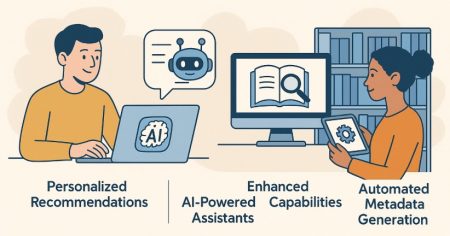
The future of digital libraries in e-learning holds transformative potential, with advancements in artificial intelligence (AI), multimedia content, open educational resources (OER), and integration with Learning Management Systems (LMS) all playing crucial roles in enhancing educational experiences. One of the most promising trends is the integration of AI to personalize learning experiences. AI can analyze a learner’s progress, identify knowledge gaps, and recommend tailored resources, such as articles, videos, or exercises, to suit individual learning needs. This personalized approach, powered by machine learning algorithms, will ensure that students receive the most relevant and targeted content, enabling them to learn at their own pace and in a way that suits their preferences.
Another significant trend is the expansion of multimedia and interactive content within digital libraries. While traditional textbooks and articles remain foundational, the future will see more emphasis on dynamic learning materials, including videos, simulations, virtual reality (VR), and augmented reality (AR) experiences. These immersive resources will provide students with engaging, hands-on learning opportunities that go beyond passive reading, enabling them to actively engage with the content. For instance, students could conduct virtual experiments in science or explore historical sites through VR tours, all within the digital library environment, making e-learning more interactive and engaging.
The role of open educational resources (OER) is also expected to grow, with digital libraries continuing to support the widespread adoption of free and openly accessible educational content. OER platforms, such as OpenStax and MERLOT, will become more integrated into digital libraries, offering textbooks, research papers, and other learning materials at little to no cost. This will provide a cost-effective alternative to expensive traditional textbooks, particularly for students in underfunded educational systems or those in developing regions. Furthermore, digital libraries will enable educators to remix, adapt, and customize OER to suit specific teaching needs, fostering a more collaborative and personalized learning environment.
In the coming years, digital libraries will also become more closely integrated with LMS platforms like Moodle, Canvas, and Blackboard, streamlining access to educational content and enhancing the teaching and learning experience. By connecting digital libraries directly to these systems, resources will be more easily accessible within the online course framework, allowing educators to recommend materials, assign readings, and track student progress seamlessly. This integration will improve efficiency, making it easier for both instructors and students to access and manage resources in one centralized location. Moreover, digital libraries will feature more advanced search capabilities, powered by AI and natural language processing (NLP), making it easier for students to locate relevant materials. These enhanced search tools will allow learners to search not just by keywords, but by context and relevance to their learning journey, helping them discover new resources that might not have been initially obvious. With these intelligent search capabilities, students can more efficiently navigate large volumes of information, finding the most pertinent and credible resources for their research and studies.
Digital libraries will also facilitate collaborative learning, encouraging peer-to-peer interaction and knowledge sharing. Features like discussion forums, shared workspaces, and virtual study groups will enable students to collaborate on research projects, exchange ideas, and provide feedback to one another. This social learning model will foster greater engagement with the content, as students from diverse backgrounds and disciplines come together to explore, discuss, and solve complex problems. Collaboration tools integrated into digital libraries will allow for deeper interactions between students, making the learning experience more dynamic and community-driven.
As digital libraries evolve, so too will the focus on data privacy and security. With increasing personalization and data collection, digital libraries will need to implement robust security measures to protect learners’ personal and academic data. This includes ensuring compliance with data protection regulations like the General Data Protection Regulation (GDPR) and offering transparency about how data is used to personalize learning. By balancing the benefits of AI-powered recommendations with strong privacy protections, digital libraries will safeguard students’ information while still providing personalized educational experiences.
4 Comments
Thanks for sharing this post,
is very helpful article.
This is wonderful, Thank you
Very good information , Please visit my funny game site pgslot</
merciiiii