Plenty of Information, but Where Is the Answer?
A student begins researching an assignment by opening Google. Within moments, the screen fills with articles, websites, reports, and videos. At first, the topic appears easy to explore. However, as the student starts reading, questions arise: Which sources are reliable? Why do two websites provide different explanations? Does this article address the assignment, or does it just include the same keywords? What began as a quick search turns into a struggle to determine which information deserves their attention.
Google serves as a convenient starting point for discovering information and exploring unfamiliar subjects. However, having access to search results does not necessarily make a question easier to answer. Effective research often requires a clear understanding of the topic, appropriate sources, and careful judgment about the evidence. While a reader may find useful background material, they may still have difficulty locating scholarly studies, narrowing a broad question, or determining whether a source supports a particular claim.
This is where a reference librarian can make a significant difference. Through conversation and guided searching, the librarian helps users clarify their needs, identify suitable resources, and evaluate the information they find. A student preparing an assignment, a researcher exploring a new subject, or a reader seeking a reliable explanation can all benefit from this personal guidance. In an information-rich environment, the value of a reference librarian lies in their ability to help people make sense of the materials they encounter and develop the confidence to use that information thoughtfully.
What Google Does Well-and Where Challenges Begin
Google offers a straightforward way to begin exploring a topic. Whether someone is looking to understand a new term, find an organization’s website, read a news article, or gather background information for an assignment, a simple search can yield valuable starting points. This convenience allows users to satisfy their curiosity, discover varying perspectives, and develop an initial understanding of a subject. For many everyday information needs, quick access is highly beneficial.
However, challenges arise when a question demands greater depth or specificity. For example, a student searching for “digital literacy” may come across teaching materials, personal opinions, commercial training courses, and academic publications. Each of these results serves a different purpose, and their usefulness depends on the student’s research question. If someone is examining digital literacy among university students, they will need to refine their search and find evidence that pertains specifically to that demographic. Crafting the right queries is, therefore, a crucial part of the research process.
Evaluating the results presents another challenge. A well-designed website or a confidently written article may appear credible, but readers must examine who produced the content, what evidence supports it, when it was published, and why it was created. A prominent position in search results does not necessarily indicate a source’s suitability for academic work. Conflicting information can also leave users uncertain about which claims to trust and whether further investigation is warranted.
Access issues can further complicate matters. A search might lead to a relevant scholarly article whose full text is behind a paywall, or to a reference that is tough to locate. At this point, library resources and reference assistance become especially valuable. A reference librarian can help users explore access options, improve their search strategies, and choose suitable sources for their tasks. While Google serves as a helpful entry point to information, informed searching and careful evaluation are essential for making productive use of what users discover.
Who Is a Reference Librarian?
A reference librarian is a library professional dedicated to helping individuals find, understand, and evaluate information. They work in various types of libraries, including academic, public, school, and specialized libraries, assisting users with inquiries that can range from simple questions to complex research challenges. Their role combines knowledge of information resources with skills in listening, communication, and research.
A key aspect of this position is the ability to understand a person’s needs. Users may come in with broad topics, incomplete citations, or uncertainty about where to begin their search. Through a conversation known as a reference interview, the librarian explores the purpose of the inquiry, the type of information required, and any relevant limitations, such as deadlines or specific assignment criteria. This conversation helps to establish a clear direction for the search.
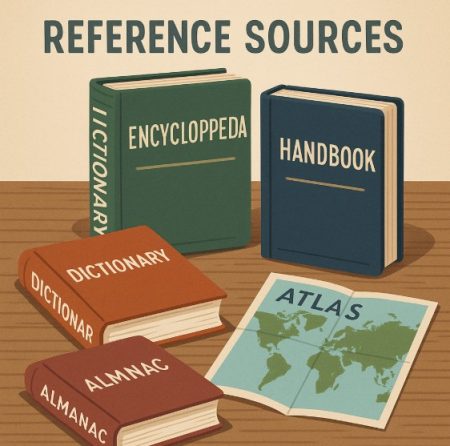
Reference librarians utilize various resources, including books, library catalogs, scholarly databases, government publications, and credible websites. They assist users in selecting appropriate search terms, locating relevant materials, and evaluating whether the sources they find meet their needs. In an academic library, this may involve helping a student locate research articles for an assignment or guiding a researcher toward literature on a specific topic. In a public library, it could mean finding local history materials or official information about a public service.
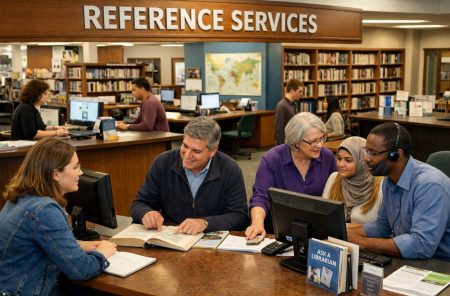
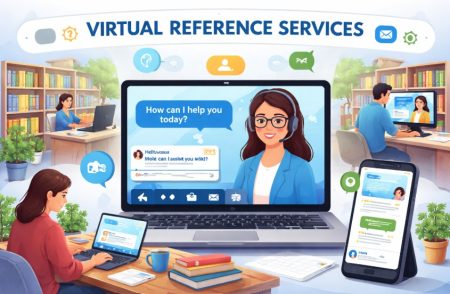
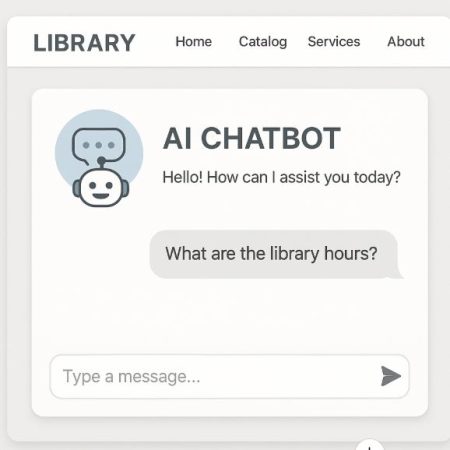
Teaching is also a central component of reference work. By explaining how searches are conducted and why certain sources are useful, librarians help users improve their own research skills. Assistance may be offered at a service desk, during consultations, or through email and online chat, depending on the library. In all these settings, the reference librarian serves as a human point of contact—someone who can listen, clarify uncertainties, and guide users in taking the next steps.
Understanding the Question Behind the Question
People often approach a library with requests that only partially reflect their needs. For instance, a student may ask for “books about social media,” even though the assignment focuses on how social media use impacts university students’ academic performance. Another patron might request a specific report based on a recommendation, but may be uncertain if it contains the necessary information. Understanding the underlying purpose of these requests enables a reference librarian to guide the search more effectively.
This process begins with the reference interview, a discussion that clarifies the user’s information needs. The librarian might ask questions like, “What specifically would you like to find out about this topic?” or “How do you plan to use the information?” Additional questions can help determine the required level of detail, preferred types of sources, relevant geographical areas, and deadlines. It is essential to listen carefully and allow users to express their tasks in their own words. The goal is to develop a shared understanding of the question while maintaining a comfortable and respectful conversation.
For the student researching social media, this dialogue could reveal that the assignment requires recent scholarly studies concerning undergraduate students. The librarian and student can then identify useful concepts, explore alternative keywords, and select appropriate resources. This way, a broad request is refined into a more manageable inquiry. As relevant materials are discovered, the student may also realize that the topic needs further clarification, making the conversation an ongoing part of the research process.
Before proceeding with the search, the librarian can briefly restate the request and invite the user to confirm or correct it. This simple step helps prevent misunderstandings and ensures that the search aligns with the user’s intent. By uncovering the question behind the question, a reference librarian helps individuals articulate their needs more clearly and provides their search with meaningful direction.
Beyond Keywords: Building a Better Search Strategy
A productive search begins with identifying the main ideas within a question. While typing an entire assignment title into a search box can provide a starting point, a more deliberate approach allows users to explore the topic systematically. Reference librarians assist users in breaking down a research question into searchable concepts and determining which elements are most important. For a question regarding social media use and its impact on university students’ academic performance, relevant concepts might include social media, undergraduate students, and academic achievement.
The next step is to consider how different authors express the same subject. Relevant publications may use terms like “college students” instead of “university students,” or “academic achievement” instead of “academic performance.” A librarian can help users identify synonyms, related terms, alternative spellings, and subject headings used within a database. This broader vocabulary can reveal useful material that an initial search may have missed. Reading the titles, abstracts, and subject terms of promising results can also suggest new ways to search.
How these terms are combined is also important. When applicable, search operators like AND can connect different concepts, while OR can include alternative terms for the same concept. Using phrase searching and applying filters for publication date, language, or document type can further refine results. A reference librarian explains how these features work in the resources being searched and assists users in determining which restrictions are best suited to their tasks. Applying too many filters too early may exclude valuable material.
Searching also involves reviewing and adjusting the approach as needed. A lack of results may indicate that the terms are too narrow, while an overwhelming number of irrelevant results may suggest the question needs to be more precise. By examining what the search retrieves, the librarian and user can revise keywords, switch resources, or reconsider the scope of the search. This process helps users understand why a search might succeed or struggle while equipping them with techniques they can apply to future information needs.
Beyond the Search Results: Finding Relevant Resources
Once a search yields results, the next step is to determine which resources can most effectively answer the question. A general overview may help someone become familiar with a topic, while a research assignment might require scholarly studies, statistical evidence, or original documents. Reference librarians assist users in matching their information needs with appropriate resources, keeping in mind the purpose of the inquiry and the depth of evidence required.
Different resources provide various types of information. Books can offer background information and comprehensive discussions, while scholarly articles may focus on a specific research question. Government publications can supply official statistics and policy documents, and archives can present historical records and firsthand accounts. For instance, if a student is investigating the relationship between social media and academic performance, a librarian might suggest an education database for relevant studies, a book for theoretical background, and a pertinent report for contextual information. Each source plays a role in the broader investigation.
Finding relevant materials may also involve exploring the connections between publications. The reference list of a valuable article can lead to earlier studies that contributed to the discussion. Searching for later publications that cite that article can reveal how subsequent researchers have built upon or challenged its findings. A librarian can help users navigate these connections and guide them to institutional repositories, subject collections, and specialized resources they might not be familiar with. This approach allows the search to evolve as the reader’s understanding deepens.
Accessing resources is another critical aspect of the process. If a relevant publication isn’t available through the initial search, a reference librarian can check the library’s subscriptions, look for openly accessible versions, or explain options for document delivery and interlibrary loans, where those services are available. Throughout this process, relevance remains the primary focus. The goal is to help users compile a useful set of resources that addresses their questions and provides a solid foundation for further reading, analysis, or writing.
Helping Readers Evaluate What They Find
Finding a source is only part of the research process. Readers must also determine whether the content is credible, relevant, and sufficiently supported for their purpose. While a professional appearance, persuasive language, or a prominent position in search results may catch attention, evaluating the information necessitates closer examination. Reference librarians assist readers in developing this judgment by encouraging them to ask practical questions about the sources they encounter.
One important starting point is authorship and publication context. Who created the information, and what experience or expertise do they bring to the subject? Who published it, and what editorial or review process was followed? Librarians also help readers examine the evidence behind a claim. References, research methods, and links to original documents enable users to investigate how a conclusion was reached. For example, when an article discusses social media and academic performance, readers can check whether it draws on research and whether the findings support the claims being made.
Relevance and currency require careful consideration as well. A study involving schoolchildren may provide useful background but has limited applicability to questions about university students. Similarly, the publication date varies in importance across topics: recent information may be crucial for understanding current technology, while older sources can remain valuable for historical research or foundational theories. Librarians guide users in assessing these factors in relation to their questions. They also encourage readers to consider the source’s intended audience, purpose, and potential biases that may influence its presentation.
Comparing sources can reveal agreements, conflicting findings, and gaps that warrant further investigation. A reference librarian can guide this comparison while helping readers recognize uncertainty and avoid drawing conclusions beyond the available evidence. Through these discussions, users develop habits they can apply independently: checking original sources, examining supporting evidence, and distinguishing established findings from personal interpretations. These skills empower them to make thoughtful decisions about what to trust, cite, and share.
The Human Value of Reference Service
Research can often involve feelings of uncertainty, frustration, and hesitation. Individuals may struggle to understand a topic, feel overwhelmed by unfamiliar resources, or worry that their questions are too basic to ask. The value of reference services starts with having an approachable person who listens patiently and treats inquiries with respect. A welcoming conversation creates space for users to express their difficulties and work through them.
Consider a first-year university student who has been tasked with using scholarly sources but is unsure of what that entails. This student might need an explanation, a demonstration, and the opportunity to practice searching with guidance. A reference librarian can address the student’s questions as they arise, check for understanding, and adjust their explanations accordingly. Small moments of clarification can help make an unfamiliar research task feel more manageable.
Personal guidance allows reference services to accommodate various levels of experience and different learning styles. One user may benefit from a brief suggestion, while another may require a slower demonstration or written instructions to refer back to later. Using clear language, attentive listening, and being sensitive to communication or accessibility needs helps librarians provide the appropriate support. As the conversation progresses, users can explain what is working well and where they still need assistance.
Trust develops when individuals feel comfortable asking follow-up questions and discussing their uncertainties. Librarians foster this relationship through respectful communication, discretion, and honesty about the limits of the help they can provide. They can also engage users in the search process, explaining their decisions and encouraging independent exploration of resources. This blend of care and practical guidance helps users build confidence alongside their research skills. Ultimately, the lasting value of these interactions may lead to a greater willingness to ask questions, investigate evidence, and tackle future information challenges independently.
Reference Help in Practice: Everyday Examples
Imagine a student preparing an assignment on the relationship between social media use and academic performance. An initial search yields opinion pieces, news stories, and research articles, leaving the student unsure where to begin. During a reference consultation, the librarian helps clarify the assignment requirements, identify suitable search terms, and explore an educational database. Together, they examine abstracts and distinguish studies relevant to university students from those involving other groups. The student leaves with useful starting sources and a clearer understanding of how to continue searching.
In another situation, a researcher is trying to locate a publication mentioned in an older document. The citation contains the author’s surname and a shortened title but lacks several details. A reference librarian can search catalogs and databases, try variations of the title, and examine related references. If the publication is identified, the librarian can investigate access through the library’s collection, an open repository, or document delivery services where available. Even if the search remains unresolved, explaining what has been checked helps the researcher decide what to try next.
A reader researching the history of a local community may encounter websites that provide different dates for the same event. A librarian can help trace those claims to their sources and identify materials such as newspaper archives, local history books, maps, or official records. Comparing these documents may reveal that the dates refer to different stages of the event or that one account lacks supporting evidence. The reader gains a better understanding of both the subject and the reasons for the discrepancies.
These situations illustrate how reference assistance addresses the challenges individuals face. Sometimes the need is for a better search strategy, while at other times it is for access to a source or help in examining conflicting accounts. By working through the problem with the user, a reference librarian helps turn uncertainty into practical next steps.
Google and Reference Librarians: Working Together
Google and reference librarians play distinct yet complementary roles in the research process. Beginning with a web search can be a convenient way to explore an unfamiliar topic, uncover background information, and identify worthwhile questions to investigate. Reference assistance can build on this initial exploration by helping users refine their focus, select appropriate resources, and evaluate the evidence they encounter. Together, these approaches provide readers with multiple avenues to address their information needs.
For instance, a student researching urban air pollution might start with Google, where they find news articles, public information pages, and an environmental report. Bringing these findings to a reference librarian creates a valuable opportunity for discussion. The librarian can assist the student in identifying the original source of the report, evaluating its relevance to their assignment, and searching for scholarly studies or official data. The initial web search helps frame this consultation.
As the inquiry progresses, this collaboration can continue. An insightful article found in a library database might lead to a research organization whose website offers further reports. Similarly, a document discovered online may include references that the librarian can help locate through other resources. Navigating between these sources allows users to pursue promising leads and fill gaps in their understanding. The choice of resource will depend on the requirements of the question at each stage.
Reference librarians can also help users improve their web searching skills. By discussing search terms, examining publication details, and tracing claims back to original evidence, readers learn techniques they can use outside of the library. Users can make consultations more effective by sharing their research questions, the searches they have conducted, and any challenges they have faced. This collaborative effort merges the convenience of online searching with personalized guidance, supporting a more thoughtful research process.
Conclusion:
Knowing when to seek help is an essential research skill. If your repeated searches yield irrelevant results, if you encounter conflicting explanations from different sources, or if you find a useful publication that seems inaccessible, it may be time to consult a reference librarian. The same holds true when you’re unsure how to narrow your topic or determine if the information you’ve found is appropriate for your needs. Recognizing these challenges gives you a solid starting point for a productive conversation.
Google is a valuable tool for discovering information, but reference librarians offer personalized guidance that enhances the research process. They help clarify your questions, explore suitable resources, and evaluate evidence. By explaining their approach and involving you in the search, they also help you develop skills that go beyond the immediate task. A productive consultation can provide you with relevant materials and boost your confidence to continue independently.
To start, you can share your topic, assignment requirements, existing search results, and any difficulties you’ve encountered. Visit your library’s reference desk or check if it offers consultations, email assistance, or online chat options. You don’t need a perfectly formed question to begin. When Google leaves you uncertain about your next step, a discussion with a reference librarian can help guide your search in the right direction.