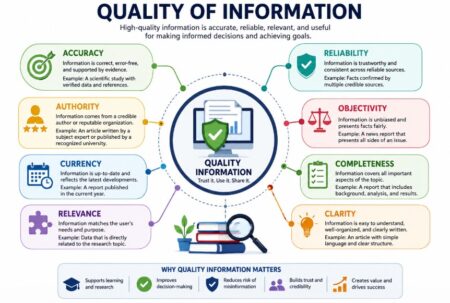
In today’s information age, we are surrounded by a vast amount of content generated through books, journals, websites, social media platforms, databases, and artificial intelligence tools…
In today’s information age, we are surrounded by a vast amount of content generated through books, journals, websites, social media platforms, databases, and artificial intelligence tools…

Relying on a single source of information without verifying it elsewhere can expose individuals to several significant risks, often leading to misunderstandings or poor decisions. When…

Information professionals work at the intersection of technology, knowledge, and human trust, making ethical principles essential for managing user data. As libraries, archives, and information centers…

Access to information in the context of modern society refers to the ability of individuals, communities, and institutions to obtain the knowledge, data, and resources they…
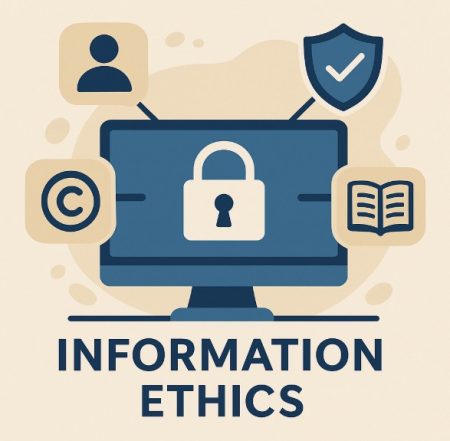
Information Ethics is a field that examines the moral principles, values, and responsibilities involved in the creation, management, and use of information. As society becomes increasingly…
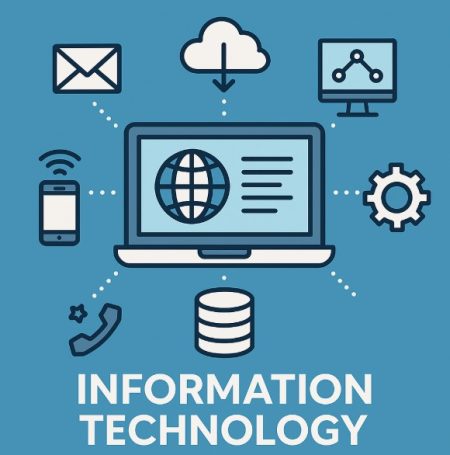
Information Technology (IT) refers to the use of computers, software, networks, and other digital systems to store, process, manage, and exchange information. It has become one of…
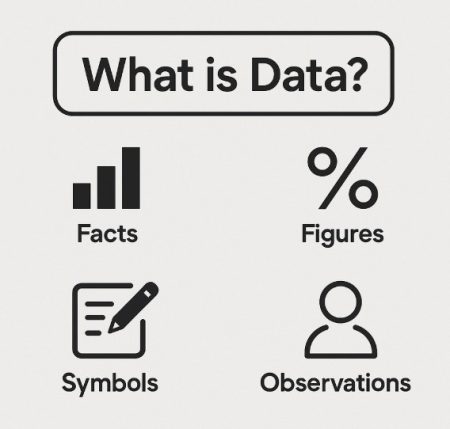
Data refers to unprocessed facts, figures, or observations collected from various sources, which can represent anything, such as numbers, text, images, audio, or video. In simple…
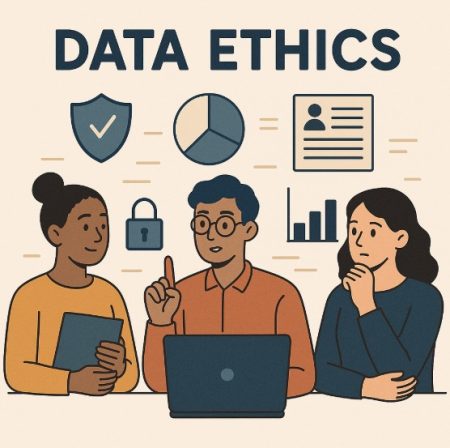
Data ethics refers to the set of moral principles and standards that guide the responsible collection, handling, analysis, sharing, and usage of data. In today’s digital…
Freedom of Information (FOI) refers to the fundamental right of individuals to access information held by public authorities, government agencies, and organizations performing public functions. It…

An Information Security Policy (ISP) is a critical document that outlines the principles, guidelines, and practices an organization follows to safeguard its information assets. This policy…