Relying on a single source of information without verifying it elsewhere can expose individuals to several significant risks, often leading to misunderstandings or poor decisions. When people accept information from one source at face value, they may encounter inaccuracies, intentional bias, or incomplete perspectives. For example, a news article that highlights only one side of a political issue can shape public opinion in a misleading way, causing readers to adopt biased views without recognizing alternative interpretations. Similarly, a student who depends solely on a single website for research may overlook contradictory findings in scholarly journals, resulting in an incomplete or incorrect academic argument. In health-related situations, trusting a single social media post about a home remedy without verifying it through scientific or medical sources can lead to harmful outcomes. Financial decisions also carry risks: relying on a single YouTube video for investment advice may lead someone to invest in unreliable schemes.
Why Is Cross-Checking Information from Multiple Reliable Sources Important?
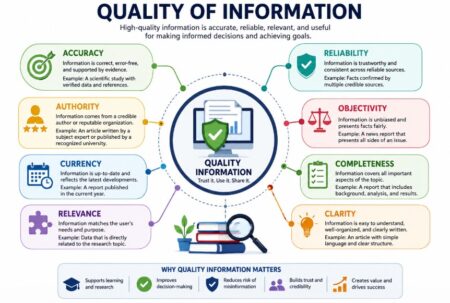
Cross-checking information from multiple reliable sources is increasingly vital in a world where content is produced and shared at an unprecedented pace. When individuals rely solely on one source, they risk forming opinions or making decisions based on incomplete, biased, or misleading information. Every source, whether a news outlet, researcher, blogger, or social media account, presents information through its own lens. These perspectives may be shaped by editorial policies, cultural values, personal interpretations, or even commercial interests. By consulting multiple trustworthy sources, individuals can identify these differences, compare facts, and form a more balanced and informed understanding of any topic.
This process is especially important for recognizing and avoiding inaccuracies. A single source might unintentionally present outdated data, misinterpret a study, or omit key details that change the meaning of the information. When several reliable sources confirm the same facts or conclusions, the likelihood of accuracy increases significantly. In academic research, this practice is known as triangulation, where evidence from various independent studies is compared to ensure consistency and credibility. For instance, a student researching the effects of climate change would strengthen their work by consulting scientific journals, international climate organizations, and government environmental reports rather than relying on a single article or website.
Cross-checking also plays a crucial role in everyday decision-making. In health-related scenarios, unverified or overly simplified information can be dangerous. Someone who relies solely on a viral post promoting an untested remedy may neglect proper treatment or expose themselves to health risks. Verified medical sources, such as peer-reviewed studies, licensed physicians, or official health organizations, can provide a more accurate and safe understanding. Similarly, financial decisions require careful evaluation from multiple credible sources. Depending on one influencer’s investment recommendation without checking expert analyses, financial news, or official market data may result in severe financial loss or falling victim to fraudulent schemes.
Beyond personal safety and accuracy, cross-checking strengthens critical thinking skills. When individuals compare different sources, they learn to identify biases, question assumptions, evaluate evidence, and recognize contradictions. This fosters intellectual independence, enabling people to make more reflective and informed choices rather than accepting information at face value. It also encourages the habit of analyzing the credibility of a source, considering factors such as authorship, publication reputation, evidence provided, and potential conflicts of interest. Additionally, verifying information before sharing it serves a broader social purpose. In an era of widespread misinformation and disinformation, responsible information sharing is essential. Cross-checking helps prevent the unintentional spread of false content, which can influence public opinion, damage reputations, or incite unnecessary fear or conflict. When individuals consistently verify what they read, they contribute to a more trustworthy, informed, and stable information environment.
In summary, cross-checking information from multiple reliable sources is not just a helpful practice; it is a necessary one. It ensures accuracy, protects against misinformation, enhances critical thinking, supports sound decision-making, and promotes a healthier information ecosystem. By taking the time to verify information from several credible sources, individuals can navigate the vast and complex landscape of modern information with confidence, clarity, and responsibility.