The rise of digital resources is profoundly reshaping the landscape of libraries, transforming them from traditional repositories of physical books into dynamic, digital hubs of information…
The rise of digital resources is profoundly reshaping the landscape of libraries, transforming them from traditional repositories of physical books into dynamic, digital hubs of information…

Introduction: In the dynamic landscape of the information age, where the majority of our cultural, scholarly, and historical records exist in digital formats, the imperative of…

In recent years, e-resources have significantly transformed the landscape of higher education by reshaping how students, faculty, and researchers access, interact with, and utilize academic materials.…

Electronic journals (e-journals) are digital versions of academic journals that provide researchers, students, and academics with access to scholarly articles, research papers, and other scientific publications…

Electronic publishing (e-publishing) refers to the digital production and dissemination of content through electronic means rather than traditional print formats. It encompasses various media, including e-books,…

The digitization of library resources refers to the process of converting physical materials, such as books, manuscripts, journals, photographs, and audio-visual content, into digital formats. This…

Digital Preservation of Library Resources is a critical practice in modern libraries that ensures the long-term accessibility and integrity of digital content. As libraries increasingly shift…
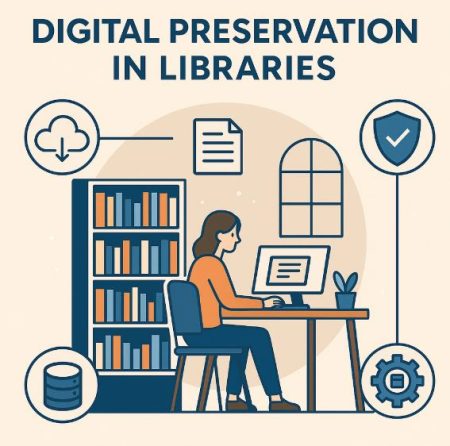
In the digital age, libraries are increasingly tasked with preserving not only traditional physical collections but also a growing array of digital resources. Digital preservation refers…

Electronic journals (e-journals) are digital versions of academic and professional periodicals that are accessible through the Internet, offering a convenient alternative to traditional print journals. These…