
Intellectual Property Rights (IPR) in the context of libraries refers to the legal protections and ethical considerations surrounding the use, distribution, and preservation of creative and…
Intellectual Property Rights (IPR) in the context of libraries refers to the legal protections and ethical considerations surrounding the use, distribution, and preservation of creative and…
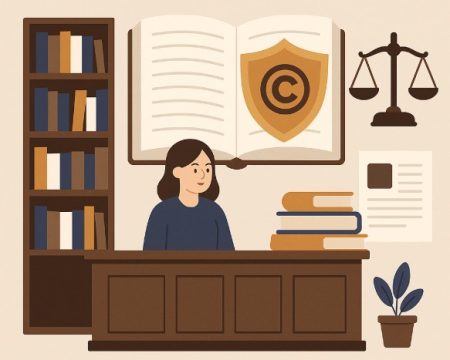
Intellectual Property Rights (IPR) refer to the legal rights granted to creators and owners of intellectual works, such as books, research papers, inventions, artistic creations, software,…
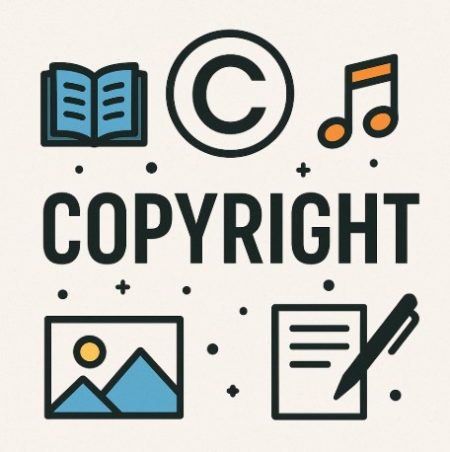
Copyright is a legal concept that grants creators exclusive rights over their original works, such as literary, artistic, musical, and dramatic creations. This protection ensures that…

Intellectual property (IP) in libraries encompasses the legal rights associated with the wide array of creative works and intellectual outputs housed within these institutions. Libraries serve…

In today’s innovation-driven economy, intellectual property (IP) is one of the most valuable assets individuals and businesses possess. Protecting your ideas, creations, and brand identity is…
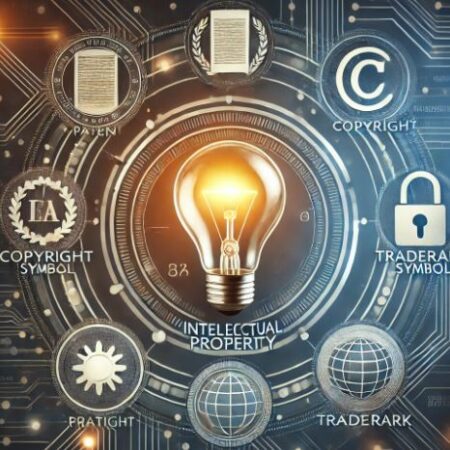
Intellectual Property (IP) is a vital concept that is pivotal in today’s innovation-driven world. It refers to the legal rights given to individuals or entities over…
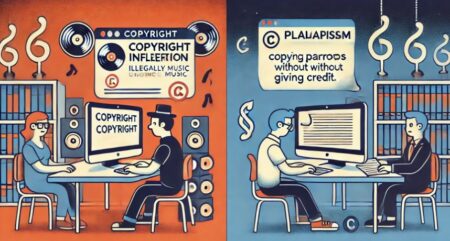
Copyright infringement and plagiarism are significant concerns in various fields, encompassing legal and ethical realms respectively. Copyright infringement refers to the unauthorized use of copyrighted material…
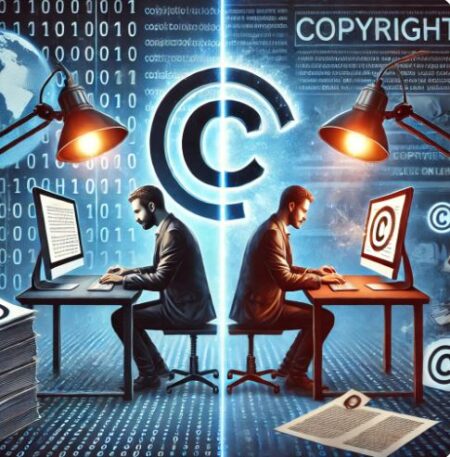
Imagine you spend countless hours creating a unique piece of art or writing a compelling novel, only to find it reproduced and distributed without your permission.…
Intellectual freedom stands as a cornerstone of democratic societies, embodying the fundamental right of individuals to access, explore, and express ideas without censorship, restraint, or fear…

Introduction: Fair use of information within libraries is a fundamental principle that underpins the accessibility and dissemination of knowledge in society. In essence, fair use refers…