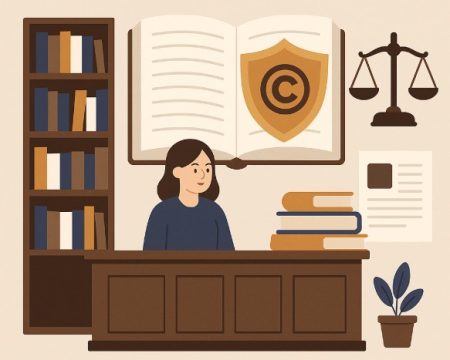
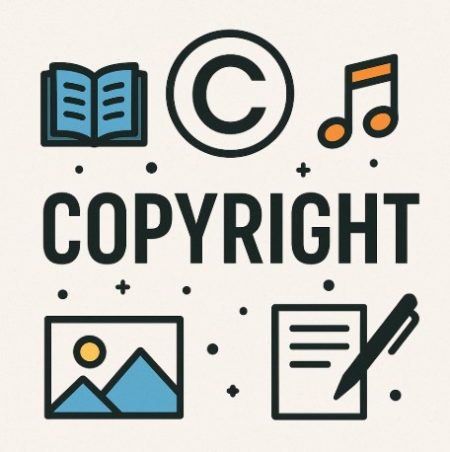
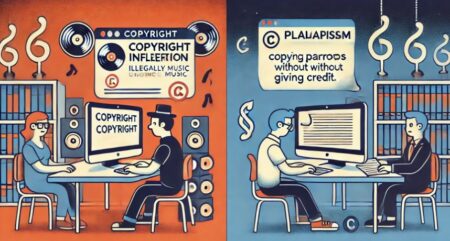
Intellectual Property Rights (IPR) in the context of libraries refers to the legal protections and ethical considerations surrounding the use, distribution, and preservation of creative and intellectual works that libraries manage. Libraries serve as custodians of knowledge and provide access to a wide range of resources such as books, journals, databases, multimedia, and digital content. Since much of this material is protected under copyright, patents, trademarks, or related rights, librarians must ensure that access and usage comply with national and international IPR laws. For example, when a student photocopies a chapter from a textbook, the library must ensure that it falls within “fair use” or “fair dealing” provisions, rather than allowing unrestricted copying of the entire book. Similarly, when a library subscribes to an e-database like Scopus or JSTOR, the license agreements define how users can access, download, or share materials, and librarians are responsible for ensuring these terms are followed.
In addition, IPR plays a vital role in digitization projects. For instance, when libraries digitize rare manuscripts or old newspapers, they must verify that these works are either in the public domain or obtain permission from rights holders before making them accessible online. Another example is the guidance librarians provide to researchers on plagiarism, citation practices, and copyright in academic publishing. By being knowledgeable about IPR, libraries can balance two essential responsibilities: safeguarding the rights of authors, publishers, and creators while promoting fair access to information for students, researchers, and the wider community. Thus, IPR in libraries is not just a legal concept but a guiding framework for ethical information management, academic integrity, and responsible knowledge dissemination.
Why Should Librarians Be Knowledgeable About Intellectual Property Rights (IPR)?
Libraries today are far more than just repositories of books; they are dynamic centers of knowledge access, preservation, and dissemination. With the rapid growth of digital content, subscription-based databases, and open-access publishing, librarians now operate in a complex landscape governed by Intellectual Property Rights (IPR). These rights, which include copyright, patents, trademarks, and licensing, regulate how information can be accessed, shared, and reused. For librarians, being knowledgeable about IPR is not only about following the law but also about upholding ethical practices, protecting institutional credibility, and ensuring equitable access to information.
One of the most important reasons librarians must understand IPR is to safeguard legal and ethical compliance. Libraries handle a wide variety of copyrighted materials, from textbooks and journals to multimedia resources and digital databases, each governed by specific usage terms. Misuse, whether intentional or accidental, can have serious consequences such as fines, revoked subscriptions, or even lawsuits. Cases of mass downloading from databases like JSTOR or Elsevier, which resulted in temporary institutional suspensions, illustrate how a lack of awareness can harm access for an entire academic community. By understanding IPR, librarians can establish clear usage policies, guide users, and prevent unintentional violations while maximizing access within legal limits.
Equally important is the role librarians play in promoting academic integrity. Higher education relies heavily on originality, proper attribution, and respect for intellectual property, and librarians are often the first to guide students and faculty in these areas. Their knowledge of IPR enables them to explain plagiarism, proper citation practices, and the limits of fair use in academic writing and publishing. For example, when students include copyrighted images or data in a thesis, librarians can advise whether permission is required or whether open-access alternatives might be more appropriate. They also organize training on citation management tools and plagiarism detection software, contributing directly to the culture of honesty and academic responsibility in their institutions.
Managing collections, both print and digital, is another area where IPR knowledge is essential. For print resources, librarians must set policies for photocopying, interlibrary loans, and course reserves that align with copyright laws. The challenges multiply in digital environments, where librarians oversee digitization projects, institutional repositories, and e-resource lending. Before digitizing manuscripts or rare collections, they must verify copyright status or obtain rights clearance, while ensuring that digital lending systems comply with licensing agreements. Without a strong grasp of IPR, these activities risk infringing on rights, undermining user trust, and jeopardizing institutional compliance.
The importance of IPR knowledge also extends to protecting institutional reputation. A single copyright violation, such as unauthorized reproduction of course materials or breach of licensing agreements, can damage a university’s credibility, attract legal penalties, and result in loss of access to critical resources. Librarians, through their expertise, act as guardians of institutional integrity by ensuring that all practices related to information access and dissemination are aligned with legal and ethical standards.
In research-driven institutions, librarians also support innovation by helping faculty and students navigate patent databases and intellectual property frameworks. Researchers often need to review existing patents to confirm the novelty of their ideas or avoid duplication, and librarians can guide them toward resources such as WIPO, Espacenet, or Google Patents. Their support in these areas highlights that librarians are not only providers of information but also partners in advancing knowledge and innovation.
Finally, the rise of the open-access movement makes IPR knowledge even more critical. Librarians play a central role in advising faculty about publishing rights, Creative Commons licenses, and depositing research outputs in institutional repositories. They explain how different licenses- such as CC-BY, which allows free reuse with attribution, or CC-BY-NC, which restricts commercial use- affect how works can be shared and reused. Librarians also guide faculty in applying fair use provisions to teaching materials, such as including limited excerpts in digital course packs. By doing so, they promote equitable access to knowledge while respecting the rights of authors and creators.
In summary, Intellectual Property Rights are not peripheral to the work of librarians but integral to their professional responsibilities. A thorough understanding of IPR allows librarians to safeguard compliance, uphold academic integrity, manage collections responsibly, protect institutional reputation, support research and innovation, and advocate for open access. By balancing the rights of creators with the needs of knowledge seekers, librarians reinforce their role as ethical custodians and enablers of knowledge in the modern academic and research environment.