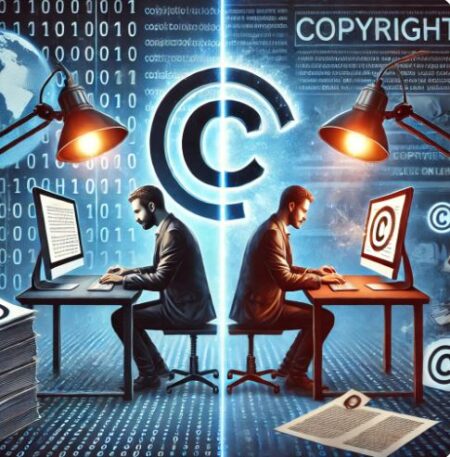
Intellectual Property Rights (IPR) refer to the legal rights granted to creators and owners of intellectual works, such as books, research papers, inventions, artistic creations, software, and other knowledge products. These rights, which include copyright, patents, trademarks, and related protections, are designed to safeguard the interests of creators by preventing unauthorized use or reproduction of their work. For libraries, IPR is particularly important because libraries serve as gateways to knowledge and information. While their mission is to provide open access to resources for education, research, and community development, they must do so within the boundaries of legal and ethical frameworks.
For instance, when libraries digitize rare manuscripts or archival collections, they need to ensure that copyright permissions are secured, especially if the materials are not yet in the public domain. Similarly, interlibrary loan services must respect copyright limits by sharing only permissible portions of a work (such as a single chapter of a book or one article from a journal issue), rather than entire copyrighted works. In the case of digital resources like e-books, journals, or databases, libraries operate under licensing agreements that clearly outline how users can access and use the material- for example, allowing reading and downloading for personal study but restricting mass copying or distribution. Even routine services, such as making course packs for students or uploading lecture notes with scanned book chapters to learning management systems, fall under IPR considerations and often rely on “fair use” or “fair dealing” provisions.
By adhering to IPR, libraries not only avoid legal risks but also uphold academic integrity and respect the contributions of authors and publishers. At the same time, they play a crucial role in educating faculty, students, and researchers about responsible use of information, such as preventing plagiarism, guiding on open access publishing, and helping authors understand copyright transfer when submitting to journals. In this way, libraries act as both protectors of intellectual property and advocates for balanced access, ensuring that knowledge can be shared widely without compromising the rights of creators.
How are Intellectual Property Rights (IPR) Relevant to Libraries?
Intellectual Property Rights (IPR) are legal protections that safeguard the creations of authors, inventors, researchers, and innovators, granting them control over how their works are used, reproduced, and distributed. For libraries, which serve as custodians of knowledge and facilitators of access, IPR is highly significant. Libraries aim to provide free and equitable access to information, but they must do so while respecting the legal and ethical rights of creators and publishers. This delicate balance makes IPR central to library operations and services.
Copyright is perhaps the most common form of IPR that libraries encounter in their daily activities. Every published book, journal article, thesis, and digital resource is automatically protected by copyright law. While libraries provide users with access to these resources, they cannot freely copy or distribute them. For example, a student may borrow a physical book, but the library cannot scan and upload the entire book online without permission. Instead, libraries rely on exceptions such as “fair use” or “fair dealing,” which allow limited copying for educational purposes, such as providing a single chapter for teaching. Respecting these rules ensures libraries remain compliant with the law while also promoting respect for intellectual works.
Digitization and preservation initiatives add another layer of complexity. Libraries are increasingly involved in digitizing rare or fragile collections to preserve them and make them accessible to wider audiences. However, copyright restrictions must be considered before digitization projects proceed. For example, a university library digitizing historical novels or newspapers must confirm whether they are in the public domain or still under copyright. If protected, permission must be obtained before making them available online. In this way, libraries strike a balance between preservation and legal compliance, ensuring that cultural heritage is safeguarded without infringing on creators’ rights.
The rise of electronic resources further highlights the role of IPR in libraries. Subscriptions to e-books, e-journals, and databases are governed by licensing agreements in addition to copyright laws. These agreements specify how resources may be used, such as limiting simultaneous users, restricting systematic downloads, or prohibiting redistribution. For example, access to databases like Scopus or JSTOR allows downloading articles for personal study but does not permit sharing them widely. Librarians must interpret these agreements, guide users, and ensure compliance. Failure to respect license terms can lead to penalties or even cancellation of subscriptions, underscoring how central IPR is to modern library management.
Interlibrary loan and resource-sharing services are also shaped by IPR considerations. Libraries often collaborate to provide users with access beyond their own collections, but copyright limits what can be shared. Typically, only portions of works, such as one article from a journal issue or a chapter from a book, may be exchanged legally. Sharing entire copyrighted books or large volumes of materials would constitute infringement. This ensures that while libraries support academic collaboration, they also uphold the rights of content creators and publishers.
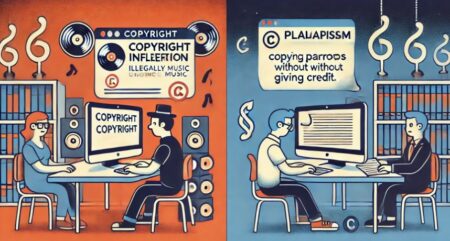
Beyond access, IPR is closely tied to libraries’ role in promoting academic integrity. By educating students and researchers about plagiarism, citation, and responsible use of information, libraries foster ethical scholarship. Tools such as Turnitin, often managed by libraries, detect plagiarism by comparing submissions against vast databases of published works. Librarians also provide training in referencing and citation, emphasizing the importance of acknowledging original authors. This not only protects intellectual property but also builds a culture of academic honesty within educational institutions.
The growing movement toward open access also demonstrates the interplay between libraries and IPR. Open access aims to make scholarly research freely available, but authors and institutions must still navigate copyright agreements. Many publishers allow pre-prints or post-prints to be shared in institutional repositories, even if the final published version remains under copyright. Libraries play a guiding role in helping researchers understand and exercise their rights, ensuring wider dissemination of knowledge while maintaining compliance with copyright. This role enhances libraries’ relevance in a changing publishing environment where access and openness are increasingly valued.
Emerging technologies like artificial intelligence, text-and-data mining, and machine learning present new IPR challenges. These methods rely on analyzing large datasets, often composed of copyrighted works. Questions arise about whether such uses fall under permissible exceptions or violate licensing agreements. For instance, researchers may wish to mine thousands of journal articles for patterns, but if the license prohibits such use, libraries must enforce restrictions. Similarly, the issue of ownership over AI-generated content adds further complexity. Libraries supporting advanced research must therefore remain informed about evolving IPR laws to help their users remain compliant.
In conclusion, Intellectual Property Rights are deeply embedded in the work of libraries, influencing nearly every aspect of their mission. From providing access to resources and managing digitization projects to negotiating licenses, facilitating interlibrary loans, promoting academic integrity, supporting open access, and navigating emerging digital challenges, IPR shapes the way libraries operate. By adhering to IPR, libraries avoid legal and ethical risks while reinforcing their role as trusted institutions that balance broad access to information with respect for the rights of creators. Ultimately, IPR strengthens libraries’ credibility, ensuring they continue to serve as responsible and forward-looking stewards of knowledge.
The Role of Libraries in Promoting Awareness of Intellectual Property Rights (IPR) Among Students and Researchers
Intellectual Property Rights (IPR) are fundamental in safeguarding the ownership and integrity of intellectual works, ranging from books and research articles to software, creative arts, and innovative ideas. In academic settings, students and researchers frequently use and produce intellectual content, making awareness of IPR essential to avoid plagiarism, misuse of resources, or infringement of copyright. Libraries, as central hubs of information, play a critical role in creating awareness about IPR by educating users, offering guidance on ethical use of information, and providing access to tools and resources that promote responsible scholarship.
- Educating Users on Copyright and Fair Use: One of the primary roles of libraries is to provide clear education on copyright laws and fair use provisions. Students and researchers often misunderstand the limits of copying, reproducing, or sharing intellectual materials. Libraries conduct orientation sessions, workshops, and seminars to explain what constitutes acceptable use. For example, they clarify when it is permissible to use a portion of a book for teaching purposes or how to appropriately reference online articles. By doing so, libraries empower users to make informed decisions about using intellectual content within legal frameworks.
- Supporting Academic Integrity and Plagiarism Prevention: Libraries play a crucial role in teaching academic integrity, a principle that is deeply connected with IPR. Through plagiarism prevention training, libraries make students and researchers aware of the importance of crediting original authors. Many academic libraries, such as those offering Turnitin or similar tools, provide platforms for detecting plagiarism and encourage responsible citation practices. By training users on citation styles like APA, MLA, or Chicago, libraries instill good academic habits and reduce the risk of unintentional IPR violations. This not only protects the reputation of individual scholars but also upholds the academic integrity of institutions.
- Guiding Researchers on Publishing and Author Rights: Beyond teaching about proper use of information, libraries also assist researchers in navigating their rights as authors. When submitting articles for publication, researchers often encounter copyright transfer agreements or open access publishing options. Librarians guide them in understanding whether they can retain certain rights, such as depositing pre-prints in institutional repositories, or in choosing open access platforms that maximize visibility without compromising ownership. By offering this guidance, libraries ensure that researchers are aware of how their intellectual property is protected and disseminated.
- Promoting Awareness of Open Access and Creative Commons: The open access movement has created new opportunities for sharing research freely, but it also requires an understanding of licensing and copyright. Libraries play an active role in promoting awareness of open access resources and Creative Commons licenses. For instance, librarians explain how authors can use Creative Commons licenses to share their work while retaining control over how it is used. By educating students and faculty about these alternatives, libraries not only expand access to knowledge but also encourage ethical and transparent scholarly communication.
- Facilitating Responsible Use of Digital Resources: Modern libraries manage a wide range of licensed digital resources, including e-journals, databases, and e-books. Students and researchers must be made aware of the usage rights defined in licensing agreements- such as restrictions on systematic downloading or redistributing content. Librarians communicate these terms clearly, often through user guides, LibGuides, and training sessions, ensuring that users respect IPR when accessing electronic resources. This guidance prevents misuse and helps maintain long-term access to valuable academic resources.
- Raising Awareness Through Workshops and Training: Libraries often organize dedicated workshops and training programs on intellectual property awareness. These may include sessions on copyright basics, plagiarism prevention, referencing skills, or research data management. Some libraries even collaborate with legal experts or intellectual property offices to provide in-depth sessions on patents, trademarks, and copyrights relevant to research. By integrating these into academic support services, libraries position themselves as educators and advocates for responsible knowledge use.
Libraries play a central role in promoting awareness of Intellectual Property Rights among students and researchers by serving as educators, advisors, and ethical guides in the academic community. They educate users on copyright and fair use, support plagiarism prevention, guide researchers in publishing decisions, promote open access and Creative Commons, and facilitate the responsible use of digital resources. Through workshops, orientations, and training programs, libraries not only protect the rights of creators but also empower users to engage in responsible and ethical scholarship. By raising awareness of IPR, libraries strengthen the academic integrity of institutions and contribute to a culture of respect for intellectual creativity and innovation.