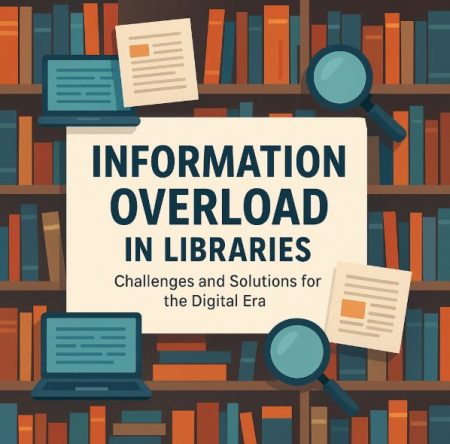
Information overload refers to the state in which an individual is exposed to an excessive amount of information, making it difficult to process and make decisions…
Information overload refers to the state in which an individual is exposed to an excessive amount of information, making it difficult to process and make decisions…

Information overload refers to the state in which an individual is exposed to more information than they can effectively process, manage, or use. In today’s digital…

Public opinion refers to the collective attitudes, beliefs, and opinions held by the general population on various issues, ranging from politics and social policies to cultural…

Information is the foundation of education and lifelong learning, playing a crucial role in acquiring, disseminating, and applying knowledge. In education, information serves as the primary…
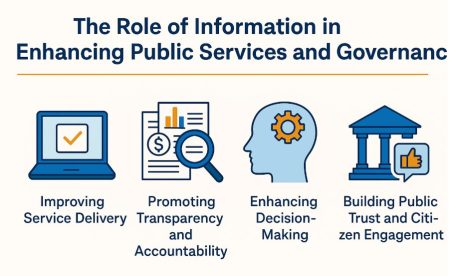
Information has become an essential resource for enhancing public services and governance. As societies become increasingly interconnected and data-driven, the ability of governments to manage, analyze,…
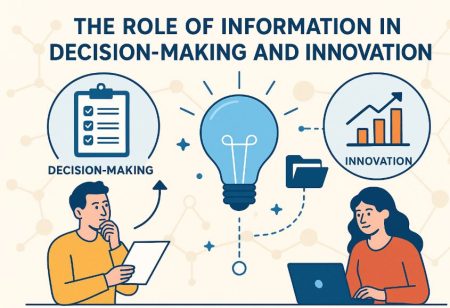
Information has emerged as a pivotal resource in contemporary society that shapes nearly every aspect of life. Whether in personal decision-making or within professional contexts, the…

Information is the lifeblood of modern society, permeating every aspect of our lives and shaping the way we interact with the world around us. It is…

Data plays a central role in research, generating insights, testing hypotheses, and drawing meaningful conclusions. The two main types of data used in research are primary…

Secondary data refers to data that has already been collected, processed, and made available by other researchers, organizations, or institutions for purposes other than the current…

Primary data refers to the original, firsthand data that is collected directly from a source or event for a specific research purpose. Unlike secondary data, which…