Information is the lifeblood of modern society, permeating every aspect of our lives and shaping the way we interact with the world around us. It is more than just a collection of facts or data; it is the foundation upon which decisions are made, actions are taken, and progress is achieved. Whether in the form of spoken words, written texts, digital content, or visual media, information enables individuals, organizations, and entire societies to function effectively. In our daily lives, information guides everything from the simplest decisions—like choosing what to eat or what route to take—to the most complex ones, such as policy-making, scientific research, and technological innovation.
Information is also a driving force behind societal advancement. It fosters innovation, fuels economic growth, and advances scientific discovery by providing the knowledge necessary to solve problems and explore new frontiers. Technological progress, for instance, has been propelled by the continuous flow of information, transforming industries, creating new opportunities, and fundamentally altering how we live, work, and communicate. The digital revolution has amplified the power of information, enabling real-time global communication, data analysis, and access to vast repositories of knowledge.
This article will delve into the nature of information, examining its various forms—from raw data to complex knowledge—and exploring how it shapes decision-making processes across diverse fields, such as business, healthcare, education, and government. It will also discuss the far-reaching impact of information in the digital age, addressing both the opportunities and challenges that arise as we continue to harness its potential to transform society. Through this exploration, we aim to highlight the indispensable role of information in the modern world and its critical importance in driving human progress.
Defining Information
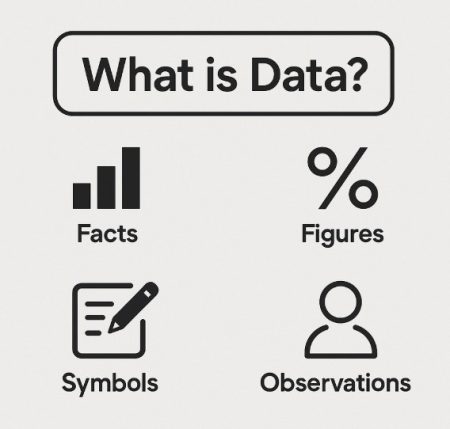
Information is a broad and multifaceted concept that can be understood in various ways depending on the context in which it is used. At its core, information refers to data that has been processed or organized in a manner that makes it meaningful and useful. Unlike raw data, which consists of unorganized facts and figures, information is structured to allow individuals to make sense of it, derive insights, and make informed decisions. It can be represented in many forms, including text, numbers, images, sounds, and even actions or behaviors, all of which carry meaning when interpreted within a specific context.
In the realm of communication, information is often viewed as a message or knowledge that is conveyed from one entity to another. This could be through spoken words, written documents, or digital media. In a more technical sense, information can also be thought of as a set of signals that encode or represent knowledge, which can be transmitted, processed, and stored. For instance, the information encoded in a DNA sequence carries genetic instructions essential for life, while the data flowing through the internet represents the exchange of knowledge and ideas across the globe.
Philosophically, information is sometimes distinguished from knowledge and data. Data is the raw material—the unprocessed facts—while information arises when data is interpreted and given context. Knowledge, on the other hand, is the understanding or wisdom derived from information, often accumulated over time and through experience. Thus, information can be seen as a stepping stone in the progression from raw data to actionable knowledge, which then guides decision-making and problem-solving.
The significance of information extends beyond its role as a tool for communication or analysis; it is also a fundamental driver of change and innovation in society. The advent of digital technology, for example, has transformed how information is created, shared, and consumed. With the ability to store and process vast amounts of data quickly, modern information systems have revolutionized industries, improved access to education, and fostered global connections. Today, information is one of the most valuable resources, shaping everything from business strategies to government policies and influencing how individuals navigate their daily lives.
The Essence of Information
The essence of information lies in its power to shape understanding, guide decisions, and catalyze change. Fundamentally, information is the processed and meaningful organization of data, making it useful and interpretable. Unlike raw data, which consists of unprocessed facts or numbers, information gives context and insight, allowing individuals and organizations to make informed decisions and take effective actions. It forms the foundation of knowledge, impacting everything from personal choices to global innovations. For example, a single piece of information, such as knowing the symptoms of a disease, can influence how an individual seeks medical help, demonstrating how information drives action.
One of the defining characteristics of information is its ability to influence behavior. It informs, persuades, and motivates. On a personal level, the information we encounter daily, whether through news articles, social media posts, or work emails, plays a significant role in shaping our thoughts, emotions, and decisions. For instance, a well-researched article on climate change can inspire an individual to adopt environmentally friendly practices. In the business world, information is indispensable for strategic decision-making. A company may rely on market data to launch a new product or adapt its marketing strategy, ensuring its actions are aligned with consumer needs and industry trends. In education, information is a key driver of learning and intellectual growth—students gather, analyze, and apply information to solve problems and advance in their fields. Research, too, is deeply rooted in information, as scientists rely on vast amounts of data to test hypotheses and push the boundaries of knowledge.
The adaptability of information is another vital aspect of its essence. It exists in many forms—written texts, numerical data, images, sounds, and even physical actions. This versatility allows information to be communicated through diverse channels, whether that’s through books, speeches, or digital platforms. For example, social media platforms convey information in a mix of text, images, and videos, making it accessible to a broad audience in real-time. The rise of digital technology has significantly amplified the role of information, enabling instantaneous access to global knowledge. Online databases, websites, and digital archives are just a few examples of how information is stored and shared with a vast audience, fostering connectivity and collaboration.
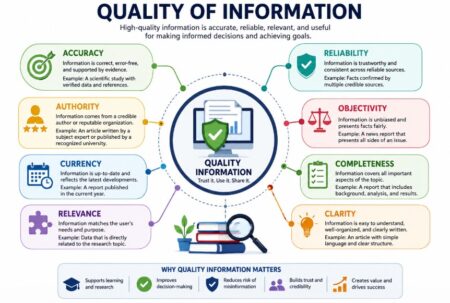
Information is essential in democratic societies, where it empowers citizens to make informed decisions. Access to reliable and timely information helps individuals participate in civic duties, like voting or engaging in public debates. For example, knowing the platforms of political candidates helps voters make choices aligned with their values. In a similar vein, information enables transparency and accountability in governance, as citizens use it to monitor government actions and hold officials responsible for their decisions. However, this power also brings ethical responsibility. In today’s digital age, misinformation and disinformation can spread rapidly, leading to confusion and manipulation. Therefore, ensuring that information is accurate, truthful, and ethical is crucial.
In essence, information is not merely a tool for communication; it is a driving force behind progress, innovation, and societal development. It empowers individuals, drives business growth, fosters scientific discovery, and strengthens democratic participation. Information’s role in shaping our lives will only increase as technology continues to evolve. For example, advancements in artificial intelligence and machine learning are revolutionizing how we process and utilize information, making it more accessible and actionable. Ultimately, understanding the essence of information—and its profound impact on all aspects of life—is essential for navigating the complexities of the modern world, where access to the right information can make all the difference in achieving success, solving problems, and improving lives.
The Role of Information in Society
The role of information in society is indispensable, as it underpins the very structure and functioning of our daily lives, economies, and governance. It is the cornerstone of human interaction, decision-making, and progress. On an individual level, information is crucial for making informed decisions in all aspects of life. For example, when deciding which car to purchase, a person might rely on information about the car’s safety features, fuel efficiency, and pricing, which helps them make a choice that aligns with their needs and preferences. In a professional context, individuals use information to excel in their careers, such as a doctor relying on the latest medical research to diagnose a patient accurately or a business leader analyzing market trends to steer a company toward growth.
On a larger scale, information plays a vital role in the functioning of organizations, institutions, and governments. For businesses, the timely and accurate use of information is key to maintaining a competitive advantage. Retail companies, for instance, use consumer data to track purchasing habits, predict demand, and tailor marketing strategies. Information also empowers organizations to innovate and improve their products and services. Tech companies like Apple rely heavily on information to develop cutting-edge products, as they continually gather feedback from users and incorporate the latest research into their design processes. In the public sector, information is the foundation upon which policies are created. Governments utilize demographic data, economic statistics, and public opinion surveys to craft policies that address societal needs, such as healthcare, education, and infrastructure development.
In education, information is a driving force behind learning and intellectual growth. Students rely on access to accurate and up-to-date information to understand complex subjects and develop critical thinking skills. For example, a student researching climate change might consult scientific journals, books, and online resources to form a comprehensive understanding of the topic. Teachers also rely on information to structure lessons, track student progress, and tailor their teaching methods. Moreover, the rapid growth of online learning platforms, such as Coursera and Khan Academy, has transformed education by making information more accessible to students worldwide, regardless of their geographical location.
Information also plays a crucial role in the media, where it informs and shapes public opinion. News outlets, for example, provide people with the information needed to understand world events, societal issues, and public policies. During elections, political candidates use information to share their platforms and persuade voters, while the media plays a key role in holding public figures accountable by providing factual reporting and investigative journalism. In democratic societies, the free flow of information ensures transparency, enabling citizens to make informed decisions, whether it’s voting or engaging in social issues. For example, the widespread availability of information about government policies on healthcare or education can influence public opinion and drive change.
However, the role of information in society is not without challenges. With the rise of digital technology and social media, misinformation and disinformation have become significant concerns. False or misleading information can spread rapidly, causing confusion, mistrust, and even social unrest. For instance, during the COVID-19 pandemic, misinformation about vaccines circulated widely on social media, leading to vaccine hesitancy and public health challenges. This highlights the need for reliable, accurate, and ethically sourced information to ensure that society can navigate the complexities of the modern world effectively.
The Impact of Information in the Digital Age
The digital age has profoundly transformed how information is created, shared, accessed, and consumed. This period, marked by rapid technological advancements in communication and computing, has revolutionized virtually every aspect of modern life. Information, once confined to physical books, documents, and personal interactions, is now globally accessible, instantly shareable, and often automated. The impact of this shift is far-reaching, influencing personal behaviors, business operations, governance, education, and even global affairs. While the digital age has created unprecedented opportunities for knowledge sharing and innovation, it has also introduced significant challenges, such as information overload, security concerns, and the rise of misinformation. This article explores the multifaceted impact of information in the digital age, examining its opportunities, challenges, and the changes it has ushered in across various domains.
- Unprecedented Access to Information: One of the most significant impacts of the digital age has been the democratization of information. Historically, access to knowledge was often limited by geography, socio-economic status, or physical resources. Libraries, universities, and other institutions were the primary sources of information, and accessing this knowledge often required time, effort, and physical presence. However, with the rise of the internet, information has become more accessible than ever before. Digital platforms, search engines, online databases, and educational resources are now available to anyone with an internet connection.
For example, platforms like Google Scholar, Coursera, and Khan Academy have made academic knowledge available to anyone interested in learning, regardless of their location or financial resources. Through these platforms, people can access courses, research papers, tutorials, and a vast array of other resources at the click of a button. This has had a profound impact on education, enabling individuals in remote or underdeveloped areas to gain knowledge and skills that were previously out of reach. Furthermore, the proliferation of open-access journals and digital libraries has made scientific research and scholarly work more readily available, fostering global collaboration and accelerating the pace of discovery. - Transformation of Communication and Social Interaction: The digital age has also transformed how information is communicated and shared. Social media platforms, blogs, and messaging apps have replaced traditional communication channels, enabling information to flow freely and rapidly globally. Social media sites like Facebook, Twitter, and Instagram have allowed individuals to share personal experiences, news, and opinions with a global audience. These platforms have revolutionized the way people connect with each other, creating virtual communities that transcend geographical boundaries.
Social media has played a crucial role in disseminating real-time information during major global events, such as political protests, natural disasters, or the COVID-19 pandemic. For instance, during the Arab Spring, social media became a key tool for organizing protests and spreading information about political unrest. Similarly, during the COVID-19 crisis, social media was pivotal in distributing information about health guidelines, vaccines, and government measures. The ability to instantly communicate with millions of people across the world has made social media an indispensable tool in crisis management, advocacy, and even business marketing. - Challenges of Information Overload and Digital Divide: While the abundance of information in the digital age has brought many benefits, it has also created new challenges, particularly in the form of information overload. With millions of new data points being generated every second, it has become increasingly difficult for individuals and organizations to process and make sense of all the available information. The overwhelming data flow from news outlets, social media, advertisements, and personal communication can lead to decision fatigue, confusion, and even stress. People are often left struggling to filter out the noise and identify the most relevant or trustworthy information.
Moreover, the digital divide—the gap between those who have access to digital technologies and those who do not—remains a significant challenge. Despite the widespread availability of information, not everyone has equal access to the internet, computers, or smartphones. This disparity is particularly evident in developing countries or rural areas, where infrastructure limitations hinder access to digital resources. The lack of equitable access to information perpetuates social and economic inequalities, as individuals without access to technology are often left behind in terms of education, employment, and civic engagement. - Rise of Misinformation and Disinformation: Another critical challenge of the digital age is the rise of misinformation and disinformation. The ease of sharing information online has made it possible for false or misleading content to spread rapidly. Social media platforms, in particular, have been criticized for allowing the viral spread of rumors, conspiracy theories, and fake news. Misinformation can have serious consequences, as seen during the COVID-19 pandemic, when false claims about the virus and vaccines circulated widely, contributing to public confusion and vaccine hesitancy.
The spread of disinformation is not limited to health-related issues. Political campaigns, elections, and social movements have also been targeted by the deliberate dissemination of false information. The 2016 U.S. presidential election, for example, was marked by the proliferation of fake news and the use of social media platforms to influence public opinion. This has raised concerns about the integrity of information and its potential to manipulate public sentiment, leading to a growing need for media literacy, fact-checking, and responsible content moderation. - Big Data, Artificial Intelligence, and the Business World: The digital age has also revolutionized business practices through the advent of big data and artificial intelligence (AI). Companies now have access to vast amounts of data, which they can analyze to gain insights into consumer behavior, market trends, and operational efficiencies. For instance, companies like Amazon and Netflix use data analytics and AI algorithms to recommend products or movies based on individual preferences. These technologies allow businesses to tailor their services, predict customer needs, and optimize their operations in ways that were previously unimaginable.
In healthcare, big data and AI are used to analyze patient information, develop personalized treatment plans, and predict disease outbreaks. Hospitals and medical research institutions leverage digital tools to process large datasets, enabling doctors and researchers to make better-informed decisions and improve patient outcomes. In finance, digital platforms use data analytics to detect fraudulent activities, assess credit risk, and manage investments, driving efficiency in the financial sector.
The impact of information in the digital age is both transformative and complex. On the one hand, the digital era has democratized access to knowledge, empowered individuals, and fostered global connectivity. On the other hand, it has brought about challenges related to information overload, digital inequality, and the spread of misinformation. As technology continues to advance, it is essential for society to develop strategies to manage, filter, and critically evaluate the vast amounts of information available. Digital literacy, ethical data management, and responsible information sharing will be key to ensuring that the benefits of information in the digital age outweigh its potential risks. Ultimately, as we navigate this new era, the ability to harness and utilize information effectively will remain a defining factor in shaping the future of individuals, businesses, and societies worldwide.