The First Step Can Be the Hardest
A first-time visitor walks into a library with an assignment to complete, a book to find, or simply a desire to explore. However, upon seeing the rows of shelves, unfamiliar signs, and busy service desks, they may pause and think, “I don’t know where to start.” They might be unsure how to search the catalogue, where to ask questions, or whether they need a library card to use the facilities. Approaching a librarian can feel intimidating, especially when everyone else seems to know what they are doing.
For library staff, searching for a book or locating a journal article is a familiar task. For a newcomer, each step can bring up more questions. A catalog record doesn’t necessarily explain how to find a book on the shelf, and a list of databases may not provide guidance on which one to use. When users hesitate, they often need a clear starting point and reassurance that asking for help is encouraged.
Supporting first-time library users starts with acknowledging their uncertainty. A friendly greeting, a patient conversation, and tailored guidance can make the library feel more approachable. Instead of overwhelming users with information about every service at once, librarians can assist them in taking one useful step at a time, helping to build their confidence. This article explores how thoughtful support can transform an uncertain first visit into an experience that encourages users to ask questions, discover resources, and return in the future.
Understanding the Uncertainty of First-Time Users
 Entering a library for the first time can evoke both curiosity and uncertainty. A visitor may know what they need—a textbook, information for an assignment, or a quiet place to study—but may have little idea of how to find it. The arrangement of shelves, unfamiliar terminology, and various service points can make even a simple task seem complicated. While knowing that a library contains useful resources is a good start, understanding how to access them requires guidance and practice.
Some uncertainties are practical, such as: “Can I borrow this book?” “What does this call number mean?” or “Can I access these articles from home?” Others relate to the expectations of the space, like whether talking is allowed, which seats are available, or whether computers require a login. Libraries vary widely, so experience in one library does not necessarily prepare someone to use another. Even confident readers or experienced students may need help navigating an unfamiliar library.
There can also be an emotional barrier to asking for assistance. A newcomer might worry that their question is too basic or that they will disrupt a busy librarian. If other users seem comfortable, they might assume they should already understand how everything works. This uneasiness, sometimes referred to as library anxiety, can leave someone struggling quietly when a brief conversation could help. However, uncertainty does not always manifest as distress; it might appear as hesitation, repeated browsing, or even leaving without finding what they need.
Understanding these experiences enables librarians to respond with patience and to avoid making assumptions about a visitor’s knowledge. Instead of expecting users to articulate their needs using library jargon, staff can invite them to describe what they are trying to achieve. A question like, “What are you looking for today?” can create an approachable starting point. Listening to the answer allows the librarian to offer relevant guidance and helps the user feel more comfortable asking further questions.
A Warm Welcome Before Any Instructions
Before a first-time user learns how to search the catalog or borrow a book, they need to feel comfortable asking someone for help. A welcoming first interaction can start with a simple greeting, attentive eye contact, and a calm tone. Saying, “Welcome! How can I help you today?” gives the visitor the opportunity to explain their purpose without expecting them to know the library’s services or procedures.
The way librarians respond is as important as the information they provide. If a user asks where to find a book, they may need a moment to explain an assignment or remember its title. Listening without interrupting, allowing time for questions, and explaining unfamiliar terms can make the conversation smoother. Phrases like “Let’s look for it together” or “I can show you how to get started” offer reassurance while providing the user with a clear next step.
A warm welcome should also extend to the library environment. A visible help desk, clear signage, and an entrance that indicates where assistance is available can reduce uncertainty. Staff should remain approachable while respecting visitors who prefer to explore on their own. A brief offer, such as “If you need any help, I’m right here,” lets users know that support is available without pressuring them to accept it.
While rules and procedures are necessary, newcomers can absorb them more easily when explained at the relevant moment. For instance, someone looking for a study space may first need help finding a suitable area; the borrowing requirements can wait until they want to take a book home. Beginning with the person’s immediate need keeps the interaction manageable. The goal is to help visitors feel welcome enough to ask questions, listen, and take their first step.
Start with One Question: “What Would You Like to Do Today?”
 First-time library users may find it challenging to express what they need, especially if they are unfamiliar with the available services. Asking, “What would you like to do today?” provides them with a clear starting point. They don’t need to know whether their question belongs at the reference desk or which database covers their subject; they can simply describe their goal in their own words: “I need a book for my course,” “I’m looking for articles for an assignment,” or “I just want a quiet place to study.”
This initial response helps the librarian determine where to begin. A visitor looking for a specific book might benefit from a guided catalog search, while someone working on an assignment may need assistance in choosing search terms first. A person seeking a study space may only require directions and a brief explanation of the different seating areas. Addressing the user’s immediate purpose makes the guidance relevant and gives them something useful to accomplish during their visit.
Sometimes, a user might respond with a broader request, such as “I need information about climate change.” A gentle follow-up question, like “Is this for a class assignment?” or “Which aspect are you interested in?” can help clarify their request. These questions should feel conversational, allowing the user enough time to explain. Listening attentively and confirming their needs—such as “So, you’re looking for introductory sources for your presentation”—helps both the librarian and the user work toward the same goal.
Once the purpose is clear, the librarian can suggest a manageable next step: “Let’s try the catalog together” or “I’ll show you a useful starting point for searching for articles.” Completing one task provides newcomers with a practical introduction to the library. Further services can be introduced as questions arise, allowing users to learn at a pace that suits their needs.
Making the Library Easier to Navigate
Once a first-time user knows what they want to accomplish, the next challenge is figuring out where to start. While library staff may be familiar with the layout, newcomers can struggle to differentiate between the borrowing desk and the information desk, or to locate books, computers, and study areas. Clear directions help users navigate the library with more confidence, allowing them to focus on the purpose of their visit.
Effective navigation begins with signs that address common questions. Labels such as “Borrow and Return Books,” “Ask for Help,” and “Quiet Study Area” make the functions of each space easy to understand. When traditional terms like “circulation” or “reference” are used, a brief explanation can provide clarity. Signs should be easy to read, placed where users need to make decisions, and consistent across all floors. A simple map near the entrance can also display key amenities, including elevators, accessible routes, restrooms, and service desks.
Verbal directions are most effective when they include recognizable landmarks. For instance, saying “The books are upstairs” may leave a visitor confused about where to go next. Instead, saying “Take the lift to the second floor, then turn left toward the shelves marked Social Sciences” offers a clearer route. If someone still appears unsure, accompanying them can be helpful. Walking together provides an opportunity to explain shelf labels and demonstrate how a call number connects a catalog record to the book’s location.
A brief orientation can introduce the areas most relevant to the visitor without providing a comprehensive tour of every facility. For someone searching for a textbook, it may be sufficient to guide them to the catalog terminal, the appropriate shelves, and the borrowing desk. Offering a small printed map or an accessible online guide gives them something to refer to later. Asking, “Are the directions clear?” allows them to request additional assistance, while paying attention to recurring questions can highlight areas where the library’s signs or layout may need improvement.
Helping Users Find Their First Book or Resource
 Finding a first book or useful resource provides newcomers with a concrete introduction to how the library works. The process begins with what the user already knows; they may have a specific title, an author’s name, a reading list, or just a general subject in mind. A librarian can help transform that information into a search, explaining each step in simple language and allowing the user time to follow along.
For example, a student looking for an introductory book on environmental science might start by entering those words into the library catalog. The librarian can then show how to review the results, open a promising record, and check the book’s location and availability. This is also an ideal moment to explain that a call number is the code used to locate a book on the shelves. Connecting these details to the student’s search makes them easier to understand and remember.
The next step involves moving from the catalog to the actual resource. Accompanying the user to the relevant shelves can help them recognize the shelf labels and follow the sequence of call numbers. Once they find the book, examining its contents page or index can help them determine whether it meets their needs. If the item is already checked out or cannot be located, the librarian can explain the available options, such as finding another edition, selecting a related title, or placing a reservation if that service is offered.
For online resources, the same approach applies: demonstrate how to access it, explain any sign-in requirements, and assist the user in opening the full text. Before concluding the interaction, invite them to try a similar search themselves. If they wish to borrow a printed book, explain the relevant borrowing and return procedures at that moment. Completing the process together enables the user to leave not only with a useful resource but also with a clearer understanding of how to find the next one.
Introducing Digital Resources Without Overwhelming Users
A library’s digital resources offer valuable opportunities for learning, but the initial experience can often feel overwhelming. A newcomer visiting the library website may encounter links to the catalog, e-books, journals, databases, and an institutional repository without knowing which to choose. Gradually introducing these services in relation to the user’s immediate task can provide a clearer starting point.
For a student who needs an article for an assignment, the librarian can begin by introducing a relevant search tool or database. A brief explanation—such as, “This is a place to search for published articles on your subject”—clarifies its purpose before diving into the details. The demonstration can follow a simple sequence: enter keywords, review the results, open a suitable record, and locate the full text. Filters and advanced search options can be introduced when they specifically address a problem.
Accessing resources deserves particular attention because finding a resource does not always mean that it can be opened immediately. Users may encounter institutional sign-in pages, abstracts without the full article, or restrictions on downloading. Librarians can explain what is happening and guide users through the appropriate next steps, including how to access subscribed resources from off-campus when available. It is also important to ascertain whether the user is working on a phone, a personal laptop, or a library computer, as the guidance should be tailored to the device they will actually be using.
Throughout the introduction, users should have opportunities to try the steps themselves. Encouraging them to search for another term or open a second article can reveal areas where further explanation is needed. A short guide with the starting link, essential access instructions, and contact details can provide support after the conversation concludes. The goal is to help users complete one useful task and feel confident enough to explore further as their needs evolve.
Creating a Space Where Every Question Is Welcome
First-time library users should know that they can ask questions without feeling embarrassed. Questions like “How do I borrow a book?” or “Where should I search for information?” may seem routine to librarians, but answering them can significantly help someone navigating an unfamiliar space. Treating each inquiry with attention and respect helps users feel comfortable seeking assistance, even when they struggle to clearly explain their needs.
This sense of welcome develops through everyday interactions. Allowing someone to finish speaking, patiently explaining a process, and kindly responding to repeated questions all matter. If a user says, “This may be a silly question,” a simple response like “Please ask—we’re here to help” can ease the conversation. Librarians should also allow room for clarification. Instead of assuming a nod indicates understanding, they can ask, “Which part would you like me to explain further?” and offer another explanation without making the user feel at fault.
Users come with varying language skills, abilities, and confidence levels with technology. Some may prefer spoken guidance, while others find written instructions or a practical demonstration easier to follow. Asking, “Would you like me to show you or write down the steps?” gives the person a choice. Speaking clearly, avoiding unnecessary jargon, and providing accessible guidance help more people participate. Additionally, when a question involves a personal or sensitive matter, offering a quieter place to talk can make it easier for them to ask for help.
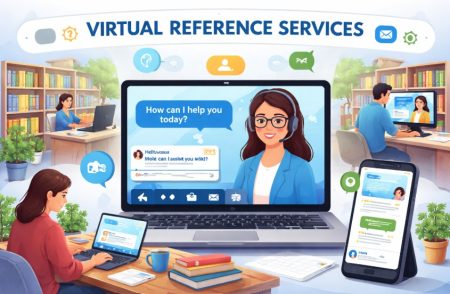
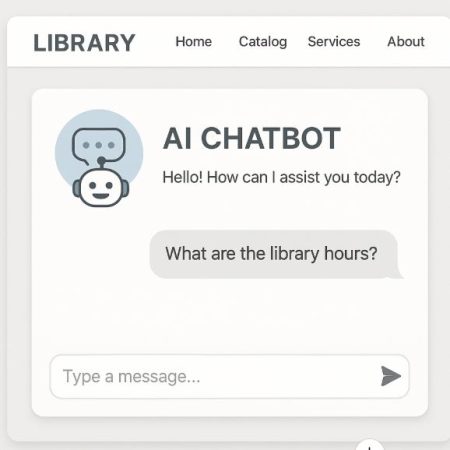
A welcoming library provides users with several ways to seek assistance, such as an information desk, email, or an online enquiry service where available. Clear signs and contact details make these options visible. Staff may sometimes need to refer a question to a colleague or explain a service limitation, but they can still help users understand what to do next. Each respectful response reinforces the message that asking questions is welcome in the library and that seeking assistance is a valuable part of learning.
From Guided Help to Independent Exploration
Guided assistance provides first-time users with a starting point, but their confidence grows when they have opportunities to take the next steps on their own. After a librarian demonstrates how to search a catalog or helps someone locate a book, they can invite the user to attempt a similar task. This could involve searching for another title, finding a nearby call number, or accessing a second journal article. Practicing with nearby support allows users to ask questions as they arise, helping them become more familiar with the process.
The transition should occur at the user’s pace. Some visitors may feel ready to explore after a brief demonstration, while others may need more time or repeated guidance. By asking, “Would you like to try the next search yourself?” the librarian offers a choice without making the interaction feel like a test. If difficulties arise, the librarian can assist the user in overcoming them—for example, by suggesting different keywords if a search yields no useful results. This approach illustrates that adjusting one’s search strategy is a normal part of finding information.
Providing a simple takeaway guide can help users repeat the task later. This guide might include the catalog address, a few essential search steps, a reminder to note the book’s location and call number, and information about where to seek assistance. It should be concise enough to refer to while conducting an actual search. Before concluding the conversation, the librarian can help the user identify a useful next action, such as browsing related books or exploring another resource relevant to their assignment.
Independent exploration still involves knowing when and where to ask for help. A user who can complete a familiar task, recognize a difficulty, and seek further guidance is developing valuable library skills. Ending with, “You’re welcome to come back if you get stuck,” keeps support readily available. Over time, these small experiences can help newcomers approach the library with greater confidence and a clearer understanding of what they can discover.
Conclusion: A Successful First Visit Begins with Feeling Welcome
A successful first visit to the library can be as simple as finding one useful book, locating a suitable study space, or learning where to ask for assistance. For someone who arrived feeling overwhelmed and unsure, these small achievements provide a reason to return. A warm greeting, clear directions, and patient guidance can make an unfamiliar place feel more navigable.
Librarians play a crucial role in this process by listening to each visitor’s needs and suggesting manageable next steps. By gradually introducing services, explaining unfamiliar terms, and allowing users to practice, librarians can help build confidence over time. Equally important is the reassurance that questions are always welcome, whether someone needs an initial explanation or help recalling a process they have forgotten.
When visitors leave, they should have a better understanding of how the library can assist them and know where to go with future questions. Although there will still be much to learn, they now have a solid starting point. Making that first step comfortable and productive lays the groundwork for future visits, ongoing discovery, and increased independence.