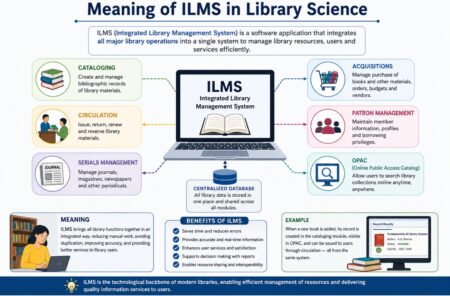
Resistance to change in the library profession is a complex phenomenon that can significantly impact the way libraries evolve and adapt to new challenges. Libraries, traditionally seen as bastions of knowledge preservation and access, often face resistance when it comes to adopting innovations, technological advancements, or shifts in organizational structures. For example, the introduction of digital library systems, such as integrated library management systems (ILS), has often faced pushback from staff accustomed to traditional card catalogues or manual processes. This resistance can manifest in various ways, including reluctance from library staff to embrace new technologies, skepticism about changing long-standing practices, or reluctance to shift towards user-centric models of service delivery. A notable example is the resistance to adopting e-books or digital resources in some libraries, where staff and users prefer physical books despite the growing demand for digital content in modern education.
Factors such as fear of the unknown, concerns over job security, and a deep-rooted commitment to traditional values often contribute to this resistance. For instance, librarians who have spent their careers working with print collections may feel uncertain about how digital tools or automation could affect their roles or job functions. Additionally, the perceived loss of control over the library’s collection management due to automated cataloguing and classification systems can create apprehension among staff. Resistance may also arise from a perceived lack of adequate training or support for staff in implementing changes. In the case of implementing new software for online public access catalogues (OPAC), library staff may struggle with the technical demands of learning and maintaining the system without sufficient training.
However, while resistance to change is natural, especially in professions with rich histories like libraries, it poses significant challenges to progress. Overcoming this resistance requires thoughtful leadership, clear communication, and strategic efforts to involve staff in the change process. For example, when introducing RFID-based self-checkout systems, libraries have often engaged staff early in the process, allowing them to understand the benefits and work through potential issues collaboratively. The ability to effectively manage and address resistance is essential for libraries to remain relevant in an increasingly digital and user-driven environment, ensuring they can continue to meet the needs of their communities. By providing support, clear expectations, and ongoing training, libraries can foster a culture of adaptability and continuous learning, allowing them to maintain their role as essential educational and informational resources.
What is “Resistance to Change” in the Library Profession?
“Resistance to change” in the library profession refers to the reluctance or opposition that library staff, administrators, or even patrons exhibit when confronted with new practices, technologies, or shifts in the operational model of libraries. Libraries, as institutions that have long upheld traditional methods of information management and service delivery, often encounter resistance when these established practices are challenged by modern innovations. This resistance can take various forms, including hesitation to adopt digital tools like automated cataloguing systems, reluctance to shift from print to digital resources, or resistance to new service models such as virtual reference desks. The underlying causes of this resistance are multifaceted, including fear of the unknown, concerns about job security, or a deep-rooted commitment to long-standing professional values and practices.
For example, when libraries implement new technologies, such as RFID (Radio Frequency Identification) systems for self-checkout or shift to cloud-based library management systems, staff may resist these changes due to unfamiliarity or discomfort with the new systems. There can also be emotional attachments to traditional ways of working, particularly among library professionals who have spent their careers in print-based environments and may perceive technological change as a threat to their role or the library’s identity. Additionally, resistance can arise from the perceived inadequacy of training or support during transitions, leaving staff feeling unprepared for the changes ahead. Despite being a natural reaction to change, resistance can hinder libraries’ ability to evolve in a rapidly changing information landscape. Therefore, understanding the root causes of resistance and implementing effective strategies to manage it is crucial for libraries aiming to stay relevant and continue meeting the needs of their communities in an increasingly digital world.
The Nature of Resistance to Change in Libraries
Resistance to change is a common phenomenon in many professions, and the library sector is no exception. As libraries evolve to meet the needs of an increasingly digital and diverse world, they are often confronted with opposition to change from various quarters. This resistance can come from library staff, administrators, or even library users who are comfortable with existing practices and skeptical of new approaches. The nature of resistance in libraries is multifaceted, deeply rooted in both individual and organizational factors, and has the potential to significantly impact the ability of libraries to innovate and adapt.
- Resistance Among Library Staff: One of the most significant sources of resistance to change in libraries is the library staff themselves. Librarians and support staff who have been trained and have worked within traditional systems and practices may be reluctant to adopt new technologies or methods that they perceive as complex, unnecessary, or potentially harmful to their roles. For instance, the shift from physical card catalogues to automated systems, and more recently to cloud-based cataloguing software, has often been met with hesitation. Many librarians who have spent years mastering traditional cataloguing systems may feel overwhelmed by the rapid changes in library technologies, leading to reluctance to embrace new systems.
This resistance is compounded by concerns about job security. As libraries increasingly incorporate automation, such as RFID systems for self-checkout or automated circulation, there is fear among staff that their positions could be made redundant or that their role will be diminished. This concern is particularly prevalent in positions that are closely tied to manual operations, such as cataloguing or checking out books, where automation could potentially replace some human functions. - Resistance to Digital Resources and Services: Another area where resistance is evident is the transition from physical to digital resources. Libraries have traditionally been home to physical books, journals, and other printed materials, and many patrons, as well as library staff, have strong attachments to these resources. The increasing shift toward digital collections, e-books, and online databases presents a challenge to those who see traditional print materials as irreplaceable. Some librarians and users may resist the idea that digital formats could ever match the tangible and sensory experience of holding a physical book.
This resistance can also stem from concerns over the accessibility and sustainability of digital resources. Patrons in communities with limited access to technology may struggle to engage with e-books or online resources, which can create a barrier to equal access. Additionally, there are often concerns about the long-term viability of digital preservation and the potential for digital obsolescence, particularly when digital formats change or proprietary systems become obsolete. - Organizational Resistance to Change: Beyond individual staff and users, libraries as organizations can also resist change. Institutional inertia, the tendency for organizations to maintain the status quo, can be a significant barrier to adopting new technologies or services. Libraries often have deeply ingrained cultures, with long-standing policies and procedures that staff and users are comfortable with. Change can be perceived as disruptive to these well-established routines, leading to reluctance from leadership to implement new systems or strategies.
Financial constraints and limited resources can further exacerbate resistance. Libraries, particularly public and academic libraries, often face budgetary pressures that make it difficult to invest in new technologies or expand services. In such environments, leadership may be hesitant to push for change without clear evidence of cost-effectiveness or tangible benefits. This financial resistance may also manifest in the reluctance to invest in staff training or development programs that would enable staff to navigate new systems confidently. - External Factors Contributing to Resistance: External factors, such as community expectations and technological advancements, also play a significant role in shaping resistance to change in libraries. Users, for example, may resist digital resources if they feel more comfortable with traditional print materials. Particularly in communities where libraries have long been seen as centres of printed knowledge, there can be a sense of loss or disconnect when new, unfamiliar technologies replace traditional services. Some users may also feel alienated by digital platforms, especially if they do not have access to the internet or computers, which further intensifies resistance.
Technological advancements themselves, while offering opportunities for growth, can also contribute to resistance. Libraries may struggle to keep up with the rapid pace of technological change, leading to resistance when new innovations, such as artificial intelligence (AI) in cataloguing, machine learning for personalized services, or virtual reality for user engagement, are introduced. For library staff and users who are not familiar with these technologies, they can seem intimidating or unnecessary, fueling opposition. - Psychological and Emotional Factors: Resistance to change is often driven by psychological and emotional factors. People tend to resist change when they feel a lack of control over the situation or when they believe that the change is imposed on them rather than being a collaborative process. In libraries, this can manifest in frustrations among staff who feel that change is being dictated by upper management without their input or consideration. Additionally, change can invoke feelings of inadequacy or fear of failure, particularly if individuals are expected to quickly master new skills or technologies.
The emotional attachment to the “way things have always been done” is another psychological factor at play. Many library professionals see themselves as stewards of knowledge and guardians of tradition, which can create a strong sense of identity tied to conventional practices. This emotional connection to the past makes it harder for some to envision the benefits of modernizing the profession, contributing to a resistant attitude toward change.
Resistance to change in the library profession is a multifaceted issue shaped by both individual and institutional factors. Library staff may resist new technologies and digital resources out of fear of obsolescence or simply due to attachment to traditional practices. At the organizational level, resistance often stems from concerns about disruption, resource limitations, and institutional inertia. External factors, such as user preferences and rapid technological advancements, also contribute to resistance, as do psychological factors like fear of the unknown and emotional attachment to established routines.
Successfully overcoming resistance requires a combination of strong leadership, transparent communication, and careful planning. By involving staff in the change process, providing ample training, and emphasizing the long-term benefits of innovation, libraries can minimize resistance and ensure that they remain relevant in an increasingly digital world. It is essential that libraries embrace change as a tool for growth rather than viewing it as a threat, positioning themselves to better serve their communities in the future.
Resistance to Change in the Library Profession: A Complex Phenomenon Impacting Evolution and Adaptation
Resistance to change in the library profession is a complex and multifaceted phenomenon that can significantly hinder libraries’ ability to evolve and adapt to new challenges. Libraries, historically grounded in tradition, have long relied on established practices for cataloguing, managing resources, and serving their communities. However, as technology advances and user expectations evolve, libraries face increasing pressure to embrace new practices, such as digital resources, automation, and virtual services. Despite the clear benefits of these changes, resistance often arises, rooted in various factors including fear of the unknown, attachment to tradition, and concerns about job security. Library professionals, many of whom have built careers around traditional methods, may be reluctant to adopt new technologies or change long-standing workflows, fearing that these changes will disrupt their roles or undermine the profession’s core values. Furthermore, the introduction of automation and digital tools can raise concerns about job displacement, leading to anxiety among staff about their future positions. Resistance is also exacerbated by a lack of adequate training and support. Without proper resources to help staff navigate new technologies, library professionals may feel unprepared or overwhelmed, deepening their reluctance to embrace change. Additionally, the financial constraints many libraries face can further stifle innovation, as budget limitations may prevent the acquisition of necessary tools or the investment in staff development. Another significant concern is the issue of equity and access—digital resources may inadvertently exclude some library users, particularly those without reliable internet access or digital literacy skills. Resistance to change can also stem from cultural inertia within the institution itself, where established organizational norms and values make it difficult to break away from traditional methods. This reluctance to change can have serious consequences, as it can prevent libraries from effectively serving modern, tech-savvy users and limit their ability to remain relevant in an increasingly digital world. However, overcoming this resistance is crucial for libraries to thrive in today’s fast-evolving information landscape. Strategies such as strong leadership, transparent communication, involving staff in the change process, providing targeted training, and implementing gradual changes can help reduce resistance and foster a culture of adaptability. By addressing these challenges, libraries can successfully navigate change and continue to fulfil their vital role in education, information access, and community engagement.
Common Forms of Resistance to Change Encountered by Libraries
Resistance to change is a common phenomenon in many fields, and the library profession is no exception. Libraries, traditionally seen as institutions that uphold established practices for managing information and serving communities, are now facing significant challenges in adapting to the digital age. As libraries strive to modernize, incorporate new technologies, rethink service models, and respond to shifting user expectations, they encounter various forms of resistance. This resistance can hinder progress and prevent libraries from fully embracing the innovations necessary for staying relevant in a rapidly evolving information landscape. The most common forms of resistance to change encountered by libraries include emotional resistance, reluctance to adopt new technologies, job security concerns, attachment to traditional practices, and structural and cultural inertia.
- Emotional Resistance: Emotional resistance is one of the most prominent forms of opposition in libraries. It stems from the psychological discomfort of change. Library staff who have worked within established systems and methods for years may feel a sense of attachment to those practices. The idea of moving away from familiar tools or processes can evoke feelings of anxiety, uncertainty, or fear. For example, the transition from manual cataloguing to an automated library management system may lead to resistance among staff who are used to traditional cataloguing methods. This emotional resistance is often rooted in the fear of the unknown, as employees may worry about their ability to adapt to new technologies or processes.
- Reluctance to Adopt New Technologies: One of the most significant and visible forms of resistance in libraries is the reluctance to adopt new technologies. Libraries, historically grounded in print-based systems, often face pushback when it comes to embracing digital solutions. Whether it’s implementing integrated library systems (ILS), adopting RFID systems for self-checkout, or transitioning to digital collections, staff may resist these changes due to concerns over the complexity of the technology or a lack of confidence in its effectiveness. For example, libraries may face resistance when introducing digital archiving tools or online databases, especially when staff members are comfortable with traditional methods of resource management. This reluctance is sometimes driven by the perception that new technologies are unnecessary or disruptive to the established workflow.
- Job Security Concerns: Concerns about job security are another prominent form of resistance to change. The introduction of automation or the shift to digital systems may lead to fears that certain library roles could be reduced, eliminated, or made redundant. For example, the implementation of self-checkout systems using RFID technology may raise concerns among staff who perform manual checkout procedures, potentially threatening their positions. Even though such innovations often aim to streamline operations and free up staff to focus on more complex tasks, the fear of job loss or job redesign can cause significant resistance to change. Similarly, the move to digital resources can prompt staff to worry about the decreasing need for positions tied to the management of physical collections.
- Attachment to Traditional Practices: The library profession has a strong tradition of preserving print materials, organizing physical collections, and providing face-to-face services. As libraries evolve in response to technological advancements and changing user needs, staff often show resistance due to a deep attachment to these traditional practices. Many librarians view their work as a commitment to the preservation of physical resources and a personal connection with users, which can make changes feel like a threat to the library’s identity. For instance, the shift from print-based collections to digital resources may be seen as undermining the library’s role as a curator of physical knowledge. This attachment to tradition can make it difficult for libraries to embrace digitalization fully, even when digital resources could improve access and efficiency.
- Lack of Adequate Training and Support: Resistance to change in libraries can also arise when staff feel they lack the necessary training or support to implement new systems or technologies. When new technologies or practices are introduced without sufficient preparation, staff may feel overwhelmed, unprepared, or unwilling to adapt. For instance, if a library introduces a new digital platform for managing e-books but does not provide adequate training on how to use the system, staff may resist its use due to a lack of familiarity and confidence in navigating the tool. A lack of proper training and support can make the change feel more daunting, exacerbating resistance and potentially leading to a failure to adopt the new system effectively.
- Resource Limitations: Another form of resistance in libraries is related to resource limitations. Libraries, particularly those in resource-constrained environments, may resist change due to financial and logistical challenges. Introducing new technologies, training staff, or upgrading infrastructure can be costly, and libraries may be reluctant to allocate scarce resources to initiatives that don’t seem immediately necessary. For example, libraries operating on tight budgets may resist the adoption of cloud-based management systems because of concerns over ongoing subscription fees, maintenance costs, and the need for technical support. Without the financial resources to implement change, libraries may resist adopting innovations even when they could improve efficiency or enhance services for users.
- Cultural Resistance: Cultural resistance arises when there is a deep-rooted institutional culture that values stability and tradition over innovation. In many libraries, particularly those with a long history, staff may be resistant to changes that disrupt the established organizational culture. Libraries with a conservative approach to innovation may experience difficulty when trying to implement changes that challenge the status quo. This cultural inertia can manifest as passive resistance, where staff may not actively oppose change but subtly undermine it by continuing to work within traditional systems or by not fully engaging with new initiatives. Overcoming cultural resistance requires not only the introduction of new technologies and systems but also a shift in the library’s organizational culture, where change is viewed as an opportunity for growth rather than a threat to tradition.
- Fear of Losing Professional Autonomy: Many librarians and library staff value their professional autonomy and the ability to make decisions based on their expertise. Changes that introduce standardized systems or automation can be perceived as threats to their ability to exercise professional judgment. For instance, automated cataloguing systems or artificial intelligence tools may limit the discretion of library staff in determining how resources are organized or accessed. The perception that technology could reduce their professional input or control over library operations may lead to resistance, particularly among staff who have developed a strong sense of ownership over their work processes.
- User Resistance: Resistance to change is not limited to library staff; users may also resist shifts in how library services are delivered. For example, patrons may resist the transition from physical books to e-books, particularly if they are accustomed to the tactile experience of reading print materials. Similarly, the introduction of online reference services may meet resistance from patrons who prefer face-to-face interactions with librarians. Users who lack access to technology or digital literacy skills may also resist changes that shift services online, creating barriers to equitable access. Libraries must balance technological innovation with efforts to ensure all users are included and comfortable with new services, which can require additional support and outreach.
- Structural and Organizational Resistance: Resistance can also arise from within the organizational structure itself. Libraries that are hierarchical in nature, where decisions are made at the top levels and communicated downwards, may face challenges when trying to implement changes. If lower-level staff feel excluded from the decision-making process or are not adequately informed about the reasons for change, they may resist new initiatives. Additionally, organizational silos—where departments work independently without collaborating—can also hinder the implementation of changes. For example, a library may struggle to integrate new technologies across departments if communication and cooperation between those departments are lacking.
Resistance to change in libraries is a complex and multifaceted issue that arises from various sources, including emotional resistance, reluctance to adopt new technologies, job security concerns, attachment to tradition, lack of training, and resource limitations. Overcoming these forms of resistance requires libraries to engage with staff, users, and stakeholders in a thoughtful and inclusive way. Effective leadership, clear communication, comprehensive training, and addressing concerns related to resources and job security can help libraries successfully navigate the challenges of change. By fostering a culture of adaptability and providing the necessary support, libraries can overcome resistance and continue to evolve in response to the ever-changing needs of their communities.
How Resistance to Change Manifests Among Library Staff and Management
Resistance to change in libraries is a multifaceted issue that manifests in various ways among both staff and management. Library staff, especially those who have worked with traditional practices for years, often express resistance through emotional reactions, such as fear, anxiety, and stress. These emotional responses are commonly triggered by the uncertainty and unfamiliarity of new technologies or processes. For instance, when libraries introduce automated cataloging systems or digital resources, staff who are accustomed to manual methods may feel overwhelmed or uncertain about their ability to adapt. This fear of failure or inadequacy can lead to reluctance to engage with the new systems. In addition to emotional resistance, many library staff exhibit reluctance to adopt new technologies, especially when they are unfamiliar or seem unnecessary. Libraries often rely on well-established, traditional methods for managing collections and serving patrons, and some staff may resist changes such as RFID-based checkouts or cloud-based library management systems because they perceive these innovations as disruptive or too complex.
Another significant factor contributing to resistance among staff is their attachment to traditional practices. Many librarians view their work as being deeply tied to preserving physical collections, offering personalized services, and maintaining the integrity of long-standing workflows. When libraries shift towards digital resources or automated services, staff may feel that these changes challenge the profession’s core values and their professional identity. Resistance can also stem from concerns about job security, particularly when automation is introduced. Library staff may worry that new systems designed to increase efficiency—such as automated checkouts or AI-driven cataloguing, could lead to reduced job responsibilities or even job loss. The fear that these innovations might render certain positions redundant can fuel resistance, even if these changes are intended to enhance library services and improve efficiency.
At the management level, resistance often arises from concerns about the disruption of established structures within the library. Many libraries have well-established systems and organizational practices that have been in place for years, and management may hesitate to implement changes that could disrupt these systems. The fear of causing operational inefficiencies or confusion during the transition can lead management to delay or resist adopting new technologies or methods. Additionally, financial and resource concerns play a key role in management resistance. Libraries often operate under budget constraints, and the costs associated with new technologies, training programs, and system upgrades can seem prohibitive. Management may resist change if the potential return on investment (ROI) is unclear or if the changes appear too costly or unnecessary in the short term.
Uncertainty about the effectiveness of change is another factor that contributes to resistance at the management level. When management is unsure about whether the proposed changes will deliver the expected benefits, they may be hesitant to allocate resources or approve new initiatives. For example, the adoption of digital collections or new library management systems may be met with resistance if management doubts their effectiveness in improving library services or user engagement. Furthermore, resistance can emerge if management fails to involve staff in the decision-making process. When changes are introduced from the top down without consulting those who will be directly impacted—namely, the library staff—there is a higher likelihood of resistance. Staff members may feel disconnected from the process and uninformed about the reasons behind the changes, which can lead to disengagement and opposition.
The consequences of resistance to change can be significant for libraries. Delays in adopting new technologies or changing service models can prevent libraries from meeting the evolving needs of their users. Additionally, resistance can create divisions between staff and management, reduce morale, and undermine the overall effectiveness of library operations. If not addressed, resistance may lead to stagnation, where the library fails to innovate and becomes less relevant in an increasingly digital world. To address resistance effectively, library leaders must focus on clear communication, involving staff in the decision-making process, and providing adequate training and support. By fostering a culture of openness, collaboration, and adaptability, libraries can overcome resistance and continue to evolve in response to changing needs and opportunities.
The Impact of Resistance to Change on Library Services: Innovation and Technology Adoption
Resistance to change in the library profession can have profound effects on library services, particularly when it comes to innovation and the adoption of new technologies. Libraries, traditionally grounded in established practices, face increasing pressure to evolve in order to meet the demands of a digital and rapidly changing information landscape. However, when resistance to change takes hold, whether among library staff, management, or patrons, it can create significant barriers that hinder the successful implementation of innovative services and technologies. The impact of this resistance is far-reaching, affecting not only the library’s operational efficiency but also its ability to remain relevant and competitive in an increasingly digital world.
- Slower Adoption of Technological Advancements: One of the most direct impacts of resistance to change is the delay in adopting new technologies. Libraries are increasingly turning to digital resources, automated systems, and online services to enhance their offerings and meet user expectations. However, when library staff resist adopting these technologies, it can lead to significant delays in the implementation of systems that could streamline operations and improve user experience. For example, the introduction of integrated library systems (ILS) or cloud-based platforms for managing digital collections might be met with reluctance if staff are uncomfortable with the new technology. This hesitation can prevent libraries from benefiting from the efficiencies that these technologies bring, such as faster cataloguing, improved user access to resources, and easier management of collections.
Similarly, resistance to innovations like RFID technology, self-checkout kiosks, or automated book return systems can slow down the adoption of systems that can free up staff time for more complex tasks, improve workflow, and enhance patron experience. These innovations often reduce the workload for library staff and provide users with faster, more convenient access to resources. However, if staff are resistant to using these technologies due to concerns about job security or unfamiliarity with the systems, the library may miss out on the opportunity to improve service delivery. - Inability to Meet Evolving User Expectations: Resistance to change also affects a library’s ability to meet the evolving expectations of its users. Today’s library users are increasingly tech-savvy and expect access to digital resources, online services, and user-friendly interfaces. They expect to be able to search for materials, borrow books, and access information from anywhere, at any time. Resistance to digital transformation, whether it’s the reluctance to move from physical books to e-books or the hesitancy to implement virtual reference services, can leave libraries struggling to meet these demands.
For instance, many patrons now prefer to use digital platforms for research, borrowing, and communication, and they expect libraries to provide these services. However, if library staff resist implementing online catalogue systems, e-lending, or digital reference services, the library may fall behind in offering these essential services, pushing users to seek alternatives elsewhere. This can result in decreased foot traffic, lower engagement, and a perception that the library is not keeping up with technological trends. - Missed Opportunities for Collaboration and Community Engagement: In addition to hindering technological advancements, resistance to change can also prevent libraries from exploring new ways of engaging with their communities. Libraries have traditionally served as community hubs for learning, research, and social interaction, and as the digital landscape evolves, libraries have the opportunity to expand this role. However, innovation often requires libraries to adopt new tools for collaboration and community engagement, such as digital platforms for events, virtual book clubs, and online educational resources.
For example, the shift towards virtual programming and online learning resources has become particularly important during events such as the COVID-19 pandemic. Libraries that were able to quickly implement online events and digital learning platforms maintained their connection with patrons, while those that resisted this change may have seen a decline in engagement and participation. Resistance to adopting these new methods of community outreach can result in missed opportunities to connect with a broader audience, especially younger, more digitally literate patrons. - Increased Operational Inefficiency: Resistance to change can also result in increased operational inefficiencies, as libraries continue to rely on outdated systems and manual processes rather than embracing automation and digital tools. For example, if a library resists adopting automated cataloguing or digital asset management systems, staff may continue to engage in time-consuming, manual tasks that could otherwise be automated. This not only wastes valuable staff time but also reduces overall productivity, preventing the library from focusing on more strategic and innovative initiatives that could better serve the community.
Moreover, outdated technologies often lead to more frequent system breakdowns and difficulties in managing large volumes of information. Without embracing more modern, scalable solutions, libraries may struggle to maintain the quality of service and the reliability of their systems, which can directly affect patron satisfaction and engagement. This operational inefficiency, fueled by resistance to change, can create a backlog of work that impacts library operations and limits the institution’s capacity for growth. - Impact on Library Staff Morale and Professional Development: Resistance to change within a library can also negatively affect staff morale and professional development. When new technologies or services are introduced but not embraced by staff, it can lead to frustration, disengagement, and a lack of motivation. Staff who feel that they are being forced to adopt changes without adequate support or training may become disillusioned, leading to a decline in job satisfaction.
Furthermore, if staff members are resistant to new technologies or practices, they may miss out on opportunities for professional growth. Libraries that embrace technological innovation often offer their staff the chance to acquire new skills, participate in training programs, and expand their professional expertise. However, if staff resist change, they may be left behind in terms of skill development, leading to feelings of inadequacy and frustration. This, in turn, can create a cycle of resistance, where staff who feel unsupported or ill-equipped are less likely to engage with future changes. - Long-Term Consequences for Library Relevance and Sustainability: Ultimately, resistance to change can undermine a library’s long-term relevance and sustainability. Libraries are integral to the educational and informational landscape, and to maintain their role as trusted knowledge hubs, they must evolve to meet the needs of the modern world. If libraries resist adopting new technologies and innovations, they risk becoming obsolete as users turn to more agile, digitally native platforms that can meet their needs more effectively.
In the long term, libraries that do not adapt may struggle to attract new patrons, secure funding, or maintain their status as vital community resources. Resistance to change can, therefore, threaten the very foundation of a library’s mission and future success, especially in a digital age where access to information is increasingly defined by technological innovation.
Resistance to change in libraries has wide-ranging effects on the ability of libraries to innovate and adopt new technologies. It can slow down the adoption of critical advancements, prevent libraries from meeting evolving user expectations, and limit opportunities for community engagement and collaboration. Furthermore, it can lead to operational inefficiencies, reduce staff morale, and hinder professional development. The long-term consequences of resistance are equally significant, potentially threatening the library’s relevance and sustainability. Addressing resistance to change is essential for libraries to remain vital, adaptive, and relevant institutions in a fast-paced digital world. By fostering a culture of openness, providing adequate training and support, and involving staff in the change process, libraries can successfully navigate resistance and embrace the innovations that will ensure their continued success.
The Influence of Professional Identity on Resistance to Change in the Library Profession
Professional identity plays a significant role in resistance to change within the library profession, as it shapes how librarians and library staff perceive their roles and responsibilities. Librarians often identify strongly with long-standing practices and values that have traditionally defined their profession, such as the management of physical collections, personalized reference services, and the preservation of knowledge. When new technologies or service models are introduced that challenge these traditional methods, resistance can arise. For many library professionals, these changes may be seen as a threat to their core duties and professional identity. For example, the shift from physical books to e-books or the introduction of automated systems can feel like a departure from what it means to be a librarian, leading to reluctance to embrace new approaches.
A major factor in this resistance is the perceived loss of professional autonomy. Librarians often take pride in their expertise and the independence they have in managing resources and providing services. New technologies that introduce automation, like self-checkout systems or AI-driven cataloguing, can reduce the discretion librarians have in their daily work, which may feel like a loss of control over their professional decisions. This perceived threat to autonomy can trigger resistance, as librarians may feel their professional identity is being undermined by systems that replace human judgment with technology. Moreover, professional identity in libraries is deeply connected to core values such as intellectual freedom, equitable access to information, and the ethical stewardship of resources. When changes, such as the adoption of proprietary digital systems or subscription-based e-resources, appear to conflict with these values, librarians may resist in order to protect the profession’s ethical foundation. Librarians who view their role as champions of free access to information may feel that digital transformation, if not done thoughtfully, threatens these principles, thus fostering resistance to change.
Resistance is also influenced by a fear of professional obsolescence. As libraries increasingly adopt technologies that automate tasks traditionally performed by librarians, such as cataloguing or reference services, there can be anxiety over job displacement or the diminishing relevance of traditional librarian skills. For librarians who have built their professional identity around managing physical collections or offering personalized services, the shift to a more technology-driven library can be seen as a threat to their role and expertise. This fear of obsolescence can lead to reluctance to adopt new technologies, as it challenges the relevance of their established skill set.
Generational differences also contribute to resistance, as younger librarians, who are more familiar with digital technologies, may embrace new tools more readily, while older librarians may feel more connected to traditional methods. These generational divides can create tension within libraries, as younger staff push for digital innovation while older staff may resist, feeling their professional identity is rooted in established practices. Such divides can fuel resistance, especially if older staff members perceive the profession’s shift as a loss of the traditional librarian’s role.
Finally, resistance to change is often exacerbated when library staff feel excluded from the decision-making process. Professional identity is closely tied to a sense of agency and involvement in the work being done, and when librarians are not consulted about changes that affect their roles, they may feel undervalued and disconnected from the change process. Conversely, when librarians are involved in planning and implementing changes, they are more likely to feel that their professional identity is respected, which can reduce resistance and foster a more positive attitude toward change.
Psychological Factors Contributing to Resistance to Change in Library Professionals
Resistance to change is a natural psychological response to the perceived threat of new ideas, processes, or technologies. In the context of library professionals, psychological factors can play a significant role in shaping attitudes towards change. These factors often manifest as reluctance, anxiety, or opposition, and they can hinder the successful implementation of new systems, technologies, or practices in libraries. Understanding the psychological roots of this resistance is crucial for addressing it effectively and ensuring that libraries can adapt to evolving needs while maintaining staff morale and professional engagement.
- Fear of the Unknown: One of the most fundamental psychological factors driving resistance to change in library professionals is fear of the unknown. Change often involves stepping into unfamiliar territory, and the uncertainty associated with new systems, technologies, or practices can trigger anxiety. For library professionals who are accustomed to well-established processes—whether it’s traditional cataloguing, reference services, or physical collections—the introduction of new tools or digital workflows can feel daunting. This fear of the unknown stems from the inability to predict how change will impact daily tasks, workflows, and professional roles. Fear of failure or making mistakes with unfamiliar technology can exacerbate this anxiety, leading staff to resist engaging with new systems or processes altogether.
- Cognitive Dissonance: Cognitive dissonance refers to the mental discomfort or tension that arises when individuals are faced with information or experiences that conflict with their existing beliefs, values, or behaviours. In the library profession, this dissonance can occur when library staff are asked to embrace changes that challenge their long-held professional values or the way they perceive their roles. For instance, librarians who identify strongly with traditional practices, such as managing physical collections, may experience cognitive dissonance when asked to transition to a digital-first environment. The discomfort arises because the new reality contradicts their understanding of what it means to be a librarian. To reduce this discomfort, staff may resist change, even if it offers potential benefits, as a way of maintaining consistency between their professional identity and the new expectations being imposed.
- Fear of Loss of Control: Library professionals often have a strong sense of control over their work, whether it’s organizing collections, assisting patrons, or making independent decisions about resource management. Change can be perceived as a threat to this autonomy, especially when new systems introduce more automation or standardization. For example, the implementation of self-checkout kiosks or automated cataloguing may be seen as reducing the librarian’s role in interacting with patrons or managing collections. This perceived loss of control can lead to resistance, as individuals may feel that their professional expertise and decision-making abilities are being undervalued or undermined by technology. The fear of being replaced by machines or systems and the subsequent loss of professional influence can trigger psychological resistance to change.
- Perceived Threat to Job Security: Job security is a core concern for many professionals, and library staff are no exception. The introduction of new technologies or changes in organizational structure can be perceived as a threat to job stability, particularly in environments where automation and digitalization are seen as potential substitutes for human labour. When libraries adopt technologies like automated cataloguing, artificial intelligence, or robotic systems, staff may fear that their roles will be diminished or even eliminated. This fear of job displacement can create strong psychological resistance to change, as individuals may resist embracing new technologies out of self-preservation. The anxiety surrounding job security is not limited to frontline staff but can extend to management, as they may fear the long-term impact of change on the workforce and the institution’s stability.
- Loss of Professional Identity: Librarians often derive a significant part of their professional identity from the traditional roles they play in managing information, guiding research, and assisting patrons in accessing resources. When changes are introduced that alter these roles—such as the shift from in-person reference services to virtual services or the replacement of physical collections with digital resources—library professionals may experience a sense of loss. The introduction of automation or artificial intelligence that takes over certain functions, such as cataloguing or user recommendations, can also threaten the professional identity of librarians who view their expertise as central to the library’s mission. This perceived loss of professional identity can lead to resistance, as staff may feel that their value within the library is being diminished or replaced by technology. The threat to professional identity is particularly pronounced for long-standing staff members who have invested significant time and energy into developing their skills in traditional library practices.
- Comfort with the Status Quo: Psychologically, individuals tend to prefer the familiar over the unknown, a phenomenon known as the “status quo bias.” In the library profession, this bias can manifest as resistance to change when library staff are comfortable with existing systems, workflows, and practices. Even if the current system is inefficient or outdated, the familiarity of the status quo makes it psychologically easier to maintain the existing practices than to adopt new, potentially complex or disruptive changes. For example, staff who have been using a specific library management system for years may resist switching to a new, more efficient system simply because they are accustomed to the old system, even if the new one promises significant improvements. This resistance is rooted in the psychological comfort of familiarity and the cognitive effort required to learn and adapt to new ways of working.
- Social and Peer Influence: Social dynamics within the library workplace can also play a significant role in resistance to change. If influential staff members or peer groups express skepticism or opposition to a new initiative, others may follow suit, even if they personally believe the change could be beneficial. Peer influence, social norms, and groupthink can lead to a collective resistance to change. In many cases, staff may not want to be seen as “outsiders” or disrupt the cohesion of their work group by embracing new approaches. In workplaces where resistance is already present, this social influence can create a cycle of opposition that reinforces existing resistance and hinders progress.
- Lack of Trust in Leadership: Psychologically, trust is a fundamental factor that affects how change is perceived and accepted. If library staff do not trust the motives, competence, or communication of leadership, they are more likely to resist changes proposed by management. For example, if staff perceive that leadership is pushing for changes without providing sufficient justification or resources, they may resist the change due to a lack of confidence in the decision-making process. Trust in leadership is essential for minimizing resistance, as staff are more likely to accept change when they feel that leaders are transparent, communicative, and genuinely concerned with the well-being of both the institution and the employees.
Psychological factors play a pivotal role in shaping resistance to change among library professionals. Fear of the unknown, cognitive dissonance, a perceived loss of control, and concerns over job security are just a few of the emotional and cognitive responses that drive resistance. Additionally, the loss of professional identity, comfort with the status quo, social and peer influence, and lack of trust in leadership all contribute to the reluctance to embrace change. Understanding these psychological factors is crucial for library leaders and managers, as addressing them thoughtfully can help mitigate resistance and foster a more adaptable and resilient workforce. By offering clear communication, adequate training, and involving staff in the change process, libraries can help professionals navigate the challenges of change while maintaining their sense of purpose, autonomy, and professional identity.
Overcoming Resistance to Change: Ensuring Continuous Improvement and Growth in the Library Profession
Resistance to change is an inevitable challenge that library professionals face as they work to adapt to new technologies, evolving user needs, and changing organizational landscapes. However, overcoming this resistance is crucial for ensuring the continuous improvement and growth of the library profession. Libraries that embrace change effectively are better positioned to remain relevant, provide excellent services, and contribute meaningfully to their communities. By addressing the psychological, organizational, and cultural factors that fuel resistance, library professionals can foster a more adaptable and future-focused environment. Here, we explore several strategies library professionals can use to overcome resistance to change and drive positive transformation within the field.
- Foster Open Communication and Transparency: One of the most effective ways to reduce resistance to change is through open and transparent communication. When library staff clearly understand why change is necessary, what the expected outcomes are, and how the change will benefit both them and the community, they are more likely to support the transition. Library leaders and managers should regularly communicate the reasons for the change, address concerns, and ensure that staff understand the broader vision behind new initiatives. Providing detailed explanations about how the change aligns with the library’s mission and values helps reduce uncertainty and builds trust.
Transparency also involves being open about the potential challenges and setbacks that may occur during the change process. When library professionals feel informed and involved, they are less likely to resist change due to fear or confusion. Leaders can host regular meetings, provide written updates, and facilitate discussions to ensure that communication is clear, consistent, and ongoing throughout the process. - Provide Training and Support: Resistance to change is often driven by the fear of inadequacy or lack of confidence in dealing with new systems, technologies, or methods. To overcome this barrier, library professionals must be equipped with the necessary skills and knowledge to navigate the changes effectively. Comprehensive training and support are essential to ensure staff feel competent and confident in using new tools or adapting to new workflows.
Training should be provided at multiple stages of the change process—before, during, and after the implementation of new systems or practices. Offering hands-on workshops, online tutorials, and one-on-one support helps staff build the necessary expertise and reduces anxiety about their ability to perform their tasks. Ongoing professional development opportunities should also be available to ensure that library professionals continue to grow and adapt to emerging trends in the field. Additionally, creating a supportive environment where staff can ask questions, share experiences, and learn from each other fosters a culture of collaboration and collective growth. - Involve Staff in the Change Process: Involving library staff in the decision-making and planning phases of change is an essential strategy for overcoming resistance. When staff are included in the process, they feel a sense of ownership and responsibility for the change, which increases their commitment to its success. Library professionals are more likely to embrace change when they see it as a collaborative effort rather than a top-down mandate. Involving staff in the planning and implementation of new systems or services allows them to provide input, share their insights, and contribute to the overall direction of the change.
Creating opportunities for staff to provide feedback, participate in pilot programs, or collaborate on problem-solving during the transition helps to alleviate feelings of disempowerment and resistance. This involvement not only makes the change process smoother but also strengthens staff morale and builds a sense of unity within the library. - Embrace a Growth Mindset: A growth mindset—the belief that skills and abilities can be developed through effort and learning—plays a vital role in overcoming resistance to change. By fostering a culture where learning is seen as a continuous process, library professionals can reduce the fear of failure and the psychological barriers that often accompany change. Leaders should encourage staff to view challenges as opportunities for growth, emphasizing the value of experimentation, innovation, and learning from mistakes.
Library professionals should also be encouraged to stay curious, engage with new technologies and trends, and continuously improve their knowledge and skills. This mindset not only helps overcome resistance but also ensures that libraries remain adaptable and forward-thinking, prepared to meet future challenges and seize new opportunities. - Provide Clear and Incremental Steps: Large-scale changes can often feel overwhelming, leading to resistance simply due to the scale or complexity of the transition. Breaking down the change process into smaller, manageable steps can make the process feel more achievable and less daunting. Library professionals should be given clear, incremental goals with defined milestones, allowing them to see progress and feel a sense of accomplishment along the way.
For example, when implementing a new library management system or shifting to digital collections, a phased approach can be adopted. Rather than attempting to overhaul everything at once, the change can be introduced gradually, with each phase building on the last. This incremental approach reduces the sense of urgency and allows library staff to adjust more comfortably at each stage, making the overall change process less disruptive. - Leverage the Benefits of Technology and Innovation: To overcome resistance, library professionals should focus on the long-term benefits of technology and innovation. While change can be challenging, it often brings significant improvements in efficiency, accessibility, and service quality. By highlighting how new technologies or systems can make library services more user-friendly, streamline operations, and enhance the user experience, leaders can help staff understand the practical advantages of the change.
For example, the adoption of automated systems like RFID technology or the introduction of digital archives can enhance library workflows, reduce manual labour, and allow staff to focus on higher-value tasks, such as patron engagement and information literacy. Emphasizing these tangible benefits helps staff see the value of change, making it easier for them to accept and embrace it. - Model Adaptability and Leadership Support: Leaders within the library must serve as role models when it comes to embracing change. When leaders demonstrate adaptability, enthusiasm, and a commitment to continuous improvement, staff are more likely to follow suit. Library leaders should be visible champions of change, actively engaging with new technologies, offering support to staff, and providing encouragement throughout the transition process. Their positive attitude and willingness to embrace new ideas will help set the tone for the entire library team.
Moreover, leaders must be proactive in addressing resistance, providing reassurance, and offering solutions when challenges arise. By being present, supportive, and understanding, library leaders can alleviate anxiety and help staff navigate the inevitable difficulties that come with change. - Recognize and Celebrate Successes: A key strategy for overcoming resistance to change is recognizing and celebrating progress. When library staff see that their efforts to embrace change are acknowledged, it reinforces the positive aspects of the change process. Celebrating successes—whether big or small—helps maintain momentum, boosts morale, and fosters a sense of accomplishment. Public recognition of staff who successfully navigate new technologies or contribute to the change process can also inspire others to follow suit and embrace change more readily.
Overcoming resistance to change is crucial for ensuring continuous improvement and growth in the library profession. By fostering open communication, providing adequate support and training, involving staff in the change process, and embracing a growth mindset, library professionals can reduce the psychological barriers that often accompany change. Leaders play a central role in guiding the transition, setting the tone for adaptability, and emphasizing the long-term benefits of innovation. With the right strategies in place, libraries can successfully navigate change, ensuring that they continue to evolve and meet the needs of their communities in an ever-changing information landscape.
Acknowledgements:
- Arkowitz, H. (2002). Toward an integrative perspective on resistance to change. Journal of Clinical Psychology, 58(2), 219–227. https://doi.org/10.1002/jclp.1145
- Biggs, M. (1982). Resistance to Change. Resource Sharing & Library Networks, 1(2–3), 3–23. https://doi.org/10.1300/J299v01n02_02
- Cervone, H. F. (2011). Overcoming resistance to change in digital library projects. OCLC Systems & Services: International Digital Library Perspectives, 27(2), 95–98. https://doi.org/10.1108/10650751111135391
- Dent, E. B., & Goldberg, S. G. (1999). Challenging “Resistance to Change.” The Journal of Applied Behavioral Science, 35(1), 25–41. https://doi.org/10.1177/0021886399351003
- Esteves, R., & Alves, P. (2013). Implementation of an Information Technology Infrastructure Library Process – the Resistance to Change. Procedia Technology, 9, 505–510. https://doi.org/10.1016/j.protcy.2013.12.056
- Hon, A. H. Y., Bloom, M., & Crant, J. M. (2014). Overcoming Resistance to Change and Enhancing Creative Performance. Journal of Management, 40(3), 919–941. https://doi.org/10.1177/0149206311415418
- Jost, J. T. (2015). Resistance to Change: A Social Psychological Perspective. Social Research: An International Quarterly, 82(3), 607–636.
- Nakhoda, M., & Tajik, S. (2017). A survey of the factors influencing the resistance of the employees of university libraries to technological changes: Study of libraries of Tehran University. Library Management, 38(8/9), 528–546. https://doi.org/10.1108/LM-02-2017-0025
- Nov, O., & Ye, C. (2009). Resistance to change and the adoption of digital libraries: An integrative model. Journal of the American Society for Information Science and Technology, 60(8), 1702–1708. https://doi.org/10.1002/asi.21068
- Rahman, Md. H., Mohammed Ghazali, A. B., & Bin Mohamed Sawal, M. Z. H. (2024). Reasons for resistance to technology adoption in university libraries in Bangladesh. Information Development, 02666669241294249. https://doi.org/10.1177/02666669241294249
- Weiner, S. G. (2003). Resistance to Change in Libraries: Application of Communication Theories. Portal: Libraries and the Academy, 3(1), 69–78.