What Is Meant by Free Access to Information in Library and Information Science?
In library and information science, free access to information refers to the principle that all individuals should be able to seek, obtain, and use information resources without discrimination, unnecessary restrictions, or financial barriers. This concept emphasizes that libraries exist to serve everyone equally, regardless of a user’s social status, educational background, economic condition, or personal beliefs. Free access does not always mean that all information is available at no cost; rather, it implies that libraries make reasonable efforts to remove obstacles that prevent users from accessing information, such as restrictive policies, censorship, or biased selection practices.
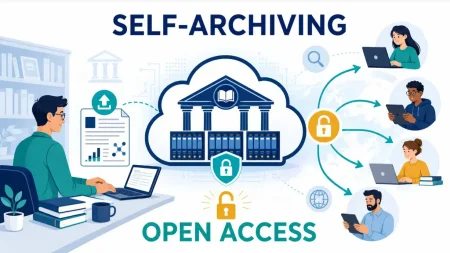
From a professional standpoint, free access to information supports intellectual freedom by enabling users to explore diverse viewpoints and ideas without restriction. Libraries uphold this principle by organizing, preserving, and providing access to books, journals, digital databases, and other information resources in an impartial manner. Librarians play a crucial role in guiding users to relevant resources, without influencing their choices or limiting access based on content. In the digital era, this principle also includes providing access to electronic resources, open-access materials, and internet services, ensuring that users who lack personal resources are not excluded from the information society.
Why Is Free Access to Information Considered a Core Principle of Librarianship?
Free access to information is considered a core principle of librarianship because it directly supports the fundamental purpose of libraries as institutions that promote knowledge, learning, and intellectual freedom for all. Libraries are designed to serve diverse communities without discrimination, and ensuring open and equitable access to information allows individuals from different social, economic, and educational backgrounds to benefit equally from library resources. Without free access, libraries would fail in their mission to act as democratic spaces where information is shared openly and responsibly.
This principle is also central to the protection of intellectual freedom and the development of an informed society. By providing access to a wide range of viewpoints and information sources, libraries enable users to think critically, conduct independent research, and form their own opinions without external pressure or censorship. Librarians uphold this value by maintaining balanced collections and facilitating access without bias, thereby ensuring that information remains available based on users’ needs rather than institutional or ideological preferences.
Moreover, free access to information promotes social equity and lifelong learning. Many users rely on libraries for academic materials, digital resources, and internet services that may otherwise be unaffordable or inaccessible. By removing financial, physical, and policy-related barriers, libraries help bridge knowledge gaps and empower individuals to improve their educational and professional opportunities. For these reasons, free access to information is not merely a service objective but a core ethical and professional responsibility that defines the identity and social role of librarianship.
Why Is Free Access to Information Essential for a Democratic Society?
Free access to information is essential for a democratic society because democracy depends on informed citizens who can make thoughtful and responsible decisions. When people have access to accurate and reliable information, they can better understand social, economic, and political issues and participate meaningfully in democratic processes such as voting, public consultations, or community discussions. For example, access to election manifestos, policy documents, and independent news sources allows voters to compare candidates and make informed choices rather than relying on rumors or biased opinions.
Transparency and accountability are also strengthened through free access to information. In a democracy, citizens have the right to know how public institutions operate and how public funds are used. When government reports, budgets, and laws are publicly accessible, people can question decisions and hold authorities accountable. For instance, access to national budget documents or public procurement information enables citizens, journalists, and researchers to identify irregularities or inefficiencies, helping to reduce corruption and misuse of power.
Free access to information further supports freedom of thought and expression by exposing individuals to diverse viewpoints and ideas. Democracy flourishes when people can explore different perspectives and form independent opinions. Libraries and information institutions play a crucial role in providing access to books, research articles, and media that represent multiple viewpoints, including those on controversial issues. For example, a library collection that includes works from various political, economic, and social perspectives allows users to critically evaluate ideas rather than accept a single narrative.
In addition, free access to information encourages active civic participation and social inclusion. When citizens are well-informed about their rights, laws, and social issues, they are more likely to participate in civic activities, such as attending public forums, engaging in community initiatives, and advocating for policy changes. Public libraries often support this by providing free access to legal information, government services, and internet facilities. For example, individuals who do not have internet access at home can use library computers to access government portals, apply for services, or read public notices, ensuring they are not excluded from civic life.
Ultimately, free access to information enhances education, fosters critical thinking, and promotes resistance to misinformation. Exposure to credible and diverse information sources helps individuals learn to verify facts and recognize biased or false content. For example, students and researchers who have free access to academic journals, open educational resources, and library databases can cross-check information and develop evidence-based arguments. In an era where misinformation can spread rapidly through social media, free access to trustworthy information is crucial for maintaining an informed, responsible, and resilient democratic society.
Why Is Free Access to Information an Important Library Principle?
Free access to information is one of the fundamental principles of librarianship because it defines the social, educational, and ethical role of libraries in society. Libraries are established to serve all members of the community without discrimination, and this mission can only be fulfilled when information is made accessible to everyone regardless of economic status, educational background, or personal circumstances. By ensuring free and equitable access to information, libraries promote knowledge sharing, intellectual freedom, and social development. The importance of this principle can be clearly understood through the following points.
- Ensures Equality and Social Inclusion: Free access to information ensures that libraries remain inclusive institutions serving diverse user groups. Many individuals cannot afford to purchase books, academic journals, or digital resources. Libraries remove these financial barriers by providing free access to learning materials, reference sources, and online information. This equal access helps reduce knowledge gaps between different social and economic groups, supporting social inclusion. For example, students from disadvantaged backgrounds depend on library resources to complete assignments and prepare for examinations, placing them on a more equal footing with others.
- Upholds Intellectual Freedom: Intellectual freedom is a core value of librarianship, and free access to information is essential to maintaining it. Libraries aim to provide access to a wide range of ideas and viewpoints without censorship or bias. By allowing users to choose what they read or research, libraries protect the right to think independently and explore diverse perspectives. Librarians support this principle by developing balanced collections and assisting users without imposing personal or institutional opinions on them.
- Supports Education and Lifelong Learning: Libraries play a crucial role in both formal education and lifelong learning. Free access to textbooks, reference works, scholarly journals, and digital databases supports students, teachers, and researchers in their academic activities. At the same time, libraries encourage self-education by providing materials for skill development, career growth, and personal interests. This continuous access to information enables individuals to adapt to changing knowledge needs throughout their lives.
- Promotes Democratic Values and Informed Citizenship: A democratic society depends on informed citizens who can participate meaningfully in civic life. Libraries contribute to democracy by providing free access to government publications, legal information, and reliable news sources. This access allows people to understand public policies, know their rights and responsibilities, and hold institutions accountable. By facilitating informed decision-making, libraries strengthen democratic values and civic engagement.
- Reduces the Digital Divide: In the digital age, access to information increasingly depends on access to technology and the internet. Many people lack personal access to digital devices or online resources. Libraries help bridge this digital divide by offering free internet access, computers, and electronic resources such as e-books and online databases. This ensures that technological advancements do not exclude certain groups from the information society.
- Encourages Research and Innovation: Free access to information supports research, creativity, and innovation. Researchers and students rely on libraries to access previous studies, data, and scholarly publications. Open and easy access to information allows new ideas to emerge and helps avoid duplication of research efforts. Libraries, therefore, play a vital role in advancing knowledge and supporting academic and scientific progress.
- Reflects the Ethical Responsibility of Libraries: Free access to information is not just a service goal but an ethical obligation of the library profession. Librarians are committed to serving the public interest by ensuring fair and unbiased access to information. Professional codes of ethics emphasize equal access, privacy, and intellectual freedom, reinforcing the idea that information should not be restricted without valid reasons.
Free access to information is an important library principle because it promotes equality, intellectual freedom, education, democracy, and technological inclusion. By removing barriers to information, libraries empower individuals, strengthen communities, and contribute to the overall development of society. Upholding this principle ensures that libraries remain trusted, relevant, and socially responsible institutions in both traditional and digital environments.