Introduction: Every Question Needs a Starting Point
A student begins an assignment but is unsure about which sources to consult. A researcher is looking for a reliable statistic found in government publications. A reader remembers a book’s subject but cannot recall its title. Though their needs differ, they share a common question: “Where should I start?” Libraries provide access to a wide range of information, but finding the right resource can still be challenging, especially for those who are unfamiliar with the collection or unsure how to search.
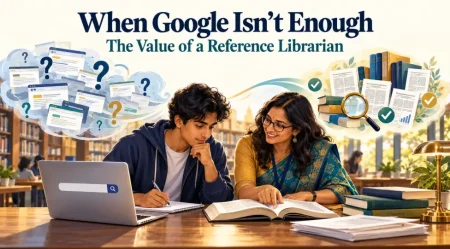
This is where reference services come in. By having a conversation with a librarian, users can explain their needs, explore suitable sources, and receive guidance on finding relevant information. Sometimes, the assistance is brief, such as locating a dictionary or answering a factual question, while other times it may involve developing search strategies, exploring scholarly databases, or evaluating whether a source is suitable for a research task. The nature of the help depends on the question and the individual asking it.
Reference services also make the search for information feel more approachable. Users do not need to arrive with a perfectly worded question or prior knowledge of how the library functions. A librarian can help clarify uncertain ideas and suggest useful next steps. Understanding this service enables readers to see the library as a welcoming place where questions are encouraged, and guidance is available whenever they need a starting point.
What Is Reference Service?
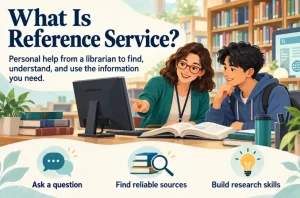 Reference service is the personal assistance a library provides to help people find, understand, and use information that meets their needs. It usually involves a conversation between a user and a librarian, during which the librarian helps clarify the question, identifies suitable sources, and guides the search for an answer. Whether someone needs a simple fact or support with a complex research topic, reference service gives them a practical starting point.
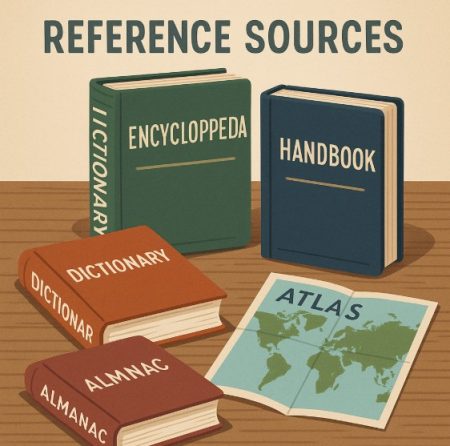
The assistance can take many forms. A student may need scholarly articles for an assignment, a teacher may be looking for background reading, or a community member may want reliable information about a local issue. Depending on the request, the librarian might consult reference books, search the library catalogue, explore electronic databases, or recommend trustworthy websites. Some questions can be answered quickly, while others require a more detailed search or a follow-up consultation.
An essential part of reference service is understanding what the user actually needs. A request such as “I need information about climate change” may be too broad to guide a useful search. By asking about the purpose, specific interests, and level of detail required, the librarian can help narrow the topic and choose appropriate resources. This conversation, often called a reference interview, helps make the assistance relevant to the user’s situation.
Reference service also helps users develop their own information-searching skills. Librarians may explain how to select keywords, search a database, assess a source’s credibility, or locate related material. Assistance can be provided at a library desk or through channels such as email, telephone, and online chat. Across these settings, its purpose remains the same: to connect people with useful information and help them approach future searches with greater confidence.
Why Is Reference Service Important?
Finding information is often easier than deciding which information to trust or how to use it. A simple search can produce thousands of results, leaving users uncertain about where to begin. Reference service helps people work through this uncertainty by connecting their questions with relevant, reliable sources. With a librarian’s guidance, users can approach their information needs with a clearer direction.
One practical benefit is saving time and reducing frustration. Someone unfamiliar with a library catalogue or research database may repeatedly search without finding useful material. A librarian can suggest suitable keywords, explain search filters, and identify resources that match the question. For example, a student struggling to find articles for an assignment may discover that a different search term or a subject database provides a more useful starting point.
Reference service also supports better learning and research. Librarians help users consider who produced a source, what evidence it presents, when it was published, and whether it is appropriate for the task. These conversations encourage readers to look carefully at the information they encounter and make informed choices about what to include in their work.
Equally valuable is the personal support reference service provides. Users bring different levels of experience, language ability, and confidence to the library. A patient, welcoming conversation gives them an opportunity to explain difficulties and ask questions without embarrassment. This assistance can help people discover and use resources that might otherwise remain unfamiliar or difficult to access.
The benefits can continue beyond a single inquiry. When librarians explain how they found an answer, users gain search strategies they can apply again. Learning to choose keywords, compare sources, and refine a question gradually builds independence. Reference service therefore helps meet an immediate information need while developing the confidence and skills needed for future learning.
Who Can Benefit from Reference Service?
Reference service is useful to anyone who needs help finding or understanding information. People approach the library with different questions, interests, and levels of experience, and the assistance can be adapted to their needs. Here are some groups that can benefit:
- Students: Students may need help understanding an assignment topic, finding books and journal articles, or choosing suitable sources for a presentation. Reference librarians can guide their searches and help them develop research skills throughout their studies.
- Teachers and faculty members: Teachers can use reference services to locate teaching materials, background readings, scholarly publications, and information for course preparation. Librarians can also help them identify resources suited to their students’ learning needs.
- Researchers and postgraduate scholars: Those working on theses, dissertations, or research projects may need support developing search strategies, locating earlier studies, and tracing publications on a specific subject. Reference assistance can help them search more systematically and discover relevant sources.
- First-time library users: New users may be unfamiliar with the catalogue, shelving arrangements, or electronic resources. A welcoming conversation with a librarian can help them understand where to begin and how to find the materials they need.
- Professionals and practitioners: People working in education, business, public administration, and other fields may need reports, statistics, standards, or professional literature. Reference service can help them identify credible sources relevant to their work.
- General readers and lifelong learners: People exploring a personal interest, learning a new skill, or seeking information about local history can benefit from reference assistance. Their questions are welcome even when they are unrelated to formal study.
- Users who face access barriers: People with disabilities, limited digital skills, or language-related difficulties may need assistance using information resources. Librarians can help identify accessible materials, explain search tools, and connect users with available support.
- Remote and distance learners: Users who cannot visit the library may receive reference assistance through email, telephone, chat, or online consultations, depending on the services offered. This support can help them find and use resources from a distance.
Users do not need a complex question or previous research experience to seek help. A simple request—or an uncertain idea—is enough to begin a conversation with a librarian.
What Kinds of Questions Can Users Ask?
Users can ask reference librarians questions ranging from a simple factual enquiry to a detailed research problem. They do not need to know which resource to consult or how to phrase their question perfectly. The following examples show the kinds of assistance they can seek:
- Finding books and other materials: “How can I find books about digital literacy?” or “Does the library have this book?” Librarians can help users search the catalogue, check availability, and locate relevant materials.
- Getting started with a topic: “I am writing an assignment about climate change. Where should I begin?” A librarian can suggest background reading, help clarify the topic, and identify useful search terms.
- Locating scholarly articles: “Where can I find peer-reviewed articles on student mental health?” Reference librarians can explain which databases to search and how to narrow the results.
- Finding facts and statistics: “Where can I find population figures for Bangladesh?” or “How can I locate historical literacy rates?” Librarians can help identify authoritative sources and check the dates and context of the information.
- Evaluating information: “Is this website reliable enough to use in my assignment?” A librarian can guide users in examining authorship, evidence, publication details, and relevance.
- Using library search tools: “How do I search this database?” or “Why am I getting so few results?” Librarians can demonstrate keyword selection, search filters, and ways to refine a search.
- Understanding citations and references: “How can I find the article mentioned in this reference?” or “Where can I check the correct citation format?” Librarians can help interpret citations and locate appropriate style guidance.
- Accessing digital resources: “How can I read this e-book?” or “Why can’t I open the full text of this article?” Library staff can explain available access options and refer technical problems to the appropriate team.
- Finding further assistance: “Where else could I look if the library does not have what I need?” Librarians may suggest another institution, a specialist resource, or an available document delivery service.
A question may become clearer during the conversation. Simply saying, “I have searched, but I cannot find what I need,” gives the librarian a useful starting point.
Reference Service Beyond the Library Desk
A visit to the library is not always possible when a question arises. A student may need guidance while studying at home, a researcher may be working from another location, or a reader may need help outside their usual visiting hours. Libraries can extend reference assistance through several communication channels, allowing users to seek support wherever they are. The options and response times depend on what each library offers.
- Email reference service allows users to describe their questions in detail and include useful information, such as their research topic, search terms, or sources already consulted. Librarians can respond with explanations, suggested resources, and links that users can revisit later. Email is particularly useful when a question requires some investigation, although users may need to wait for a reply.
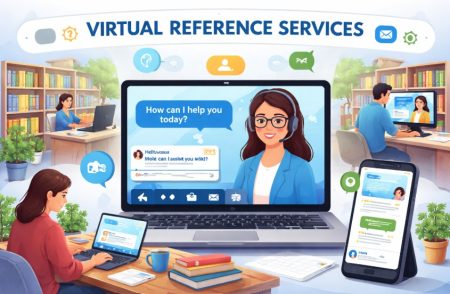
- Live chat and telephone services offer opportunities for direct conversation during advertised service hours. Chat can be helpful when someone encounters a problem while searching a database or needs guidance locating a resource. Telephone assistance provides another way to discuss a question, especially for users who prefer speaking to typing. More complex inquiries may lead to a longer consultation or a follow-up response.
- Video consultations make it possible to provide detailed guidance at a distance. Through screen sharing, a librarian can demonstrate a database search, explain how to refine results, or help a user work through a search problem. These sessions can be particularly helpful for students beginning a literature review or researchers exploring unfamiliar resources.
- Some libraries also accept inquiries through online forms or designated messaging platforms. Forms can prompt users to provide details that help librarians understand the request. Frequently asked questions, subject guides, and tutorials offer additional support for common needs, while questions requiring individual attention can be directed to library staff.
Across these channels, effective reference service depends on clear communication and attentive assistance. Libraries should make it easy to find contact details, understand service hours, and know when to expect a response. Users should also have a suitable, private way to discuss their inquiries. Extending reference service beyond the desk helps make library expertise accessible to people whose schedules, locations, or circumstances prevent an in-person visit.
Conclusion:
Reference service connects people with the information they need through personal guidance and thoughtful conversation. Whether someone is looking for a book, beginning a research project, searching for reliable statistics, or struggling with an online database, a librarian can help them identify the next useful step. This assistance makes library resources easier to access and helps users develop the skills to search, evaluate, and use information with greater confidence.
The value of reference service also lies in making people feel comfortable asking for help. Students, teachers, researchers, professionals, and general readers all bring different needs to the library, and every inquiry deserves respectful attention. Assistance at the library desk or through remote channels gives users opportunities to work through uncertainty and discover resources they might otherwise overlook.
You do not need to arrive with a perfectly worded question. Share what you are trying to find, explain where you are having difficulty, and let the conversation begin. Your question is the first step, and a librarian can help you decide where to go next.