
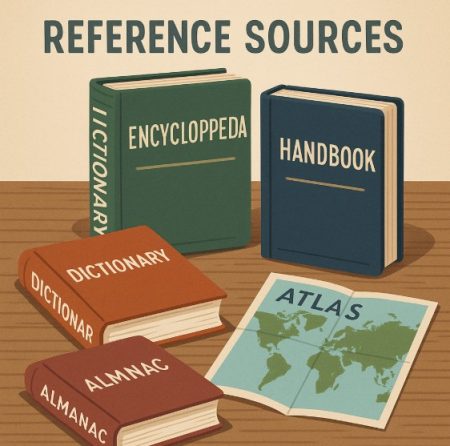
Reference books, a category of literature distinguished by their emphasis on quick and authoritative information, stand as indispensable resources that cater to the diverse informational needs of readers. These books, designed for easy accessibility and efficient fact-finding, offer knowledge across numerous subjects without needing continuous reading. Within reference literature, one finds an array of essential tools such as dictionaries, encyclopedias, atlases, almanacs, and directories, each serving a specific purpose in facilitating research, education, and general inquiry. Dictionaries, for instance, provide concise definitions, spellings, and often pronunciation guides, aiding language comprehension and communication. Encyclopedias offer comprehensive insights into many topics, presenting detailed overviews and context-rich information. Atlases provide geographic and cartographic details, while almanacs offer statistical, historical, and miscellaneous information. The hallmark of reference books lies in their accuracy, reliability, and ease of use, making them go-to sources for students, scholars, professionals, and individuals seeking quick and trustworthy information. Libraries, educational institutions, and households consider reference books essential components of their collections, recognizing their role in empowering individuals with instant access to a vast repository of knowledge spanning the sciences, humanities, languages, and beyond. Whether one seeks to settle a trivia dispute, delve into historical events, or understand complex concepts, reference books stand ready to enlighten and inform.
What is a Reference Book?
A reference book is a specialized publication that provides quick and authoritative information on various subjects. Unlike narrative or continuous reading materials, reference books are structured to access specific facts, definitions, or overviews easily. Common examples of reference books include dictionaries, encyclopedias, atlases, almanacs, and directories. Dictionaries offer definitions, spellings, and often pronunciation guides for words, while encyclopedias provide comprehensive insights into various topics with detailed articles. Atlases focus on maps and geographic information, almanacs compile statistical and historical data, and directories list information such as addresses and contact details. The hallmark of reference books lies in their accuracy, reliability, and efficiency, making them valuable tools for students, researchers, professionals, and anyone seeking instant and dependable information across different disciplines. These books are commonly found in libraries, educational institutions, and households, serving as essential resources for those needing quick reference and authoritative knowledge.
Benefits of Reference Books.
Reference books offer numerous benefits, making them invaluable resources for research, learning, and information gathering. Here are some key advantages:
- Quick Access to Information: One of the primary advantages of reference books is their ability to facilitate rapid information retrieval. Unlike traditional texts that require extensive reading, reference books are structured to allow users to find specific facts, definitions, or data quickly. Features such as indexes, tables of contents, and headings enable efficient navigation. For instance, students researching “photosynthesis” can easily locate the relevant entry in an encyclopedia without wading through unrelated content. This time-saving capability is invaluable, particularly in academic settings where deadlines are crucial.
- Authoritative Sources: Reference books are often compiled or edited by experts in their respective fields, ensuring the information is credible and trustworthy. Scientific encyclopedias, specialized dictionaries, and almanacs are typically produced by knowledgeable professionals, making them reliable resources for both academic and professional research. The rigorous editing and fact-checking processes that these materials undergo bolster their credibility, allowing users to confidently cite them in their work.
- Comprehensive Coverage: Another significant benefit of reference books is their comprehensive coverage of various topics. These books provide detailed overviews and in-depth information, making them useful for both general knowledge and specialized research. For example, a comprehensive encyclopedia may cover everything from history and science to art and culture, providing a wealth of information in one resource. This broad coverage allows users to explore interconnected subjects and gain a more holistic understanding of complex issues.
- Easy Organization: The organization of information in reference books is typically logical and user-friendly. Topics are often grouped together in ways that make sense, whether through alphabetical arrangements (as in dictionaries), categorical divisions (like subject-specific encyclopedias), or chronological arrangements (in almanacs). This structured approach, along with features like glossaries and bibliographies, enhances usability and allows users to locate relevant information easily.
- Static and Reliable Information: Unlike many digital sources that may change frequently, reference books generally contain static information. This reliability is essential for users who need consistent data for research or academic purposes. For instance, statistical information presented in an almanac is valid for a specific year, ensuring that users have access to accurate historical context. Researchers can confidently cite reference books, knowing that the information will remain consistent for future readers.
- Enhanced Learning: Reference books not only provide factual information but also enhance learning by offering context and background on various subjects. They often include illustrations, charts, and examples that facilitate comprehension. For instance, a historical atlas not only presents maps but also contextualizes events with accompanying text, enriching the user’s understanding. This comprehensive approach supports deeper engagement with the material and encourages critical thinking.
- Diverse Formats: Reference books are available in various formats, from traditional print versions to electronic editions. Digital formats often feature searchable text and links to additional resources, further enhancing accessibility. This diversity allows users to choose the format that best suits their research needs, whether they prefer the tactile experience of a printed book or the convenience of an online resource.
- Research Support: For students and researchers, reference books serve as foundational tools for literature reviews and research projects. They help identify key concepts, relevant theories, and essential knowledge in a particular area of study. Furthermore, they often provide structured information that can be easily cited in academic work, assisting researchers in adhering to proper citation formats.
- Accessibility: Libraries typically house a wide range of reference books, ensuring they are accessible to a broad audience. These resources provide a quiet space conducive to research, enhancing their utility. Additionally, with the rise of digital reference books, many libraries now offer remote access, allowing users to consult these materials from anywhere. This increased accessibility expands the reach of valuable information, making it available to more users than ever before.
- Supporting Critical Thinking: Engaging with reference books encourages users to think critically about the information they encounter. They must evaluate the relevance and credibility of the data presented, fostering an informed approach to information consumption. This critical engagement is essential in today’s information-rich environment, where distinguishing between high-quality sources and those that may lack rigor is increasingly important.
Reference books are invaluable resources that continue to play a significant role in research, learning, and information gathering. Their ability to provide quick access to reliable information, comprehensive coverage of diverse topics, and support for critical thinking makes them essential tools in both academic and everyday contexts. As digital information continues to proliferate, the enduring relevance of reference books serves as a reminder of the importance of credible and organized knowledge in our pursuit of understanding the world around us.
What Are the Most Popular Types of Reference Books?
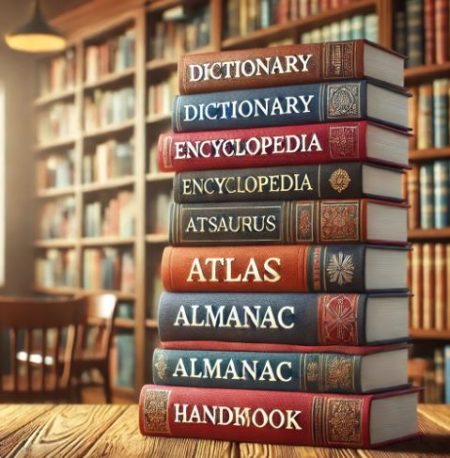
Reference books are essential resources that provide accurate information and support various research needs. They are designed to be consulted for specific information rather than read cover-to-cover. In today’s information-rich environment, reference books remain vital for students, researchers, and anyone seeking reliable data. Here are some of the most popular types of reference books:
- Dictionaries: Dictionaries are foundational reference tools that provide comprehensive definitions of words, including their pronunciations, grammatical classifications, and usage examples. These resources are essential for understanding the meanings of words and their correct usage in various contexts. Most dictionaries include pronunciation guides that help users pronounce words correctly, often utilizing phonetic transcriptions or audio pronunciations. Additionally, dictionaries often provide etymology, which traces words’ origins and historical development, enriching the reader’s understanding. Usage notes within dictionaries can highlight common errors and regional variations, offering valuable insights for language learners and writers alike. Notable examples include Merriam-Webster’s Dictionary, a widely respected American English dictionary, and the Oxford English Dictionary (OED), renowned for its exhaustive etymological details and historical citations, making it a trusted resource for academics and linguists.
- Encyclopedias: Encyclopedias serve as comprehensive sources of summarized knowledge across a vast array of subjects. They are organized alphabetically, allowing users to locate information on various topics quickly. Encyclopedias typically feature cross-references, which direct readers to related entries, facilitating a deeper exploration of subjects. Many entries are enhanced with illustrations, maps, and charts that provide visual context, making complex topics more accessible. Bibliographies often accompany articles, offering lists of sources for further reading and research. Renowned examples include the Encyclopaedia Britannica, which is respected for its in-depth articles and expert contributions, and the World Book Encyclopedia, which is designed to be user-friendly and accessible, particularly for students and younger readers.
- Atlases: Atlases are specialized collections of maps that provide geographic information, often covering physical, political, and cultural aspects of regions worldwide. They are essential for understanding spatial relationships and the geographical context of various subjects. Atlases typically include topographic maps that depict elevation and terrain features and thematic maps focusing on specific issues such as climate, population density, or natural resources. Most atlases come with an index, allowing users to quickly locate specific places or regions. Notable examples include the National Geographic Atlas of the World, known for its detailed and visually appealing maps, and the Times Comprehensive Atlas of the World, which features high-quality maps and extensive global information.
- Almanacs: Almanacs are annual publications that compile various statistical data, facts, and information, often organized by year. They serve as quick-reference tools for current events, historical data, and forecasts across numerous topics. Almanacs typically include calendars that highlight significant events, holidays, and important dates, making them useful for planning and research. Additionally, they provide statistical data on demographics, economics, agriculture, and social trends, often presented in tables and charts for easy interpretation. Two well-known examples are The Old Farmer’s Almanac, which offers weather forecasts and practical advice for gardening, and the World Almanac and Book of Facts, a comprehensive resource that covers a wide range of topics, from politics to sports.
- Handbooks: Handbooks provide practical information, guidelines, and instructions on specific subjects, often aimed at professionals in particular fields. These reference books are designed to be user-friendly and are often organized to facilitate quick access to essential information. Many handbooks feature step-by-step instructions that detail procedures for various tasks or processes, making them invaluable for practitioners. They may also include checklists and forms to aid practical application, as well as case studies that illustrate concepts through real-world examples. Noteworthy examples include The Merck Manual of Diagnosis and Therapy, which serves as a key medical reference for healthcare professionals, and The Handbook of Chemistry and Physics, a critical resource for scientists that compiles essential data and formulas used in chemistry and physics.
- Thesauruses: Thesauruses are specialized reference books that list synonyms and antonyms for words, assisting users in finding alternative vocabulary to enhance their writing and communication. These resources are particularly useful for writers, students, and anyone looking to expand their language skills. A thesaurus typically organizes synonyms into groups based on meaning, making it easier for users to find the most appropriate word for their context. In addition to synonym listings, many thesauruses provide antonym listings for users seeking contrasting terms. Usage examples are often included to show how synonyms can be used effectively in sentences. Two prominent examples are Roget’s Thesaurus, recognized for its thematic organization, and Merriam-Webster’s Thesaurus, which offers extensive lists of synonyms and antonyms, complete with usage notes.
- Directories: Directories are comprehensive reference books that provide lists of organizations, individuals, or services, often accompanied by contact information. These resources are invaluable for networking, research, and finding specific resources across various fields. Directories typically include contact details such as addresses, phone numbers, and websites, making it easy for users to connect with the entities listed. Many directories are organized by category or industry, allowing users to search efficiently for specific types of services or organizations. In the digital age, many directories also offer search functions, enhancing user accessibility. Notable examples include The Yellow Pages, a well-known directory of businesses and services, and The Encyclopedia of Associations, which lists professional and trade associations and relevant contact information.
- Statistical Yearbooks: Statistical yearbooks compile and present statistical data on a wide range of subjects, often focusing on demographics, economics, and social trends. These resources serve as essential tools for researchers, policymakers, and anyone seeking quantitative data to support their work. Statistical yearbooks typically feature well-organized data tables that present information clearly, allowing users to analyze and interpret data easily. They often include comparative statistics that allow for side-by-side analysis across years or regions, facilitating a better understanding of trends and changes over time. Graphs and charts are commonly included to visualize statistical information, making it more accessible. Examples of such resources include the Statistical Abstract of the United States, which compiles a wide range of statistical data on American society, and World Development Indicators, a database published by the World Bank that provides critical data for global development analysis.
- Biographical Dictionaries: Biographical dictionaries provide concise entries on notable individuals, detailing their life achievements and contributions across various fields. These resources are particularly useful for historical research and understanding the impact of influential figures. Biographical dictionaries often organize entries chronologically, allowing users to explore individuals by their date of birth or significance. They typically include cross-references that direct users to related individuals, fostering a more comprehensive understanding of historical contexts and connections. Contextual information about the societal impact of each individual’s work is also common. Examples include Who’s Who, which features biographical entries for notable figures across numerous fields, and the Biographical Dictionary of the United States Congress, which offers detailed biographies of U.S. Congress members.
Reference books play a crucial role in providing reliable information across various subjects. From dictionaries and encyclopedias to statistical yearbooks and biographical dictionaries, each type of reference book serves a unique purpose, catering to students, researchers, and professionals’ needs. Despite the rise of digital resources, these reference books remain invaluable tools for accessing organized and authoritative knowledge, making them essential for anyone seeking to deepen their understanding of the world.
Purposes of Reference Books
Reference books serve several essential purposes that are invaluable across educational, professional, and personal contexts. One of their primary functions is to provide quick access to specific information, allowing users to retrieve facts, definitions, and data efficiently without reading lengthy texts. This feature particularly benefits students and researchers who require immediate information for assignments, papers, or projects. Furthermore, many reference books are compiled by experts in their respective fields, ensuring the information presented is authoritative and credible. This reliability is crucial for academic research, as users can trust that their referencing data is accurate and well-researched.
In addition to offering quick information retrieval, reference books often cover a wide range of topics, providing comprehensive details on various subjects. This breadth of coverage allows users to explore interconnected topics and gain a more holistic understanding of complex issues. For researchers and students, reference books serve as foundational tools that assist in literature reviews, help establish context for research projects, and identify key concepts relevant to specific areas of study. Moreover, they enhance learning experiences by providing contextual background information, often complemented by illustrations, diagrams, and examples that facilitate comprehension.
Many reference books offer practical guidance and instruction, such as style manuals and handbooks, essential for understanding best practices and methodologies relevant to particular fields. Engaging with these resources encourages critical thinking, as users must evaluate the relevance and credibility of the information presented. Overall, reference books are crucial in preserving knowledge, ensuring that critical data and insights remain accessible for future generations to learn from and build upon.
How are Reference Books Organized to Facilitate Quick Access to Information?
Reference books are thoughtfully organized to facilitate quick access to information, enabling users to find the data they need with minimal effort. One primary method of organization is the alphabetical arrangement, which is commonly used in dictionaries and encyclopedias. This structure lets users quickly locate specific entries by knowing just the first few letters of a term or subject. In addition, most reference books feature an index at the end, providing a comprehensive list of topics and their corresponding page numbers. This index allows users to search for specific information by keyword, significantly speeding up the process of finding relevant data.
Another key organizational tool is the table of contents, which outlines the main sections or chapters of the book. This overview helps users quickly identify where particular topics are located. Cross-referencing is also employed, directing users from one entry to related topics within the book, thereby encouraging the exploration of interconnected subjects. Many reference books include visual aids, such as charts and illustrations, which help users understand complex data at a glance. Furthermore, with the rise of digital formats, many reference books now offer searchable databases, allowing users to input keywords and retrieve information instantly. These organizational strategies ensure that reference books are user-friendly and efficient resources for quick information retrieval.
How Do Reference Books Differ from Regular Books?
Reference books differ from regular books in several key aspects, including their purpose, organization, usage, and content. Here’s a detailed comparison:
| Aspect | Reference Books | Regular Books |
|---|---|---|
| Purpose | The primary purpose of reference books is to provide specific information or data that can be quickly accessed. They are designed for consultation rather than reading cover to cover. Users typically seek out reference books for facts, definitions, statistics, or other precise information. | Regular books, such as novels, biographies, and academic texts, are usually written to be read in sequence from start to finish. Their purpose is to tell a story, present an argument, or provide an in-depth exploration of a subject, engaging the reader over a longer duration. |
| Organization | These books are meticulously organized to facilitate quick access to information. They often feature alphabetical arrangements (like dictionaries), indexes, tables of contents, and cross-referencing. This structure allows users to locate specific information efficiently without needing to read the entire book. | Regular books are typically organized by chapters or sections that follow a narrative or logical progression. While they may include indexes or tables of contents, they do not emphasize quick reference and are not designed for fast retrieval of specific facts. |
| Content | The content in reference books is factual, concise, and often presented in a summary format. They may include lists, charts, definitions, and illustrations, aiming to deliver information efficiently. Examples include dictionaries, encyclopedias, atlases, and handbooks. | Regular books usually contain more extensive prose, narratives, or detailed analyses. They delve deeply into topics, providing background information, context, and storytelling elements. This content is designed to engage readers over longer periods. |
| Usage | Users consult reference books as needed, often in a library or during research. They are typically used for specific inquiries and are not meant to be read for pleasure or entertainment. | Regular books are generally read for enjoyment, education, or leisure. Readers may engage with them over time, savoring the narrative or argument presented. |
| Examples | Examples include dictionaries, encyclopedias, statistical yearbooks, atlases, and manuals that provide immediate, factual information. | Examples include novels, memoirs, academic textbooks, and essays that explore themes, stories, or complex ideas in depth. |
Reference books are distinct from regular books in their purpose, organization, content, and usage. While reference books are tailored for quick access to factual information, regular books are crafted for in-depth reading and engagement, catering to different needs and preferences in literature and knowledge.
What Are the Key Features of a Reference Book?
Reference books are essential resources designed to provide quick access to specific information. They serve various purposes, from academic research to everyday inquiries, and are characterized by several key features that enhance their usability and effectiveness. Understanding these features can help users make the most of these invaluable tools. Here are the primary features of reference books:
- Alphabetical Arrangement: One of the most distinctive features of reference books is their alphabetical arrangement. Many, such as dictionaries and encyclopedias, are organized in this manner, allowing users to quickly locate specific entries or terms by knowing just the first few letters. This structure is particularly useful for users who may not know the exact page number but are familiar with the topic they are searching for.
- Index: Most reference books include a comprehensive index at the back, which lists topics, terms, and subjects along with their corresponding page numbers. The index allows users to search for specific information by keyword, significantly speeding up the process of locating relevant data. This feature is especially beneficial for users conducting research or looking for specific facts.
- Table of Contents: The table of contents provides an overview of the book’s structure, outlining the main sections or chapters. This organizational tool helps users identify where particular topics are located quickly, allowing for efficient navigation through the book. It is particularly useful in handbooks and statistical yearbooks, where users may want to navigate directly to certain sections relevant to their inquiries.
- Cross-Referencing: Cross-referencing is another important feature of reference books that enhances their usability. This method directs users from one entry to related topics within the book, encouraging the exploration of interconnected subjects. For example, an entry on “climate change” may reference related terms such as “global warming” or “carbon footprint,” facilitating a deeper understanding of the topic.
- Visual Aids: Many reference books incorporate visual aids, such as charts, graphs, maps, and illustrations, to help clarify complex information. These visual elements enhance user comprehension by providing context and making the information more accessible. For instance, an atlas may use color-coded maps to highlight different geographical features, allowing users to visualize data at a glance.
- Concise and Factual Content: Reference books are characterized by concise and focused content, delivering factual information in a straightforward manner. This emphasis on brevity allows users to quickly find the specific data they need without wading through extraneous details. For example, encyclopedias provide succinct summaries of topics, while dictionaries offer clear definitions and usage examples.
- Specialized Terminology: Many reference books include glossaries or explanations of specialized terminology relevant to the subject matter. This feature is particularly helpful for users who may encounter jargon or complex concepts that require clarification. By providing definitions and context, these glossaries facilitate a better understanding of the material.
- Reliability and Authority: Reference books are often compiled or edited by experts in their respective fields, ensuring that the information presented is accurate and credible. This reliability is crucial for academic research and professional use, as users can depend on these sources for trustworthy data. The authoritative nature of reference books helps establish them as reputable resources in various disciplines.
- Static Information: The information contained in reference books is generally fixed and not subject to frequent changes, making them reliable for established facts. This stability ensures that users can cite the information confidently, knowing that it will remain consistent over time. This feature is especially important in fields where accuracy is paramount.
- Format Variety: Reference books come in various formats, including print, digital, and online databases. Digital formats often offer searchable text and hyperlinks to related resources, enhancing accessibility and usability. Users can choose the format that best suits their preferences and research needs, whether they prefer the tactile experience of a printed book or the convenience of an online resource.
- User-Friendly Design: Finally, many reference books are designed with user accessibility in mind. Features such as clear headings, bullet points, and organized layouts make it easy for users to navigate through the content. This thoughtful design enhances the overall user experience, allowing for efficient information retrieval.
The key features of reference books—such as alphabetical arrangement, indexing, tables of contents, cross-referencing, visual aids, concise content, specialized terminology, reliability, static information, format variety, and user-friendly design—combine to create resources that facilitate quick and efficient access to specific information. These characteristics make reference books invaluable tools for research, education, and everyday inquiries, enabling users to easily and confidently find the data they need.
Why Are Reference Books Not Typically Allowed for Borrowing?
Reference books are not typically allowed for borrowing in libraries for several significant reasons. One of the primary factors is the high demand for access to these resources. Reference books are designed for quick consultation rather than sequential reading, making them frequently used by multiple patrons simultaneously. Allowing these books to be checked out could lead to situations where users cannot access critical information when needed. By keeping reference books on-site, libraries ensure that all patrons have immediate access to essential materials, fostering a conducive environment for research and learning.
Moreover, reference books often contain specialized information that is crucial for various academic and professional endeavors. They provide definitions, statistics, historical data, and other factual information that users may require on demand. Maintaining these resources in the library guarantees that users can find specific information without delay, which is especially important in academic settings where timely access can significantly impact research outcomes. Additionally, many reference books are produced with high-quality materials to withstand frequent handling and use. When borrowed, there is a greater risk of damage, wear, or loss. Keeping them within the library helps preserve their condition and longevity, ensuring they remain available and in good shape for future users.
The information in reference books is typically static, meaning it does not change frequently. By retaining these books in the library, institutions can ensure that users have access to the latest editions or versions, which is particularly crucial in fields where accurate and current data is essential. Encouraging patrons to utilize reference materials within the library allows them to benefit from the quiet atmosphere, additional resources, and support from library staff, fostering a more focused and productive research experience. Lastly, reference books often act as supplementary resources to textbooks and other learning materials, and keeping them available on-site allows users to access them easily while studying or conducting research, promoting a more comprehensive learning experience.
How Can Reference Books Be Used Effectively in Research?
Reference books can be invaluable tools in research, offering a wealth of information that enhances the quality and depth of your work. To use reference books effectively, begin by familiarizing yourself with key terms and concepts related to your research topic. Dictionaries and encyclopedias can provide essential definitions, background information, and context, helping you understand the foundational elements of your subject. This initial knowledge is crucial for formulating more specific research questions.
Once you grasp the basic concepts, utilize reference books to access reliable information. Experts typically curate these resources, ensuring the information is credible and accurate. Gather factual data, statistics, and authoritative perspectives that can lend credibility to your research. Make effective use of indexes and tables of contents to locate relevant information within the books quickly; the index allows you to search for specific topics, while the table of contents provides an overview of the book’s structure, saving you time in your search.
Cross-referencing is another effective strategy when using reference books. Many include links to related topics, encouraging you to explore interconnected subjects and gain a deeper understanding of your research area. This approach can help identify additional angles and enrich your overall perspective. Additionally, take advantage of visual aids such as charts, graphs, maps, and illustrations found in reference books. These resources clarify complex information and enhance your comprehension, making it easier to communicate your findings.
As you gather information, check bibliographies or lists of further readings often included at the end of entries. These can lead you to additional sources complementing your research, offering more in-depth materials and primary sources. If available, utilize digital reference books and online databases, which can be searched by keyword for quicker access to information. Digital formats may also include features like hyperlinks that connect you to related topics or external sources, further enhancing your research capabilities.
Engaging with library staff is another valuable strategy; don’t hesitate to ask for assistance in locating and using reference books. Librarians are trained to help navigate library resources and can provide guidance on the best reference materials for your specific needs. As you gather information, take detailed notes and organize the data systematically. This practice will help you synthesize the information effectively when writing your research paper. Finally, when integrating information from reference books into your work, ensure you properly cite these sources according to the required citation style. Proper attribution adds credibility to your research and helps avoid plagiarism.
What Are the Advantages of Using Reference Books Over Online Resources
Using reference books offers several advantages over online resources, making them valuable tools for research, study, and information retrieval. Here are some key benefits of using reference books:
- Credibility and Authority: One of the most significant advantages of reference books is their credibility and authority. Reference books are often compiled and edited by experts in their respective fields, ensuring that the information presented is accurate and trustworthy. This authoritative nature provides users with confidence in the reliability of the data they are accessing. In contrast, online resources may include unverified or inaccurate information, as many websites do not undergo the same rigorous vetting process. This discrepancy makes reference books a more dependable choice for serious research.
- Static Information: Reference books generally contain static information, which means that the content does not change frequently. This stability allows users to rely on the information for accuracy over time, making it easier to cite and reference in academic work. Online resources, however, can be updated or altered frequently, which may lead to confusion about the validity of the information at any given moment. This consistency is particularly important when conducting research that requires established facts.
- Comprehensive and Organized Content: Reference books often provide comprehensive coverage of topics, organized in a way that facilitates easy access to information. They typically include indexes, tables of contents, and cross-references, which make it simpler for users to locate specific entries quickly. While many online resources strive for organization, the depth and systematic arrangement found in reference books often provide a more thorough exploration of subjects. This organization is especially beneficial when conducting in-depth research.
- Reduced Distractions: Using reference books offers a focused environment for studying and research. Printed materials minimize distractions from notifications, advertisements, and other online interruptions, allowing users to concentrate better on the material. This reduction in distractions can lead to improved comprehension and retention of information, making reference books a valuable resource for serious learners.
- Visual Aids and Tangible Features: Many reference books include visual aids such as charts, graphs, and illustrations that enhance understanding and provide quick insights. These visual elements are often designed to complement the text effectively. While online resources may also feature visuals, printed reference books can provide high-quality images and layouts that are less dependent on screen resolution, ensuring clarity and detail.
- In-Depth Analysis: Reference books frequently delve deeper into topics than many online resources, providing detailed explanations and context. They may include extensive bibliographies, case studies, and historical perspectives that enrich the reader’s understanding of the subject matter. This depth of analysis is crucial for academic work, where a thorough understanding of a topic is essential for developing arguments and conclusions.
- Accessibility in Low-Connectivity Situations: Reference books do not require internet access, making them reliable resources in low-connectivity or offline situations. This accessibility can be particularly beneficial in remote areas, during travel, or in situations where internet access may be limited. Users can rely on physical reference books to gather information without needing to connect to the web.
- Familiarity with Physical Resources: Using reference books can help users become familiar with the physical layout and organization of a library or collection. This experience enhances research skills and improves users’ ability to navigate physical materials effectively, which can be particularly useful in academic settings where physical resources are still heavily utilized.
- Learning and Retention: Research suggests that reading from printed materials can lead to better retention and comprehension compared to reading on screens. The tactile experience of handling books, along with the absence of digital distractions, contributes to improved focus and memory retention. This advantage is crucial for students and professionals who seek to internalize complex information.
- Support for Academic Integrity: When using reference books, researchers are often more diligent about citing sources accurately due to the authoritative nature of these materials. Proper citation promotes academic integrity and helps avoid issues of plagiarism, reinforcing the importance of using credible sources in academic work.
While online resources offer convenience and immediate access to information, reference books provide numerous advantages that make them essential tools for effective research and learning. From their credibility and static information to their organized content and ability to reduce distractions, reference books offer unique benefits that complement online resources. By recognizing the strengths of reference books, researchers, students, and lifelong learners can make informed decisions about the best resources to support their academic and professional endeavors.
How Do Libraries Organize Reference Books for Easy Access?
Libraries are essential hubs of information and learning, and reference books play a vital role in this ecosystem. These specialized resources provide quick access to factual information, definitions, statistics, and authoritative insights that are crucial for research and study. Libraries employ systematic organization methods to ensure that users can easily locate and utilize reference books. Here are some common methods used to organize reference books:
- Classification Systems: Libraries typically use established classification systems, such as the Dewey Decimal Classification (DDC) or the Library of Congress Classification (LCC), to organize reference books. These systems categorize books into specific subject areas, allowing users to find related materials grouped together. Each reference book is assigned a unique call number based on its subject, making it easy for patrons to locate specific titles.
- Alphabetical Arrangement: Many libraries organize reference books alphabetically by title or author. This method is commonly used for dictionaries, encyclopedias, and other specialized reference materials. Users can quickly locate a book by knowing the title or the author’s last name, simplifying the search process.
- Thematic Organization: Some libraries may organize reference books thematically, grouping related subjects together. For example, all science-related reference books might be located in one section, while those related to history could be found in another. This thematic organization allows users to browse through related topics more easily and encourages the exploration of interconnected subjects.
- Use of Signage and Labels: Libraries often use clear signage and labels to indicate different sections or categories of reference books. These visual aids help patrons navigate the library more effectively. For instance, sections for dictionaries, encyclopedias, and statistical yearbooks might be labeled clearly to guide users to the appropriate materials.
- Indexing and Finding Aids: Libraries may provide indexes or finding aids that list the reference books available in specific categories or subjects. These tools can help patrons quickly identify the materials they need and provide additional details such as call numbers and locations within the library.
- Digital Catalogues: Many libraries maintain digital catalogues or online databases that allow users to search for reference books by title, author, subject, or keyword. These catalogs provide up-to-date information about the availability of books and their locations within the library. Patrons can use these digital tools to check if a specific reference book is available before physically visiting the library.
- Separate Reference Section: Most libraries have a designated reference section where all reference books are housed. This area is often located near the front of the library or in a designated study area. By grouping all reference materials in one section, libraries make it easier for users to find what they need without having to search throughout the entire library.
- In-Library Use Policies: Reference books are typically intended for in-library use only. Libraries may have specific guidelines and policies in place to encourage patrons to use these materials on-site. Patrons can access reference books when needed by keeping reference books within the library, promoting their use as quick and reliable information sources.
Libraries organize reference books using various methods, including classification systems, alphabetical arrangements, thematic organization, signage, digital catalogs, and designated reference sections. These organizational strategies facilitate easy access to information, allowing patrons to efficiently locate the materials they need for their research and learning. By understanding how libraries manage their reference collections, users can navigate these resources more effectively and make the most of their library experience.
What Role Do Reference Books Play in Academic and Research Libraries?
Reference books are essential in academic and research libraries, serving as invaluable resources for students, faculty, and researchers. One of their primary functions is to provide quick access to factual information, definitions, and authoritative data. Designed for consultation rather than extensive reading, reference books enable users to rapidly locate the necessary information, making them particularly beneficial in time-sensitive academic settings. Additionally, these books are often compiled and edited by experts, ensuring that the information presented is credible and reliable. This authoritative nature is vital for maintaining the integrity of research, as users can trust that the data gathered from reference materials is accurate.
Reference books also support research and learning by comprehensively covering various subjects. They serve as foundational resources that help users understand complex topics and gather necessary background information for deeper inquiry. Furthermore, many reference books encompass interdisciplinary topics, allowing users to explore connections between different fields. This capability fosters a holistic understanding of subjects and encourages collaboration among various disciplines. Moreover, using reference books enhances information literacy skills, teaching students to evaluate sources critically and understand citation practices. Many reference materials also provide guidance on citation formats and research methodologies, reinforcing academic integrity. By encouraging in-library use, reference books promote engagement with the library environment, allowing users to explore various resources and seek assistance from library staff.
Additionally, reference books serve to preserve historical and cultural knowledge, documenting significant contributions across fields and ensuring that essential information is available for future generations. Overall, reference books significantly enhance the resources available in academic and research libraries, contributing to the academic success of students and researchers by providing reliable, organized, and comprehensive information.
Why Are Reference Books Considered Important for Students and Researchers?
Reference books are considered essential resources for students and researchers due to their reliability, quick access to information, and comprehensive coverage of various subjects. Compiled and edited by experts, these books provide credible and trustworthy data that is crucial for maintaining academic integrity and ensuring the validity of research. Their design for rapid consultation allows users to swiftly locate essential facts, definitions, statistics, and authoritative insights, which is particularly beneficial during time-sensitive projects and assignments. Additionally, reference books offer in-depth information that helps users understand complex topics, serving as foundational resources for academic study.
Using reference books also aids in developing critical research skills, such as locating information efficiently, evaluating sources, and synthesizing data. These skills are vital for academic success and prepare students for future scholarly and professional endeavors. Many reference books cover interdisciplinary topics, allowing users to explore connections between different fields, which fosters collaboration and innovative thinking. They provide contextual information, explanations, examples, and visual aids that enhance understanding and make complex information more accessible.
Furthermore, reference books often include guidelines on citation formats and research methodologies, reinforcing academic integrity and ethical standards in research. They preserve historical, cultural, and scientific knowledge, ensuring valuable information is available for future generations. By encouraging in-library use, reference books foster a culture of inquiry and engagement, allowing students to interact with library staff and explore various resources.
Reference Book FAQ
- What is a reference book?
Reference books are specialized resources designed to provide quick access to factual information. They include dictionaries, encyclopedias, atlases, almanacs, handbooks, and other resources that are typically used for consultation rather than for sequential reading. - What types of reference books are commonly used?
Common types of reference books include:- Dictionaries: Define words and provide pronunciation and usage examples.
- Encyclopedias: Offer comprehensive summaries of knowledge across a range of subjects.
- Atlases: Contain maps and geographic information.
- Almanacs: Provide annual statistics, facts, and data on various topics.
- Handbooks: Offer practical information and guidelines on specific subjects.
- Thesauruses: List synonyms and antonyms for words.
- Statistical Yearbooks: Compile statistical data on a wide range of subjects.
- Why are reference books important?
Reference books are important because they provide reliable, authoritative information that supports academic research, learning, and inquiry. They help users quickly find facts, clarify concepts, and gain a deeper understanding of topics. - How are reference books organized in libraries?
Reference books are organized using classification systems, such as the Dewey Decimal Classification or the Library of Congress Classification. They may also be arranged alphabetically by title or author, thematically grouped, or placed in a designated reference section for easy access. - Can reference books be borrowed from libraries?
Typically, reference books are not allowed for borrowing due to their high demand for access, the need for preservation, and the intent for in-library use. Libraries keep them on-site to ensure that all patrons can access these critical resources when needed. - How can I effectively use reference books in my research?
To use reference books effectively:- Familiarize yourself with key terms and concepts.
- Use indexes and tables of contents to locate information quickly.
- Explore cross-referenced topics for a deeper understanding.
- Take notes and organize the information you gather.
- Properly cite reference books in your research to maintain academic integrity.
- Are reference books available in digital formats?
Many reference books are available in digital formats or online databases. These digital resources often feature searchable text, allowing users to find information quickly and conveniently. - What are the differences between reference books and regular books?
Reference books are designed for quick consultation and provide specific information, whereas regular books are typically meant to be read from cover to cover and offer in-depth narratives or analyses. Reference books are organized for easy access, while regular books follow a more traditional narrative structure. - How do reference books enhance information literacy?
Using reference books helps develop information literacy skills by teaching students how to locate reliable sources, evaluate information, and synthesize data effectively. These skills are crucial for academic success and future research endeavors. - Can I find reference books online?
Yes, many libraries and online platforms offer access to digital reference books. Additionally, numerous reputable websites provide online reference materials, such as encyclopedias and dictionaries. However, it’s essential to evaluate the credibility of online sources carefully. - How do reference books support academic integrity?
Reference books provide a reliable basis for information, making it easier to cite sources accurately. Many reference materials include guidelines for citation styles, which help students and researchers maintain academic integrity in their work by properly attributing ideas and data. - What is the role of reference books in interdisciplinary research?
Reference books often cover a wide range of subjects and provide connections between different fields. This interdisciplinary approach is invaluable for researchers exploring complex topics that require knowledge from various disciplines, facilitating a more comprehensive understanding of the subject matter. - How do I choose the right reference book for my research?
Choosing the right reference book involves considering the specific topic you are researching and the type of information you need. Look for books that are updated regularly, authored by experts in the field, and tailored to your area of study. Additionally, consulting a librarian can provide guidance on the most suitable reference materials for your research. - Can reference books help with language learning?
Yes, reference books like dictionaries and thesauruses are particularly beneficial for language learning. They provide definitions, pronunciation guides, synonyms, and examples of usage, helping learners expand their vocabulary and improve their language skills. - What should I do if I can’t find a reference book I need?
If you can’t find a specific reference book in your library, consider asking a librarian for assistance. They can help locate the book within the library, suggest alternative resources, or assist you in finding digital copies through online databases. Many libraries also offer interlibrary loan services, allowing you to borrow books from other libraries if they are not available locally.



9 Comments
THANKS FOR UR GOOD EXPLANATION
thanks for this information….it’s very useful and handy
This is by far the best explanation I have found.
I am curious as to what material that assisted you in concluding with your response.
I really appreciate this information thanks
this is a well explained piece of information
Am not satisfied yet. Until I have headaches OK.☦™ ✝Amen™
Thanks for this useful information
I so much appreciate……
More wisdom GOD will bless you
Thanks so much