Reference books are specialized resources designed to provide concise, factual, and authoritative information on various subjects. Unlike general reading materials, reference books are not meant to be read cover-to-cover but are instead consulted for specific information as needed. They serve as invaluable academic, professional, and personal tools, offering quick access to verified data and insights.
The primary purpose of reference books is to act as a reliable source of information for research, education, and decision-making. They are often used to clarify concepts, verify facts, or explore a subject in depth. From students and educators to professionals and casual learners, reference books cater to diverse audiences, making them an essential part of knowledge acquisition and dissemination. In today’s fast-paced, information-driven world, reference books provide a stable and credible alternative to the vast and often unverified information available online. Their structured format, depth of content, and focus on accuracy make them indispensable in libraries, institutions, and homes alike.
Role of Reference Books on Research, Education, and General Knowledge
Reference books play a pivotal role in research, education, and the cultivation of general knowledge by serving as reliable and comprehensive sources of information. In research, they act as trusted resources, offering well-organized, fact-checked, and specialized information essential for academic and professional studies. Whether it is a dictionary for precise definitions, an encyclopedia for in-depth overviews, or a bibliography for further readings, reference books provide the foundation for credible and thorough research. Their structured format allows quick access to data, making them indispensable tools for researchers seeking accurate and relevant information.
In education, reference books support learning by complementing textbooks and classroom materials. They help students develop critical thinking and independent learning skills by teaching them how to locate and synthesize information. Dictionaries and thesauruses enhance language skills, while encyclopedias and handbooks broaden understanding of various subjects. For educators, reference books serve as valuable tools for lesson planning and ensuring the accuracy of the content delivered to students.
Beyond formal education and research, reference books contribute significantly to general knowledge. They enable individuals to explore the world through atlases, learn practical skills from handbooks, and stay informed with almanacs and factbooks. Reference books encourage lifelong learning and intellectual curiosity by offering insights into diverse topics, such as history, culture, science, and geography. In an age dominated by digital information, reference books remain an enduring symbol of reliability, providing a structured and authoritative alternative to online resources.
Types of Reference Books
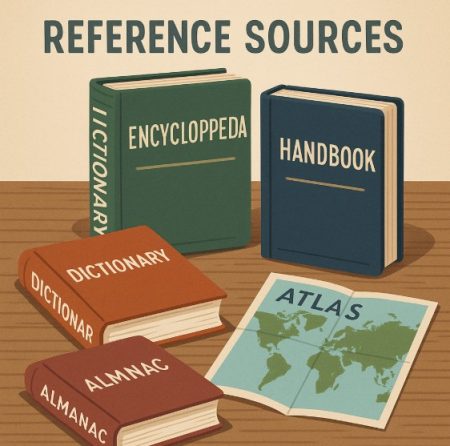
Reference books are indispensable tools that provide quick and reliable access to factual information on various topics. Unlike general reading materials, reference books are designed to be consulted for specific pieces of information rather than read cover-to-cover. They play a critical role in research, education, and general knowledge. Here is an overview of the different types of reference books and their unique purposes:
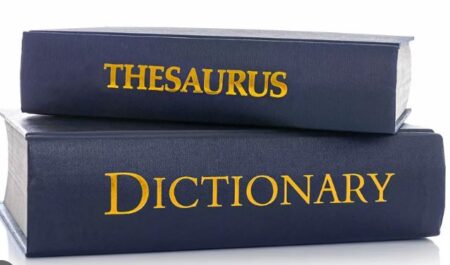
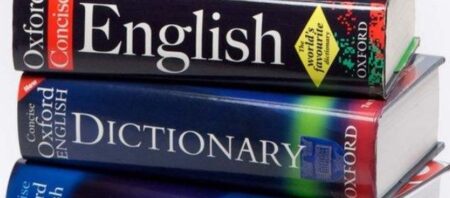
- Dictionaries: Dictionaries are essential reference books that provide definitions, pronunciations, word origins, and meanings. They are indispensable tools for improving vocabulary, understanding word usage, and enhancing language skills. Dictionaries come in various types, such as general dictionaries like the Oxford English Dictionary, which cover a broad range of words, and specialized dictionaries, such as medical or legal dictionaries, which focus on terms within specific fields. Bilingual dictionaries, like English-Spanish dictionaries, help bridge language barriers and support language learners. Dictionaries are fundamental for effective communication and learning by offering precise and concise information.
- Encyclopedias: Encyclopedias are comprehensive reference books that provide detailed overviews of topics across various disciplines. They are invaluable for gaining foundational knowledge or exploring subjects in depth. General encyclopedias, such as Encyclopaedia Britannica, cover many topics, while subject-specific encyclopedias, like The Encyclopedia of Science, focus on particular fields of study. Encyclopedias are often organized alphabetically or thematically, allowing users to quickly locate the information they need. They serve as reliable starting points for research and are commonly used in academic and professional contexts.
- Thesauruses: A thesaurus is a reference book that provides synonyms, antonyms, and related words for any given term. It is an essential tool for writers, students, and professionals seeking to enhance their vocabulary and improve the quality of their written work. For example, Roget’s Thesaurus is widely used to find alternative words and phrases, helping to avoid repetition and add variety to writing. Thesauruses also assist in understanding nuances in language, making them an indispensable resource for anyone aiming to communicate more effectively.
- Atlases: Atlases are collections of maps and geographical data that provide visual representations of the Earth’s surface. They are crucial for studying geography, understanding global trends, and exploring physical, political, and economic landscapes. World atlases, like the National Geographic Atlas, showcase comprehensive maps of countries and continents, while thematic atlases focus on specific topics such as climate, population, or natural resources. Atlases are widely used by students, researchers, and professionals for navigation, planning, and understanding spatial relationships.
- Almanacs: Almanacs are annual publications filled with facts, statistics, and chronological events. They provide a wealth of information on topics such as weather forecasts, astronomical data, historical events, and cultural milestones. Popular examples include The Old Farmer’s Almanac and World Almanac, which are frequently used for quick reference by both general readers and professionals. Almanacs are particularly valuable for their concise presentation of data and their ability to provide insights into yearly developments across various fields.
- Directories: Directories are reference books that contain lists of names, addresses, contact information, and organizational details. They serve as practical tools for locating individuals, businesses, or institutions. Common examples include business directories and professional directories like the Bar Directory for lawyers. Directories are widely used by professionals for networking and by the general public for finding specific services or individuals. Their structured format makes it easy to access relevant information quickly.
- Handbooks and Manuals: Handbooks and manuals are concise reference guides that provide practical instructions and detailed information on specific subjects. They are designed for quick consultation and are often used in professional and technical fields. For instance, the Oxford Handbook of Clinical Medicine is a trusted resource for medical practitioners, while user manuals offer step-by-step instructions for operating devices or software. These resources are indispensable for solving problems, acquiring skills, and enhancing productivity.
- Yearbooks: Yearbooks are annual publications that summarize significant developments and events within a particular year. They cover various topics, including politics, economics, sports, and entertainment. An example is the Statesman’s Yearbook, which provides insights into global political and economic trends. Yearbooks are valuable for tracking progress, analyzing changes, and gaining a snapshot of the world’s developments over a specific time frame. Researchers and historians often rely on them for historical context.
- Factbooks: Factbooks are concise collections of information and statistics on specific topics, often focusing on countries, demographics, or economic data. The CIA World Factbook is a well-known example, offering comprehensive details about nations, including their geography, population, government, and economy. Factbooks are excellent resources for quick reference, particularly for students, professionals, and individuals seeking a global perspective on various issues.
- Bibliographies: Bibliographies are reference works that list books, articles, and other resources related to a specific subject. They serve as guides for further research by directing users to relevant and authoritative sources. For example, the MLA International Bibliography provides an extensive list of academic works in the field of language and literature. Bibliographies are essential tools for researchers who need to explore existing literature and build upon prior studies in their own work.
- Indexes: Indexes are tools that help users locate specific information within a larger body of work, such as a book, journal, or database. They provide page references or links to relevant sections, saving time and effort in finding desired content. Examples include periodical indexes that list articles by topic or author and indexes at the back of books. Indexes are particularly useful in academic and professional research, where efficiency is crucial.
- Biographical Sources: Biographical sources offer detailed information about notable individuals, including their achievements, contributions, and life stories. Examples include the Who’s Who series and the Dictionary of National Biography. These reference books are commonly used by researchers, historians, and journalists to study the lives of influential figures across various fields. Biographical sources provide valuable context and inspiration, highlighting the impact of individuals on society and history.
Reference books are indispensable tools for acquiring knowledge, conducting research, and enhancing education. From dictionaries and encyclopedias to atlases and factbooks, each type serves a unique purpose, catering to diverse needs. Despite the rise of digital resources, reference books remain trusted and reliable companions, offering structured, accurate, and curated information. Their enduring value underscores their significance in a world driven by information and learning.