Ready Reference Service is not designed to handle research-level questions because its primary purpose is to provide quick, concise, and factual answers to simple information needs. Research-level questions, by contrast, are complex, analytical, and require in-depth investigation, evaluation of multiple sources, and synthesis of ideas. For example, a ready reference query such as “What is the definition of plagiarism?” or “When was the United Nations established?” can be answered instantly using a dictionary or encyclopedia. In contrast, a research-level question like “What are the socio-economic impacts of plagiarism in higher education?” or “How has the United Nations influenced global peacekeeping efforts over time?” cannot be answered with a brief factual response and requires extensive research.
The limitation of Ready Reference Service lies mainly in its scope and time frame. It is designed to deliver answers within a few minutes using standard reference tools, whereas research-level inquiries may require hours or even days of work. For instance, if a user asks, “What is the population of Bangladesh?” the librarian can quickly consult an almanac or official website and provide a direct answer. However, if the question is “What are the demographic trends and their impact on economic development in Bangladesh over the last decade?” the librarian would need to consult multiple research articles, statistical reports, and analytical studies. This type of query involves interpretation and critical analysis, which goes beyond ready reference.
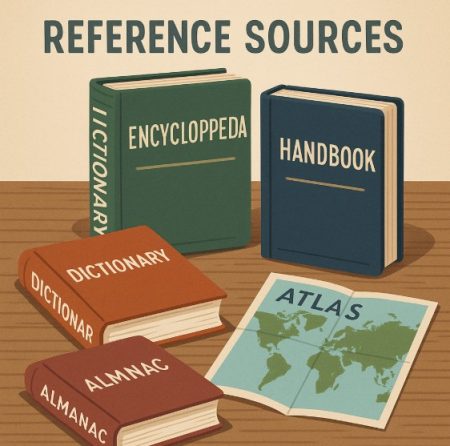
Another important distinction is the type of sources used. Ready Reference Service relies on quick-reference tools such as encyclopedias, handbooks, and directories, while research-level questions require scholarly databases, journal articles, books, and sometimes even primary data. For example, a question like “Who is the author of Pride and Prejudice?” can be answered immediately, but a question such as “What themes of social class are reflected in Pride and Prejudice?” requires literary analysis and consultation of critical studies, not just a simple factual source. However, the Ready Reference Service still plays a valuable supporting role in research. Librarians can use it as a starting point to guide users toward more appropriate resources. For example, if a student asks, “What are recent trends in artificial intelligence in healthcare?” the librarian might first provide a brief definition of artificial intelligence and then recommend databases like Scopus or relevant journals for further exploration. Similarly, for a topic like climate change, a librarian may give a short explanation and then direct the user to books, research articles, or institutional reports for deeper study.
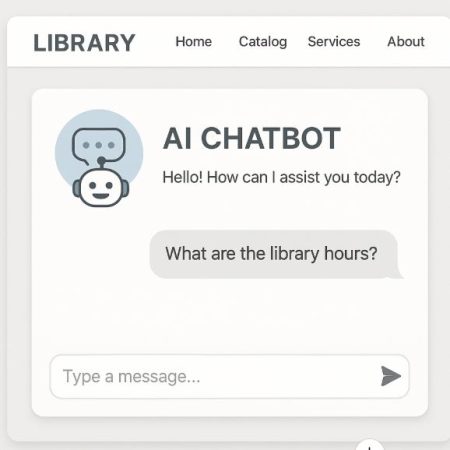
In the digital age, even though online tools and AI systems can provide quick information, they cannot replace the depth of analysis required for research-level inquiries. Therefore, Ready Reference Service is best suited for answering straightforward factual questions, while research-level questions require more comprehensive, time-intensive, and specialized research support.