
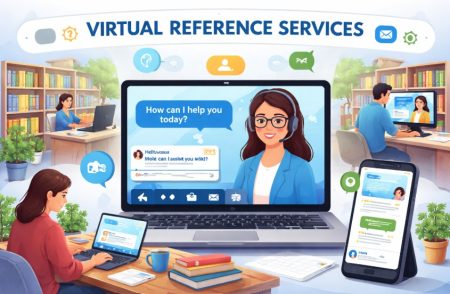
Artificial Intelligence (AI) chatbots are rapidly transforming the way libraries provide reference services. These intelligent virtual assistants use advanced natural language processing and machine learning algorithms to engage with library users in real time, answering questions, offering information, and guiding them through library systems. For example, many academic libraries have implemented AI chatbots to handle routine inquiries, such as asking for the library’s hours of operation, details about book availability, or instructions for renewing books online. This automation allows librarians to focus on more complex tasks, like conducting research consultations or assisting with specialized library resources.
AI chatbots are available 24/7, providing instant assistance, which is particularly valuable in academic libraries where students and researchers may need help outside of regular working hours. A good example is the chatbot “Library Chatbot” at The University of Queensland, which operates round-the-clock to assist users with various library services, such as finding books, accessing databases, and learning about citation styles. Additionally, AI chatbots can support multilingual communication, making them accessible to a diverse range of library patrons. For instance, the chatbot at the University of UC Berkeley is capable of communicating in both English and Spanish, enhancing its usability for international students.
As libraries continue to embrace digital innovation, AI chatbots offer an efficient, scalable, and cost-effective solution to enhance user experience and streamline reference services. By reducing the burden on library staff and providing immediate responses, AI chatbots improve access to information and foster a more responsive, user-centered library environment.
Primary Benefits of Integrating AI Chatbots into Library Reference Services
In recent years, the integration of Artificial Intelligence (AI) chatbots into library reference services has become increasingly popular, offering several benefits to both library staff and users. AI chatbots use natural language processing and machine learning algorithms to simulate human-like interactions, providing instant, reliable responses to library-related queries. This technological advancement is revolutionizing the way libraries interact with their users, improving efficiency, accessibility, and user satisfaction. Below are the primary benefits of integrating AI chatbots into library reference services.
- 24/7 Availability and Accessibility: One of the most significant advantages of AI chatbots is their ability to provide round-the-clock service, which ensures that library users have access to assistance at any time of the day or night. Unlike traditional reference services, which are limited by operating hours, chatbots can instantly respond to inquiries outside regular working hours. This is especially beneficial for academic libraries where students and researchers often require support during late hours or weekends. For example, a student working on a project late at night can receive immediate answers about available resources or citation guidelines without waiting for library staff to be available the next day. This 24/7 availability increases the overall accessibility of library services, offering users a more flexible and responsive experience.
- Reduction in Staff Workload: Another key benefit of integrating AI chatbots is the reduction in workload for library staff. Libraries often receive a high volume of repetitive and frequently asked questions, such as inquiries about library hours, book availability, or the process of renewing items. By automating these routine tasks, AI chatbots allow library staff to focus on more complex and specialized services, such as personalized research assistance, library instruction, or community engagement initiatives. This helps streamline operations, improve resource allocation, and reduce the burden on staff, making them more available for critical tasks that require human expertise.
- Cost-Effectiveness: AI chatbots also offer a cost-effective solution for libraries, especially those operating with limited budgets or high user demand. By automating routine tasks, libraries can reduce the need for additional personnel to handle reference services, particularly during peak periods. This cost-saving measure enables libraries to allocate resources more effectively, directing funds toward other essential areas such as acquiring new resources, improving digital collections, or expanding library programs. The long-term savings generated by chatbot integration can contribute to the overall sustainability of the library, allowing it to continue providing high-quality services without stretching its financial resources.
- Enhanced User Experience: AI chatbots provide quick, accurate, and consistent responses to user queries, significantly improving the user experience. Libraries often receive diverse inquiries from users with varying levels of information literacy. Chatbots can ensure that users receive reliable information without delay, reducing frustration and ensuring that patrons have the answers they need in a timely manner. For example, a chatbot could guide a user step-by-step on how to access an academic database or provide an instant overview of the library’s book borrowing policies. By offering fast, on-demand service, AI chatbots help libraries meet the expectations of today’s digital-first generation of users, enhancing overall satisfaction.
- Multilingual Support: Another key advantage of AI chatbots is their ability to offer multilingual support, making library services accessible to a broader range of users. Academic libraries, in particular, serve diverse communities with international students, researchers, and faculty members. Chatbots can be programmed to communicate in multiple languages, which ensures that all library users, regardless of their language background, can access information and services. For instance, a chatbot at a university library could provide assistance in both English and Spanish, helping non-English-speaking students navigate the library system and find the resources they need. This enhances inclusivity and ensures equitable access to library services for all users.
- Data Collection and Analysis: AI chatbots also offer valuable insights through data collection and analysis. By tracking user interactions, chatbots can gather data on common queries, user preferences, and areas where users may encounter difficulties. This data can then be used by library staff to identify patterns, assess user needs, and improve services. For example, if a chatbot frequently receives questions about accessing specific digital resources, this information can prompt the library to provide clearer instructions or offer additional user training. Moreover, chatbots can help libraries understand the evolving needs of their users, which is essential for adapting to changing demands and improving library services over time.
- Promoting Digital Literacy: The integration of AI chatbots in library services also provides an opportunity to promote digital literacy among library users. As chatbots become an increasingly common tool in various industries, libraries have the opportunity to familiarize patrons with this technology. Users who interact with chatbots in the library gain valuable experience in using AI-driven tools, which can enhance their skills and confidence in navigating digital platforms. This is particularly beneficial for students, as they can apply these skills in their academic and professional lives, where AI technologies are becoming more prevalent.
The integration of AI chatbots into library reference services brings numerous benefits, including 24/7 availability, reduced staff workload, cost-effectiveness, and improved user experience. Additionally, AI chatbots enhance accessibility through multilingual support, gather valuable data for continuous improvement, and offer scalability to meet the needs of diverse libraries. As technology continues to evolve, the role of AI chatbots in libraries is likely to expand, offering even greater opportunities for innovation and user engagement. By embracing these AI-driven solutions, libraries can enhance their services, improve operational efficiency, and better meet the needs of their users in an increasingly digital world.
How AI Chatbots Can Enhance the User Experience in Libraries
AI chatbots are transforming the user experience in libraries by providing instant, accurate, and personalized assistance, improving accessibility, and reducing wait times. These intelligent systems allow users to access information 24/7, eliminating the need to wait for a librarian to become available. This is particularly valuable in academic libraries where students and researchers may need assistance during late hours or on weekends. Additionally, AI chatbots can support multiple languages, making library services more accessible to non-native speakers and ensuring equitable access for all users. Through machine learning algorithms, chatbots can offer a personalized experience by remembering user preferences and providing relevant recommendations based on past interactions. This customization allows users to find resources more efficiently, improving their overall experience.
AI chatbots also empower users by enabling them to self-serve, providing answers to routine inquiries such as library hours, book availability, and how to access resources without waiting for human intervention. This convenience boosts user confidence and satisfaction, as they can quickly find solutions on their own. By reducing the workload of library staff, chatbots free up time for more complex tasks, such as conducting research consultations or providing specialized services. Moreover, chatbots can collect valuable data on user behavior and common queries, which helps libraries improve services by identifying trends and adjusting resources accordingly.
In addition to enhancing the library experience for on-site users, AI chatbots also support remote users by providing assistance with digital resources and online databases. This is particularly important in libraries serving online or hybrid learning environments. By ensuring that remote users have access to library services, chatbots contribute to a more inclusive and comprehensive library experience. Overall, the integration of AI chatbots in libraries streamlines operations, improves accessibility, and enhances the overall user experience by offering quick, reliable, and personalized support.
How AI Chatbots Can Improve the Efficiency of Library Reference Services
Artificial Intelligence (AI) chatbots are increasingly becoming integral to library reference services, driving efficiency by automating routine tasks, enhancing user interactions, and streamlining library operations. By leveraging machine learning and natural language processing, AI chatbots can provide quick and accurate responses to common library inquiries, enabling libraries to manage high volumes of interactions without requiring additional human resources. In doing so, they allow library staff to focus on more specialized tasks and improve the overall efficiency of library services.
- Automating Routine Inquiries: One of the primary ways AI chatbots improve efficiency is by automating routine and repetitive inquiries that library staff often handle. Common questions regarding library hours, book availability, overdue fees, and directions to different sections of the library can all be addressed by a chatbot. By offloading these tasks to the chatbot, libraries reduce the burden on staff, enabling them to allocate more time to complex or specialized tasks such as research assistance or teaching information literacy skills. This automation helps to streamline library operations and significantly reduce the time spent on answering basic queries, thus increasing overall productivity.
- 24/7 Availability and Instant Responses: AI chatbots also offer the advantage of round-the-clock availability, providing instant responses to users regardless of time or location. This is especially beneficial in academic libraries where students and researchers may need assistance outside normal operating hours. Whether it’s late at night or over the weekend, chatbots are always available to assist with basic questions or guide users to relevant resources. This continuous availability increases efficiency by ensuring that users receive the help they need when they need it, without having to wait for staff to become available. It also improves user satisfaction by reducing frustration and providing a seamless experience.
- Personalized and Adaptive Assistance: AI chatbots can enhance efficiency by providing personalized assistance to library users. Through machine learning, these chatbots can remember past interactions, user preferences, and frequently requested information. For instance, a chatbot might recall a user’s previous queries related to a specific research topic and offer updated resources or similar articles. This level of personalization streamlines the research process, making it faster and more efficient for users to find the information they need. Additionally, as the chatbot learns from each interaction, it becomes increasingly adept at understanding user behavior and anticipating needs, further improving the efficiency of library reference services.
- Handling High Volumes of Interactions: In libraries that experience high traffic or serve large populations, AI chatbots can significantly reduce wait times and manage multiple inquiries simultaneously. Unlike human staff who can only handle a limited number of interactions at a time, chatbots can respond to multiple users at once, providing answers instantly to numerous queries without delay. This is particularly beneficial during peak times such as the beginning of a semester or during finals when library demand is high. Chatbots can quickly assist a large volume of users, ensuring that no one is left waiting for support. By managing these interactions, chatbots prevent bottlenecks and enhance the overall efficiency of library reference services.
- Reducing Operational Costs: AI chatbots also offer a cost-effective solution for libraries by reducing the need for additional staff to handle routine inquiries. By automating basic reference services, libraries can minimize operational costs while still providing high-quality assistance to users. In large libraries, this can lead to significant savings, as chatbots can perform the work of several staff members, especially during busy periods. These cost savings can be reinvested into other areas of library services, such as expanding digital collections, upgrading technology, or improving user programs.
- Integrating with Library Systems: AI chatbots can be seamlessly integrated with various library systems, including online catalogs, databases, and discovery tools. By linking the chatbot with the library’s digital infrastructure, users can be directed to the right resources more quickly and accurately. For instance, if a user asks the chatbot about a specific journal, the bot can provide direct links to the article or suggest similar resources available in the library’s database. This integration enhances the efficiency of information retrieval and ensures that users are guided to the most relevant materials without delay, reducing the time spent searching for resources.
- Improved Resource Allocation: By automating basic and routine reference tasks, AI chatbots allow library staff to focus on higher-value activities, such as conducting research workshops, managing digital resources, or supporting advanced reference queries. This improved allocation of human resources leads to greater overall efficiency, as staff can engage in tasks that directly contribute to user education and the development of library programs. Chatbots handle repetitive tasks, allowing librarians to engage more deeply in specialized, user-centric services.
Incorporating AI chatbots into library reference services brings a host of benefits that improve efficiency, reduce wait times, and enhance the overall quality of service. By automating routine inquiries, providing 24/7 availability, handling high volumes of interactions, and personalizing user experiences, chatbots streamline library operations and allow staff to focus on more complex tasks. Additionally, the ability to collect and analyze data enables libraries to continuously improve their services based on user behavior and needs. AI chatbots are a powerful tool for modern libraries, offering an efficient, cost-effective solution for enhancing reference services and optimizing user experiences.
Main Challenges in Implementing AI Chatbots for Library Reference Assistance
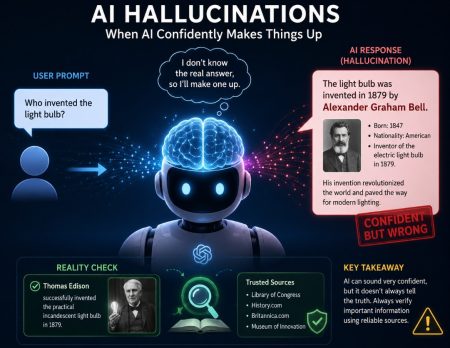
Implementing AI chatbots for library reference assistance comes with several challenges that need to be carefully addressed for effective integration. One of the primary issues is ensuring the accuracy and reliability of responses. AI chatbots rely on pre-programmed algorithms and machine learning models, but they may struggle with complex, nuanced, or unfamiliar questions. Libraries must continually update and refine the chatbot’s knowledge base to ensure it remains relevant and accurate, which involves regular maintenance and training to adapt to emerging topics or new library resources. Without accurate responses, the chatbot could provide incorrect information, undermining its usefulness and frustrating users.
Another challenge is overcoming technological limitations. While AI chatbots excel at handling routine inquiries, they may encounter difficulties with more complex or diverse user queries. For example, chatbots may struggle to understand slang, regional language variations, or non-standard phrasing. Additionally, chatbots may be less effective at addressing specialized research questions or offering in-depth support on complex academic topics. To mitigate this, libraries must ensure their chatbots are capable of understanding a wide range of inputs and can escalate queries that fall outside their scope to human staff.
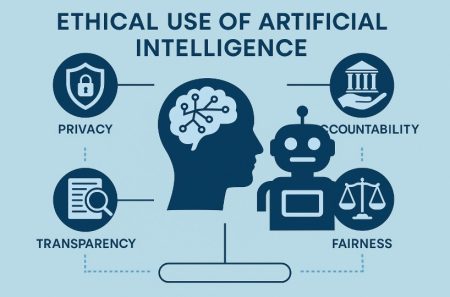
User trust and acceptance are another significant barrier to successful chatbot implementation. Some users may prefer human interaction, especially for complex or sensitive matters. To build trust, libraries must clearly communicate the chatbot’s capabilities and limitations, helping users understand when to rely on AI assistance and when to seek help from a librarian. Privacy concerns are also common, as users may feel uneasy about sharing personal information with AI systems. Addressing these concerns with transparent data handling practices and ensuring that the chatbot adheres to privacy policies can help overcome resistance and build confidence in the system.
The integration with existing library systems is another major challenge. To function effectively, AI chatbots must be seamlessly connected to the library’s catalog, databases, and other digital resources. Achieving this integration can be technically difficult, as libraries often use various software platforms that may not easily communicate with each other. Without proper integration, the chatbot may struggle to provide relevant search results or guide users to the right resources. Ensuring that the chatbot works smoothly with the library’s infrastructure is essential for delivering an efficient and reliable service. For libraries with diverse user bases, providing multilingual support is also a critical challenge. AI chatbots need to be programmed to understand and respond in multiple languages, which requires advanced language models and consistent updates to handle different dialects, slang, and academic terminology. Even though AI can handle multiple languages, ensuring the chatbot’s ability to offer accurate responses across all supported languages remains a complex task, particularly when dealing with diverse academic environments.
Complex or emotional interactions present another challenge. While AI chatbots can easily handle routine queries, they lack the emotional intelligence necessary to manage sensitive or nuanced issues. Users may require support on complex topics, such as mental health resources or detailed research assistance, where empathy and human understanding are crucial. In such cases, chatbots must be designed with clear escalation procedures to ensure that users can be transferred to a librarian when needed. AI chatbots also require continuous maintenance and improvement. As library services and resources evolve, chatbots need regular updates to stay accurate and effective. This requires a commitment of time, effort, and expertise, which can be resource-intensive for libraries. Failing to maintain and improve the chatbot may lead to outdated information and decreased user satisfaction.
Finally, the budget and resource constraints of libraries can make it difficult to implement and maintain AI chatbots. Libraries, especially those with limited budgets, may face challenges in allocating resources for the initial setup, training, and ongoing maintenance of the system. Smaller libraries or those with fewer technological resources may struggle to justify the investment required for chatbot implementation.
AI Chatbots and 24/7 Accessibility of Library Services
AI chatbots play a crucial role in supporting 24/7 accessibility of library services by providing users with round-the-clock assistance, regardless of the time of day or the library’s operating hours. Traditionally, library services are limited to set hours, which can be restrictive for users who need help outside of those times, such as late at night, on weekends, or during holidays. AI chatbots bridge this gap by being available at any time, allowing users to get immediate answers to common queries, such as checking library hours, finding available books, or accessing digital resources, all without having to wait for human staff.
This constant availability is especially beneficial for students, researchers, and faculty members who may be working on assignments or research projects during non-traditional hours. For instance, a student working late into the night on a thesis can use the chatbot to inquire about available journal articles or database access, receiving quick, accurate responses without having to wait until the library opens the next day. Additionally, AI chatbots are not restricted by physical space, meaning they can assist an unlimited number of users simultaneously, providing a scalable solution to handle high volumes of inquiries during peak periods.
AI chatbots enhance global accessibility, making library services available to users in different time zones. International students or remote users can still interact with the library system at their convenience, making the library’s resources and support more inclusive and accessible to a broader audience. In essence, AI chatbots ensure that library services remain always available, improving user satisfaction by providing immediate assistance and increasing overall accessibility to library resources, no matter the time or location.
Integrating AI Chatbots with Existing Library Systems and Databases
AI chatbots can be seamlessly integrated with existing library systems and databases to enhance user interactions and improve overall service efficiency. The integration process typically involves connecting the chatbot to the library’s online catalog, digital repositories, search engines, and other digital resources. By doing so, the chatbot can retrieve real-time information from the library’s system, providing users with accurate and up-to-date details about book availability, journal articles, or other resources without the need for manual searching. For example, when a user asks the chatbot about the availability of a specific book, the chatbot can query the library’s integrated catalogue and instantly provide the user with the relevant information, such as location, availability, and due dates.
Moreover, AI chatbots can be integrated with the library’s subscription databases to assist users in accessing academic articles, e-books, or other scholarly resources. Through this integration, the chatbot can guide users in navigating complex databases or provide them with direct links to the resources they are searching for. Chatbots can also interact with library management systems to automate functions like checking out materials, renewing items, or even notifying users about overdue books. This integration not only improves the user experience by providing immediate responses but also enhances the efficiency of library operations by automating routine tasks that would otherwise require human intervention.
AI chatbots can be connected to user accounts in the library’s system, enabling personalized interactions. For instance, the chatbot can track a user’s borrowing history, recommend relevant resources based on past behavior, or notify users about upcoming due dates and fines. To ensure the smooth integration of chatbots with existing library systems, libraries may need to collaborate with IT teams or third-party vendors to ensure compatibility with different software platforms and systems in use. Through effective integration, AI chatbots can significantly enhance library services, making them more responsive, efficient, and user-friendly.
The Role of Human Librarians in AI-Driven Reference Services
Even with the integration of AI chatbots in reference services, human librarians continue to play an essential role in supporting and enhancing library services. While AI chatbots are effective at handling routine inquiries and providing quick, accurate responses to commonly asked questions, human librarians are indispensable for managing more complex, nuanced, or sensitive issues that require expertise, empathy, or judgment. For instance, when users need detailed research assistance, guidance on advanced search strategies, or support with specialized databases, librarians bring their knowledge and professional experience to bear. In these cases, librarians act as critical resources, guiding users through more intricate or customized needs that go beyond the capabilities of AI chatbots.
Human librarians are responsible for training, supervising, and fine-tuning the chatbot, ensuring that it provides accurate, relevant, and up-to-date information. Librarians can monitor chatbot interactions, assess its performance, and intervene when the chatbot provides incorrect or insufficient responses. Additionally, librarians are key to ensuring that the chatbot is regularly updated with new library resources, services, and policies, maintaining its effectiveness as a reliable tool for users. They also assist in escalating complex or emotionally sensitive inquiries, ensuring that users who may be frustrated or require in-depth support are directed to the appropriate human staff member.
Human librarians also continue to foster personal connections with users, which AI chatbots cannot replicate. Many library users still value human interaction, particularly when dealing with personalized research needs, academic guidance, or support during challenging situations. While AI chatbots are valuable tools for improving efficiency and accessibility, the empathetic and relational aspects of library services remain firmly within the domain of human librarians. Their role is therefore complementary to AI chatbots, with librarians focusing on specialized assistance, user engagement, and overseeing the technological tools that enhance library services.
Reference Articles:
- Ali, M. (2024). AI ChatGPT Applications in Libraries—Challenges and Opportunities. Bilgi ve Belge Araştırmaları Dergisi / The Journal of Information and Documentation Studies, 0(20), 18–26. https://doi.org/10.26650/bba.2023.20.1364582
- Chase, M. (2024). Academic Libraries Can Develop AI Chatbots for Virtual Reference Services with Minimal Technical Knowledge and Limited Resources. Evidence Based Library and Information Practice, 19(2), Article 2. https://doi.org/10.18438/eblip30523
- Fatouh, A. H., & Hamam, A. A. (2024). Investing of Chatbots to Enhance the Library Services. American Journal of Information Science and Technology, 8(1), Article 1. https://doi.org/10.11648/j.ajist.20240801.12
- Guy, J., Pival, P. R., Lewis, C. J., & Groome, K. (2023). Reference Chatbots in Canadian Academic Libraries. Information Technology and Libraries, 42(4), Article 4. https://doi.org/10.5860/ital.v42i4.16511
- Idhris*, M., & Peter, M. (n.d.). Investigating the impact of AI chatbots on library operations and information retrieval in academic libraries. IP Indian Journal of Library Science and Information Technology, 9(2), 132–134. https://doi.org/10.18231/j.ijlsit.2024.021
- Integrating AI chatbot on the academic library website. (2023). http://hdl.handle.net/2263/93936
- Kaushal, V., & and Yadav, R. (2022). The Role of Chatbots in Academic Libraries: An Experience-based Perspective. Journal of the Australian Library and Information Association, 71(3), 215–232. https://doi.org/10.1080/24750158.2022.2106403
- Li, L., & Coates, K. (n.d.). The Future of Academic Reference Services in the Age of Artificial Intelligence: An Overview.
- Nawaz, N. (2021). Artificial Intelligence Chatbots for Library Reference Services (SSRN Scholarly Paper 3883917). Social Science Research Network. https://papers.ssrn.com/abstract=3883917
- Nawaz, N, Saldeen, &, & A, M. (2020). ARTIFICIAL INTELLIGENCE CHATBOTS FOR LIBRARY REFERENCE SERVICES. Journal of Management Information and Decision Sciences, 23(1S), 1–213.
- Team, P. (n.d.). Artificial intelligence in academia: Chatbot applications in libraries. Retrieved June 27, 2025, from https://blog.pressreader.com/libraries-institutions/artificial-intelligence-in-academia-chatbot-applications-in-libraries
- Technologies, K. (2023, October 25). Assistance of Artificial Intelligence Chatbots in Library Reference Service. Medium. https://kaittechnologies.medium.com/assistance-of-artificial-intelligence-chatbots-in-library-reference-service-c2e7fe8ab0e3





1 Comment
https://lovescape.com/ AI chatbots are designed to engage users on an emotional level, offering conversations that feel genuine and heartfelt. The platform’s advanced emotional engagement features allow the AI to respond empathetically, creating a sense of connection and understanding. This depth of interaction sets Lovescape apart from other AI platforms, providing users with a more meaningful and fulfilling experience.