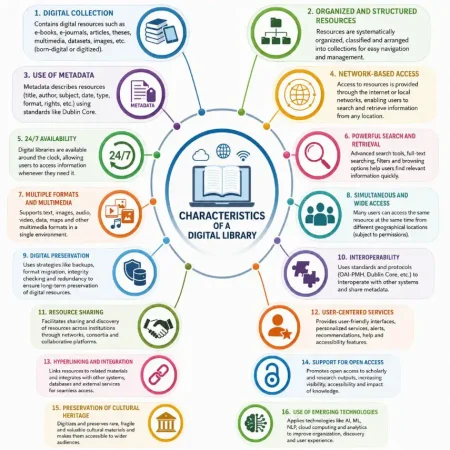
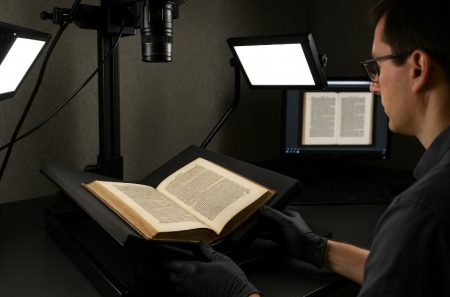
The role of digitization in expanding library services has become increasingly pivotal in the modern library landscape. As technology continues to evolve, libraries are embracing digital tools to enhance the accessibility, efficiency, and scope of their resources. Digitization enables libraries to provide remote access to a wide range of materials, from e-books and journals to digital archives and multimedia content, breaking down geographical barriers and ensuring that resources are available 24/7. For example, the Library of Congress in the United States has digitized a large portion of its collections, allowing researchers and the public to access historical documents, photographs, and rare texts from anywhere in the world. This shift not only expands the reach of libraries but also allows for more efficient management of collections, improved preservation of fragile materials, and the introduction of innovative services such as virtual reference assistance, online catalogs, and digital learning platforms. The British Library’s digitization of over 40 million pages of its collection, including manuscripts, maps, and printed books, is another example of how libraries are preserving rare and valuable materials while making them available to a global audience. Furthermore, digitization supports the democratization of knowledge, particularly for marginalized and underserved communities, by making educational resources more accessible to all. For instance, many universities and public libraries have collaborated on providing open-access databases and digital textbooks, ensuring that students in remote areas can still access high-quality academic resources. As libraries continue to adopt and integrate digital technologies, they are redefining their roles as information hubs, ensuring their relevance and value in an increasingly digital world.
The Role of Digitization in Expanding Library Services
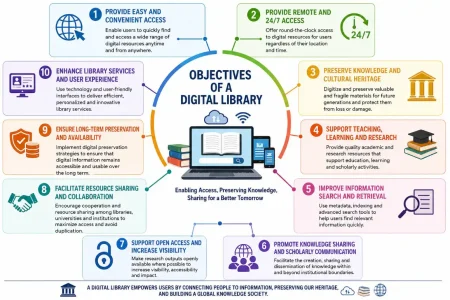
In recent years, digitization has become a key factor in transforming and expanding library services, enabling libraries to meet the evolving needs of users in the digital age. As traditional libraries transition to digital platforms, they enhance the accessibility, efficiency, and scope of their collections and services. Digitization allows libraries to break down geographical barriers, increase resource availability, and offer new services that were once unimaginable in a solely physical environment.
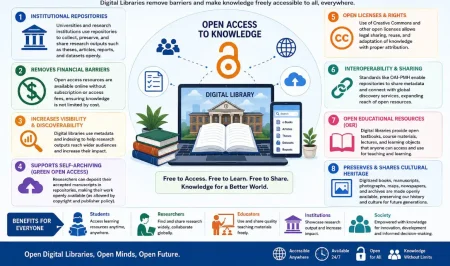
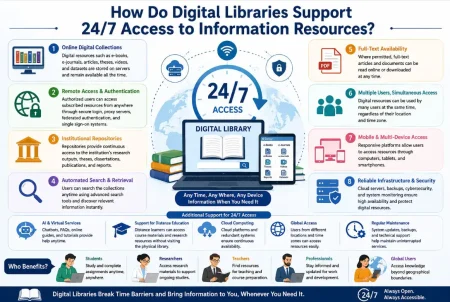
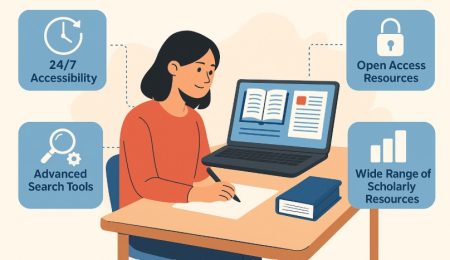
- Enhancing Accessibility and Global Reach: One of the most significant advantages of digitization is the increased accessibility it provides to library resources. Previously, library materials were limited by physical location, with users needing to visit libraries in person to access books, journals, and archives. Through digitization, libraries have made it possible for users to access materials remotely, 24/7, from anywhere in the world. This is particularly beneficial for those in remote or underserved areas, who may not have easy access to physical library facilities.
For example, the Digital Public Library of America (DPLA) has digitized millions of items from libraries, museums, and archives across the United States, offering a wealth of information on various topics ranging from history and culture to science and technology. Similarly, institutions like Harvard University and the University of California have developed extensive digital collections of scholarly works, making academic research more accessible to students, researchers, and the general public worldwide. - Preservation and Long-Term Access: Digitization also plays a crucial role in the preservation of fragile and rare materials. Many historical documents, manuscripts, and early printed books are vulnerable to deterioration due to age, exposure to light, or handling. Digitizing these items ensures that they can be preserved indefinitely, without further physical degradation. Furthermore, digital copies can be stored in multiple locations, ensuring they remain accessible even in the event of natural disasters or other damaging events.
An excellent example of this is the British Library’s digitization initiative, which has made over 40 million pages from its rare collections available online. Through this effort, users around the world can access manuscripts, ancient maps, and historical texts that would otherwise be inaccessible or at risk of being lost. This form of preservation not only safeguards these materials but also enables future generations to study and learn from them. - Improved Resource Management and Efficiency: Beyond accessibility and preservation, digitization also improves the internal operations of libraries. By converting physical materials into digital formats, libraries can manage their collections more efficiently. Digital catalogs, for example, allow for quicker searches and better organization, while also reducing the need for physical storage space. Libraries can also track the usage of digital resources more easily, enabling them to assess demand and make informed decisions about future acquisitions or updates to their collections.
Moreover, digital systems can automate various administrative tasks, such as borrowing and returning items, reducing the workload on library staff, and streamlining library operations. This shift to a more digital approach allows libraries to redirect resources towards user-focused services, enhancing the overall user experience. - New Services and Learning Opportunities: Digitization has paved the way for the development of innovative services and learning opportunities. With the advent of e-books, online databases, and digital learning platforms, libraries can now offer educational resources that are not bound by time or space. Virtual reference services, online research guides, and video tutorials have become increasingly popular, offering users personalized assistance and guidance without the need for physical interactions.
For instance, the New York Public Library (NYPL) offers a range of digital services, including virtual storytimes for children and online learning resources for all ages. In addition to traditional offerings, NYPL has incorporated interactive features, such as live-streamed author talks and digital book clubs, making library services more engaging and relevant to modern users. Furthermore, libraries are increasingly hosting webinars, workshops, and training sessions on topics such as digital literacy, academic writing, and research methods, all delivered through digital platforms. - Challenges and Opportunities in Digital Equity: While digitization brings numerous benefits, it also presents challenges, particularly in terms of digital equity. Not all users have access to high-speed internet or modern digital devices, which can limit their ability to fully participate in digital library services. This digital divide is a significant concern, especially in rural or economically disadvantaged communities.
To address this, many libraries have implemented programs to bridge the gap. For example, some offer free access to computers and internet services, while others provide mobile hotspots or partner with local organizations to distribute digital devices to students. Additionally, libraries are increasingly focusing on providing digital literacy training to help users develop the skills they need to navigate digital platforms effectively.
As libraries continue to adapt to the digital age, digitization remains at the heart of their transformation. By expanding access to resources, preserving valuable collections, improving resource management, and offering innovative services, libraries are redefining their roles as educational and informational hubs. While challenges remain, the ongoing efforts to bridge the digital divide and ensure equitable access to digital resources will only strengthen libraries’ ability to serve diverse communities. With the continued growth of digital technologies, the future of libraries looks bright, offering an array of possibilities for both users and institutions alike.
The Transformation of Library Management and Access through Digitization
Digitization has profoundly transformed the way libraries manage and provide access to information, reshaping traditional practices to meet the demands of a digital age. Previously, libraries operated primarily with physical collections, where users had to visit in person to browse materials, and resources were often limited to the size of the library’s physical space. With the advent of digitization, libraries have expanded their reach beyond physical boundaries, offering online catalogues, e-books, journals, and multimedia content that can be accessed from anywhere in the world at any time. This shift has significantly enhanced the accessibility of library resources, enabling remote users, students, and researchers to access valuable materials without needing to physically step into a library building.
Moreover, digitization has streamlined the management of library collections. Digital catalogues have replaced card catalogues, allowing for quicker, more efficient searches and better organization. Libraries can now manage vast amounts of data more easily, track usage patterns of digital materials, and make data-driven decisions about acquisitions and resource allocations. Additionally, automated systems for borrowing, returning, and renewing materials have reduced manual work, allowing library staff to focus on providing more personalized services to users.
Primary Benefits of Digitizing Library Collections for Users and Institutions
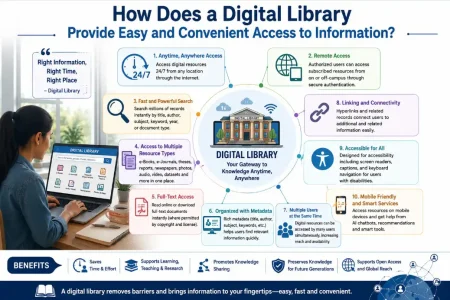
Digitizing library collections offers a wide range of benefits, both for users and institutions, enhancing accessibility, efficiency, and preservation. For users, the most significant advantage is the increased accessibility to library resources. Digitized materials can be accessed from anywhere in the world at any time, eliminating the need for physical visits to the library. This is particularly valuable for users in remote areas or those with mobility challenges. Whether it’s e-books, academic journals, or archival materials, digitized content allows for instant access, making it easier for individuals to find and utilize resources at their convenience.
Additionally, digitization improves the searchability of materials. Users can quickly locate specific content within vast digital collections using online catalogs, search engines, or specialized databases, something that was far more time-consuming in physical formats. For instance, a researcher can easily search through thousands of historical documents, scan through journal articles, or access multimedia files without the limitations of physical space.
For institutions, digitization enhances the management and preservation of collections. Digital resources take up far less physical storage space, reducing the need for large physical archives and making room for new acquisitions. Additionally, digitized materials are less vulnerable to wear and tear, ensuring their long-term preservation. Rare and fragile items that might have been at risk of deterioration due to frequent handling are now available in digital formats, ensuring their survival for future generations. Digitization also makes resource management more efficient. Libraries can track digital materials, monitor usage patterns, and analyze data to improve services and acquisitions. Furthermore, digitization helps institutions provide greater visibility for their collections, attracting more users and expanding the library’s role in research, education, and community engagement.
In What Ways Has Digitization Improved the Efficiency of Library Operations and Resource Management?
The advent of digitization has radically transformed library operations and resource management, enabling libraries to operate more efficiently and serve their users in ways that were previously unimaginable. From the automation of routine tasks to enhanced accessibility of information, digitization has allowed libraries to streamline processes, optimize resources, and offer more dynamic and user-friendly services. This article explores the various ways digitization has improved the efficiency of library operations, making libraries more responsive, cost-effective, and capable of meeting the growing demands of their users.
- Automation of Routine Administrative Tasks: One of the most significant ways digitization has improved library efficiency is through the automation of administrative tasks. In traditional libraries, activities such as checking out materials, managing overdue items, and maintaining physical card catalogs required considerable manual effort and time. With the advent of digital library management systems (LMS), these processes have become automated.
For instance, library management systems allow users to check out and return books via self-service kiosks or online platforms. Additionally, systems can automatically send reminders for overdue items and manage the circulation of materials, reducing the administrative workload and improving accuracy. Automation also ensures that library staff can focus more on user services, such as providing research assistance, facilitating digital literacy programs, and supporting academic activities, rather than spending time on routine paperwork and manual data entry. - Digital Catalogues and Enhanced Searchability: Digitization has replaced physical card catalogues with digital ones, transforming the way library resources are organized and accessed. Digital catalogues not only make it easier for users to search for materials but also enhance the efficiency of the library’s operations by providing real-time updates. Instead of manually searching through rows of books or card files, users can search for resources instantly by title, author, subject, or keyword.
The integration of metadata and indexing in digital catalogs allows users to find precisely what they need with minimal effort. For library staff, digital catalogues provide more efficient ways to track materials, monitor inventory, and assess usage patterns. They can quickly identify which materials are frequently used or in high demand, helping libraries make informed decisions about collection development and acquisitions. This shift to digital catalogs also reduces the risk of errors or misplacements, ensuring that materials are easily located and available for patrons. - Streamlined Resource Management and Inventory Control: Resource management has become significantly more efficient with the digitalization of library materials. In traditional libraries, tracking resources involved physical inventory checks, which could be time-consuming and prone to error. With digitized systems, libraries can track every item, whether physical or digital, in real-time. Digital records ensure that the status and location of materials are up-to-date, enabling libraries to know exactly where each resource is at any given time.
Additionally, digital systems can automatically manage the availability of items, alerting staff when a resource is overdue, misplaced, or in need of maintenance. This leads to better resource allocation, as libraries can prioritize the procurement of new materials based on usage trends and data insights. Furthermore, libraries can make more informed decisions about deaccessioning materials that are underutilized or outdated, improving the overall relevance and accessibility of their collections. - Facilitating Collaboration and Resource Sharing: One of the advantages of digitization is the ability to facilitate collaboration and resource sharing between libraries. Digitized resources can be shared across institutions more easily, ensuring that users have access to a broader array of materials without each library having to maintain a complete collection. Digital consortia or interlibrary loan systems enable libraries to share e-books, academic journals, databases, and other digital content, greatly enhancing access to resources while reducing costs.
For example, a library in a remote area may not have the budget to purchase expensive research journals, but through digitization and resource sharing, it can access these materials from larger, well-funded institutions. This collaboration not only benefits users by increasing access to a wide range of resources but also optimizes institutional spending, as libraries can reduce duplicate acquisitions. - Enhanced Preservation of Valuable Resources: Digitization plays a crucial role in preserving valuable and fragile materials. Many libraries house rare manuscripts, historical documents, and other materials that are at risk of deterioration due to physical handling, environmental factors, or natural disasters. By digitizing these materials, libraries can create permanent digital copies that can be accessed and studied without compromising the integrity of the originals.
For instance, historical newspapers, old books, and manuscripts can be digitized and made available to researchers worldwide without the need to handle the fragile physical versions. Additionally, digitization makes it easier for libraries to back up and store digital copies in secure environments, ensuring that valuable materials are not lost due to unforeseen events such as floods, fires, or theft. This preservation aspect ensures that rare and important collections remain accessible for generations to come. - Expanding Access to Remote and Underserved Users: Digitization has been particularly transformative in expanding access to library services for remote or underserved populations. Through digital platforms, libraries can reach users who may not have easy access to physical library buildings due to geographical distance, financial limitations, or mobility issues. Whether it’s access to e-books, online courses, or digital research databases, digitization ensures that libraries can offer services to a broader audience.
Moreover, libraries can offer virtual reference services, where users can get real-time assistance from library staff through chat, video calls, or email. This has proven to be especially valuable during the COVID-19 pandemic, when many library users were unable to visit in person but still needed access to educational resources and assistance.
Digitization has undeniably improved the efficiency of library operations and resource management, offering significant benefits to both libraries and their users. By automating routine tasks, enhancing resource accessibility, facilitating collaboration, and improving preservation, libraries are better equipped to meet the evolving needs of their users in an increasingly digital world. As technology continues to advance, the role of digitization in libraries will only expand, helping them remain at the forefront of information access and management for years to come.
The Impact of E-books and Digital Media on Traditional Library Services
The adoption of e-books and digital media has significantly transformed traditional library services, reshaping how libraries provide access to information and interact with their users. One of the most notable changes is the expansion of access to resources. Traditionally, libraries were limited by physical space, with a finite number of books and materials available for borrowing. With the integration of e-books and digital media, libraries can now offer an almost limitless number of resources to their users, making it easier for patrons to access a wide range of materials without the constraints of physical space or time. Digital formats also enable libraries to serve remote users who may not have easy access to physical library buildings, breaking down geographical barriers and providing 24/7 access to information.
The adoption of e-books and digital media has enhanced the convenience of library services. Users can borrow digital materials instantly, bypassing the need to physically visit the library, wait in line, or deal with due dates for returns. This on-demand access has transformed how users engage with library collections, allowing them to read, listen to, or watch materials on their own schedules. Additionally, digital formats often come with built-in features such as searchable text, adjustable font sizes, and multimedia elements, offering a more flexible and interactive reading experience compared to traditional print materials.
However, the shift to digital media has also presented challenges for traditional library services. Many libraries have had to rethink their resource management strategies, adjusting budgets and infrastructure to accommodate the increasing demand for digital formats. Licensing and copyright issues related to e-books and digital media are complex, and libraries must navigate agreements with publishers to ensure fair access to digital resources. Despite these challenges, the integration of e-books and digital media has enhanced the overall functionality of libraries, enabling them to meet the evolving needs of modern users while preserving the core mission of providing equitable access to information.
The Role of Digitization in Increasing Access to Educational Resources in Remote or Underserved Areas
The digitization of library services plays a crucial role in increasing access to educational resources in remote or underserved areas, bridging gaps that once limited educational opportunities. In the past, individuals in these areas often faced significant barriers to accessing essential educational materials, such as textbooks, research articles, and academic journals, due to geographic isolation, lack of physical infrastructure, and limited local library services. However, the digitization of library resources has helped to overcome these challenges by providing remote access to a vast array of digital materials, enabling learners in even the most distant or economically disadvantaged regions to benefit from high-quality educational content.
With digitized resources, libraries are able to offer e-books, academic papers, and digital archives that can be accessed via the internet. This means that students, educators, and lifelong learners in rural or underserved areas can access the same resources as those in well-connected urban centers, eliminating the need for costly and time-consuming travel to physical libraries. For example, initiatives like the Digital Public Library of America and Open Library have digitized millions of books and documents, making them freely available online to anyone with an internet connection. Additionally, many universities and research institutions have made their resources available through open-access platforms, allowing individuals in remote areas to access educational materials that were once out of reach.
Digital library services enable the provision of remote learning and educational support through online resources such as virtual classrooms, webinars, and e-tutoring. For students in underserved regions who may not have access to local educational institutions or teachers, these services offer invaluable opportunities for learning and academic advancement. In this way, digitization not only provides access to educational materials but also fosters a more inclusive and equitable learning environment, ensuring that education is not limited by geography or infrastructure.
Balancing Digital Resources with the Need for Physical Collections in Libraries
As libraries continue to embrace digital transformation, finding a balance between the benefits of digital resources and the need for physical collections has become a critical consideration. Digital resources offer unparalleled convenience, accessibility, and scalability, allowing users to access a vast array of materials remotely, 24/7. However, physical collections still play a vital role in preserving cultural heritage, supporting research, and providing tangible resources for users who prefer traditional formats or lack reliable internet access. The key to achieving balance lies in strategically integrating both digital and physical resources to complement each other, rather than viewing them as competing formats.
One way libraries can balance digital and physical collections is by maintaining core collections in physical format while expanding their digital offerings. For example, libraries can prioritize digitizing rare, fragile, or frequently requested materials, such as historical manuscripts, out-of-print books, and archival documents, to preserve them for future generations while making them more accessible to a global audience. At the same time, they can continue to provide physical books and resources that offer a tactile experience, which some users may find more engaging or easier to navigate compared to digital versions. Additionally, libraries can enhance user experience by offering both digital and physical formats of popular or widely-used materials. This allows users to choose their preferred method of access based on their needs and circumstances. For instance, textbooks and reference materials can be available as e-books for convenience and accessibility, while still being available in print for those who prefer reading on paper. Libraries can also ensure that print resources remain available for communities with limited access to digital infrastructure, such as those in rural or underserved areas where internet connectivity is unreliable.
Another approach is the incorporation of hybrid models that allow users to seamlessly transition between digital and physical formats. For example, libraries can implement digital catalogs and interactive platforms that provide detailed information about physical holdings, including availability, locations, and user reviews. This not only enhances access to digital content but also guides users in making informed decisions about when and how to access physical materials, whether through interlibrary loans, onsite borrowing, or digital access.
How Digitization Supports Research by Providing Easier Access to Scholarly Articles, Journals, and Other Academic Materials
Digitization has significantly transformed the research landscape by providing easier and faster access to scholarly articles, journals, and other academic materials. Traditionally, researchers had to rely on physical copies of books, journals, and articles, often requiring time-consuming visits to libraries or interlibrary loan services. This process could be especially challenging for researchers in remote or underserved areas, limiting their access to essential academic resources. However, with the rise of digitized collections, researchers now enjoy unprecedented access to a wealth of scholarly materials from the comfort of their own homes or offices, breaking down geographical and logistical barriers.
Digitized academic resources such as e-journals, online databases, and digital archives offer instant access to an extensive range of scholarly articles, research papers, and journals. Platforms like JSTOR, Google Scholar, PubMed, and institutional repositories allow researchers to search, retrieve, and access peer-reviewed materials at the click of a button. These digital tools enable more efficient searches by utilizing keywords, subject headings, and metadata, making it possible to quickly locate relevant materials. Researchers can easily track citations, view full-text articles, and explore supplementary resources, all in real-time. This ease of access not only accelerates the research process but also ensures that researchers can stay up-to-date with the latest developments in their fields.
Digitization also helps improve collaboration and knowledge sharing among scholars. Digital platforms allow for the easy sharing of research findings, enabling collaborative projects across institutions and countries. Scholars can now access, reference, and cite each other’s work in ways that were previously more difficult or limited to physical interactions. Digital archives and open-access repositories, such as arXiv and institutional research hubs, also provide a platform for researchers to freely share their work with a global audience, contributing to the broader academic community.
In addition to improving access to current materials, digitization plays a key role in preserving and making historical academic works accessible. Many older journals, research papers, and rare books that were once available only in physical format are now digitized, preserving them for future generations of researchers. This is especially important for rare or fragile materials that would otherwise be inaccessible due to deterioration or limited availability.
The Impact of Digitization on the Digital Divide and Libraries’ Role in Ensuring Equitable Access
While digitization has brought significant advancements in information accessibility, it has also highlighted the issue of the digital divide—the gap between those who have easy access to digital technologies and the internet, and those who do not. In the context of libraries, digitization has the potential to provide vast educational and informational resources, but this can be problematic for individuals and communities that lack the necessary technological infrastructure, such as reliable internet connections, digital devices, or even the basic digital literacy required to navigate online platforms. This divide disproportionately affects individuals in rural, low-income, and underserved areas, as well as older adults and those with limited educational opportunities.
For many, the shift to digital resources means greater access to a world of knowledge and services, but for others, it means exclusion from essential academic, professional, and personal development opportunities. Without the means to access online libraries, e-books, academic journals, and research databases, these individuals are at a distinct disadvantage in an increasingly digital world. This digital divide can exacerbate existing inequalities, hindering access to educational materials, job opportunities, and essential social services that are increasingly moving online.
Libraries have a critical role to play in addressing this challenge and ensuring equitable access to digital resources. One of the key ways libraries can help bridge the digital divide is by providing access to digital tools and infrastructure. Many libraries offer free access to computers, Wi-Fi, and digital training programs, allowing users to access the internet and digital resources they might not otherwise be able to afford. By ensuring that users have access to technology, libraries can help them take advantage of the vast array of digital materials available, whether for academic research, job searching, or personal development. Moreover, libraries can offer digital literacy training to help users develop the skills needed to navigate digital platforms effectively. By teaching individuals how to search for information, use online databases, and assess the credibility of digital sources, libraries can empower users to engage fully with digital resources. Providing such training ensures that users not only have access to digital tools but are also equipped to use them effectively and confidently.
Libraries can also focus on providing a balance between digital and physical resources. While digital access is essential, not all individuals are comfortable with or have the ability to use digital formats. Offering a variety of formats-both print and digital-ensures that libraries remain accessible to those who may have limited digital access or skills.