What Is an RFID Book Drop Box?
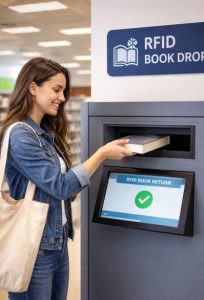 An RFID book drop box is a self-service library return system that uses Radio Frequency Identification (RFID) technology to automate the process of returning library materials. Each library item is fitted with an RFID tag that stores a unique identification number linked to the library’s management system. When a user places a book into the RFID book drop box, an internal RFID reader instantly scans the tag and automatically records the item as returned in the system, without the need for manual handling by library staff.
For example, a student who finishes using a textbook late at night can simply drop the book into the RFID book drop box installed near the library entrance. Even though the circulation desk is closed, the system reads the RFID tag, updates the student’s account, and ensures the book is no longer shown as checked out. Similarly, during busy class hours, multiple users can return several books at once through the book drop box, avoiding long queues at the circulation desk.
Compared to traditional manual returns, RFID book drop boxes significantly reduce errors. For instance, in a conventional system, a returned book might remain incorrectly listed as overdue until staff manually check it in. With RFID technology, the return is logged immediately, helping users avoid unnecessary fines and ensuring accurate records. For library staff, the system streamlines workflows by enabling returned items to be sorted and processed more efficiently, thereby improving the overall user experience. In this way, RFID book drop boxes serve as a practical and modern solution for both library users and library operations.
Purpose of an RFID-Enabled Book Drop Box in the Library
The primary purpose of an RFID-enabled book drop box in a library is to provide a fast, accurate, and user-friendly way for patrons to return library materials without depending on the circulation desk. By using RFID technology, the system automatically identifies returned items and updates the library management system in real time, ensuring that books are officially checked in as soon as they are dropped into the box. This reduces manual processing, minimizes human error, and helps users avoid unnecessary overdue notices or fines.
Another important purpose of an RFID book drop box is to extend library services beyond regular operating hours. For example, students and faculty can return books early in the morning, late at night, or during holidays, making the library more accessible and convenient. At the same time, the system improves operational efficiency by reducing queues at the circulation desk and allowing library staff to focus on user support, collection management, and other value-added services.
Location of the RFID Book Drop Box in the Library
The RFID book drop box is typically located in a highly accessible and visible area of the library to ensure convenient use by all library users. In most libraries, it is placed near the main entrance or exit, allowing users to return books quickly without needing to enter the full library space. This strategic placement is especially helpful for users who wish to return materials outside regular service desk hours or during busy periods.
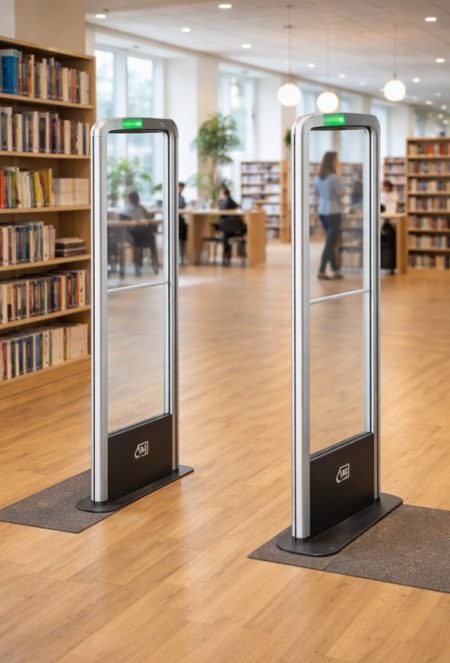
In many academic libraries, the RFID book drop box may also be installed outside the circulation desk area or near security checkpoints, ensuring smooth integration with the library’s RFID security system. For example, some libraries place the book drop box at the entrance floor or lobby area so users can return books even when the library is closed.
Who Can Use the RFID Book Drop Box?
The RFID book drop box can be used by all registered library members who are authorized to borrow library materials. This typically includes students, faculty members, researchers, and administrative staff who have valid library borrowing privileges. The system is designed to be user-friendly and does not require any special technical knowledge, making it accessible to users of all levels.
Because the RFID book drop box operates automatically, users do not need to present a library ID card or interact with library staff at the time of return. For example, a student returning borrowed books after class hours or a faculty member returning materials early in the morning can use the book drop box without visiting the circulation desk. As long as the items are borrowed from the library and properly RFID-tagged, eligible users can return them conveniently through the RFID book drop box, regardless of time or staff availability.
Is the RFID Book Drop Box Available 24/7?
In most libraries, the RFID book drop_box is available 24/7, allowing users to return library materials at any time, regardless of the library’s regular service hours. This round-the-clock availability is one of the key advantages of an RFID-enabled book drop system, as it provides maximum convenience for users who may not be able to visit the library during staffed hours.
For example, students can return books late at night after completing assignments, or early in the morning before classes begin. Even when the circulation desk is closed, the RFID system automatically reads the book’s tag and records the return in the library management system. However, some libraries may process returns on the next working day for administrative purposes, especially during system maintenance or holidays. Users are therefore encouraged to check their library’s specific policy regarding return time cut-offs and processing schedules.
How Does the RFID Book Drop_Box Work?
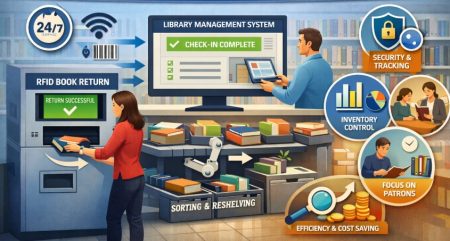
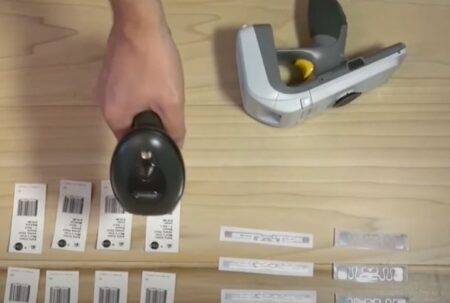
An RFID book drop_box works by combining RFID technology with the library’s automated circulation system to ensure fast and accurate book returns. Each library item is embedded with an RFID tag that contains a unique identification code linked to the library management system. When a user drops a book into the RFID book drop box, an internal RFID reader immediately scans the tag and identifies the item without requiring manual handling or barcode scanning.
Once the RFID tag is detected, the system automatically updates the library database and marks the item as returned under the user’s account. This process usually happens in real time or within a few seconds, reducing the risk of items being incorrectly shown as overdue. In many libraries, the book drop box is also connected to sorting bins or conveyor mechanisms, allowing returned items to be safely collected and organized for reshelving.
How Does the System Recognize the Returned Book?
The system recognizes a returned book through the RFID tag embedded inside each library item. This RFID tag contains a unique identification number that is linked to the book’s record in the library management system. When a book is placed into the RFID book drop box, built-in RFID readers emit radio waves that activate the tag and read its stored information without requiring direct contact or line-of-sight scanning.
Once the RFID reader captures the tag data, the system instantly matches it with the corresponding bibliographic and circulation record in the library database. As a result, the book is automatically identified and marked as returned under the user’s account. This contactless, automated recognition process ensures high accuracy, reduces manual errors, and enables multiple books to be detected quickly and efficiently via the RFID book drop system.