What Is an RFID Self-Check Machine in the Library?
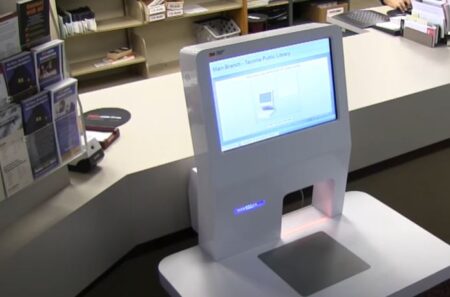
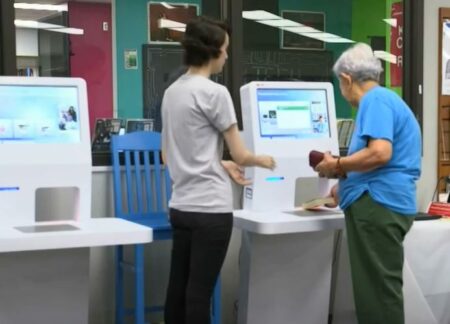
 An RFID self-check machine in the library is a self-service circulation system that allows users to borrow and return library materials independently without direct assistance from library staff. RFID stands for Radio Frequency Identification, a technology in which a small RFID tag is embedded inside each library item and linked to the library management system. For example, when a student places two or three textbooks on the self-check machine and scans their university ID card, the machine automatically detects all the books at once, verifies the student’s borrowing privileges, and completes the issuing process within a few seconds.
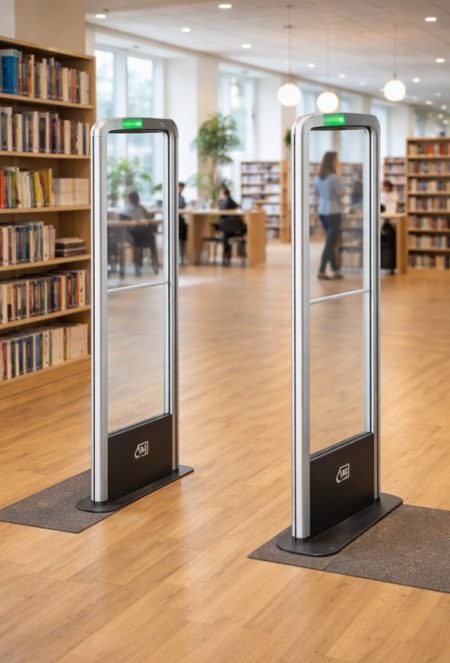
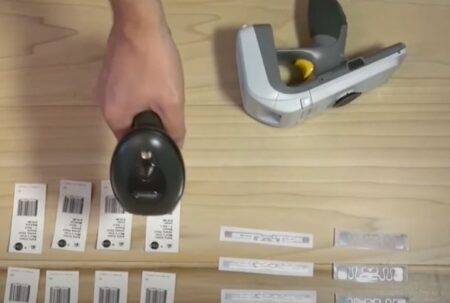
The RFID self-check machine communicates directly with the library’s integrated library system (ILS), instantly updating the user’s account and changing the security status of the books. For instance, once a book is successfully issued through the self-check machine, its security bit is automatically deactivated, allowing the user to exit the library without triggering the security gate alarm. In contrast to traditional barcode-based systems—where each book must be scanned one by one—RFID enables multiple items to be processed simultaneously, which is particularly helpful during peak hours such as exam periods.
From the user’s perspective, RFID self-check machines reduce waiting time and provide greater privacy. For example, a user borrowing sensitive research materials or personal interest books can complete the transaction discreetly without standing in a queue at the circulation desk. From the library’s perspective, these machines improve operational efficiency by handling routine circulation tasks. As a result, library staff can devote more time to activities such as research assistance, information literacy training, and user support.
How Does the RFID Self-Check System Work?
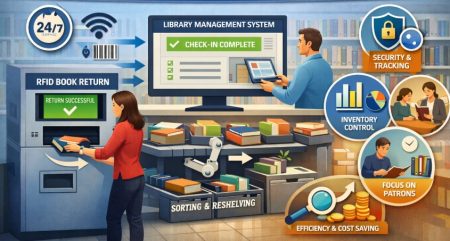
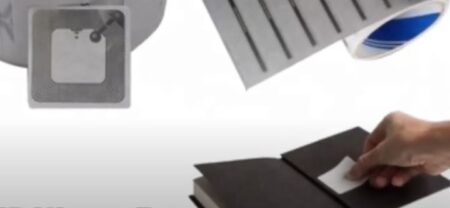
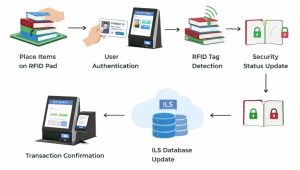 The RFID self-check system uses Radio Frequency Identification (RFID) technology to automate circulation in libraries, allowing users to issue and return library materials independently. Each library item, such as a book or DVD, contains a small RFID tag that holds a unique identification number linked to the item’s record in the library management system. When a user places one or more items on the RFID self-check machine, the built-in RFID reader instantly detects the tags through radio waves without requiring line-of-sight scanning, unlike traditional barcode systems.
After placing the items on the machine, the user authenticates themselves—usually by scanning a library ID card or entering a user ID. The system then communicates with the library’s circulation database in real time to verify the user’s borrowing eligibility, loan limits, and any existing restrictions. Once approved, the system records the transaction, assigns due dates, and updates the user’s account automatically. At the same time, the security status of the items is changed. For example, when a book is issued, its security bit is deactivated so the user can exit the library without triggering the security gates; when a book is returned, the security bit is reactivated.
Finally, the RFID self-check system confirms the transaction by displaying a message on the screen and, in many cases, providing a printed or digital receipt. This fully automated process significantly reduces transaction time, minimizes manual errors, and improves user convenience. By streamlining routine circulation tasks, RFID self-check systems help libraries deliver faster, more efficient, and user-centered services while allowing staff to focus on research support and user education.
Why Has the Library Introduced an RFID Self-Check Machine?
The library has introduced an RFID self-check machine to improve service efficiency, reduce waiting time, and enhance the overall user experience. In traditional circulation systems, users often need to wait in queues at the service desk to borrow or return books, especially during peak hours such as class breaks or examination periods. RFID self-check machines allow users to complete these routine transactions independently, enabling faster processing and smoother traffic flow within the library.
Another important reason for introducing RFID self-check machines is to promote self-service and user independence. Modern library users are increasingly comfortable with technology and prefer quick, autonomous services similar to self-checkout systems in banks or retail stores. By offering RFID self-check facilities, the library empowers users to manage their borrowing activities conveniently while also ensuring privacy during transactions.
From an operational perspective, RFID self-check machines help the library optimize staff workload and resource utilization. Routine circulation tasks such as issuing and returning books can be handled by the system, allowing library staff to focus more on value-added services like research support, information literacy training, and personalized user assistance. Additionally, RFID technology improves the accuracy of circulation records and enhances security by automatically updating item status, reducing the risk of loss or misplacement.
Is the RFID Self-Check Machine Easy to Use for First-Time Users?
Yes, the RFID self-check machine is designed to be simple, intuitive, and user-friendly, even for first-time users. The system typically features a clear touchscreen interface with step-by-step instructions that guide users through the borrowing or returning process. Visual icons, on-screen prompts, and short messages make it easy for new users to understand what to do, such as where to place books or when to scan their library ID card.
For first-time users, the process usually requires only a few basic steps: placing the books on the RFID pad, authenticating with a library ID, and confirming the transaction. Because RFID technology can read multiple books at once and does not require precise alignment, users do not need technical skills or prior training to operate the machine. In many libraries, brief instructions are displayed near the machine, and staff are available nearby to assist if needed.
Where Is the RFID Self-Check Machine Located in the Library?
The RFID self-check machine is usually located in a highly visible and easily accessible area of the library, most often near the circulation or service desk. This placement allows users to quickly find the machine as they enter or exit the library and ensures that assistance from library staff is readily available if needed. Positioning the machine close to the circulation area also helps users transition smoothly from traditional desk services to self-service options.
In many academic libraries, the RFID self-check machine is installed near the main entrance or exit, often close to security gates. This location is practical because users can issue or return books just before leaving the library, and the system can immediately update the security status of items. Clear signage, floor guides, or brief instructions are typically provided around the machine to help users easily identify it.
Is the User’s Personal Information Safe When Using the RFID Self-Check Machine?
Yes, a user’s personal information is generally safe and well-protected when using an RFID self-check machine in the library. The RFID tags embedded in library books do not store personal data such as names, ID numbers, or borrowing history. Instead, these tags contain only a unique item identification code, which is used by the system to link the book to its record in the library management system. All user-related information is securely stored in the library’s central database, not on the RFID tag itself.
During a self-check transaction, the machine communicates with the library’s integrated system through secure internal networks. User authentication, loan records, and due dates are handled in real time under established library privacy policies. Additionally, access to circulation data is restricted to authorized library systems and staff only. As a result, RFID self-check machines support convenience and efficiency while maintaining confidentiality and protecting users’ personal information in line with standard data security and privacy practices.
What Are the Benefits of Using the RFID Self-Check Machine?
The RFID self-check machine offers significant benefits by speeding up library circulation, making it more convenient, and making it more user-centered. One key advantage is transaction speed, as RFID technology can read multiple items simultaneously without requiring precise scanning. This greatly reduces the time needed to borrow or return books and helps minimize queues at the circulation desk, especially during busy academic periods. Users can complete their transactions quickly and independently, improving overall satisfaction with library services.
Another important benefit of RFID self-check machines is enhanced user convenience and privacy. The system allows users to manage their borrowing activities through a simple, guided interface, making it easy for even first-time users to operate. At the same time, users can borrow materials discreetly without interacting with a public service counter. From the library’s perspective, RFID self-check machines improve operational efficiency by automating routine circulation tasks and reducing human error in record keeping. This enables library staff to devote more time to research support, information literacy training, and personalized user services.