
Communication skills refer to the ability to effectively exchange information, ideas, and feelings through verbal, non-verbal, and written means. In the context of librarianship, these skills encompass active listening, clear communication, professional writing, and the effective use of digital communication tools. Librarians serve as intermediaries between information resources and users, and effective communication enables them to accurately understand users’ needs, guide them to relevant resources, and explain complex information in a simple and accessible manner. Whether assisting users at the reference desk, conducting information literacy sessions, or responding to online queries, strong communication skills help librarians deliver timely, accurate, and user-centered services.
Communication skills are essential in librarianship because libraries are service-oriented institutions that depend heavily on interaction with diverse user groups. Users come from varied academic, cultural, and technological backgrounds, and librarians must adapt their communication style to ensure inclusivity and clarity. Effective communication fosters trust, enhances user satisfaction, and promotes a positive library environment. Moreover, in an era of digital libraries, online databases, and AI-driven services, librarians must communicate clearly through emails, virtual reference platforms, and social media to remain accessible and relevant. Thus, communication skills are not only fundamental to daily library operations but also critical for the professional identity and evolving role of librarians in the modern information landscape.
The Importance of Communication Skills in Librarianship
Communication skills are a core professional competency in librarianship, as libraries function primarily as service-oriented institutions. Librarians interact continuously with users, colleagues, and institutional stakeholders, and the effectiveness of these interactions directly influences the quality of library services. For example, when a librarian clearly explains borrowing rules or research support services to a new student, it helps the user understand library systems and use resources confidently. In both traditional and digital library settings, strong communication skills enable librarians to connect users with appropriate information resources, explain services and policies, and support learning and research activities effectively.
In the library context, communication skills include verbal, non-verbal, written, and digital forms of interaction. Verbal communication is essential during face-to-face encounters at service points, such as guiding a user to locate books using call numbers or demonstrating how to search the online public access catalogue. Non-verbal cues, including eye contact, facial expressions, and body language, help create a welcoming and supportive environment, especially for users who may feel hesitant to ask questions. Written communication plays a crucial role in preparing emails, library notices, user guides, research tutorials, and policy documents, such as providing clear instructions for accessing electronic databases or renewing books online.
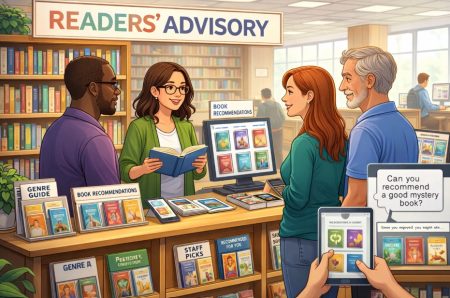
Effective communication is central to delivering user-centered library services. Users often approach the library with unclear or partially formed information needs, and librarians rely on active listening and thoughtful questioning to accurately understand these needs. For instance, when a user asks for “articles on management,” a librarian may ask follow-up questions about the academic level, subject focus, or publication date before recommending suitable databases or journals. Clear explanations and guidance help users retrieve relevant information efficiently while also improving their confidence in using library resources independently.
Communication skills are particularly important in information literacy instruction and research support. Librarians regularly teach users how to search academic databases, evaluate the credibility of information sources, use citation styles, and understand plagiarism policies. For example, explaining concepts such as Boolean operators or similarity reports requires the ability to simplify technical terms without losing accuracy. When librarians communicate these ideas clearly during workshops or classroom sessions, students are more likely to apply them correctly in their assignments and research projects.
In the digital environment, communication has become more diverse and technologically mediated. Librarians now assist users through email, virtual reference chat services, online tutorials, and social media platforms. Clear and concise digital communication is essential for guiding users in accessing electronic journals, resolving login issues, and utilizing remote access tools. For instance, providing step-by-step written instructions with screenshots for accessing off-campus databases can significantly reduce user confusion. Since non-verbal cues are limited in virtual interactions, the tone, clarity, and organization of written messages become especially important.
Effective communication skills also play a crucial role in library management and teamwork. Effective internal communication supports collaboration among staff, ensures consistency in service delivery, and facilitates the smooth implementation of policy or procedural changes. For example, clearly communicating updated circulation policies or changes in service hours during staff meetings or through internal emails helps avoid misunderstandings and ensures that all staff provide accurate information to users. In leadership roles, librarians utilize effective communication skills to motivate staff, delegate responsibilities, and resolve workplace conflicts in a constructive manner.
Finally, communication skills shape the professional image and ethical standards of librarianship. Respectful and inclusive communication enables librarians to serve users from diverse educational and cultural backgrounds while upholding professionalism and confidentiality. For example, explaining library policies politely to a user who has an overdue book helps maintain a positive relationship while enforcing rules. Poor communication, on the other hand, can lead to user dissatisfaction and a negative perception of library services. Therefore, strong communication skills are essential not only for effective service delivery but also for upholding the values and credibility of the library profession.
In summary, communication skills are fundamental to all aspects of librarianship. Through clear explanations, active listening, and effective written and digital communication, librarians enhance user services, support education and research, strengthen internal collaboration, and maintain professional standards. As libraries continue to evolve in response to technological advancements and changing user expectations, the importance of communication skills in librarianship remains critical and enduring.



1 Comment
i need more about the liabrary