In the modern context, a library is no longer defined merely as a storehouse of books; it has evolved into a dynamic hub for knowledge access, digital resources, and community engagement. Today’s libraries serve as inclusive spaces where individuals can access not only print materials but also a wide range of electronic databases, multimedia content, online journals, e-books, and digital learning tools. For example, university libraries often subscribe to platforms like Scopus, JSTOR, or IEEE Xplore, giving students and researchers access to peer-reviewed journals and conference proceedings. Many modern libraries also offer internet workstations, digital lending services like OverDrive, and e-learning platforms such as Coursera or LinkedIn Learning, making them essential tools for both academic and personal development. Additionally, libraries host workshops, literacy programs, coding boot camps, and author talks, encouraging broader community participation and engagement.
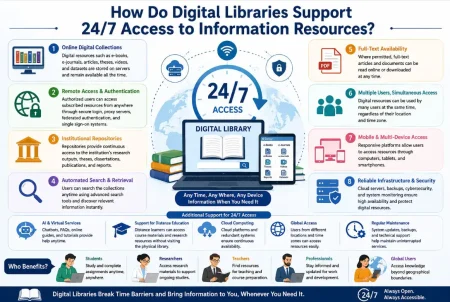
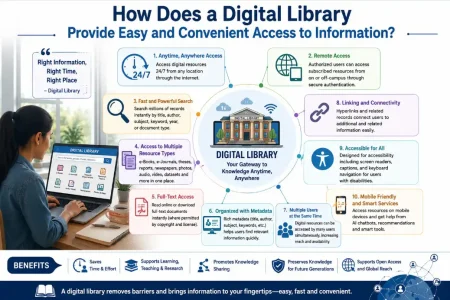
The evolution of libraries has been remarkable. From their traditional role as custodians of printed books and archival documents, libraries have transitioned into hybrid models that integrate physical and digital content. With the rise of the internet, open-access platforms, and mobile technology, libraries have adapted to meet the changing information needs of users. For instance, many academic libraries now maintain institutional repositories for storing digital theses and faculty publications (e.g., DSpace or EPrints), while public libraries offer Wi-Fi hotspots, mobile apps for catalog browsing, and even remote chat-based reference services to support users beyond physical boundaries.
Understanding the purposes of a library in this expanded framework is crucial for education, research, and community development. Libraries not only support formal learning and scholarly work but also foster critical thinking, creativity, and informed citizenship. For example, in educational settings, libraries provide resources for student projects, faculty course design, and interdisciplinary research. In communities, libraries often serve as safe spaces for marginalized populations, offering job search assistance, legal aid resources, or health information clinics. As such, recognizing the multifaceted roles and purposes of libraries is essential to appreciating their value in the 21st-century knowledge ecosystem.
Purposes of a Library
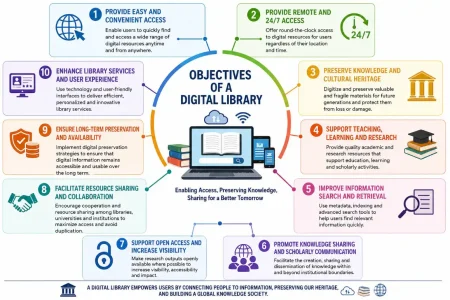
Libraries are no longer passive warehouses of books; they are dynamic, evolving institutions that fulfill diverse and essential functions in modern society. Whether serving students, researchers, or the general public, libraries act as access points for knowledge, platforms for community engagement, and enablers of innovation and equity. Below is a detailed exploration of the core purposes of libraries in today’s world.
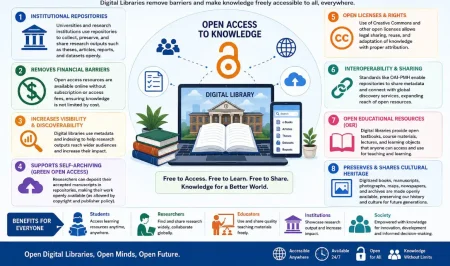
- To Provide Free and Equitable Access to Information: Libraries are built on the principle that access to information is a fundamental right. Regardless of one’s socio-economic status, a library offers free access to a wide variety of resources-books, magazines, newspapers, academic journals, encyclopedias, and digital materials. This purpose ensures that all individuals, including those who cannot afford to purchase educational resources, are not deprived of learning opportunities. Example: A student from a low-income background may not afford to buy expensive textbooks, but can access them through the university library, ensuring a level playing field in academic performance.
- To Support Education and Lifelong Learning: Libraries actively support both formal education systems and self-directed learning. In schools and universities, libraries provide curriculum-aligned resources, study spaces, and research guidance. Beyond academic institutions, public libraries offer programs for adult literacy, vocational training, parenting skills, and personal development, enabling people to learn continuously throughout their lives. Example: A working professional may visit a library to borrow books on entrepreneurship or attend a financial literacy workshop to better manage personal finances.
- To Promote Research and Academic Excellence: Libraries are research enablers, particularly in higher education and scientific communities. They provide access to scholarly publications, research databases (like JSTOR, Scopus, PubMed), and specialized tools for citation and referencing. Librarians assist researchers in identifying credible sources, conducting systematic reviews, and adhering to ethical publishing practices. Example: A university faculty member working on a research paper can access thousands of peer-reviewed journal articles through the institution’s library subscriptions, saving both time and money.
- To Preserve Cultural and Historical Heritage: Libraries serve as repositories of collective memory, preserving the cultural, intellectual, and historical artifacts of a society. This includes rare manuscripts, old newspapers, photographs, oral histories, government documents, and religious texts. Digitization projects further protect fragile items and make them accessible globally. Example: The National Library may hold handwritten letters from historical figures or first-edition books, which are critical for historians and researchers studying a nation’s past.
- To Foster Community Engagement and Social Inclusion: Modern libraries function as inclusive social spaces that connect diverse communities. They host cultural programs, lectures, author meetups, storytelling sessions, and citizen forums. These activities promote dialogue, creativity, empathy, and social cohesion. Libraries also provide services to marginalized populations-immigrants, the elderly, people with disabilities-creating an inclusive environment for all. Example: A public library may host a local art exhibition where amateur artists can showcase their work and interact with their community.
- To Bridge the Digital Divide: In a digital society, access to the internet and technology is crucial—but not universal. Libraries play a key role in bridging the digital divide by offering free computer access, Wi-Fi, digital literacy training, and online resource navigation assistance. This helps users apply for jobs, complete homework, or access essential services online. Example: A rural library may allow visitors to use desktop computers and scanners to apply for national ID cards or government scholarship services otherwise unavailable to them at home.
- To Enhance Information and Media Literacy: Libraries not only provide access to information but also teach users how to evaluate, analyze, and use information responsibly. In an era of misinformation and fake news, media and digital literacy are critical. Libraries teach how to cite sources, avoid plagiarism, verify facts, and respect intellectual property rights. Example: A university library might host a workshop for students on how to identify predatory journals and publish in credible academic outlets.
- To Provide Safe, Inclusive, and Flexible Spaces: Libraries are among the few public spaces that are free, safe, and non-commercial. They offer quiet reading areas, group discussion zones, prayer rooms, gender-neutral restrooms, and accessibility features like ramps and elevators. This makes libraries welcoming for people of all backgrounds and needs. Example: A student with special needs may find the library’s assistive technology room, equipped with screen readers and adjustable desks, essential for their studies.
- To Encourage Creativity and Innovation: Libraries now embrace creativity, experimentation, and hands-on learning. Many have makerspaces with 3D printers, robotics kits, and design software. Others provide tools for podcasting, music production, and video editing. These spaces encourage users to build, innovate, and express ideas in new formats. Example: A teenager may use the library’s recording studio to produce a podcast episode for a school project or creative portfolio.
- To Uphold Intellectual Freedom and Democratic Values: Libraries are champions of intellectual freedom, advocating for the right to read, think, and express freely. They oppose censorship, protect user privacy, and offer balanced collections that represent multiple viewpoints. Libraries foster informed citizenship, helping individuals understand public policy, history, and current affairs. Example: During elections, a library might display neutral information about voting procedures and host nonpartisan debates or information sessions.
In today’s fast-paced, information-rich world, libraries are more relevant than ever. They are educational anchors, cultural guardians, technology access points, community connectors, and defenders of freedom and equity. Each of their purposes-whether enabling research, preserving heritage, or building digital skills-contributes to the personal and societal growth of individuals. Understanding the expanded roles and purposes of libraries helps communities advocate for their support, funding, and sustainability in a rapidly changing world.