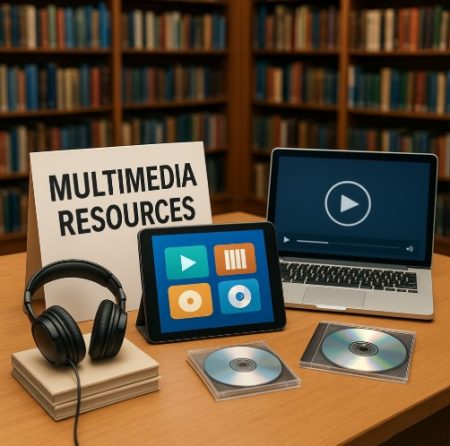
Multimedia refers to the integration of multiple forms of media, such as text, audio, images, video, and interactive elements, into a single, cohesive experience. It combines these various elements to deliver content in ways that are more engaging, dynamic, and impactful than traditional media, which typically relies on a single form, like text or images. The use of multimedia can be seen in various fields, including education, entertainment, advertising, and communications, where it helps to convey information more effectively and creatively. For instance, in education, multimedia presentations combining text, images, and video can enhance a lesson by providing visual context and real-world examples, making complex concepts easier to understand. In the entertainment industry, movies, video games, and online streaming platforms like Netflix use multimedia to create immersive worlds that captivate audiences. In advertising, companies like Coca-Cola and Nike use multimedia campaigns that integrate catchy jingles, captivating visuals, and compelling narratives to create memorable brand experiences. By incorporating different sensory elements, multimedia not only captures the attention of the audience but also enhances the understanding and retention of the information being presented. In today’s digital age, multimedia plays a critical role in how we interact with and experience content, transforming static information into immersive and interactive experiences that are accessible across various platforms, from websites to mobile applications. For example, interactive websites like those of National Geographic offer videos, 3D images, and clickable maps, allowing users to engage with content in a hands-on manner.
What is Multimedia?
Multimedia refers to the use of various forms of media, including text, audio, images, video, and interactive elements, to create a more dynamic and engaging experience for the audience. Unlike traditional media, which typically relies on one medium such as text or images, multimedia combines these different forms to communicate a message more effectively. By integrating diverse media types, multimedia allows for a richer, more immersive experience that can appeal to multiple senses, making it easier for people to understand, retain, and interact with information. In education, for example, multimedia can bring lessons to life by combining text explanations with videos, images, and audio clips, thereby catering to different learning styles. In entertainment, multimedia is evident in movies, video games, and virtual reality, where a mix of video, sound, and interactive elements immerse users in an experience. Moreover, multimedia plays a significant role in marketing, with advertisers using images, videos, and sound to create compelling and persuasive content. Ultimately, multimedia is not just about delivering information, but about creating an experience that enhances communication, making it more engaging, memorable, and accessible across various platforms.
Multimedia differs from traditional media in its ability to integrate various forms of communication, such as text, audio, images, video, and interactive elements, into a single cohesive experience. Traditional media, on the other hand, typically relies on a single form of content, like written text in newspapers or magazines, or static images in printed materials, to convey a message. While traditional media is effective in delivering information, it is often limited in its ability to engage multiple senses simultaneously. Multimedia, however, uses a combination of different media types, offering a more dynamic and interactive way of conveying messages. For instance, a multimedia presentation might include text, audio narration, and video clips, which can enhance understanding and retention by appealing to visual and auditory learners. In contrast, traditional media often presents information in a linear format, such as a printed article, which may not capture attention or stimulate engagement to the same extent. Furthermore, multimedia enables interactivity, allowing users to explore content in a non-linear fashion, such as by clicking through links, watching videos, or participating in virtual simulations. Traditional media lacks this level of interactivity, as it is typically a one-way communication model.
How Multimedia Can Enhance the Learning Experience in Educational Settings
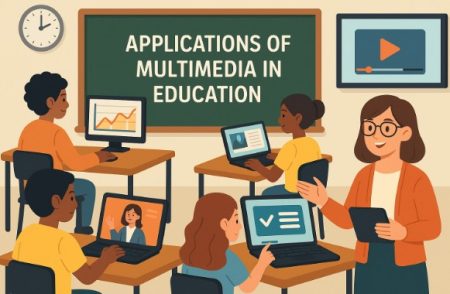
In recent years, multimedia has become an indispensable tool in modern education, significantly enhancing the learning experience for students across the globe. The integration of various media forms—such as text, audio, images, video, and interactive elements—into educational content provides numerous benefits that traditional methods often lack. By catering to diverse learning styles, improving engagement, and fostering interactivity, multimedia transforms passive learning into an active and dynamic process.
- Engaging Visual and Auditory Learners: One of the primary advantages of using multimedia in education is its ability to engage multiple senses. Traditional methods of teaching often rely solely on text or lectures, which may not fully capture the attention of all students. However, multimedia content, such as videos, animations, and audio recordings, appeals to both visual and auditory learners. For instance, a history lesson that includes archival footage, images of historical events, and narration can bring the subject matter to life, making it more accessible and engaging than reading a textbook alone.
In subjects like mathematics or science, where abstract concepts can be difficult to visualize, multimedia tools like 3D models, simulations, and interactive diagrams help to clarify complex ideas. This multimedia approach not only makes learning more interesting but also helps to improve comprehension and retention by providing a richer, multi-sensory learning experience. - Catering to Diverse Learning Styles: Every student learns differently, and one of the greatest strengths of multimedia in education is its ability to accommodate various learning styles. In traditional classrooms, instructors often teach using a one-size-fits-all approach, which may leave some students struggling to keep up. Multimedia, however, offers flexibility and personalization, allowing students to engage with content in a way that best suits their learning preferences.
For visual learners, multimedia tools like infographics, charts, and videos are invaluable, as they help to make abstract information tangible. Auditory learners benefit from podcasts, recorded lectures, and audio clips that reinforce key concepts. Meanwhile, kinesthetic learners, who thrive on hands-on activities, can benefit from interactive simulations, virtual labs, or games that allow them to actively engage with the subject matter. By offering diverse ways to interact with the content, multimedia ensures that every student can access information in a manner that suits their unique learning style. - Encouraging Active Learning and Interactivity: Multimedia also encourages active learning, an educational approach that focuses on student participation rather than passive absorption of information. Traditional learning often involves lectures or reading assignments, where students take notes and absorb information without directly interacting with the material. In contrast, multimedia can transform learning into an interactive experience.
For example, in a math class, students can use interactive problem-solving software to work through equations, receiving immediate feedback that helps reinforce their understanding. In language learning, students can practice pronunciation using speech recognition technology, while in geography, interactive maps allow students to explore countries, cities, and physical features in a way that static maps cannot replicate. This interactivity fosters deeper engagement with the material, helping students better retain information and develop critical thinking skills. - Promoting Collaboration and Group Learning: Multimedia also facilitates collaboration, a critical skill in today’s educational landscape. Many multimedia projects require students to work together to create content, such as group presentations, videos, or podcasts. This collaborative aspect not only encourages communication and teamwork but also provides opportunities for students to learn from one another and share ideas.
For example, students working on a multimedia presentation about climate change can divide tasks, with one group member researching data, another creating graphics, and another recording narration. This process not only enhances their understanding of the subject matter but also teaches valuable skills in project management, communication, and problem-solving. By encouraging collaboration, multimedia fosters a sense of community and promotes a more interactive and social learning environment. - Providing Personalized Learning Experiences: One of the most significant benefits of multimedia is its ability to offer personalized learning experiences. Digital platforms and multimedia tools allow students to learn at their own pace, revisiting material as needed. This flexibility is especially beneficial for students who may need additional time to grasp certain concepts or for those who wish to explore content beyond the standard curriculum.
Instructors can create multimedia lessons that students can access anytime and anywhere, giving them control over when and how they learn. This on-demand access allows for greater flexibility, particularly in distance or online learning environments. Moreover, students who have difficulty in a particular subject can benefit from multimedia tutorials or video lectures that they can review multiple times until they feel confident in their understanding.
Incorporating multimedia into education significantly enhances the learning experience by making lessons more engaging, interactive, and personalized. It caters to diverse learning styles, encourages active participation, and fosters collaboration. Additionally, multimedia provides flexible, on-demand access to learning materials, promoting a more student-centered approach to education. As educational technology continues to evolve, multimedia will undoubtedly play an even more integral role in shaping the future of learning, ensuring that students are better equipped with the skills and knowledge necessary to succeed in an increasingly digital world.
Types of Multimedia and Their Uses
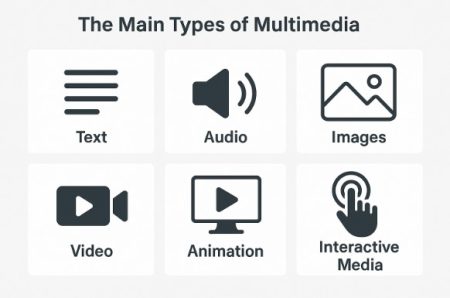
Multimedia is an umbrella term that refers to the combination of various forms of media, including text, audio, images, video, and interactive content. These different media types can be integrated into a single experience, providing a richer and more engaging way to communicate information. Understanding the main types of multimedia and their uses can help educators, marketers, and content creators make more informed decisions about how to utilize these tools effectively. The following sections outline the primary types of multimedia and their respective applications.
- Text: Text is one of the most fundamental components of multimedia. It serves as the backbone for most digital content, providing written information, instructions, explanations, and context. Text can be used alone, or it can be enhanced by combining it with other media elements like images or videos.
Uses of Text in Multimedia:-
- Educational Content: Text is essential for presenting information, definitions, explanations, and instructions. In textbooks, online courses, or websites, text can be used to communicate facts, concepts, and theories.
- Websites and Blogs: Text is the primary mode of communication on most websites, delivering articles, product descriptions, news stories, and more.
- Advertising: Catchy slogans and promotional messages rely on text to convey key messages in advertisements, both online and offline.
While text is effective on its own, combining it with other multimedia elements enhances comprehension and retention, especially in more complex contexts.
-
- Audio: Audio refers to any sound or music used in multimedia presentations, including voiceovers, background music, sound effects, or ambient sounds. Audio enhances the emotional impact of content and adds another layer of engagement for the audience.
Uses of Audio in Multimedia:-
- Podcasts and Audio Lessons: In education, audio is often used in the form of podcasts, lectures, or voiceover explanations. Audio-based content is particularly effective for auditory learners who benefit from listening rather than reading.
- Music and Sound Effects in Entertainment: Movies, video games, and interactive apps use music and sound effects to create immersive experiences. For example, the background score in a film or a video game enhances the atmosphere, while sound effects can make interactions feel more real.
- E-Learning and Accessibility: Audio can be used to help students with visual impairments or learning disabilities by providing an alternative way to receive information. Text-to-speech software is one example of how audio enhances accessibility in educational settings.
Audio is an important element in multimedia because it can convey emotions and tone, making content more engaging and relatable.
-
- Images: Images, whether they are still photographs, illustrations, diagrams, or infographics, are crucial for visual communication. Images help break up large blocks of text and provide a visual representation of concepts that might be difficult to understand through words alone.
Uses of Images in Multimedia:-
- Educational Illustrations: Diagrams, charts, and infographics are commonly used in educational materials to simplify complex ideas. For example, in science textbooks, illustrations of chemical reactions or biological processes make the content easier to understand.
- Web Design and Branding: Websites use images to create a visual identity, enhance the user experience, and engage visitors. High-quality images are essential for businesses to showcase products or services on e-commerce sites.
- Social Media and Advertising: Images are widely used in marketing and advertising, where they grab attention and visually communicate brand values. Infographics, for example, are effective tools for presenting statistical data in a visually digestible format.
Images not only make content more visually appealing but also enhance comprehension by providing a clear visual context to the subject matter.
-
- Video: Video combines both visual and auditory elements, making it one of the most powerful forms of multimedia. It is widely used across a variety of fields for its ability to capture attention and convey messages quickly and effectively.
Uses of Video in Multimedia:-
- Educational Videos: Instructors use videos to demonstrate practical skills, explain complex concepts, or provide virtual field trips. For example, science teachers may use animated videos to illustrate abstract concepts like molecular structure or the water cycle.
- Training and Tutorials: Video is a popular format for training and tutorials in various industries. Online platforms like YouTube or e-learning websites provide instructional videos that teach users how to perform specific tasks, from technical skills to soft skills.
- Entertainment and Marketing: Movies, TV shows, and online videos on platforms like YouTube or TikTok rely heavily on video content. In marketing, video ads and promotional videos are effective at conveying messages in an engaging, emotional, and memorable way.
Video is a versatile medium that appeals to both visual and auditory learners, making it particularly effective for complex or technical subjects that benefit from demonstration.
-
- Animation: Animation involves creating moving images through a sequence of individual frames or by using digital software to simulate motion. Animation is a dynamic form of multimedia that can range from simple 2D animations to complex 3D models.
Uses of Animation in Multimedia:-
- Educational Simulations: Animations are often used in education to demonstrate processes or events that cannot be easily captured in real life, such as the movement of planets or the inner workings of machines. In biology, for example, animated videos can show processes like photosynthesis or cell division in a clear and engaging way.
- Entertainment: Animation is a core element of the entertainment industry, especially in cartoons, video games, and movies. It allows for creativity and storytelling that would be impossible or too costly with live-action.
- Marketing and Advertising: Brands use animated advertisements to simplify complex products or services, create eye-catching visuals, and appeal to a wide audience. Animated ads often hold the audience’s attention longer than static ones.
Animation combines both visual appeal and creativity, making it an engaging and flexible medium for various applications.
-
- Interactive Media: Interactive media refers to any content that allows users to interact with it, such as websites, apps, virtual reality (VR), and interactive learning modules. It provides a hands-on approach to learning and engaging with content, as the user actively participates in the experience.
Uses of Interactive Media in Multimedia:-
- Educational Games and Simulations: Interactive tools in education, such as virtual labs or educational games, allow students to experiment with concepts and get immediate feedback. This approach fosters problem-solving and critical thinking skills.
- Websites and Apps: Websites and mobile apps are prime examples of interactive media. Through clicks, scrolling, and navigation, users interact with content, whether they’re shopping, accessing services, or browsing informational content.
- Virtual Reality (VR) and Augmented Reality (AR): VR and AR provide immersive, interactive experiences that are widely used in gaming, education, and training. For example, VR can transport students to historical events or distant locations, making learning more immersive and engaging.
Interactive media engages users in an active, participatory way, making it ideal for promoting engagement, learning, and customer interaction.
-
Multimedia is a powerful tool that blends various types of media—text, audio, images, video, animation, and interactive elements—into a cohesive experience. By combining these different media forms, multimedia enhances communication, making content more engaging, accessible, and effective across educational, entertainment, marketing, and commercial domains. Understanding the different types of multimedia and their uses allows creators to strategically use them to enhance user experiences, whether in a classroom, on a website, or in a marketing campaign. As digital technologies continue to evolve, multimedia’s role in our daily lives will undoubtedly become even more prevalent and impactful.
How Multimedia Integration Improves Communication and Engagement in Presentations
Multimedia integration significantly enhances communication and engagement in presentations by combining various forms of media, such as text, audio, images, video, and interactive elements. This approach captures and maintains the audience’s attention by providing multisensory stimulation that appeals to different senses. For example, videos, animations, and sound effects help to break the monotony of traditional oral presentations and create a more dynamic experience. By using multimedia elements, presenters can ensure that their message remains engaging throughout, preventing audience fatigue and increasing focus. Moreover, multimedia enhances the clarity and understanding of complex ideas. Visual aids like charts, graphs, and diagrams make abstract or technical concepts easier to comprehend, while videos and animations offer visual demonstrations that complement verbal explanations. This combination of media types allows audiences to better grasp challenging material, improving retention and recall.
In addition to improving understanding, multimedia integration also caters to diverse learning styles. Every individual processes information differently, with some preferring visual content, others auditory content, and others kinesthetic experiences. By incorporating images, audio, video, and interactive features, presenters can engage all types of learners, ensuring that the presentation is accessible and effective for everyone. Interactive elements, such as quizzes or live demonstrations, further foster engagement by allowing the audience to actively participate in the presentation, reinforcing key points and creating a more personalized learning experience. Furthermore, multimedia increases retention by reinforcing information through multiple sensory inputs, making it easier for audiences to remember and recall key takeaways after the presentation ends. Presentations that incorporate both spoken words and visual content, for instance, are more memorable than those relying solely on verbal explanations.
Multimedia also helps presenters establish an emotional connection with the audience. Videos, music, and sound effects can evoke emotions that reinforce the message, making the content more relatable and impactful. For example, a video that highlights the work of a nonprofit organization can foster empathy and motivate the audience to take action. This emotional engagement adds depth to the message, making it more compelling and memorable. Additionally, multimedia tools increase the accessibility and inclusivity of presentations. Features like captions, subtitles, and audio descriptions ensure that the content is available to individuals with disabilities, making the presentation more inclusive. By offering interactive online content, presentations can also reach a wider audience, breaking down geographical and physical barriers.
In conclusion, multimedia integration enhances presentations by making them more engaging, accessible, and effective. By incorporating a combination of text, images, video, audio, and interactive elements, presenters can capture attention, clarify complex ideas, cater to different learning styles, and create a lasting emotional connection with the audience. This approach not only ensures that the message is communicated effectively but also helps the audience retain and recall the information presented. Whether in educational, business, or public speaking contexts, multimedia offers a powerful tool for delivering presentations that resonate with diverse audiences.
The Role of Multimedia in Modern Marketing and Advertising Strategies
In today’s fast-paced digital landscape, multimedia has become a cornerstone of modern marketing and advertising strategies. By blending various forms of media—such as text, images, audio, video, and interactive content—multimedia enables businesses to communicate their messages more effectively, engage with their target audiences, and create memorable brand experiences. The evolution of multimedia has revolutionized marketing, transforming it from traditional one-dimensional campaigns into dynamic, multi-channel strategies that cater to diverse consumer preferences. Let’s explore the critical role multimedia plays in contemporary marketing and advertising, highlighting how it enhances engagement, builds brand identity, and drives consumer behavior.
1. Capturing Attention in a Crowded Marketplace:
One of the primary challenges of modern marketing is capturing and holding the attention of consumers in a crowded digital environment. With an overwhelming amount of content vying for attention on social media, websites, and mobile devices, marketers must use every tool at their disposal to stand out. Multimedia plays a vital role in this, as it allows marketers to create visually appealing and emotionally engaging content that grabs the audience’s attention quickly.
For example, video ads are highly effective at capturing attention because they combine motion, sound, and visuals, making them more engaging than static text or images. Platforms like YouTube, Facebook, and Instagram thrive on video content, with advertisers leveraging short, impactful video clips to convey their messages in a compelling way. Similarly, interactive content, such as polls, quizzes, and interactive ads, invites consumers to participate actively, making the experience more engaging and memorable. This interactive approach helps marketers break through the noise of conventional advertisements, encouraging consumers to engage with the brand on a deeper level.
2. Enhancing Brand Identity and Storytelling:
Multimedia is a powerful tool for shaping and enhancing brand identity. The combination of visual elements like logos, color schemes, fonts, and videos helps establish a cohesive brand image that consumers can easily recognize and connect with. A brand’s multimedia presence—whether through its website, social media platforms, or advertisements—creates a visual identity that reflects its values, personality, and mission.
Storytelling is a key component of modern marketing, and multimedia is central to crafting compelling narratives that resonate with audiences. Through a mix of images, videos, music, and voiceovers, brands can tell their stories in ways that evoke emotion and build stronger connections with their audiences. For example, an emotional video ad featuring a heartwarming story or a powerful message about social responsibility can create a lasting impact, fostering loyalty and trust among consumers. Companies like Nike and Coca-Cola are prime examples of brands that effectively use multimedia storytelling in their campaigns, successfully creating emotional connections with their audiences.
3. Driving Consumer Engagement and Interaction:
Consumer engagement is at the heart of successful marketing campaigns, and multimedia enables brands to connect with their audience in innovative ways. Through social media, brands can share visually engaging content, such as infographics, GIFs, and videos, that encourage likes, shares, and comments. This type of content not only grabs attention but also invites users to participate, interact, and share their opinions, thus amplifying the reach of the brand’s message.
In addition, interactive multimedia content, such as branded games, augmented reality (AR) filters, and virtual reality (VR) experiences, offers consumers an immersive way to engage with the brand. For example, brands like IKEA have used AR technology to allow customers to visualize furniture in their homes before purchasing. These interactive experiences give consumers a sense of control, making them more likely to engage with the brand and share their experiences with others. As a result, multimedia helps build a community of loyal customers who feel more connected to the brand.
4. Personalizing Customer Experiences:
Personalization has become a key trend in modern marketing, and multimedia plays a crucial role in delivering tailored experiences to individual consumers. With the help of data analytics, businesses can create customized multimedia content that speaks directly to the needs and preferences of their target audience. For instance, personalized email campaigns can include dynamic multimedia elements, such as product videos or personalized banners, designed to capture the attention of recipients based on their browsing history or past purchases.
In e-commerce, personalized video content is increasingly used to promote products or services, making the consumer feel valued and understood. For example, a brand could send a personalized video showcasing a product that a customer previously viewed on their website, accompanied by a special offer or recommendation. This type of personalized multimedia content not only increases engagement but also drives conversions by providing consumers with content that is relevant to their interests.
5. Boosting Conversions and Sales:
Multimedia has a direct impact on driving conversions and sales by creating a more persuasive and memorable experience for consumers. Video testimonials, product demos, and explainer videos help consumers better understand a product or service, providing them with the information they need to make informed purchasing decisions. These types of multimedia content help bridge the gap between curiosity and conversion, addressing any doubts or concerns that potential customers may have.
Interactive content, such as interactive product demos or augmented reality features, allows customers to experience the product firsthand, increasing their confidence in the purchase. By offering a more immersive and informative shopping experience, brands can reduce cart abandonment rates and increase the likelihood of a sale. Additionally, multimedia-driven ads, such as those found on social media platforms, are often designed to drive immediate action, such as clicking through to a website or making a purchase.
6. Enhancing Social Media and Mobile Marketing:
Social media and mobile platforms are among the most important channels for modern marketing, and multimedia is essential for leveraging these platforms effectively. On social media, visuals dominate the content landscape, with images and videos outperforming text-based posts in terms of engagement. Brands that use high-quality images, videos, and live-streaming features on platforms like Instagram, TikTok, and Facebook can capture the attention of users and increase their chances of being shared and discussed.
Mobile marketing is another area where multimedia shines, as mobile devices are highly visual and interactive by nature. Multimedia content that is optimized for mobile screens—such as videos, images, and interactive ads—offers a seamless and engaging experience for consumers on the go. Mobile apps often incorporate multimedia features like push notifications with rich media, which can enhance customer engagement and prompt immediate action.
Multimedia has become an integral part of modern marketing and advertising strategies, playing a crucial role in capturing attention, enhancing brand identity, driving consumer engagement, and boosting sales. By combining various forms of media, such as video, audio, images, and interactive content, brands can create more dynamic, personalized, and impactful marketing campaigns. Whether through compelling storytelling, immersive experiences, or personalized content, multimedia enables businesses to connect with their audiences on a deeper level, fostering loyalty, trust, and long-term success. As consumer expectations continue to evolve, multimedia will undoubtedly remain a vital tool for marketers seeking to stay competitive in an increasingly digital and fast-paced world.
Key Technologies Used to Create and Deliver Multimedia Content
In the modern digital age, multimedia content has become a powerful tool for communication, education, entertainment, and marketing. The ability to integrate various media types—such as text, audio, images, video, and interactive elements—into cohesive and engaging content relies on a wide range of technologies. These technologies not only facilitate the creation and delivery of multimedia content but also ensure that it is accessible, interactive, and engaging across various platforms. Here are the key technologies that are used in the creation, editing, and delivery of multimedia content.
- Content Creation Software: At the heart of multimedia content creation is the software used to produce and edit different media types. These tools allow content creators to manipulate text, images, video, audio, and interactive features to craft engaging content. Some of the most widely used software tools in multimedia creation include:
-
- Text and Document Editors: Software like Microsoft Word, Google Docs, and Adobe InDesign are commonly used to create and format text content for articles, reports, or scripts.
- Image Editing Software: Adobe Photoshop, GIMP, and CorelDRAW are popular tools for editing and enhancing images. These programs allow users to adjust colors, add text, crop, and manipulate graphics to create visually appealing visuals.
- Video Editing Software: Programs like Adobe Premiere Pro, Final Cut Pro, and DaVinci Resolve are essential for creating and editing videos. These tools enable video producers to cut, splice, and add effects, transitions, soundtracks, and text overlays to their video content.
- Audio Editing Software: Audio editing tools such as Audacity, Adobe Audition, and Pro Tools are used to record, edit, and mix audio tracks. These tools are essential for creating podcasts, voiceovers, music tracks, and sound effects.
- Animation and 3D Modeling Software: Tools like Blender, Autodesk Maya, and Adobe Animate are used to create 2D and 3D animations, as well as complex visual effects for both video and interactive content.
These content creation tools form the foundation of multimedia production, enabling creators to generate high-quality content for a variety of platforms.
-
- Multimedia Authoring Tools: Multimedia authoring tools are used to combine text, audio, images, video, and interactive features into a cohesive multimedia presentation. These tools allow creators to assemble and integrate different media elements into a unified project without the need for complex coding. Popular multimedia authoring tools include:
-
- Adobe Captivate: A widely used eLearning authoring tool, Adobe Captivate is used to create interactive learning modules, quizzes, simulations, and presentations.
- Articulate Storyline: Another popular tool for eLearning, Articulate Storyline allows users to design interactive, mobile-friendly multimedia content for training and education.
- iSpring Suite: A multimedia authoring tool that integrates with PowerPoint, iSpring Suite enables the creation of interactive eLearning courses, quizzes, and multimedia presentations.
- Microsoft PowerPoint: Although primarily a presentation tool, PowerPoint is also used to create basic multimedia presentations that integrate images, video, and audio.
These tools allow for the easy assembly of multimedia content and are particularly useful for creating presentations, educational materials, and interactive applications.
-
- Content Management Systems (CMS): Once multimedia content is created, it needs to be organized, managed, and delivered efficiently. Content management systems (CMS) play a crucial role in this process, enabling creators and businesses to store, organize, and publish multimedia content across various platforms. Key CMS technologies include:
-
- WordPress: As one of the most popular CMS platforms, WordPress enables users to create websites and blogs that support multimedia content such as images, audio, and video.
- Drupal: A flexible CMS used by many large organizations, Drupal offers robust support for multimedia content management, allowing for complex content structures and integrations.
- Joomla: Another popular CMS, Joomla offers extensive capabilities for managing multimedia content, including extensions for handling video, audio, and image galleries.
- Adobe Experience Manager (AEM): A high-end enterprise CMS, AEM is used by large corporations to manage and deliver multimedia content across websites, mobile apps, and digital marketing campaigns.
These platforms streamline the delivery of multimedia content, making it easier for users to access, navigate, and interact with various forms of media.
-
- Video Streaming Technologies: Video is one of the most dominant forms of multimedia content, and streaming technologies have made it easier than ever to deliver high-quality video content across the internet. Streaming platforms use a variety of technologies to ensure smooth delivery, high resolution, and minimal buffering for users. Key technologies in video streaming include:
-
- HTML5: HTML5, along with CSS and JavaScript, provides the foundation for delivering video content directly within web browsers. It supports a wide range of video formats and is widely used in modern web applications.
- Adaptive Bitrate Streaming: Technologies like HTTP Live Streaming (HLS) and Dynamic Adaptive Streaming over HTTP (DASH) adjust the quality of the video stream based on the user’s internet connection, ensuring smooth playback across devices and varying network speeds.
- Video Hosting Platforms: Services like YouTube, Vimeo, and Wistia offer hosting and streaming solutions for video content, providing an easy way for creators to upload, manage, and share videos with a global audience.
- Streaming Servers: For businesses and content creators who want to host their own video streams, tools like Wowza Streaming Engine and Red5 enable the delivery of live and on-demand video content to users.
These streaming technologies have revolutionized the way multimedia content is consumed, making it accessible to a global audience through various devices.
-
- Interactive Technologies: Incorporating interactivity into multimedia content adds an additional layer of engagement, enabling users to directly interact with content in meaningful ways. Interactive technologies are particularly important in gaming, eLearning, and online advertising. Key technologies include:
-
- Augmented Reality (AR): AR technology overlays digital content onto the real world, allowing users to interact with both physical and digital elements. AR is used in apps like Pokémon Go, IKEA’s AR app, and Snapchat filters.
- Virtual Reality (VR): VR creates fully immersive digital environments that users can explore. VR is used in applications like Oculus Rift for gaming, immersive training simulations, and virtual tours.
- Interactive Web Elements: JavaScript libraries such as jQuery, D3.js, and Three.js enable the creation of interactive elements on websites, such as clickable graphics, interactive maps, and data visualizations.
These technologies enhance user engagement by allowing them to actively participate in the experience, whether by manipulating the environment, making choices, or exploring virtual worlds.
-
- Cloud-Based Delivery and Hosting: The delivery and hosting of multimedia content have shifted to the cloud, offering flexibility, scalability, and cost-efficiency. Cloud-based technologies allow for the storage and seamless delivery of large multimedia files to users anywhere in the world. Major cloud platforms include:
-
- Amazon Web Services (AWS): AWS offers a wide range of services for hosting and delivering multimedia content, including cloud storage, content delivery networks (CDNs), and media processing.
- Google Cloud: Google Cloud offers scalable solutions for video processing, storage, and streaming, as well as AI-driven tools for analyzing and tagging multimedia content.
- Microsoft Azure: Azure provides cloud services for media streaming, storage, and content delivery, supporting high-quality video and audio streaming.
Cloud technologies ensure that multimedia content can be delivered reliably, even at large scale, while allowing businesses to avoid the cost of maintaining physical servers.
-
The creation, editing, and delivery of multimedia content are powered by a diverse array of technologies that work together to enable dynamic, interactive, and accessible experiences for users. From content creation software and authoring tools to video streaming platforms and interactive technologies, these tools allow creators to produce high-quality content that resonates with audiences. As the digital landscape continues to evolve, the technologies behind multimedia content will continue to play a central role in shaping the future of communication, marketing, entertainment, and education.
Examples of Multimedia Applications in Everyday Life
Multimedia has become an integral part of our daily routines, transforming how we communicate, learn, work, and entertain ourselves. The combination of text, audio, images, video, and interactive elements enhances our experience across a wide range of activities and industries. Here are some examples of multimedia applications that we encounter in everyday life:
- Social Media Platforms: Social media platforms like Facebook, Instagram, TikTok, and YouTube are prime examples of multimedia in action. These platforms allow users to share and interact with content that integrates text, images, videos, and audio. For example, Instagram lets users post photos and videos, accompanied by captions and hashtags, while TikTok encourages short-form video creation with music, filters, and visual effects. YouTube, on the other hand, is a platform where video content—ranging from tutorials and vlogs to music videos and documentaries—is complemented by text-based descriptions, links, and advertisements. These social platforms not only foster communication and social interaction but also create dynamic content that engages users through a combination of media types.
- Streaming Services: Streaming platforms such as Netflix, Hulu, YouTube, and Spotify have revolutionized entertainment by offering a vast array of multimedia content. These services combine video, audio, and interactive features to provide users with on-demand access to movies, TV shows, music, and podcasts. For example, Netflix integrates high-definition video, immersive sound, and interactive features like recommendations based on viewing history. Similarly, Spotify provides a rich multimedia experience by combining audio tracks with album artwork, artist bios, and playlists. The integration of various media forms in these platforms makes content more accessible and enjoyable, transforming how we consume entertainment.
- Online Learning Platforms: Online learning platforms like Coursera, Khan Academy, and Duolingo leverage multimedia to enhance the educational experience. These platforms combine text, images, videos, quizzes, and interactive exercises to engage users and provide a comprehensive learning experience. For instance, Khan Academy’s math tutorials use animations and visual aids to simplify complex concepts, while Duolingo uses audio, text, and images to help users learn new languages. Multimedia makes learning more interactive and accessible, catering to different learning styles and ensuring that users can engage with the material in multiple ways.
- Navigation and Mapping Apps: Applications like Google Maps, Apple Maps, and Waze are examples of multimedia used to guide users through real-world environments. These apps combine text-based directions with interactive maps, real-time traffic data, voice navigation, and 360-degree street view images. By integrating these various elements, users can navigate more easily, gaining a clear understanding of their route and surroundings. Features like real-time traffic updates and street-level images help users make informed decisions, ensuring a smoother journey.
- E-commerce Websites: E-commerce websites such as Amazon, eBay, and Etsy are platforms where multimedia plays a crucial role in the shopping experience. These websites incorporate high-quality images, detailed product descriptions, videos, customer reviews, and interactive elements to showcase products. For example, Amazon allows customers to view 360-degree product images, watch demonstration videos, and read user-generated content to inform their purchasing decisions. The integration of multimedia helps customers visualize the product, understand its features, and make better-informed choices, ultimately driving conversions and improving the online shopping experience.
- Gaming: Video games represent one of the most immersive multimedia experiences, combining audio, video, and interactive elements to create engaging virtual worlds. Popular games like Fortnite, Minecraft, and Pokémon Go rely on multimedia to provide players with visually rich environments, interactive gameplay, and dynamic sound effects. In addition to visuals and audio, some games incorporate features like motion sensing (in VR games) or augmented reality (in games like Pokémon Go), creating a highly interactive experience. Multimedia in gaming allows players to engage with virtual worlds in ways that are both entertaining and educational, enhancing cognitive skills, creativity, and problem-solving abilities.
- Advertising and Marketing: Multimedia is an essential component of modern advertising and marketing strategies. Digital ads across platforms like Facebook, Instagram, and YouTube combine text, images, video, and audio to communicate a brand’s message effectively. For instance, a commercial on YouTube might include a catchy video, a call-to-action in the form of a text overlay, and audio designed to evoke an emotional response. In social media marketing, brands often use a combination of images, short-form videos, and interactive features like polls or quizzes to engage users and create memorable experiences. The integration of multimedia elements in advertising helps brands capture attention, drive engagement, and influence consumer behavior.
- Digital Art and Graphic Design: In the world of design, multimedia tools like Adobe Photoshop, Illustrator, and Canva allow users to create digital artwork and visual content that blends text, images, and interactive features. These tools are used by graphic designers, marketers, and artists to produce compelling visuals for websites, social media, and print. For example, Canva allows users to combine text, photos, and icons into visually appealing graphics with ease. Graphic design and digital art leverage multimedia to deliver visually striking content that communicates ideas and messages effectively.
- Public Information Systems: Public spaces, such as airports, train stations, shopping malls, and museums, often use multimedia in the form of digital signage and interactive kiosks to provide information to the public. Digital billboards display dynamic advertisements, public service announcements, or news updates, while interactive kiosks allow users to access maps, directories, or educational content. For example, museums may offer multimedia-rich exhibits with interactive screens that provide video tours, audio guides, and immersive experiences that enhance the learning process. These multimedia applications improve navigation, provide timely information, and offer an engaging experience for the public.
- Mobile Apps: Mobile applications on smartphones and tablets use multimedia to enhance functionality and user experience. Apps like Instagram, Snapchat, and TikTok allow users to create and share multimedia content such as photos, videos, and audio recordings. Fitness apps like Fitbit or MyFitnessPal use visual tracking and audio prompts to guide users through workouts and health plans. Furthermore, mobile news apps integrate text, images, and video to deliver the latest stories and updates, while weather apps combine graphics, charts, and real-time data to provide accurate forecasts. The versatility of mobile apps and their use of multimedia make them a central part of everyday life.
- Smart Devices and Virtual Assistants: Smart devices such as Amazon Echo, Google Home, and smart TVs integrate multimedia to provide a range of services. Virtual assistants use audio to respond to user queries, while smart TVs display video and interactive content. For example, a smart TV can stream movies, display images, and provide voice-controlled navigation, combining multimedia elements to enhance the user experience. These smart devices integrate multimedia in a way that makes daily tasks more efficient and enjoyable, offering hands-free control, real-time information, and entertainment at the touch of a button.
Multimedia has become deeply ingrained in our daily lives, enhancing the way we communicate, entertain ourselves, work, and learn. From social media platforms and streaming services to e-commerce websites and video games, multimedia applications are ubiquitous, providing dynamic, interactive, and engaging content that enriches our experiences. The combination of text, audio, images, video, and interactive elements enables us to engage with content in more meaningful and immersive ways, making multimedia a central component of modern life. As technology continues to advance, the role of multimedia in everyday applications will only grow, offering even more ways to connect, learn, and interact.