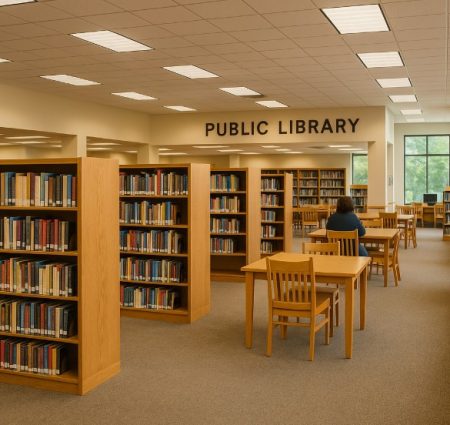
Public libraries play a crucial role in fostering inclusive environments, particularly for marginalized communities, by providing access to resources, services, and spaces that promote equality and social cohesion. These libraries serve as welcoming public spaces that transcend barriers such as socioeconomic status, race, ethnicity, and ability, offering individuals from underserved or disadvantaged backgrounds the opportunity to access information and services that may otherwise be out of reach. For example, many libraries offer targeted programs for refugees and immigrants, such as language learning classes or legal assistance workshops, to help them integrate into their new communities.
Creating an inclusive environment requires libraries to actively identify and address the unique needs of marginalized groups, such as offering culturally relevant materials, accessible programming, and staff trained in diversity and inclusion practices. The Toronto Public Library, for instance, has developed collections and resources focused on Indigenous cultures and histories, creating a space where Indigenous peoples can see their identity reflected and valued. Similarly, libraries like the New York Public Library have developed outreach initiatives aimed at providing resources and services to homeless individuals, offering them access to computers, job search tools, and social services. By prioritizing inclusivity, public libraries not only fulfill their mission of serving all members of the public but also contribute to the broader goals of social justice, equity, and empowerment for marginalized populations. Libraries that make concerted efforts to design their services around the needs of underserved groups exemplify the powerful role these institutions can play in building stronger, more inclusive communities.
Public Libraries as Safe Spaces: Promoting Social Justice and Equality
Public libraries have long been considered community hubs where knowledge, resources, and services are made accessible to everyone. In recent years, their role as safe spaces that promote social justice and equality has become increasingly significant. Libraries are uniquely positioned to foster inclusivity, provide resources for marginalized communities, and create environments where all individuals, regardless of their background, can feel valued and supported. By embracing their civic responsibility, public libraries act as catalysts for social change, promoting fairness and ensuring that no one is left behind. To truly serve all members of the community, public libraries must create environments where inclusivity is prioritized. This involves recognizing the diverse needs of patrons and providing resources that reflect their lived experiences. Libraries focus on developing collections that represent the cultural, racial, and socioeconomic diversity of the communities they serve. By offering access to books, films, and digital content that reflect a wide range of perspectives, public libraries help individuals from marginalized groups see themselves represented and validated. In addition to diverse collections, libraries offer services and programs designed to meet the specific needs of marginalized communities, such as job training, financial literacy workshops, or health education for underserved populations. Collaborations with local organizations can further support social justice and equality initiatives, like hosting legal clinics or mental health support sessions, ensuring that individuals have access to the resources they need.
Public libraries also serve as safe spaces where individuals feel secure in expressing themselves and engaging in open dialogue. Libraries provide a neutral ground for people to come together to discuss issues of social justice, human rights, and equality. This is particularly important for marginalized communities who may feel disenfranchised or underrepresented in broader society. Libraries facilitate conversations by hosting community discussions, educational panels, and cultural events focused on issues like racial equality, gender equity, and poverty alleviation. These events help promote understanding and empathy, empowering people to take action and advocate for positive change in their communities. Libraries also function as the “third place” — spaces that are neither home nor work but offer people a sense of belonging and connection. By creating welcoming environments, libraries support emotional well-being and provide a sense of community, particularly for individuals who may feel isolated or excluded. In the digital age, access to technology has become an essential component of social equality. Many individuals, particularly those from low-income or rural communities, still face barriers to digital access. Public libraries have an important role to play in bridging the digital divide by offering free access to computers, the internet, and digital resources. Providing these services helps individuals from marginalized communities gain the skills they need to navigate the digital world, apply for jobs, access government services, and participate in online learning. This level of support is vital for ensuring that no one is left behind in an increasingly technology-driven society.
At the core of public libraries’ missions is education, which is a powerful tool for promoting social justice and equality. Libraries offer a wide range of educational programs, from early childhood literacy initiatives to adult education courses, empowering individuals to improve their lives. These programs are often targeted at underserved populations who may not have access to the same educational opportunities elsewhere. Libraries also provide self-directed learning opportunities, encouraging personal growth and development. Access to free resources like e-books, audiobooks, and online courses allows individuals to continue their education at their own pace, regardless of their financial situation. By removing barriers to education, libraries help level the playing field for individuals from disadvantaged backgrounds. As trusted community institutions, public libraries have a profound impact on promoting social justice and equality. By creating inclusive environments, offering educational and support services, facilitating open dialogue, and addressing the digital divide, libraries empower marginalized communities and foster social change. Through their continued commitment to social justice and equality, public libraries remain vital and relevant in an increasingly diverse and complex society, providing a model for how institutions can help create a more just and equitable world.
Key Challenges Public Libraries Face in Ensuring Social Justice and Equality for All Patrons
Public libraries are integral to promoting social justice and equality, offering a wealth of resources and services that serve diverse communities. They are among the few public institutions committed to providing free access to information, learning opportunities, and community support. However, despite their critical role, public libraries face a range of challenges in ensuring that their services and resources are truly equitable and accessible to all patrons. These challenges are complex and multifaceted, often stemming from resource limitations, systemic inequalities, and the evolving needs of the communities they serve. Understanding these obstacles is crucial to addressing the gaps and ensuring libraries fulfill their mission of social justice and equality for all.
- Resource Limitations and Budget Constraints: One of the most significant challenges public libraries face in promoting social justice and equality is the ongoing issue of resource limitations and budget constraints. Libraries often operate under tight financial conditions, and funding shortages can limit their ability to expand services, acquire new materials, and offer programs that address the diverse needs of their communities. Many libraries, particularly those in low-income areas, struggle to maintain essential services, let alone develop specialized programs for marginalized groups. Without adequate funding, libraries cannot fully support initiatives such as multilingual resources, programs for refugees, or social justice workshops, all of which are critical for ensuring equitable access to information and community engagement. The reliance on government funding and the impact of budget cuts can undermine libraries’ ability to offer the inclusive and supportive environments that many underrepresented groups need.
- Access to Technology and the Digital Divide: In today’s increasingly digital world, access to technology has become an essential aspect of social justice. Public libraries play a crucial role in bridging the digital divide by providing free access to computers, the internet, and digital resources. However, not all libraries have the resources to maintain up-to-date technology or offer comprehensive digital literacy programs. This technological gap can exacerbate existing inequalities for patrons from low-income, rural, or marginalized communities who may already lack access to devices or high-speed internet at home. Furthermore, without sufficient training in digital literacy, some individuals may find it difficult to navigate the online tools and services that are critical for education, job applications, and social participation. Although libraries have made strides in providing technology access, the rapid pace of technological change presents ongoing challenges, as libraries must constantly update their resources and services to keep pace with the needs of their patrons.
- Staffing and Training Challenges: Libraries are only as effective as the staff who work within them, and ensuring social justice and equality for all patrons requires that library staff be well-trained in diversity, inclusion, and cultural competency. However, staffing shortages and inadequate training resources can hinder libraries from providing the level of support that marginalized communities need. Library staff must be equipped to recognize and address the unique challenges faced by underrepresented groups, such as racial, ethnic, and religious minorities, as well as individuals with disabilities or those from economically disadvantaged backgrounds. Furthermore, staff must be able to offer appropriate assistance without reinforcing biases or discrimination, which requires ongoing professional development and a commitment to anti-bias training. Libraries that lack sufficient resources for staff training or fail to prioritize diversity and inclusion efforts may inadvertently alienate patrons and fail to provide the equitable services that are essential for promoting social justice.
- Cultural and Linguistic Barriers: Public libraries often serve highly diverse populations, yet they may struggle to meet the cultural and linguistic needs of all their patrons. For racial, ethnic, and religious minorities, particularly immigrants and refugees, language can be a significant barrier to accessing library services. Libraries may not have sufficient multilingual materials or interpreters to assist non-native speakers, limiting their ability to fully participate in library programs or access essential information. Similarly, cultural differences can influence how various groups perceive library services, and libraries must be proactive in understanding these cultural contexts. For example, certain cultural groups may be unfamiliar with library systems or may prefer community-based support rather than institutionalized services. Libraries that do not adapt their services to these cultural nuances may inadvertently exclude important segments of the community, perpetuating existing inequalities.
- Social and Political Pressures: In some cases, public libraries face external pressures from political or social forces that challenge their commitment to equity and inclusivity. Libraries may be asked to limit access to certain materials or to take positions on controversial social issues. In some instances, political or ideological forces may influence library policies, particularly when it comes to matters of freedom of expression, intellectual freedom, or the promotion of diverse viewpoints. These challenges can hinder libraries from fully embracing their role as neutral spaces for dialogue and support. Furthermore, political or social pressures may discourage libraries from developing programs focused on social justice or advocacy, especially if these programs are perceived as politically charged or controversial. Libraries must carefully navigate these pressures while remaining true to their mission of promoting equality and inclusion for all members of their community.
- Systemic Inequalities and Community Needs: The most significant challenge libraries face in ensuring social justice and equality is the broader issue of systemic inequalities within society. Libraries are not immune to the social, racial, and economic disparities that exist in the wider community. As public institutions, libraries reflect the conditions of the neighborhoods they serve, which may include high rates of poverty, crime, or lack of access to education and healthcare. Libraries in economically disadvantaged areas may be under-resourced and unable to provide services that address the specific needs of marginalized communities, such as job training, mental health support, or legal assistance. Moreover, libraries in such communities may struggle to attract diverse patrons if they cannot offer the programs, materials, and resources that resonate with these groups. Addressing these systemic inequalities requires a more significant commitment from local governments, stakeholders, and libraries themselves to invest in the communities that need it most.
Public libraries play a crucial role in promoting social justice and equality, but they face a range of challenges that can hinder their ability to fully realize this mission. Resource limitations, the digital divide, staffing and training challenges, cultural barriers, external political pressures, and broader systemic inequalities all contribute to the difficulties libraries face in serving marginalized communities. To overcome these challenges, libraries must prioritize equity and inclusion in every aspect of their operations, from the services they provide to the resources they offer and the training they give their staff. By addressing these obstacles head-on, public libraries can continue to serve as vital spaces for social justice, ensuring that all individuals, regardless of their background, have access to the resources and opportunities they need to thrive.
The Role of Public Libraries in Advocating for Civil Rights and Fostering a Sense of Belonging Within Diverse Communities
Public libraries play a vital role in advocating for civil rights and fostering a sense of belonging within diverse communities. As trusted public institutions, libraries are uniquely positioned to promote social justice, equality, and inclusion by offering access to information, creating spaces for dialogue, and supporting activism. One of the primary ways libraries advocate for civil rights is by providing resources that inform and empower communities. Libraries offer collections of materials related to civil rights, activism, and the history of marginalized groups, ensuring that patrons have the opportunity to learn about the struggles for justice and equality. These resources help raise awareness about key social issues and provide a foundation for individuals to engage in informed discussions about civil rights. In addition to informational resources, public libraries create inclusive spaces for open dialogue and community engagement. Libraries host workshops, public forums, and cultural events that focus on issues like racial equality, gender justice, and immigration rights. These programs allow individuals from diverse backgrounds to share their experiences, build empathy, and advocate for change. By providing a platform for marginalized voices, libraries ensure that all community members feel heard and valued.
Public libraries also support civil rights activism by offering resources and spaces for advocacy and organizing. Many libraries collaborate with local advocacy groups to host events, provide materials on social justice issues, and serve as gathering points for community action. Libraries offer tools for individuals to get involved in activism, such as guides on contacting elected officials or organizing grassroots campaigns. Through these efforts, libraries empower people to take an active role in advocating for civil rights and social change. Furthermore, libraries promote inclusivity by offering programs and services tailored to the needs of underrepresented groups. Libraries provide vital services such as language classes, legal support, and job search assistance for immigrants, refugees, and low-income individuals, helping them access resources that are essential for integration and success. Additionally, libraries host multicultural events and celebrations that honor the diversity of their communities, fostering a sense of belonging and pride among all patrons. In the digital age, public libraries are crucial in ensuring equal access to technology, bridging the digital divide for individuals who lack access to personal devices or high-speed internet. By providing free access to computers and digital literacy training, libraries help individuals from marginalized backgrounds stay connected, access important information, and participate fully in society.
Through these various efforts, public libraries not only advocate for civil rights but also help create a more inclusive and equitable society. By offering resources, fostering dialogue, supporting activism, and providing essential services, libraries are central to the promotion of social justice and the empowerment of marginalized communities. Their role as community hubs ensures that all individuals, regardless of their background, have the opportunity to feel supported, valued, and connected, helping to create a society where everyone can thrive.
The Role of Public Libraries in Combating Misinformation and Promoting Media Literacy to Support Social Justice Movements
Public libraries play a vital role in combating misinformation and promoting media literacy, particularly in support of social justice movements. As trusted public institutions, libraries are uniquely positioned to help individuals navigate the complex digital landscape, critically assess information, and make informed decisions. In an age where misinformation spreads rapidly through social media and news outlets, libraries foster critical thinking and media literacy by offering workshops, seminars, and resources that teach patrons how to identify credible sources, recognize biased reporting, and differentiate between factual information and false narratives. These educational programs empower individuals to critically evaluate news stories, online content, and social media posts, helping to reduce the influence of misinformation. Libraries also provide resources that educate patrons on how media is created, including how media messages are shaped and how they influence public opinion. This helps individuals understand the broader context of the media they consume, enabling them to navigate the increasingly complex world of information.
In addition to fostering media literacy, public libraries provide access to reliable, factual information that counters the prevalence of misinformation. Libraries curate collections of books, academic journals, and databases that offer well-researched content on social justice issues, such as racial justice, immigration, gender equality, and civil rights. These resources serve as an antidote to the misinformation that can circulate in public discourse. Libraries are increasingly offering digital resources, including access to online databases and authoritative platforms, which are especially valuable for individuals who may not have the financial means to access trusted news sources or academic journals. By providing free access to these resources, libraries help patrons stay informed and engaged with accurate knowledge, which is crucial for social justice advocacy.
Public libraries also partner with social justice organizations to amplify the voices of marginalized communities and ensure that accurate information is accessible. Through collaborations with civil rights groups, legal aid organizations, and advocacy groups, libraries host events, distribute educational materials, and provide resources on social justice issues. These partnerships help patrons access the most current, fact-based information on topics such as voter rights, police reform, and immigration law. By working with advocacy groups, libraries help individuals get involved in activism, whether by attending protests, contacting policymakers, or organizing within their communities. This collaboration strengthens the impact of social justice movements and helps combat misinformation by ensuring that the public has access to reliable, up-to-date information.
Furthermore, libraries provide safe, open spaces for dialogue and information sharing, which is essential in combating misinformation. Community discussions, workshops, and forums hosted by libraries create environments where individuals can come together to share their experiences, ask questions, and learn from one another. These spaces allow patrons to engage in respectful, informed conversations, based on facts rather than falsehoods or rumors. By facilitating these discussions, libraries offer a venue where misinformation can be challenged and corrected, encouraging patrons to rely on trusted sources and engage in fact-based conversations about social justice. These dialogues also provide opportunities for individuals to share strategies for combating misinformation within their own networks, further spreading media literacy and critical thinking throughout the community.
In addition to providing educational resources and fostering dialogue, libraries promote social justice through media creation. Many libraries offer programs that teach patrons skills such as digital storytelling, podcasting, or documentary filmmaking, enabling individuals from marginalized communities to share their stories and advocate for social justice issues. By empowering patrons to create media that supports social justice movements, libraries help counter misinformation with authentic, personal narratives. Libraries also provide access to technology that allows patrons to research social justice topics, engage in online activism, and connect with others globally. These tools enable individuals to amplify their voices, spread accurate information, and participate in social justice movements from an informed perspective.
Through their commitment to combating misinformation and promoting media literacy, public libraries play a crucial role in supporting social justice movements. By offering critical thinking and media literacy education, providing access to reliable information, partnering with advocacy organizations, creating spaces for dialogue, and promoting media creation, libraries help build a more informed, empowered public. As community institutions committed to social justice, libraries ensure that all individuals, regardless of background, have access to the tools and resources necessary to engage in advocacy and contribute to positive change