In a bustling city, a young professional named Emily receives a message from a close friend warning her about a dangerous new trend affecting the community. The alarming message, accompanied by a convincing image and urgent language, spreads quickly among her circle, causing widespread panic. However, upon further investigation, Emily discovers that the warning was a piece of misinformation, entirely fabricated and spread by individuals seeking to create chaos.
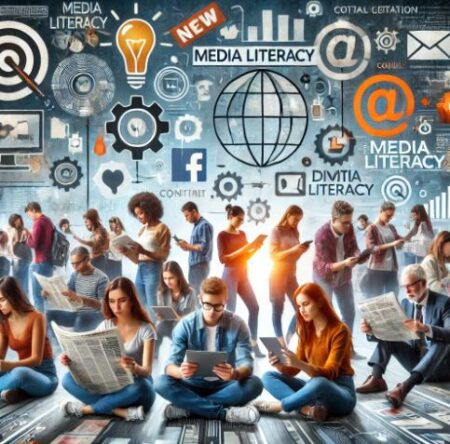
This anecdote highlights the critical need for media literacy in our digital age. Media literacy refers to the ability to access, analyze, evaluate, and create media in various forms. It equips individuals with the skills necessary to navigate the complex media landscape, discern credible information from falsehoods, and make informed decisions. In a world where fake news and misinformation can spread like wildfire through social media and other digital platforms, media literacy has become essential for personal empowerment and societal well-being. By fostering critical thinking and promoting informed consumption of media, media literacy helps protect individuals and communities from the harmful effects of misinformation.
What is Media Literacy?
Media literacy is the capacity to access, analyze, evaluate, and create media in diverse forms. It entails a comprehensive understanding of how media operates, the messages it conveys, and its impact on society. Through media literacy, individuals learn to critically assess the credibility and purpose of various media messages, distinguishing between factual information and misinformation. This skill set is essential in today’s digital world, where information is abundant and often manipulated. Media literacy fosters critical thinking, enabling individuals to recognize bias, propaganda, and the underlying motives of media producers. It also empowers them to engage actively and responsibly with media, making informed decisions and contributing to a more informed and discerning society.
What is Misinformation?
Misinformation refers to false or inaccurate information that is spread, regardless of intent to deceive. It encompasses a wide range of incorrect data, from simple errors and misunderstandings to unintentional mistakes in reporting or sharing content. Misinformation can originate from various sources, including individuals, media outlets, or social media platforms, and can quickly proliferate in the digital age due to the ease of information sharing. Unlike disinformation, which is deliberately crafted to mislead, misinformation is often spread by people who believe the information to be true. Despite the lack of malicious intent, misinformation can still have significant negative impacts, such as fostering confusion, perpetuating myths, and influencing public opinion or behavior based on false premises. Addressing misinformation requires a combination of media literacy, critical thinking, and fact-checking to ensure that information is accurate and reliable.
What is Fake News?
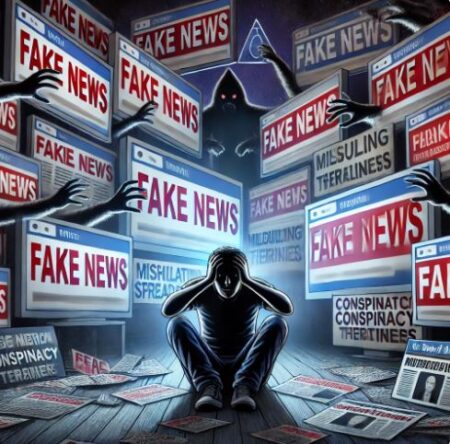
Fake news refers to deliberately fabricated information presented as legitimate news. This type of content is created with the intent to deceive, mislead, or manipulate the audience, often for political, financial, or social gain. Fake news can take various forms, including completely false stories, distorted facts, sensational headlines, and misleading images or videos. It leverages the trust people place in traditional news formats to spread misinformation rapidly, especially through social media platforms where it can quickly reach a wide audience. The proliferation of fake news can have serious consequences, such as undermining public trust in genuine journalism, influencing elections, and creating widespread misinformation on critical issues. Combating fake news requires a vigilant approach to media consumption, including verifying sources, cross-checking facts, and fostering media literacy to discern between credible news and fabricated content.
The Rise of Misinformation and Fake News
Misinformation and fake news are not new phenomena; they have deep historical roots. Historically, misinformation has been used as a tool for propaganda and manipulation. For example, during World War II, governments used propaganda to shape public perception and morale. However, the term “fake news” gained significant prominence in recent years. A notable example is the 2016 U.S. presidential election, where fabricated news stories spread widely on social media, influencing public opinion and political discourse. Another recent instance includes misinformation about COVID-19, where false claims about the virus and vaccines proliferated, impacting public health responses and behaviors.
Misinformation spreads through several mechanisms, primarily driven by the dynamics of social media. Social media algorithms prioritize content that generates high engagement, often amplifying sensational or misleading information. Echo chambers, where individuals are exposed predominantly to information that aligns with their existing beliefs, further exacerbate the spread of misinformation. In these environments, users are less likely to encounter contradictory viewpoints, reinforcing their preconceptions. Additionally, confirmation bias plays a significant role; people are more likely to accept and share information that confirms their existing beliefs, regardless of its accuracy. This self-reinforcing cycle makes it difficult to correct false information once it has taken hold.
The consequences of misinformation are profound and far-reaching. It can significantly influence public opinion, swaying people’s beliefs and attitudes based on false premises. This was evident in the 2016 U.S. presidential election and the Brexit referendum, where misinformation campaigns targeted voters with misleading information. Misinformation can also affect elections by undermining trust in democratic processes and institutions. Social division is another critical impact, as misinformation often fuels polarization by deepening divides between different social and political groups. Furthermore, misinformation can have dire public health implications, as seen during the COVID-19 pandemic, where false information about the virus and vaccines led to hesitancy and resistance, complicating efforts to control the spread of the disease. Addressing the rise of misinformation and fake news is crucial for maintaining informed public discourse, protecting democratic integrity, and ensuring public health and safety.
The Role of Media Literacy in Combating Misinformation
Media literacy plays a crucial role in combating misinformation by equipping individuals with the skills needed to critically analyze and evaluate the information they encounter. As misinformation becomes increasingly prevalent in the digital age, media literacy empowers people to navigate the complex media landscape with discernment and skepticism.
- Critical Thinking and Analysis
Media literacy fosters critical thinking, enabling individuals to question the validity and reliability of the information they come across. It teaches them to recognize credible sources, distinguish between fact and opinion, and identify potential biases in media messages. By developing these analytical skills, individuals can better assess the accuracy of information before accepting or sharing it. - Understanding Media Mechanisms
Understanding how media works, including the economic, political, and social factors that influence content creation and dissemination, is a fundamental aspect of media literacy. This knowledge helps individuals comprehend the motives behind different types of media messages, including those that may be intended to misinform or manipulate. Recognizing the role of social media algorithms, echo chambers, and confirmation bias in spreading misinformation allows people to be more vigilant and critical of the content they consume online. - Fact-Checking and Verification
Media literacy emphasizes the importance of fact-checking and verification. It encourages individuals to cross-reference information with multiple credible sources and utilize fact-checking tools to confirm the accuracy of claims. By adopting these practices, individuals can avoid spreading false information and contribute to a more informed and accurate public discourse. - Empowering Informed Decision-Making
With enhanced media literacy, individuals are better equipped to make informed decisions based on accurate and reliable information. This is particularly important in contexts such as voting, public health, and civic engagement, where misinformation can have significant consequences. Media literacy promotes informed citizenship, encouraging people to engage in society and democracy in a more responsible and educated manner. - Promoting Healthy Media Consumption
Media literacy also involves teaching individuals about the impact of their media consumption habits. By promoting healthy and balanced media consumption, individuals can reduce their exposure to misinformation and become more selective about the sources they trust. This approach helps build resilience against the influence of false information and enhances overall media well-being. - Educational Initiatives
Incorporating media literacy education into school curriculums, community programs, and public awareness campaigns is essential for combating misinformation on a larger scale. By educating the public, particularly young people, about the principles of media literacy, society can cultivate a more discerning and informed populace capable of resisting the spread of misinformation.
Media literacy is a powerful tool in the fight against misinformation. By fostering critical thinking, understanding media mechanisms, promoting fact-checking, empowering informed decision-making, and encouraging healthy media consumption, media literacy helps individuals navigate the media landscape with greater confidence and accuracy. Implementing comprehensive media literacy education is essential for building a more informed and resilient society capable of combating the challenges posed by misinformation.
Practical Tips for Developing Media Literacy Skills
In an era where information is abundant and easily accessible, developing media literacy skills is more crucial than ever. The ability to critically evaluate and effectively use media is essential for making informed decisions, participating in democratic processes, and protecting oneself from misinformation. Here are practical tips to enhance your media literacy skills and confidently navigate the complex media landscape.
- Question the Source
The first step in evaluating any piece of information is to question its source. Reliable sources are typically transparent about their authorship and credentials. Check the credibility of the website, the author, and the publisher. Reliable sources usually have a history of providing accurate and well-researched information. If a source seems dubious or lacks clear authorship, it’s a red flag that the information may not be trustworthy. - Cross-Check Information
Relying on a single source can be misleading. To confirm the accuracy of the information, cross-check it with multiple reputable sources. This practice helps identify inconsistencies and provides a more comprehensive understanding of the topic. For example, if you read a news story from a lesser-known outlet, verify the details by checking more established news organizations. - Recognize Bias
Every source of information may carry some bias, influenced by cultural, political, or commercial interests. Being aware of these biases helps in critically evaluating the content. Look for clues about the potential bias in the language, tone, and imagery used. Understanding the biases in the media you consume allows you to approach the information more objectively. - Analyze the Content
Beyond recognizing bias, analyze the content for its quality and intent. Sensationalist language and emotionally charged images can indicate biased or misleading content. Evaluate whether the information is presented in a balanced manner and whether opposing viewpoints are considered. High-quality journalism typically provides a well-rounded perspective supported by evidence and context. - Check the Evidence
Reliable information is supported by solid evidence. When evaluating claims, check the evidence provided. Look for data, expert opinions, and well-cited sources. Be skeptical of content that makes bold claims without verifiable evidence. Fact-checking websites and tools, such as Snopes, FactCheck.org, and PolitiFact, can be invaluable resources for verifying information. - Understand Media Mechanisms
A deeper understanding of how media works can enhance your media literacy. Learn about the economic, political, and social factors that influence media content. Social media algorithms, for instance, prioritize content that generates high engagement, often amplifying sensational or misleading information. Recognizing these mechanisms helps you approach media with a more critical eye. - Reflect on Your Own Biases
Everyone has biases that can influence how they perceive information. Acknowledging your own biases is crucial for objective evaluation. Reflect on how your background, beliefs, and experiences might shape your understanding of media content. Awareness of personal biases allows you to challenge your assumptions and critically approach information. - Educate Yourself Continuously
Media literacy is not a one-time learning process but an ongoing journey. Stay informed about current events, new media technologies, and emerging trends in misinformation and media manipulation. Continuous education helps you stay ahead of the curve and adapt to the ever-changing media landscape. - Engage in Constructive Discussions
Discussing media content with others can provide new perspectives and insights. Engage in discussions with a diverse group of people to broaden your understanding and challenge your views. Constructive dialogues can reveal different interpretations and help you refine your critical thinking skills. - Teach Media Literacy
Sharing your media literacy skills with others can amplify their impact. Teach family members, friends, or community groups about critical thinking and fact-checking. By spreading awareness, you contribute to building a more informed and discerning society. - Practice Healthy Media Consumption
Limit your exposure to sensationalist or unreliable sources and diversify your media diet. Follow various credible news outlets and engage with content that challenges your viewpoints. This balanced approach helps you develop a more nuanced perspective and reduces the influence of echo chambers.
You can develop strong media literacy skills by incorporating these practical tips into your daily media consumption habits. These skills empower you to navigate the information landscape critically and effectively, ensuring that you remain well-informed and resilient against misinformation. Media literacy is not just a personal skill but a societal necessity, fostering a more informed, engaged, and discerning public.
FAQ: The Role of Media Literacy in Combating Misinformation
1. What is media literacy?
Media literacy is the ability to access, analyze, evaluate, and create media in various forms. It involves understanding the role of media in society, recognizing the techniques used to create media messages, and evaluating the credibility and intent behind these messages. Media literacy empowers individuals to critically assess information, discern between reliable and unreliable sources, and make informed decisions.
2. Why is media literacy important in today’s digital age?
Media literacy is crucial in today’s digital age due to the sheer volume of information available online and the ease with which misinformation can spread. With the rise of social media and digital platforms, anyone can create and share content, making it difficult to distinguish between credible and false information. Media literacy helps individuals navigate this complex landscape, protecting them from misinformation and enabling them to consume media responsibly.
3. How does media literacy combat misinformation?
Media literacy combats misinformation by equipping individuals with the skills to critically evaluate information. This includes questioning the source, recognizing bias, analyzing content for quality and intent, and verifying facts with credible sources. By fostering critical thinking and promoting fact-checking, media literacy reduces the spread and impact of false information.
4. What are some practical tips for developing media literacy skills?
- Question the Source: Verify the credibility of the source, author, and publisher.
- Cross-Check Information: Confirm information with multiple reputable sources.
- Recognize Bias: Be aware of potential biases in media content.
- Analyze the Content: Look beyond the surface and evaluate the language, tone, and evidence provided.
- Use Fact-Checking Tools: Utilize websites and tools like Snopes, FactCheck.org, and PolitiFact.
- Understand Media Mechanisms: Learn how media operates, including social media algorithms and echo chambers.
- Reflect on Your Own Biases: Acknowledge and challenge your biases.
- Educate Yourself Continuously: Stay informed about current events and media trends.
- Engage in Constructive Discussions: Discuss media content with others to gain new perspectives.
- Practice Healthy Media Consumption: Diversify your media sources and limit exposure to unreliable content.
5. Can media literacy be taught in schools?
Yes, media literacy can and should be taught in schools. Integrating media literacy education into school curriculums helps students develop critical thinking skills from a young age. Educational programs can cover topics such as identifying credible sources, recognizing bias, fact-checking, and understanding the impact of media. Countries like Finland have successfully incorporated media literacy into their education systems, serving as a model for others.
6. How can parents help their children develop media literacy skills?
Parents can play a crucial role in developing their children’s media literacy skills by:
- Modeling Critical Thinking: Demonstrate how to question and evaluate information.
- Discussing Media Content: Engage in conversations about the media they consume.
- Encouraging Fact-Checking: Teach children to verify information with credible sources.
- Setting Media Consumption Guidelines: Promote balanced and healthy media habits.
- Providing Educational Resources: Utilize books, websites, and tools that focus on media literacy.
7. What are the consequences of not having media literacy skills?
Without media literacy skills, individuals are more susceptible to misinformation, which can lead to:
- Misguided Beliefs: Accepting false information as truth.
- Poor Decision-Making: Making decisions based on inaccurate information.
- Social Division: Contributing to polarization and conflict.
- Public Health Risks: Falling victim to health-related misinformation, as seen during the COVID-19 pandemic.
- Undermined Democracy: Misinformation can influence elections and erode trust in democratic processes.
8. How does media literacy promote healthy media consumption?
Media literacy promotes healthy media consumption by encouraging individuals to:
- Diversify Sources: Follow a variety of credible news outlets.
- Limit Sensationalism: Avoid sensationalist and unreliable sources.
- Engage Critically: Approach media content with a critical mindset.
- Balance Consumption: Ensure a balanced media diet that includes different perspectives.