Reference services in libraries are essential resources that assist library users in finding, interpreting, and utilizing information effectively. These services play a pivotal role in supporting research, learning, and information discovery by guiding users to the most relevant resources based on their specific needs. Librarians and information specialists providing reference services are equipped with a deep understanding of library resources, research methodologies, and information retrieval systems, allowing them to offer personalized assistance. For example, a user working on a research paper about climate change might ask a librarian to help them find recent journal articles, government reports, or statistical data. The librarian could then guide them to specialized databases like Scopus or JSTOR and help with strategies for effective keyword searching.
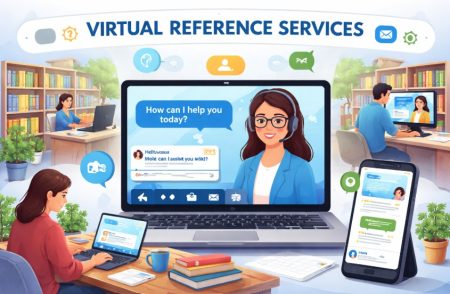
Whether through in-person consultations, phone calls, or digital platforms, reference services help users navigate vast amounts of information, identify credible sources, and enhance their ability to conduct thorough research. Many libraries also offer virtual reference services, where users can ask questions through chat systems or email. For instance, some Libraries offer virtual consultations via platforms such as Zoom or email, providing students with easy access to expert guidance on their research needs.
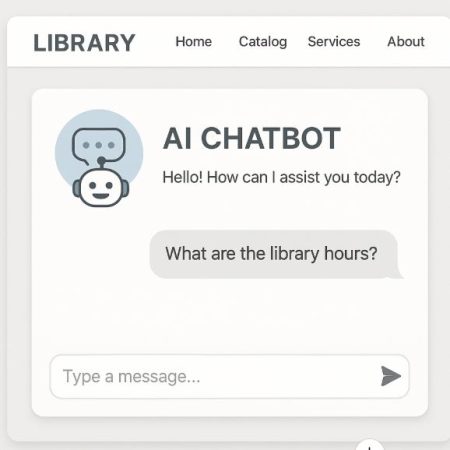
In the digital age, these services have evolved to include online databases, virtual reference desks, and chat-based support, ensuring users have access to timely and accurate assistance. Libraries often provide tools like LibGuides to help students and researchers with specific subject areas, such as history or engineering, which can include curated lists of databases, books, and articles relevant to those topics. Additionally, virtual reference services like “Ask a Librarian” allow users to get quick answers to their inquiries at any time.
The Need for Reference Services in the Library.
In today’s information-rich world, the need for reference services in libraries has never been more pronounced. Libraries serve as critical hubs of knowledge, offering access to a wealth of resources, both physical and digital. However, with an overwhelming amount of information available, library users often need assistance in navigating, selecting, and utilizing resources effectively. Reference services, provided by skilled librarians and information specialists, help bridge this gap by offering personalized guidance to users, ensuring they can access accurate and relevant information in an efficient manner.
- Supporting Research and Academic Success: One of the primary roles of reference services is supporting academic research. Libraries often house vast collections of books, journals, articles, and electronic resources, which can be overwhelming for users to sift through. Reference services help researchers—whether students, faculty, or independent scholars—locate the materials that best suit their specific needs. Librarians assist in the selection of appropriate sources, guide users on advanced search strategies, and ensure access to specialized databases like PubMed, JSTOR, and Scopus. For example, a student writing a thesis on sustainable agriculture might be directed to databases that focus on environmental science and agricultural practices, saving time and ensuring the quality of their research.
- Promoting Information Literacy: Another significant need for reference services is to foster information literacy among library users. Information literacy encompasses the ability to locate, evaluate, and use information effectively. Librarians help users develop these skills through hands-on training, workshops, and one-on-one consultations. These interactions empower users to become more self-sufficient in their research, allowing them to critically assess sources, identify reliable information, and avoid common pitfalls like plagiarism. For instance, a librarian may assist a student in understanding how to cite sources correctly and guide them in recognizing credible journals versus unreliable websites. These skills are not only essential for academic success but are also valuable in professional and personal contexts.
- Providing Timely Assistance and Convenience: Reference services also meet the practical need for timely assistance. Many library users face tight deadlines, whether for research papers, presentations, or projects. By offering reference support, libraries can help users save time and access the information they need quickly. Virtual reference services, such as “Ask a Librarian” chat systems or email consultations, have become particularly valuable in today’s fast-paced, digital world. These services allow users to ask questions and receive help without needing to visit the library in person, making information access more convenient and accessible.
- Assisting with Complex Information Retrieval: In addition to basic reference inquiries, libraries also help users with more complex information retrieval tasks. This includes locating hard-to-find resources, deciphering complex datasets, or finding specialized materials like government documents, patents, or historical archives. For example, researchers working on specialized topics in fields like law, medicine, or engineering often need access to niche resources. Librarians, with their expertise in these areas, can provide invaluable assistance in locating and retrieving these materials, even when they are not easily accessible through standard library databases.
- Enhancing User Experience: Reference services significantly enhance the overall user experience in libraries. They create an environment where users feel supported and confident in their ability to find and use information effectively. Libraries are not just spaces filled with books; they are dynamic information ecosystems that cater to a wide range of user needs. By offering reference services, libraries demonstrate their commitment to user-centered service and the promotion of lifelong learning.
Reference services are an indispensable part of the library ecosystem, helping users navigate the vast information landscape. Whether by assisting with research, promoting information literacy, providing timely support, or aiding in the retrieval of specialized materials, reference services ensure that libraries fulfill their essential role in education and research. As information continues to grow exponentially, the need for expert guidance and personalized support in libraries will only increase, making reference services more vital than ever before.
Why Are Reference Services Considered a Core Function of Modern Libraries?
Reference services are considered a core function of modern libraries due to their essential role in helping users navigate and utilize the vast amounts of information available. Libraries, which house extensive collections of books, journals, articles, and digital resources, can often overwhelm users who need guidance in finding the right materials. Reference services, offered by librarians and information specialists, provide expert assistance, enabling users to locate relevant resources quickly and efficiently. This is especially crucial in academic libraries, where students, faculty, and researchers rely on accurate, high-quality information for their work. Librarians help users access specialized resources, navigate complex databases, and understand citation practices, thus supporting academic success. For example, a student writing a research paper on climate change might receive guidance from a librarian in identifying credible academic journals or government reports, ensuring the research is based on reliable data.
In addition to supporting academic success, reference services play a vital role in promoting information literacy. In today’s information-rich society, users must be able to critically evaluate and use information effectively. Librarians teach users essential skills in information literacy, such as how to assess the credibility of sources, identify biases, and properly cite references. This training goes beyond the immediate research needs and equips users with skills they can apply in future academic, professional, or personal projects. Furthermore, reference services assist users with specialized and hard-to-find information. Librarians can guide users to specialized databases, archives, and collections that may not be easily accessible through general search engines. For example, a historian researching rare manuscripts or a lawyer seeking legal precedents can rely on the expertise of reference librarians to access these materials.
Another reason reference services are essential is their ability to enhance the overall user experience. Libraries are not just places to find books; they are dynamic learning environments. Reference services ensure that users feel supported and empowered, whether they need help finding information or understanding how to use the resources available. With the integration of technology, libraries now offer virtual reference services, allowing users to access expert help remotely through email, chat, or video consultations. These services make library resources more accessible to a wider audience, regardless of location or time constraints. Additionally, reference services support lifelong learning by helping individuals of all ages and backgrounds pursue personal and professional development. Whether it’s a retiree looking to learn a new skill or a professional exploring career advancement opportunities, reference librarians provide the guidance needed to access relevant resources and reach learning goals.
As libraries continue to adapt to technological advancements, reference services remain crucial in helping users navigate digital tools, databases, and online resources. Librarians not only assist with the technical aspects of using digital tools but also provide training on how to effectively search and access online databases, e-books, and other electronic resources. This ensures that library users can fully utilize the library’s digital offerings and overcome potential technical issues. In conclusion, reference services are a cornerstone of modern libraries because they facilitate efficient information retrieval, support academic research, promote information literacy, and enhance the user experience. By providing expert guidance and personalized assistance, reference services ensure that library users can access the vast resources available to them and achieve their research, learning, and professional goals.
How Reference Services Contribute to the Overall User Experience in Libraries
Reference services significantly enhance the overall user experience in libraries by providing expert guidance, personalized support, and ensuring users can efficiently access the information they need. In a library environment, users often face a wealth of resources, including books, journals, databases, and online content, which can be overwhelming without proper direction. Reference services help users navigate these vast collections, ensuring that they find the most relevant and credible materials for their research, studies, or personal interests. By offering both in-person and digital consultations, librarians provide immediate assistance and help users overcome obstacles they may encounter during their information search, making the library experience more accessible and less stressful.
Reference services help library users develop essential skills in information retrieval and evaluation, contributing to a more informed and empowered experience. Librarians teach users how to effectively search databases, assess the credibility of sources, and use library tools to their advantage. This hands-on assistance not only makes the research process smoother but also equips users with lifelong skills they can apply to future learning and professional endeavors. For instance, when a student struggles to locate credible sources for a research paper, a librarian can demonstrate how to refine search queries or use advanced search features, providing valuable skills beyond the immediate task.
Reference services also improve user engagement by fostering a sense of support and personalized attention. Libraries are no longer just places to borrow books; they are dynamic spaces that offer a variety of services tailored to individual needs. Whether it’s a researcher seeking rare primary source materials or a casual learner exploring a new hobby, reference librarians are there to guide them through the process. Additionally, with the rise of virtual reference services, libraries ensure that users can receive help regardless of location or time constraints. Whether it’s through email, chat, or video consultations, users can reach out for assistance, creating a more flexible and user-centered experience.
Key Challenges in Providing Effective Reference Services in Libraries Today
Providing effective reference services in libraries has become increasingly complex due to various challenges presented by rapid technological advancements, changing user needs, and resource limitations. While reference services remain a core function of modern libraries, libraries must adapt to these challenges to ensure they continue to meet the needs of diverse users effectively. Understanding and addressing these challenges is essential for libraries to maintain high-quality, accessible, and relevant reference services.
- Evolving Technology and Digital Resources: One of the most significant challenges in providing effective reference services today is the rapid pace of technological change. Libraries must continually update their digital resources, including online databases, e-books, and virtual reference tools, to keep up with new platforms and technologies. While this technological shift provides users with more convenient access to information, it also requires librarians to stay updated on an ever-expanding range of tools, platforms, and digital resources. Librarians must not only be knowledgeable about these resources but also skilled in helping users navigate them, which can be challenging when dealing with new technologies. Additionally, the increasing reliance on digital resources means that traditional in-person reference services are less commonly used, and libraries must find new ways to engage users in a predominantly digital environment.
- Information Overload: Another key challenge in reference services is the overwhelming amount of information that is now available to library users. The sheer volume of digital content—from scholarly articles and research papers to blogs and online forums—makes it difficult for users to sift through and identify relevant, credible sources. Libraries must help users navigate this information overload by teaching them how to effectively search for and evaluate resources. Reference librarians play a critical role in guiding users through vast information spaces, but the constant growth of digital content requires continuous effort to refine search strategies and to ensure that users can access the most pertinent and trustworthy information. Moreover, users may struggle with finding quality information amidst the abundance of resources, making the need for expert guidance more important than ever.
- Diverse User Needs: Libraries today serve a wide range of users, from students and faculty to researchers, lifelong learners, and community members with various backgrounds and information needs. This diversity presents a challenge for reference services, as librarians must provide support to users with varying levels of information literacy, subject knowledge, and technological proficiency. Tailoring reference services to meet these diverse needs requires librarians to be adaptable and capable of providing personalized assistance. For example, a librarian may need to assist a graduate student conducting advanced research in a specialized field while simultaneously helping a local community member find resources for personal development. Striking the right balance in offering reference services that cater to such diverse groups requires careful consideration and a well-rounded approach to library support.
- Limited Resources and Staffing: Providing high-quality reference services requires adequate staffing and resources, which is a challenge faced by many libraries, especially those with limited budgets. With budget constraints, many libraries are forced to reduce staff, leading to increased workloads for librarians, which can impact the quality and timeliness of reference services. Additionally, libraries may struggle to keep up with the continuous training and professional development required to maintain a knowledgeable reference team. As libraries expand their digital services, the demand for librarians skilled in managing and providing virtual reference services also grows, which may require specialized training or even new hires. Without sufficient resources and staffing, libraries may find it difficult to maintain effective and responsive reference services for all users.
- User Expectations and Changing Behavior: With the rise of online information sources such as search engines, social media, and crowdsourced platforms, user expectations for fast and immediate answers have increased. Today’s library users are accustomed to quick access to information, often expecting instant responses to their questions. While libraries provide valuable in-depth research support, they are not typically structured to offer rapid answers on the same level as a Google search. Additionally, users may not always be aware of the specialized resources available through libraries and may turn to easily accessible, but less reliable, sources. Meeting these high expectations for speed and convenience while maintaining the quality of reference services presents a challenge for libraries. Furthermore, user behavior has shifted towards more self-directed learning, where individuals prefer to find answers independently, making it harder to engage them with traditional reference services.
- Promoting Information Literacy in a Digital Age: While information literacy has always been a focus of library services, the increasing reliance on digital tools presents new challenges for teaching users how to find, evaluate, and use information effectively. Digital literacy, which includes navigating online databases, evaluating web sources, and understanding digital copyright laws, has become a critical component of modern information literacy. Reference librarians must address these needs by offering training on digital tools and resources, but this can be challenging as digital literacy levels vary widely among users. Additionally, as misinformation and fake news become more prevalent, librarians must also help users develop the skills to identify credible sources, a task that requires continuous education and outreach efforts.
- Ensuring Access for Remote Users: As more libraries expand their digital services, ensuring access to reference support for remote users has become an increasingly important challenge. Libraries are not only physical spaces anymore; they are digital hubs serving users across geographic boundaries. Offering virtual reference services, such as live chat, email, and video consultations, is essential for engaging remote users, but it also presents challenges in terms of maintaining quality service across multiple platforms. Libraries must ensure that their digital reference tools are user-friendly and accessible to individuals with varying levels of technological expertise. Moreover, providing timely support and personalized guidance to remote users can be resource-intensive and requires librarians to adapt to the digital landscape.
Providing effective reference services in modern libraries is an increasingly complex task due to challenges such as evolving technology, information overload, diverse user needs, limited resources, shifting user expectations, and the necessity to promote digital literacy. Libraries must continuously adapt to these challenges by staying current with new tools, refining their services, and training staff to meet the needs of all users. By addressing these issues, libraries can continue to offer valuable reference services that enhance the user experience, support academic success, and promote lifelong learning in an information-driven world.
How Can Libraries Adapt Their Reference Services to Meet the Needs of Diverse User Groups?
As libraries strive to serve an increasingly diverse range of users, adapting reference services to meet the varying needs of different groups is crucial. Libraries are no longer just institutions for academic research; they have become community hubs that cater to a wide spectrum of individuals, including students, faculty, lifelong learners, professionals, and community members with varying information needs and levels of literacy. Providing effective and personalized reference services in such an environment requires libraries to be flexible, innovative, and responsive to the unique demands of each user group.
- Personalizing Services for Different User Groups: One of the most important ways libraries can adapt their reference services is by personalizing them for distinct user groups. Students, for example, have academic needs such as research support, citation help, and access to scholarly resources. Faculty members may require more specialized assistance, such as guidance on locating research funding, accessing discipline-specific databases, or navigating copyright laws. In contrast, community members may seek more general information or resources related to personal development, career advancement, or health. Librarians can tailor their approach by offering specialized services for each user group, ensuring that the information and resources provided are relevant and useful.
For instance, libraries can organize workshops or one-on-one sessions targeting specific user needs. A university library could offer citation management workshops for students or host grant writing seminars for faculty. Public libraries could provide career counseling or digital literacy training for job seekers and retirees. By segmenting services and training staff to address the needs of different groups, libraries can ensure that all users receive the most effective assistance possible. - Embracing Technology for Broader Accessibility: With the increasing demand for digital access, libraries can enhance their reference services by incorporating technology to reach a wider audience. Virtual reference services, such as live chat, video consultations, and email support, allow users to interact with librarians remotely, making reference assistance more accessible to those who cannot visit the library in person. This is particularly important for non-traditional users, such as remote learners, working professionals, or individuals with physical disabilities who may find it difficult to access the library during regular hours.
Libraries can also implement online databases, digital archives, and mobile apps to provide 24/7 access to resources. These digital tools cater to a wide variety of users and can help them find information at any time, from any location. Additionally, interactive guides and tutorials, such as those offered through LibGuides, can provide users with step-by-step instructions on how to find resources, improving both their information retrieval skills and their independence. - Providing Multilingual and Culturally Relevant Resources: Libraries in diverse communities must adapt their reference services to meet the linguistic and cultural needs of their users. Multilingual reference services and culturally relevant resources are essential for libraries aiming to serve a broad demographic. Providing assistance in multiple languages and offering access to resources that reflect the diverse cultural backgrounds of users ensures that no group is left behind.
For instance, public libraries in multicultural cities can offer translation services, bilingual staff, and resources in various languages. Additionally, libraries can curate collections that represent diverse cultural perspectives, ensuring that users from different backgrounds feel valued and included. This also extends to reference services, where librarians can be trained to interact with diverse communities, fostering an inclusive atmosphere where everyone feels comfortable seeking assistance. - Offering Information Literacy Training Across Different Levels: Different user groups often have varying levels of information literacy. Students, particularly those in higher education, may require training on advanced research techniques, database searching, and citation management. On the other hand, community members may need foundational training on using search engines, understanding digital content, or navigating online databases. To adapt to these differing needs, libraries must offer information literacy programs at various levels, catering to beginners as well as more advanced users.
Librarians can offer tailored workshops, tutorials, and one-on-one sessions to help users improve their information literacy skills. For example, libraries can offer workshops on basic internet skills for older adults or help job seekers learn how to use digital resources like job boards and resume-building tools. By customizing their information literacy training, libraries ensure that users can effectively navigate the information landscape, regardless of their experience level. - Fostering a Collaborative Approach to Reference Services: To effectively meet the needs of diverse user groups, libraries should also foster collaboration both within the library and with external organizations. Reference services can be improved by working with local community centers, schools, and businesses to identify and address specific needs within the community. For example, libraries can partner with local employers to offer workforce development programs or collaborate with schools to provide research assistance to students.
Furthermore, libraries can work with local government agencies, health organizations, and non-profits to ensure that reference services address community-wide issues such as health literacy, financial literacy, or legal support. By building partnerships and expanding outreach efforts, libraries can provide more comprehensive and inclusive reference services that go beyond traditional library users. - Training Library Staff to Be Culturally Competent and Technologically Proficient: To meet the needs of diverse user groups, it is essential that library staff are both culturally competent and technologically proficient. Librarians should receive regular training on cultural sensitivity, including how to communicate effectively with users from different cultural backgrounds and how to address the unique challenges faced by underrepresented groups. This training helps create an inclusive and welcoming atmosphere in the library, where all users feel confident in seeking assistance.
In addition to cultural training, librarians must also stay updated on the latest technological tools and resources available to library users. This ensures that they can provide efficient and relevant assistance across various platforms, whether in person, over the phone, or through digital channels. Technologically proficient staff can better guide users in navigating online databases, digital archives, and e-books, empowering them to access the library’s resources more effectively.
Adapting reference services to meet the needs of diverse user groups requires flexibility, innovation, and a deep understanding of the unique challenges each group faces. By personalizing services, embracing technology, offering multilingual and culturally relevant resources, providing information literacy training at different levels, fostering collaborations, and training staff to be culturally competent and technologically proficient, libraries can ensure that they continue to provide high-quality, inclusive services to all users. As libraries evolve to meet the demands of a diverse society, their reference services will play a central role in fostering access to knowledge, supporting lifelong learning, and promoting community engagement.
How Reference Services Support Academic Research and Information Retrieval
Reference services are integral to supporting academic research and facilitating efficient information retrieval. In today’s information-rich academic environment, students, faculty, and researchers often face challenges in accessing and navigating the vast resources available in libraries. Reference librarians play a critical role in guiding users to the most relevant, credible, and up-to-date sources. These services help researchers by offering personalized support in selecting appropriate resources, refining search strategies, and efficiently navigating complex academic databases. For example, a librarian may direct a researcher studying climate change to specialized databases like GreenFILE or Scopus, ensuring that the researcher accesses credible, relevant materials.
Beyond simply helping with resource discovery, reference services also teach researchers valuable skills in information retrieval. Librarians provide training on how to use advanced search techniques, apply filters, and navigate specialized research tools. With expertise in using databases such as JSTOR, PubMed, or Web of Science, reference librarians teach users how to make the most of these platforms, allowing them to find the exact information they need while minimizing irrelevant results. By developing these skills, researchers can conduct more efficient searches and access quality information more effectively. Moreover, reference services ensure that the information users retrieve is credible and reliable, an essential aspect of academic research. Librarians help users evaluate the quality of sources, distinguish between scholarly, peer-reviewed content and less reliable materials, and assess the relevance of information. This guidance is especially important in an era where anyone can publish content online, and the credibility of information may not always be immediately apparent. Librarians help users understand the significance of peer-reviewed articles, the importance of citing sources, and how to identify reliable research, ensuring that their academic work meets rigorous standards.
Another key role of reference services is assisting with proper citation practices. Citing sources accurately is crucial to maintaining academic integrity and avoiding plagiarism. Librarians help users navigate various citation styles, such as APA, MLA, and Chicago, ensuring that they follow the correct formats for their specific academic field. Additionally, reference services often include training in using citation management tools like Zotero or EndNote, which help users organize their references and generate citations efficiently. This support enables researchers to focus on the content of their work without worrying about formatting issues, ensuring that their citations are both accurate and consistent.
Reference services are also essential for supporting specialized and complex research needs. Many academic research topics require access to niche resources, rare materials, or specialized databases that may not be easily accessible through general search engines. Librarians, with their knowledge of library collections and research tools, assist users in locating these materials, whether it’s primary source documents, legal records, or historical archives. For instance, a researcher in law may need help accessing legal precedents or court rulings, and a reference librarian can guide them to the right resources, ensuring they have the specialized information required for their studies.
In addition to providing support for physical resources, reference services also facilitate access to digital materials. As more research moves online, libraries have expanded their digital collections, offering e-books, online journals, and databases. Reference librarians assist users in accessing these digital resources remotely, helping with login issues and ensuring that users can make full use of digital tools from any location. This support is especially valuable for researchers who work from home or outside the traditional library setting, ensuring that they have access to the same high-quality resources available to on-campus users.
How Can Library Staff Be Trained to Provide High-Quality Reference Services?
Training library staff to provide high-quality reference services is essential to ensuring that users receive effective, accurate, and timely assistance in accessing library resources. High-quality reference services are fundamental to a library’s ability to support research, learning, and information retrieval. To equip staff with the skills and knowledge required to meet these demands, libraries must invest in comprehensive and ongoing training programs that focus on both technical proficiency and interpersonal skills.
- Comprehensive Knowledge of Library Resources: One of the first components of effective reference service training is ensuring that library staff possess an in-depth understanding of the library’s resources. This includes not only physical collections such as books, journals, and archives but also digital resources such as online databases, e-books, and other electronic materials. Staff should be familiar with the full range of resources available to library users, as well as how to guide users in accessing these materials. For example, training should include practical sessions on navigating specialized academic databases (such as JSTOR or Scopus) or searching tools that may not be intuitive for users unfamiliar with them. Staff should also be trained on new and emerging technologies, such as digital archives and cloud-based tools, to ensure they remain up-to-date with the evolving digital landscape.
- Mastery of Search Techniques and Information Retrieval: Training in information retrieval techniques is another essential aspect of reference services. Library staff must be equipped to assist users with complex search queries and guide them in finding the most relevant and credible information efficiently. Librarians should be trained in advanced search techniques, such as Boolean operators, field-specific searches, and citation chaining, which allow users to narrow their searches and locate more precise information. Role-playing exercises and case studies can be useful tools for teaching staff how to manage various types of reference inquiries, from simple requests for books to complex multi-step research questions. Providing staff with hands-on experience using these tools ensures that they feel confident assisting users with complex academic or professional research needs.
- Training in Information Literacy: Information literacy is an essential skill for both library staff and users, and training staff in information literacy is vital to providing high-quality reference services. Library staff should be knowledgeable about how to teach users the principles of information literacy, such as how to critically evaluate sources, identify credible information, and understand citation practices. This type of training should emphasize the importance of guiding users not just to find resources, but to understand how to assess their quality and relevance. Librarians can be trained to conduct workshops or one-on-one sessions that help users develop these skills, ensuring that library patrons are empowered to become more independent in their research.
- Communication and Interpersonal Skills: Providing high-quality reference services is not only about technical expertise but also about communication and interpersonal skills. Library staff must be trained to interact with users in a way that is both professional and approachable, ensuring that users feel comfortable seeking assistance. This involves active listening, the ability to ask clarifying questions, and the patience to help users work through challenges in a supportive manner. Training programs should include modules on customer service, conflict resolution, and strategies for engaging with diverse groups of library users. Staff should also be trained to adapt their communication style to different user needs, whether they are assisting students, faculty, or community members with varying levels of information literacy.
- Training in New Technologies and Digital Tools: As libraries increasingly move towards digital platforms and online services, training staff in new technologies is crucial for providing high-quality reference services. Staff should be comfortable with various digital tools, such as chat reference systems, virtual meeting platforms (e.g., Zoom or Skype), and integrated library systems (ILS) that allow users to access resources remotely. Training should also focus on emerging technologies, such as AI-powered search tools, data management platforms, and virtual reference services. Familiarity with these technologies ensures that library staff can assist users who may prefer online interactions and helps expand the library’s reach beyond its physical location.
- Regular Professional Development and Continuous Learning: Library staff must undergo continuous training to stay current with new trends, tools, and best practices in the library and information science field. Professional development opportunities, such as attending conferences, webinars, and workshops, allow staff to gain insights from peers, learn about innovations in the field, and further refine their skills. Libraries should encourage staff to pursue certifications in information management or other relevant fields to support their growth and expertise. Additionally, providing opportunities for internal peer training and knowledge-sharing sessions can help create a culture of continuous improvement within the library. Keeping staff up-to-date on the latest developments ensures that they can continue to provide high-quality services to library users.
- Creating a Collaborative Learning Environment: Libraries can foster a collaborative learning environment where staff can learn from one another and share expertise. Team-based training sessions, shadowing opportunities, and collaborative problem-solving exercises allow staff to learn from each other’s experiences. By promoting teamwork and creating a space for sharing best practices, libraries can enhance the effectiveness of their reference services. Moreover, staff should be encouraged to work closely with faculty and other library departments to ensure that reference services align with the specific needs of various academic disciplines and user groups.
Training library staff to provide high-quality reference services involves a comprehensive approach that combines technical knowledge, communication skills, and continuous learning. By equipping staff with expertise in information retrieval, library resources, digital tools, and information literacy, libraries can ensure that they offer effective and efficient reference services. Additionally, fostering strong communication skills and promoting a collaborative learning environment are essential for creating an approachable and supportive atmosphere for library users. As libraries continue to evolve and serve increasingly diverse user groups, ongoing training will remain key to maintaining the quality of reference services and meeting the ever-changing needs of patrons.
Reference Book:
- Sharma, C. K. (2006). Reference Service and Sources. Atlantic Publishers & Dist.
- Adigun, G. O., Adegbore, A. M., & Amuda, H. O. (2018). The Social Library: Integrating Social Networking Into Library Reference Services. In Library Science and Administration: Concepts, Methodologies, Tools, and Applications (pp. 697–712). IGI Global Scientific Publishing. https://doi.org/10.4018/978-1-5225-3914-8.ch033
- Buckland, M. K. (2014). Library Services in Theory and Context. Elsevier.
- Cassell, K. A., & Hiremath, U. (2023). Reference and Information Services: An Introduction, Fifth Edition. American Library Association.
- Han, L., & Goulding, A. (2003). Information and reference services in the digital library. Information Services and Use, 23(4), 251–262. https://doi.org/10.3233/ISU-2003-23406
- Janes, J. (2002). Digital reference: Reference librarians’ experiences and attitudes. Journal of the American Society for Information Science and Technology, 53(7), 549–566. https://doi.org/10.1002/asi.10065
- Maggio, L. (2007). Reference and Information Services in the 21st Century: An Introduction. Journal of the Medical Library Association, 95. https://doi.org/10.3163/1536-5050.95.3.359
- Parida, B. (n.d.). Emergence of Digital Library Services in India.
- Smith, L. C. (2009). Reference Services. In Encyclopedia of Library and Information Sciences (3rd ed.). CRC Press.
- Tajer, P. (2009). Reference Services 2.0: A proposal model for Reference Services in Library 2.0.