The “Ask a Librarian” service is a modern reference and information support system that connects library users directly with professional librarians for personalized assistance. Unlike the traditional reference desk, where help is limited to in-person interaction, this service extends support through multiple channels, such as email, live chat, phone, or online forms. For example, a student struggling to find peer-reviewed journal articles for a research paper can use the service to receive step-by-step guidance on searching databases like Scopus or JSTOR. Similarly, a faculty member preparing a manuscript may ask for help with citation styles such as APA or Chicago and receive tailored instructions from a subject specialist. The service can also assist general users; for instance, a new patron learning how to use the Online Public Access Catalogue (OPAC) or someone needing directions to the library’s e-book collections. By providing these targeted, real-time solutions, the Ask a Librarian service ensures that the library remains an accessible, user-centered hub for knowledge. It strengthens the role of the library not just as a place for storing books, but as a dynamic partner in supporting learning, research, and academic success.
What is an “Ask a Librarian” Service in a Modern Library Context?
In today’s digital and knowledge-driven environment, the “Ask a Librarian” service represents a vital extension of library reference services, designed to meet the evolving needs of users in both physical and virtual spaces. It is essentially a personalized support system where library patrons can directly connect with trained librarians to receive assistance on a wide range of queries, from locating specific books to navigating complex electronic databases. Unlike the traditional in-person reference desk, modern Ask a Librarian services operate across multiple platforms such as live chat, email, video conferencing, and social media messaging, ensuring that help is available beyond the library’s physical walls. For instance, a student working late at night on a research assignment may use the library’s chat service to get real-time help on accessing journal articles, while a researcher might schedule an online consultation with a subject specialist for advanced database searching. This service not only saves users time and reduces frustration but also enhances information literacy by teaching them how to evaluate and effectively use resources. By combining accessibility, immediacy, and expert guidance, Ask a Librarian reflects the library’s role as a proactive, user-centered institution that adapts to modern learning and research demands.
How Does an Ask a Librarian Service Differ from Traditional Reference Desk Services?
The Ask a Librarian service represents an evolution of the traditional reference desk, offering a more flexible and technology-driven approach to supporting library users. While the reference desk has historically relied on face-to-face interactions within the physical library, Ask a Librarian extends this support to digital platforms such as live chat, email, and video conferencing. This means that users no longer need to be physically present to receive help; for example, a distance-learning student can consult a librarian online for assistance in accessing e-resources. Traditional reference desks are also limited by library opening hours, whereas Ask a Librarian services often provide extended or even 24/7 availability, ensuring that patrons can get timely guidance, such as resolving login issues late at night or clarifying citation requirements before a deadline.
The scope of Ask a Librarian services is broader as well. While traditional desks primarily assist with locating books or answering basic queries, modern online services address more advanced needs such as database searching, reference management, and systematic literature review support. A researcher, for instance, may schedule a virtual consultation with a subject specialist to design an effective search strategy in Scopus or Web of Science. Moreover, Ask a Librarian integrates digital tools and automated systems, including knowledge bases and chatbots, which streamline responses to frequently asked questions like book renewals or account access, leaving librarians more time to focus on complex queries.
Ultimately, the Ask a Librarian service reflects a more user-centered approach. Unlike the one-size-fits-all model of the reference desk, it allows patrons to choose their preferred method of communication, whether a quick chat, an email exchange, or a scheduled virtual meeting. By combining accessibility, immediacy, and expert guidance, Ask a Librarian bridges the gap between physical and digital library spaces, making library support more dynamic and inclusive. While the traditional reference desk still plays an important role in in-person assistance, Ask a Librarian embodies how libraries adapt to the changing research and learning needs of the digital age.
Why Do Academic and Public Libraries Implement the “Ask a Librarian” Service?
Libraries have always been central to learning, research, and community engagement. In the past, users depended heavily on in-person visits to seek help from librarians at the reference desk. While this model was effective in its time, the digital age has transformed the way people access information. Today’s library users expect support that is not only expert and reliable but also quick, flexible, and often available remotely. To meet these changing demands, both academic and public libraries have introduced the “Ask a Librarian” service, a modern extension of traditional reference support that leverages technology to provide personalized assistance.
- Meeting Academic Needs: Academic libraries implement the Ask a Librarian service primarily to support students, researchers, and faculty in their academic journeys. With the growing reliance on electronic databases, citation management tools, and digital repositories, navigating information resources can be overwhelming. For example, an undergraduate student might struggle to find peer-reviewed journal articles for a term paper, or a graduate researcher may need help designing a systematic search strategy in databases like Scopus or Web of Science. Through Ask a Librarian, trained subject specialists can provide step-by-step guidance on these complex tasks, ensuring that users develop stronger research skills. Faculty members also benefit from the service when preparing manuscripts, seeking citation support, or accessing subscription-based scholarly resources. By offering this kind of tailored assistance, academic libraries directly contribute to teaching excellence and research productivity.
- Supporting Public Library Communities: Public libraries, by contrast, serve a wider and more diverse audience, including students, job seekers, families, and lifelong learners. Their implementation of Ask a Librarian reflects a mission of inclusivity and community empowerment. For instance, a library patron might use the service to learn how to borrow e-books, locate local history archives, or find reliable health information. Job seekers may request assistance with résumé-building resources or interview preparation guides, while senior citizens may ask for help accessing online government forms. By addressing such diverse needs, Ask a Librarian in public libraries functions as a lifeline for community members navigating both print and digital resources. It reinforces the library’s role as a community hub that promotes digital literacy, lifelong learning, and civic engagement.
- Expanding Access and Flexibility: Another significant reason for adopting Ask a Librarian services is the issue of accessibility. Traditional reference desks are limited by physical location and operating hours. A student working late on a deadline or a working adult with little free time may not be able to reach the library during the day. Ask a Librarian solves this problem by offering multiple channels for communication, such as live chat, email, SMS, or even WhatsApp. Many libraries extend the service beyond regular hours, some even offering 24/7 support through collaborative networks. This flexibility ensures that users can receive expert assistance when they need it most, making the service highly responsive to modern lifestyles.
- Demonstrating the Value of Librarianship: In an era dominated by search engines and quick online answers, many people underestimate the importance of professional librarianship. Libraries implement Ask a Librarian to remind users that information expertise matters. Unlike general internet searches, librarians provide critical evaluation, reliable sources, and guidance tailored to a user’s specific needs. For example, while a search engine might return thousands of irrelevant results, a librarian can help a student refine search strategies, recommend authoritative sources, and avoid plagiarism through proper citation guidance. This professional touch distinguishes libraries from generic information providers and highlights their ongoing relevance in the digital knowledge ecosystem.
Both academic and public libraries implement the Ask a Librarian service to strengthen their mission of providing user-centered, accessible, and expert information support. For academic libraries, the service enhances research and teaching by guiding students and faculty through complex scholarly resources. For public libraries, it extends inclusive assistance to community members with diverse needs, from digital literacy to personal development. Ultimately, Ask a Librarian bridges the gap between traditional reference services and modern digital expectations, ensuring that libraries remain vital and adaptable institutions in the 21st century. By implementing this service, libraries reaffirm their role not just as storehouses of knowledge, but as active partners in learning, research, and community life.
The Significance of “Ask a Librarian” Service:
The “Ask a Librarian” service has become an essential part of modern library practice, offering personalized support to users in an age where information is abundant but often difficult to navigate. Its significance lies in ensuring that libraries remain accessible, reliable, and user-centered in both academic and public contexts. Unlike the traditional reference desk, which is bound by physical presence and limited hours, Ask a Librarian expands access through multiple channels such as live chat, email, and virtual appointments. This means that students working late at night on an assignment can receive help with e-resources, and community members living far from the library can still get guidance on borrowing e-books or using digital tools. By making expert support more accessible, the service keeps libraries relevant to the needs of today’s learners and researchers.
In academic settings, Ask a Librarian is especially significant because it contributes directly to research and academic success. Students often face difficulties when navigating complex databases, refining their search strategies, or citing sources properly. Faculty and researchers may also require support in managing references or conducting systematic literature reviews. Through this service, librarians provide step-by-step, one-on-one assistance that not only improves research efficiency but also teaches users how to evaluate and apply information responsibly. This tailored guidance strengthens academic integrity and enhances learning outcomes.
In public libraries, the service plays an equally important role by addressing the diverse needs of communities. Patrons may seek help with résumé writing, government forms, local history research, or developing digital literacy skills. For example, a job seeker can ask for resources to prepare for an interview, while a retiree may need help accessing reliable health information online. Such support ensures that public libraries remain inclusive spaces where people of all ages and backgrounds can engage in lifelong learning.
Another important dimension of the Ask a Librarian service is the way it reinforces the professional role of librarians. In an era dominated by internet search engines, many users assume that quick online searches are sufficient. However, librarians bring specialized expertise in information organization, retrieval, and evaluation, offering users not just answers but reliable, accurate, and context-specific information. This expertise helps individuals avoid misinformation and strengthens their ability to think critically in an information-saturated environment.
Services Offered by “Ask a Librarian”
Libraries are no longer limited to being physical spaces where information is stored; they are now dynamic centers of knowledge, research, and community engagement. To keep pace with the changing needs of users in the digital age, many libraries have introduced the “Ask a Librarian” service, which provides direct access to professional librarians for timely and personalized support. This service offers a wide range of assistance, ensuring that users, whether students, researchers, or general community members, can make the most of library resources.
- Research Assistance: One of the core services provided through Ask a Librarian is help with research and information searching. Many users, particularly students, struggle to locate relevant academic resources in large databases or library catalogues. Through this service, librarians guide users in formulating research questions, developing effective search strategies, and navigating platforms such as Scopus, JSTOR, or Web of Science. For example, a graduate student working on a thesis may receive detailed instructions on refining keywords, filtering peer-reviewed materials, and identifying high-impact journals.
- Citation and Referencing Support: Another important service is citation guidance. Proper referencing is essential for maintaining academic integrity, yet students often find it difficult to apply citation styles like APA, MLA, Chicago, or Harvard consistently. Ask a Librarian allows users to receive clear instructions and examples on correct citation practices. Librarians may also introduce citation management tools such as EndNote, Mendeley, or Zotero, which help users organize references efficiently. This not only prevents plagiarism but also enhances the quality of academic writing.
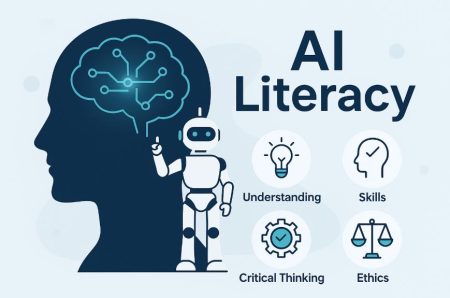
- Digital Literacy Training: In an era of information overload, the ability to evaluate sources critically is crucial. Through Ask a Librarian, patrons receive digital literacy support, learning how to distinguish between credible academic sources and unreliable information online. For instance, a student preparing a class project may be guided in assessing the authority of websites, while a community member could learn how to locate reliable health or government information. Such training empowers users to become independent and responsible information seekers.
- Technical and Access Assistance: Many users encounter difficulties when using library systems, such as online catalogues (OPAC), databases, or remote access platforms. Ask a Librarian offers technical and access-related support, helping patrons resolve login issues, renew borrowed items, or navigate digital collections. For example, a faculty member attempting to access a journal article from off-campus can be guided through the library’s authentication system. This ensures that users can take full advantage of the library’s subscribed resources without unnecessary barriers.
- Community-Focused Services: Public libraries, in particular, extend Ask a Librarian to include community services that go beyond academic support. Patrons may ask for help with résumé writing, interview preparation, or completing online government forms. A job seeker, for example, may receive guidance on using the library’s career databases, while an older adult could be assisted with downloading e-books or using digital platforms for the first time. By offering these services, libraries reinforce their role as inclusive, community-oriented institutions.
The services offered by Ask a Librarian highlight the evolving role of libraries in the digital age. From research assistance and citation guidance to digital literacy training, technical support, and community-focused help, this service ensures that libraries remain accessible, adaptable, and user-centered. More than just answering questions, Ask a Librarian empowers users to develop the skills needed for lifelong learning and responsible information use. By providing personalized support, the service strengthens the library’s mission as both a knowledge hub and a partner in education, research, and community development.
Benefits of “Ask a Librarian” Service for Library Users and Staff
The “Ask a Librarian” service has become an essential component of modern library services, offering significant advantages to both patrons and library staff. By combining accessibility, expertise, and personalized guidance, it enhances the user experience while also empowering librarians to deliver more effective support. The benefits extend beyond individual transactions, shaping the overall role of libraries as inclusive, user-centered institutions.
Benefits for Library Users:
One of the most important benefits for library users is convenient access to expert help. Traditional reference desks often require users to visit the library in person during specific hours, which can be restrictive. Ask a Librarian, however, allows patrons to receive assistance through multiple channels, such as live chat, email, or video consultations, at times and locations that suit their schedules. For instance, a student working on a late-night assignment can receive immediate guidance on database searching, while a remote learner can request help with accessing e-books from home.
Another key benefit is personalized research and learning support. Users can ask highly specific questions, from how to locate peer-reviewed articles in Scopus to how to apply APA citation style correctly. This one-on-one guidance helps students improve their academic skills and ensures researchers can make the most of library resources. Moreover, users gain confidence in their ability to evaluate information critically, strengthening their digital literacy and information literacy skills.
The service also saves time and reduces frustration for users. Instead of spending hours searching without results, patrons can receive tailored advice that points them directly to relevant resources. This efficiency not only improves the quality of research but also allows users to focus on higher-level tasks such as analysis, writing, and learning. Public library patrons, for example, may save considerable time when guided to the right local history records or job search databases, enhancing their overall experience.
Benefits for Library Staff:
For librarians and staff, the Ask a Librarian service provides an opportunity to demonstrate professional expertise and highlight the continuing value of librarianship in a digital era. By offering direct, expert assistance, librarians can position themselves as trusted guides in navigating information overload, distinguishing their role from automated search engines or generic online resources.
The service also allows staff to better understand user needs. Through the questions and issues raised, librarians gain insight into common challenges faced by patrons—such as difficulties in accessing databases, confusion about citation styles, or a lack of awareness of certain library resources. This feedback helps staff improve services, design targeted workshops, and create LibGuides or tutorials that proactively address recurring issues.
Furthermore, Ask a Librarian enables libraries to distribute workload more effectively. Queries can be routed to subject specialists or specific departments, ensuring that users receive the most appropriate help. For example, a question about medical databases can be directed to a health sciences librarian, while technical issues may be handled by IT support. This structured approach improves efficiency and collaboration within the library team.
The Ask a Librarian service offers a wide range of benefits to both users and staff. For patrons, it provides convenient access to expert help, personalized research guidance, improved digital literacy, and significant time savings. For staff, it reinforces professional expertise, enhances understanding of user needs, and enables more efficient service delivery. Ultimately, the service strengthens the relationship between libraries and their communities, ensuring that libraries continue to play a vital role in supporting education, research, and lifelong learning in the digital age.
What Communication Channels Should Be Offered in an “Ask a Librarian” Service?
The effectiveness of an “Ask a Librarian” service depends not only on the expertise of librarians but also on the accessibility and convenience of the communication channels it provides. In the modern information environment, users expect flexibility, speed, and choice in how they interact with library staff. By offering multiple channels, ranging from traditional email to instant messaging platforms and even video consultations, libraries can ensure that their services meet the diverse needs of both academic and community users.
- Email Support: Email remains one of the most widely used and reliable channels for Ask a Librarian services. It allows patrons to submit detailed questions, attach documents, and receive well-thought-out responses. For example, a student preparing a thesis may email the library for guidance on advanced database searches and include their draft bibliography for feedback. The asynchronous nature of email provides flexibility for both users and librarians, although it may not be ideal for urgent queries.
- Live Chat: Chat services provide real-time support, making them highly effective for quick and straightforward questions. A patron struggling to access an e-journal article or needing immediate help with citation formatting can use chat for instant assistance. Chat services also mirror the communication style of modern digital users, particularly students who are accustomed to instant messaging. Many libraries embed chat widgets directly on their websites, making help only a click away.
- WhatsApp and SMS; With the widespread use of mobile phones, WhatsApp and SMS messaging are increasingly popular channels for Ask a Librarian. These tools are particularly useful for public libraries, where patrons may be more comfortable with informal communication methods. For example, a community member could text the library asking about opening hours or instructions to download an e-book. WhatsApp also allows the sharing of links, screenshots, or images, which can simplify problem-solving.
- Video Consultations: For more complex queries, video calls provide a highly interactive option. Platforms such as Zoom, Microsoft Teams, or Google Meet enable librarians to share screens, demonstrate search techniques, or walk users through citation management software. This channel is especially beneficial in academic libraries, where researchers may require in-depth consultations to design systematic literature searches or learn advanced database features. Video appointments replicate the personal touch of in-person interactions while offering the convenience of remote access.
- In-Person Appointments: Despite the digital shift, in-person consultations remain valuable, especially for users who prefer face-to-face communication. Some questions, such as learning to use specialized print collections, archival materials, or library technology (e.g., RFID self-check machines), are often best handled through on-site meetings. Offering scheduled appointments ensures that users can access dedicated time with librarians without waiting in line at the reference desk.
The success of an Ask a Librarian service lies in offering a blend of communication channels that suit different types of queries and user preferences. Email and chat are ideal for academic support and quick troubleshooting, while WhatsApp and SMS make the service more approachable to everyday users. Video consultations provide depth for research-intensive guidance, and in-person appointments maintain the traditional human connection that libraries have always valued. By integrating multiple channels, libraries can ensure that Ask a Librarian remains flexible, user-centered, and responsive in the digital age.
What Platforms or Software Are Best Suited for Hosting an “Ask a Librarian” Service?

The success of an “Ask a Librarian” service depends not only on the quality of librarian support but also on the platforms and software used to deliver the service. Choosing the right tools ensures that users can access help easily, staff can manage queries efficiently, and libraries can maintain a seamless workflow. While no single solution fits all contexts, several platforms, ranging from dedicated library tools like LibAnswers to custom chatbots and integrated email systems, stand out as effective options for hosting Ask a Librarian services.
- LibAnswers (SpringShare): One of the most widely adopted platforms for Ask a Librarian is LibAnswers, developed by SpringShare. This system is specifically designed for libraries and integrates multiple communication channels into one dashboard. With LibAnswers, libraries can manage email, live chat, SMS, and even social media queries in a single interface. It also includes a knowledge base, allowing users to find answers to frequently asked questions without contacting a librarian. For academic libraries, LibAnswers is particularly effective because it supports subject-based routing, ensuring that questions about medical databases, for instance, reach the health sciences librarian. Its analytics features also allow libraries to track query volumes, response times, and user satisfaction, making it a comprehensive solution.
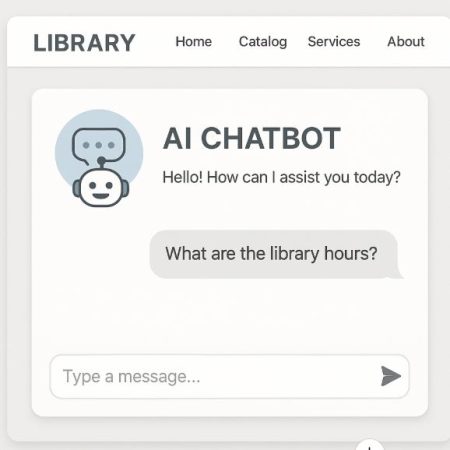
- Custom Chatbots: Custom chatbots are another option, particularly for libraries seeking 24/7 coverage or automation of routine inquiries. Chatbots can handle frequently asked questions such as “What are the library hours?” or “How do I renew my books online?” before escalating more complex queries to a human librarian. Some libraries design chatbots that integrate directly with their Online Public Access Catalogue (OPAC) or discovery systems, allowing patrons to check account information or search the catalogue through conversational prompts. While chatbots improve efficiency and availability, they are most effective when combined with live librarian support for more advanced questions.
- Integrated Email Systems: For libraries with limited budgets or smaller user bases, an integrated email system can serve as the foundation of Ask a Librarian services. Email allows patrons to submit detailed queries and attach relevant documents, while librarians have time to craft thoughtful responses. Many libraries use ticketing systems such as Freshdesk, Zendesk, or Outlook shared mailboxes to streamline the management of incoming questions. While email is not ideal for urgent requests, it remains a reliable and cost-effective channel for in-depth consultations, especially for complex research or citation guidance.
- Ask a Librarian Through the Library Website: Perhaps the most direct and user-friendly approach is integrating Ask a Librarian directly into the library website. Many libraries embed a chat widget, a query form, or even a booking option for appointments right on their homepage or research help page. This ensures that users browsing the library catalogue, databases, or guides can request help without navigating to external platforms. For example, while searching the OPAC or accessing Scopus, a student might see a “Need Help? Ask a Librarian” button that immediately connects them to a librarian via live chat or email. This integration not only increases visibility but also encourages more users to seek support at the point of need.
- Video Conferencing Tools: Although not dedicated library platforms, video conferencing tools like Zoom, Microsoft Teams, or Google Meet have become increasingly valuable for Ask a Librarian services. These tools allow librarians to demonstrate live search strategies, walk users through citation management tools, and provide in-depth research consultations remotely. For academic libraries, scheduled video appointments replicate the personal support of traditional reference desks while offering greater flexibility.
- Messaging Apps (WhatsApp, SMS, Social Media): In public libraries, especially, messaging apps and social media platforms such as WhatsApp, Facebook Messenger, or SMS services play a crucial role. These tools meet users where they already spend time and make the service approachable, especially for patrons less familiar with academic systems. For example, a user may send a quick WhatsApp message to ask about borrowing rules, while another may text the library for guidance on accessing an e-book. While these platforms are less formal, they significantly expand the library’s reach and improve accessibility.
The best platform for hosting an Ask a Librarian service depends on the size, budget, and needs of the library community. LibAnswers offers an all-in-one professional solution for academic libraries, while custom chatbots and integrated email systems provide flexibility and affordability. Video conferencing tools and messaging apps further enhance accessibility, allowing libraries to reach diverse users across different contexts. Ultimately, the most effective approach combines multiple platforms, ensuring that Ask a Librarian remains both user-friendly and adaptable to the changing information landscape.
How Artificial Intelligence Is Transforming “Ask a Librarian” Services:
The “Ask a Librarian” service has long been a central feature of library support, connecting users with professional librarians to help them navigate vast collections of resources. Traditionally, this relied on direct human interaction through email, chat, or in-person consultations. Today, however, the rise of artificial intelligence (AI) is transforming the way this service operates. AI is not replacing librarians but is reshaping how they deliver assistance, streamlining workflows, and making the service more efficient, personalized, and scalable.
One of the most visible changes AI introduces is 24/7 availability. With the support of AI-powered chatbots, libraries can now provide instant answers to routine questions such as opening hours, borrowing policies, or login troubleshooting, even outside normal working hours. For example, a student working at midnight can ask how to access e-journals from home and receive immediate step-by-step guidance. This ensures continuous service for users while allowing librarians to dedicate their time to more complex queries. AI also enables intelligent query handling by understanding natural language questions and routing users to appropriate resources or subject specialists. A student asking how to cite an article in APA style, for instance, may receive an instant example or link to a citation guide, while more advanced research inquiries can be escalated to human experts.
Another strength of AI is its ability to integrate with library systems and databases, guiding users directly to collections, full-text resources, or related materials. Much like recommendation engines on commercial platforms, AI can suggest additional readings or databases based on a user’s initial search. It also supports personalized learning experiences, adapting responses based on user needs. A patron who frequently struggles with database searching might receive tailored tutorials or a prompt to connect with a subject librarian. In addition to improving user experience, AI assists librarians behind the scenes by analyzing patterns in queries, identifying recurring problems, and suggesting proactive solutions. If many users struggle with remote access, for example, librarians can update FAQs or organize a training session to address the issue.
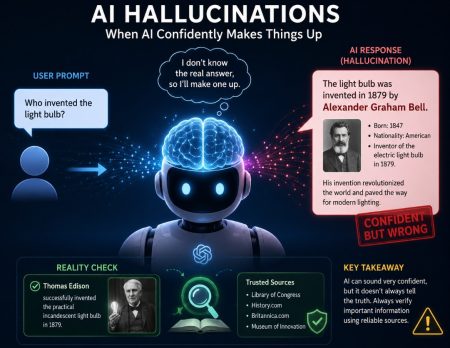
Despite its advantages, AI cannot replace the empathy, subject expertise, and critical thinking that professional librarians provide. Its real value lies in complementing human expertise, handling repetitive, routine inquiries while freeing librarians to focus on research-intensive tasks, advanced citation support, or information evaluation. This balanced approach ensures efficiency without losing the human touch that is so central to library services.
In short, artificial intelligence is revolutionizing Ask a Librarian services by offering speed, accessibility, and adaptability. It enables round-the-clock availability, enhances personalization, integrates seamlessly with library systems, and empowers staff to improve their services through data-driven insights. At the same time, it highlights the continuing importance of librarians as expert guides in a world of information overload. Rather than replacing librarians, AI enhances their impact, ensuring that libraries remain vital, user-focused institutions in the digital age.