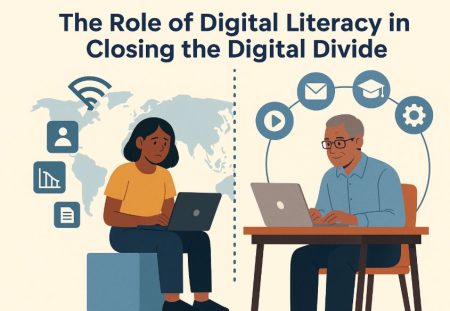
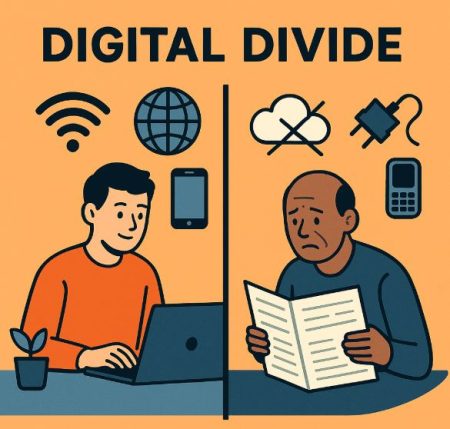
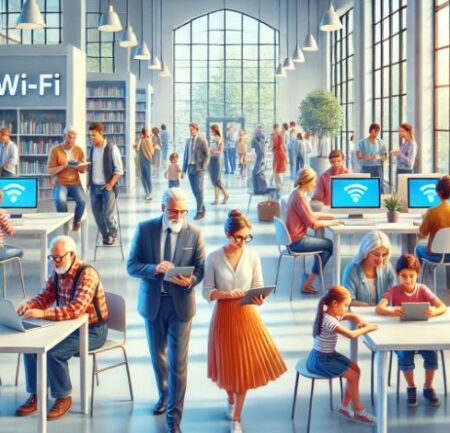
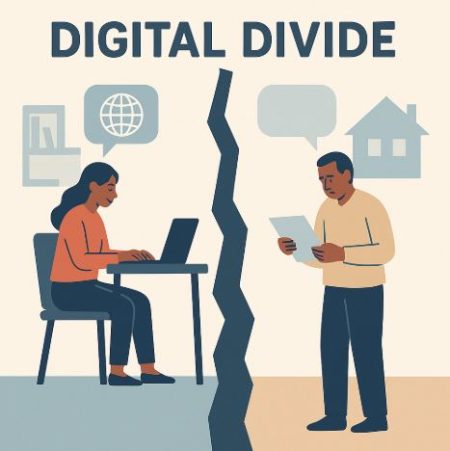
The digital divide refers to the gap between individuals who have access to modern information and communication technologies, such as the internet, computers, and digital literacy skills, and those who do not. This divide often exists along socioeconomic, geographic, and educational lines, with marginalized communities, rural populations, and low-income groups facing significant barriers to accessing and utilizing digital resources. The digital divide hinders opportunities in various spheres, including education, employment, healthcare, and social participation, limiting individuals’ ability to fully engage in a technology-driven world. For instance, rural communities may lack reliable internet access, and low-income individuals may not have the financial resources to purchase necessary digital devices, placing them at a disadvantage in the digital era.
Libraries, as fundamental community institutions, play a critical role in bridging this divide. Traditionally known for providing access to books and other educational resources, libraries have expanded their services to include technology and digital literacy programs aimed at fostering equal access to information for all. Public libraries, such as those in the United States, Canada, and the United Kingdom, have long been recognized for their efforts to provide free access to computers, the Internet, and digital tools to underserved populations. For example, the Chicago Public Library in the U.S. offers a Tech Training Program that teaches digital literacy skills, such as how to use email, browse the web, and apply for jobs online. In the UK, libraries have been instrumental in providing Wi-Fi hotspots to disadvantaged communities, allowing individuals without home internet access to connect to the digital world.
Through initiatives such as free internet access, computer usage, digital literacy workshops, and educational support, libraries empower individuals with the skills and tools needed to navigate the digital world. The Seattle Public Library provides an excellent example of this, with its Digital Literacy Program aimed at helping community members develop essential skills for digital engagement. In rural India, libraries have offered mobile technology services, such as the “eGranth” initiative by the National Mission on Libraries which helps rural users access e-books and online educational content.
Libraries and Their Role in Overcoming the Digital Divide
The digital divide refers to the gap between individuals and communities that have access to modern information and communication technologies (ICT) and those who do not. This divide often manifests along socioeconomic, geographical, and educational lines, limiting access to essential resources and opportunities. As digital technologies become increasingly vital in education, employment, and daily life, addressing the digital divide is crucial for ensuring equitable access to information. Libraries, with their long-standing commitment to providing free access to information and knowledge, play a significant role in overcoming this divide. Through their services, libraries help bridge the gap by offering digital resources, internet access, and digital literacy training.
- Libraries as Access Points to Technology: One of the most direct ways libraries contribute to bridging the digital divide is by providing access to technology. Many communities, particularly those in rural or low-income areas, may not have the infrastructure or financial means to afford personal computers, reliable internet connections, or even mobile devices. Libraries, as community hubs, serve as crucial access points for these technologies, offering computers with internet access, Wi-Fi services, and even specialized software that may otherwise be out of reach.
For example, public libraries in many underserved regions of the United States and the UK have established computer stations for public use. In developing countries, libraries like those in Kenya and India provide free access to computers, giving individuals opportunities to apply for jobs online, access educational materials, and connect with global networks. By offering these resources, libraries are not only facilitating access to information but also empowering individuals to actively participate in the digital economy and society. - Digital Literacy Training: In addition to providing access to technology, libraries also play a key role in teaching digital literacy. Many individuals, especially older adults or those with limited exposure to technology, may struggle to use digital tools effectively. Libraries address this challenge by offering training programs that help people develop skills such as navigating the internet, using email, engaging with social media, and even coding or creating digital content.
Libraries like the Chicago Public Library in the United States, for example, offer free digital literacy classes for both children and adults. These courses cover everything from basic skills like typing and internet navigation to more advanced topics like online banking or starting a small business. Similarly, libraries in rural parts of Asia and Africa often offer workshops that teach digital literacy as a way to equip individuals with essential skills for the modern job market. - Expanding Access to Digital Resources: Another critical aspect of how libraries combat the digital divide is through the provision of digital resources. Many libraries have expanded their services by offering e-books, audiobooks, online journal subscriptions, and access to other digital content that users can access remotely. This is particularly vital for individuals who do not have the means to purchase books or subscribe to costly digital services.
For example, the Toronto Public Library offers an extensive collection of e-books and audiobooks that users can borrow using their library cards. In developing nations, libraries may partner with organizations like Research4Life or the Open Access Movement to provide access to academic research and journals that would otherwise be inaccessible due to paywalls. - Libraries as Community Hubs for Digital Inclusion: Libraries have long been recognized as community centers, and their role as digital inclusion hubs has only grown in importance. They provide spaces where people can learn, share, and collaborate on digital projects. These spaces not only foster education but also facilitate social inclusion by offering a safe, supportive environment where people from various backgrounds can meet and learn together.
In some libraries, especially those in underserved areas, digital literacy programs are designed to meet the specific needs of the local community. For instance, libraries in rural or low-income areas may focus on training programs that teach residents how to apply for jobs online, access government services, or connect with distant relatives via video calls. These efforts help break down barriers that contribute to social isolation and ensure that all members of the community can benefit from digital technologies.
Libraries are pivotal in overcoming the digital divide by providing access to technology, offering digital literacy training, and expanding access to digital resources. Their role as community hubs for digital inclusion is vital in ensuring that all individuals, regardless of their socioeconomic status, geographical location, or educational background, can participate in the digital world. As technology continues to shape modern life, libraries will remain at the forefront of efforts to ensure equitable access to information and resources, ultimately helping to bridge the gap and build a more inclusive society.
How Libraries Serve as Critical Community Hubs for Digital Access and Inclusion
In an era where digital technologies shape every aspect of our lives, from education and employment to healthcare and social interaction, the digital divide has become a significant barrier to equality. This divide highlights the gap between those who have access to modern information and communication technologies (ICT) and those who do not, often due to factors like socioeconomic status, geographical location, or education. Libraries, however, have emerged as critical community hubs that bridge this divide by providing equitable access to digital resources, training, and support. They play an essential role in fostering digital inclusion and empowering individuals to thrive in an increasingly digital world.
- Providing Access to Technology and the Internet: One of the most vital roles libraries play in fostering digital inclusion is by offering free access to technology and the Internet. In many communities, particularly those that are low-income or located in rural areas, access to personal computers or reliable internet connections is limited. Libraries serve as essential access points where anyone can use the internet, computers, and other digital tools free of charge.
Public libraries often provide computer workstations, Wi-Fi access, and specialized equipment such as tablets and printers. This access enables individuals to search for jobs online, complete homework, communicate with family and friends and access vital public services. Without the support of libraries, many individuals would be excluded from the opportunities that digital technology offers. - Digital Literacy Training: While access to technology is essential, it is equally important for people to have the skills to use it effectively. Libraries play a critical role in teaching digital literacy to individuals who might not have had exposure to technology. Digital literacy includes the ability to navigate the internet, use social media responsibly, understand online privacy and security, and utilize software applications to complete daily tasks.
Libraries offer free workshops, classes, and one-on-one training sessions to help individuals build their digital skills. These programs are especially valuable for older adults, people with limited education, and those who have not had regular access to technology. For example, many public libraries in the U.S. and the U.K. offer classes on topics ranging from basic computer skills to advanced coding or creating digital content.
In countries like India, libraries in rural areas have been instrumental in providing digital literacy programs to help residents gain the skills needed for online job applications, education, and entrepreneurship. By helping people become digitally literate, libraries empower them to fully participate in the digital economy and improve their quality of life. - Supporting Remote Education: As education increasingly shifts to digital platforms, libraries are key to ensuring that students, particularly those in underserved areas, have the resources they need to succeed. With the rise of online learning and the increasing use of digital tools in education, libraries offer students and lifelong learners access to e-books, online databases, and learning platforms that they might not otherwise be able to afford.
Many libraries provide free access to online learning resources like academic journals, e-books, and multimedia content, which are essential for both academic success and personal development. During the COVID-19 pandemic, libraries across the globe played a critical role in ensuring that students could continue their studies by providing access to digital materials and technology.
For example, libraries in countries such as Canada, the U.K., and South Africa have been instrumental in supporting remote learning by offering access to online textbooks and study materials, while also providing spaces for virtual learning. These services ensure that students, regardless of their financial situation, have the opportunity to succeed in an increasingly digital educational environment. - Bridging the Social Divide: Libraries are also vital in fostering social inclusion by creating spaces for people from diverse backgrounds to come together, learn, and collaborate. These spaces are essential for breaking down social barriers and ensuring that no one is left behind in the digital age.
Libraries offer community events and digital literacy programs that cater to a wide range of needs. For instance, libraries often provide specific services for seniors, children, job seekers, and people with disabilities, ensuring that digital inclusion is accessible to all. They are often one of the few places where individuals of different ages, cultures, and backgrounds can meet, share knowledge, and learn together.
Libraries also serve as safe spaces for marginalized groups, providing access to digital tools and resources that help them stay connected with the world. By offering programs designed to help users from different backgrounds overcome challenges related to technology access and digital literacy, libraries foster a sense of belonging and ensure that everyone has an equal opportunity to benefit from digital advancements. - Access to Digital Government Services: As more government services move online, libraries are often the primary point of contact for people who may not have the technology or knowledge to navigate these platforms. Libraries assist individuals in accessing government services, such as applying for benefits, filling out tax forms, registering to vote, or accessing healthcare information online.
Many libraries offer computer stations with access to government websites, and library staff provide valuable support to help users complete digital forms or understand complex online systems. In times of crisis, such as during natural disasters or public health emergencies, libraries are often relied upon as essential community resources that connect individuals to crucial government services.
Libraries are indispensable community hubs for digital access and inclusion. By providing free access to technology, offering digital literacy training, supporting remote education, and bridging the social divide, libraries play a crucial role in ensuring that all individuals have the tools and skills they need to succeed in the digital age. As technology continues to evolve, libraries will remain at the forefront of efforts to create a more inclusive and equitable society, ensuring that no one is left behind in an increasingly digital world.
Digital Resources and Services Libraries Provide to Bridge the Digital Divide
Libraries have long been pillars of community access to information and learning. As the digital divide has become a critical issue, libraries have evolved to bridge this gap by offering a wide range of digital resources and services that ensure all individuals, regardless of their socioeconomic status, can access and benefit from technology. Below are some of the key digital resources and services libraries provide to bridge the digital divide:
- Access to Computers and Internet Connectivity: One of the most direct ways libraries address the digital divide is by providing free access to computers and the Internet. Many individuals, especially in underserved or rural areas, cannot afford personal computers or reliable internet access. Libraries offer public access terminals equipped with internet connections, enabling people to complete essential tasks such as applying for jobs, completing assignments, accessing government services, and communicating with others online.
Examples:- Libraries in low-income neighborhoods often serve as the only access point for digital resources in the community.
- Libraries offer free Wi-Fi access, enabling individuals to connect their personal devices and make use of the library’s digital resources without additional cost.
- Digital Literacy Programs and Training: Digital literacy is essential for navigating the digital world, but many individuals, particularly older adults or those with limited access to technology, may lack these essential skills. Libraries bridge this gap by offering training programs that teach basic to advanced digital skills, from how to use a computer to navigating the internet securely.
Examples:- Workshops that teach participants how to send and receive emails, use word processing software, and browse the internet.
- More advanced classes that introduce coding, digital design, online privacy, and digital security.
- Libraries often offer one-on-one sessions with staff to help users build specific skills based on their needs.
- Access to E-Books and Digital Libraries: Libraries have increasingly expanded their collections to include e-books, audiobooks, and digital journals, which can be accessed remotely by library patrons. This service is especially important in addressing the digital divide because it allows individuals to access books and research materials without the need for personal devices or the financial means to purchase expensive books or subscriptions.
Examples:- Platforms like OverDrive or Libby, which allow libraries to lend out e-books and audiobooks for free.
- Access to academic databases, scholarly journals, and research materials for students, researchers, and the general public.
- Digital collections of fiction, non-fiction, and reference materials that are available 24/7 from anywhere with internet access.
- Remote Learning and Educational Resources: As education increasingly moves online, libraries play a key role in providing access to educational resources that support both traditional students and lifelong learners. Libraries offer free access to online learning platforms, educational websites, and other digital resources that might otherwise be inaccessible to those with limited financial means.
Examples:- Libraries provide access to online courses or learning platforms, including Khan Academy, LinkedIn Learning, and Coursera, which offer free courses in a variety of subjects.
- Some libraries offer free access to tutoring services, educational software, or even virtual study groups.
- Libraries partner with local schools and universities to provide resources for online education, including access to research databases and academic tools.
- Access to Digital Government Services: In many countries, government services have increasingly moved online. For those without home internet access, this can be a significant barrier. Libraries help bridge the digital divide by providing access to digital government services, assisting individuals in navigating complex online systems, and providing a supportive environment for those unfamiliar with online platforms.
Examples:- Libraries provide access to government websites for filing taxes, applying for public benefits, renewing driver’s licenses, or registering to vote.
- Library staff assist patrons in understanding and completing government forms and applications, such as applying for unemployment benefits or social security services.
- Job Search and Career Development Tools: Libraries support individuals in their job search and career development by offering digital resources that help them build resumes, find job listings, and connect with potential employers. Many libraries also offer digital tools that help individuals enhance their professional skills and improve their employability.
Examples:- Resume-building software and templates that patrons can use to create professional resumes and cover letters.
- Job search databases and websites like JobNow, which connects job seekers to live career coaches and resources.
- Workshops or one-on-one assistance in using job search platforms, creating an online presence (e.g., LinkedIn profiles), and preparing for interviews.
- Maker Spaces and Digital Creation Tools: To further foster digital inclusion, many libraries offer maker spaces and provide access to advanced digital tools and technologies, such as 3D printers, coding software, graphic design tools, and video editing software. These spaces allow individuals, particularly young people, to explore creativity and innovation in digital environments.
Examples:- Makerspaces where individuals can use 3D printers, laser cutters, and other tools to bring their digital creations to life.
- Programs that teach coding, digital media creation, and other skills related to technology and innovation.
- Collaboration with schools and local organizations to promote STEM (Science, Technology, Engineering, and Mathematics) education and innovation in communities.
- Virtual Assistance and Support Services: Libraries provide virtual assistance to help patrons navigate digital tools and resources, especially those who are not physically able to visit the library. Many libraries offer remote help via chat, email, or video calls, providing digital support for everything from technology troubleshooting to helping patrons with online research.
Examples:- Library staff assist patrons remotely in navigating digital resources, such as online databases, e-books, and digital archives.
- Virtual classes and webinars that educate patrons on how to use library resources from the comfort of their homes.
- Access to Online Cultural and Community Events: Libraries often host or provide access to online events such as cultural programs, workshops, author readings, and community discussions. These events offer individuals, particularly in underserved communities, the opportunity to participate in social and cultural activities that they might otherwise miss out on due to geographic or financial limitations.
Examples:- Virtual book clubs, author talks, or live-streamed performances.
- Online workshops focused on topics like financial literacy, health and wellness, or digital entrepreneurship.
- Community discussions and networking events that promote social cohesion and inclusion.
Libraries are not just repositories of books, they are dynamic community hubs that provide essential digital resources and services to bridge the digital divide. By offering free access to technology, digital literacy training, remote education resources, and career support, libraries ensure that all individuals, regardless of their circumstances, have the tools and opportunities to succeed in a digital world. As technology continues to evolve, libraries will remain at the forefront of efforts to promote digital inclusion and empower communities to fully participate in the digital age.
How Libraries Promote Digital Literacy and Why It Is Essential for Overcoming the Digital Divide
In today’s increasingly digital world, the ability to effectively use technology has become an essential skill for personal, educational, and professional success. Digital literacy, which refers to the ability to use technology to find, evaluate, create, and communicate information, is now a fundamental necessity. However, for many individuals, especially those in underserved or rural communities, digital illiteracy remains a significant barrier to accessing critical resources and opportunities. Libraries, which have long been hubs of learning and information access, have evolved to become key players in promoting digital literacy and bridging the digital divide. By offering programs, resources, and support, libraries help individuals build the skills needed to navigate the digital landscape and fully participate in the digital world.
Libraries play a crucial role in fostering digital literacy through various programs and initiatives. One of the primary ways they promote digital literacy is by offering classes and workshops tailored to different skill levels. These programs range from basic computer skills, such as using a mouse, keyboard, and word processing software, to more advanced training in areas like coding, digital media creation, and online security. By providing these training opportunities, libraries help individuals develop the foundational skills necessary to use technology effectively and confidently, regardless of their prior knowledge or experience with digital tools.
In addition to formal classes, libraries also provide access to essential technology that supports digital literacy. Many individuals, particularly those in low-income or rural areas, may not have the resources to purchase personal computers or reliable internet access. Libraries bridge this gap by offering free access to computers, internet connections, and software applications. This access allows people to practice and improve their digital skills in a supportive environment. Libraries also offer loan programs, enabling patrons to borrow laptops, tablets, or Wi-Fi hotspots, making digital tools accessible to those who may not otherwise have them.
For many individuals, personalized support is essential in building digital skills, and libraries address this need through one-on-one assistance. Library staff often provide tailored guidance to help patrons with specific digital challenges, such as setting up email accounts, applying for jobs online, or troubleshooting technical issues. This personalized support helps ensure that everyone, even those who may feel overwhelmed by technology, can build their digital literacy in a comfortable and encouraging environment. Moreover, libraries are committed to creating safe, inclusive, and welcoming spaces where individuals from all backgrounds can learn and grow digitally. By offering programs designed for seniors, immigrants, low-income families, and individuals with disabilities, libraries ensure that digital literacy is accessible to everyone. They also offer resources in multiple languages to accommodate non-native speakers, helping individuals overcome language barriers in their digital learning journey. In this way, libraries foster an environment of inclusion, ensuring that all community members have the opportunity to become digitally literate.
Libraries also support career development and job search skills by offering digital resources that help individuals enhance their employability. In today’s job market, digital literacy is essential for finding employment, and libraries play an important role in helping individuals navigate online job search platforms, create resumes, and prepare for interviews. Many libraries provide access to job search websites, career development tools, and online courses that help individuals improve their digital skills and increase their chances of securing employment.
Digital literacy is essential for overcoming the digital divide, as it enables individuals to not only access technology but also use it effectively. The digital divide is not just about access to digital tools but also about the ability to utilize them for personal, educational, and professional advancement. Without digital literacy, individuals are excluded from critical opportunities, including education, employment, and social participation. By promoting digital literacy, libraries ensure that individuals have the necessary skills to engage with digital resources, protect their privacy online, and participate in the digital economy.
The Impact of Library-Led Digital Literacy Programs on Individuals’ Access to Opportunities in Education and Employment
In today’s digital era, digital literacy has become a fundamental skill for accessing educational and employment opportunities. However, many individuals, especially those from underserved or rural communities, face barriers to acquiring these critical skills. Library-led digital literacy programs have emerged as essential resources for equipping individuals with the tools needed to navigate the digital world. By offering free access to technology and tailored digital literacy training, libraries are playing a pivotal role in bridging the digital divide, enabling individuals to unlock new opportunities in both education and the workforce.
Library-led digital literacy programs significantly enhance access to education by providing individuals with the skills needed to engage with online learning platforms and complete academic assignments. As education increasingly relies on digital tools, students without the necessary digital skills are at a distinct disadvantage. Libraries address this gap by offering programs that teach how to navigate learning management systems (LMS), access digital textbooks, and conduct online research. Through these programs, libraries ensure that all students, regardless of their background, can participate fully in the digital educational environment, access online resources, and engage in remote learning. Libraries also provide access to computers and internet connections, which are essential for students to complete assignments, attend virtual classes, and stay engaged with their educational pursuits.
When it comes to employment, digital literacy has become a requirement for most jobs. Library programs focused on digital literacy equip job seekers with the essential skills needed to search for jobs, create resumes, and apply for positions online. Many libraries offer workshops on how to use job search engines, develop professional profiles, and communicate through email and video conferencing platforms, all of which are increasingly necessary in the modern job market. By providing these skills, libraries help individuals access a broader range of employment opportunities that they might not have been able to reach otherwise. Library staff often assist patrons with job applications and resume building, offering one-on-one support that can make a significant difference in an individual’s job search efforts. Moreover, library programs also support career advancement by providing access to online courses, certifications, and resources that allow individuals to continue learning and improving their digital skills throughout their careers. In today’s fast-paced job market, the ability to adapt to new technologies is essential for career progression. Libraries offer online tutorials and training resources, enabling individuals to stay competitive in the workforce. Whether it’s learning how to use specialized software, improving digital communication skills, or developing new technical expertise, libraries provide the tools necessary for lifelong learning and professional growth.
One of the most important aspects of library-led digital literacy programs is their focus on marginalized groups. Low-income individuals, seniors, immigrants, and people with disabilities often face additional challenges in accessing education and employment opportunities. Libraries offer tailored digital literacy programs that address the specific needs of these groups, ensuring they are not excluded from the digital opportunities available. For example, libraries may provide programs for seniors to help them use digital tools for communication or healthcare management. They may also offer classes for immigrants in multiple languages, helping them build the digital skills required to integrate into their new communities and workforce.
By targeting these underserved populations, libraries ensure that digital literacy is accessible to all members of society, empowering individuals to fully participate in the educational and employment opportunities that the digital age has to offer. These programs provide a pathway to greater social inclusion, ensuring that no one is left behind in a world that is increasingly dependent on digital technology.
Challenges Libraries Face in Overcoming the Digital Divide and How They Can Address These Barriers
Libraries play a crucial role in overcoming the digital divide by providing access to technology, digital resources, and training. However, despite their efforts, libraries face several challenges that hinder their ability to fully bridge this gap. These barriers range from limited funding and technological infrastructure to the digital skills gap among patrons. Understanding these challenges is essential for libraries to devise effective strategies to address them and continue their mission of fostering digital inclusion.
- Limited Funding and Resources: One of the primary challenges libraries face is limited funding. Many libraries, particularly those in underserved or rural areas, struggle to maintain and expand their digital infrastructure due to budget constraints. This lack of funding can prevent libraries from purchasing up-to-date technology, such as computers, tablets, and high-speed internet, or from offering a wide range of digital services to their communities. Without adequate financial resources, libraries may also struggle to hire enough staff to offer one-on-one support or run specialized digital literacy programs.
Solution: To address this challenge, libraries can explore alternative funding sources, such as grants, partnerships, and fundraising initiatives. Many government and private organizations offer grants specifically for improving digital access in libraries. Libraries can also collaborate with local businesses, schools, and nonprofits to share resources and funding. Additionally, libraries can advocate for increased public funding by demonstrating the critical role they play in promoting digital inclusion and the positive impact they have on their communities. - Technological Infrastructure Gaps: While many libraries provide access to digital tools, their technological infrastructure may not always be up to par. In some cases, libraries are working with outdated computers, slow internet connections, or limited access to specialized software. This lack of modern technology can hinder patrons’ ability to fully engage in digital learning, job searches, or other essential activities. Furthermore, libraries may struggle to provide sufficient bandwidth to support the growing demand for internet access, especially during peak hours.
Solution: Libraries can address these infrastructure challenges by advocating for better technology funding and collaborating with local tech companies or government programs that provide technology donations or discounted services. Partnerships with organizations that specialize in providing low-cost internet services, like Google Fiber or local internet providers, can help libraries improve their connectivity. Additionally, libraries can prioritize upgrading their technology in phases, ensuring that essential digital tools are available to patrons while continuing to seek funding for more comprehensive infrastructure improvements. - Digital Literacy Gap Among Patrons: Another significant challenge libraries face is the wide variation in digital literacy levels among patrons. Many library users, particularly older adults, low-income individuals, and those with limited formal education, may lack the basic digital skills required to use computers and the internet effectively. Without proper digital literacy, these individuals may struggle to participate in online education, job searches, or access essential digital services. This creates a significant barrier to overcoming the digital divide and achieving equitable access to opportunities.
Solution: To bridge this digital literacy gap, libraries can offer targeted programs designed to meet the needs of different demographic groups. For example, libraries can offer beginner-level courses for seniors or adults with limited computer experience, as well as more advanced courses for individuals looking to improve their technical skills. Libraries can also provide one-on-one digital literacy support, allowing patrons to receive personalized instruction based on their specific needs. Additionally, libraries can collaborate with schools, community organizations, and local businesses to offer joint digital literacy programs that cater to various groups within the community. - Language and Accessibility Barriers: Libraries also face challenges related to language and accessibility. Many libraries serve diverse communities, and language barriers can prevent non-native speakers from fully engaging with digital resources. Additionally, individuals with disabilities may face challenges in accessing digital tools and services that are not designed with accessibility in mind. Without the necessary accommodations, these groups may be excluded from benefiting from digital literacy programs and online resources.
Solution: Libraries can address language barriers by offering digital literacy programs and materials in multiple languages. Providing access to online translation tools or partnering with bilingual staff and volunteers can also help non-native speakers navigate digital resources. To improve accessibility for individuals with disabilities, libraries can ensure that their digital tools and websites are compatible with assistive technologies, such as screen readers, magnifiers, and voice recognition software. Libraries can also host specialized programs that teach digital skills to individuals with disabilities, ensuring that they can participate fully in digital life. - Keeping Up with Rapid Technological Changes: The pace of technological advancement is another challenge that libraries face in their efforts to bridge the digital divide. New technologies and digital platforms are constantly emerging, and libraries must continuously update their programs, services, and infrastructure to keep up with these changes. This can be a significant challenge, especially for libraries with limited funding or staff, as they must balance the demands of maintaining current resources while adapting to new technologies.
Solution: To stay ahead of rapid technological changes, libraries can focus on creating a flexible and adaptive approach to their digital services. This includes offering programs that teach foundational digital skills while allowing room for users to explore new technologies at their own pace. Libraries can also collaborate with tech companies, educational institutions, and other community organizations to stay informed about emerging technologies and incorporate them into their offerings. Additionally, libraries can engage in ongoing professional development for staff, ensuring they are equipped with the knowledge and skills to teach and support new technologies effectively. - Balancing High Demand and Limited Resources: In many libraries, especially those in high-demand areas, the resources available for digital programs and services are often limited. The demand for computers, internet access, and digital literacy training can exceed the library’s capacity, leading to long wait times or limited access. This can prevent individuals from using digital resources when they need them, undermining the goal of equal digital access for all.
Solution: Libraries can address this issue by optimizing the use of their resources. For example, libraries can implement reservation systems for computers and workstations, ensuring fair and efficient access. They can also consider offering digital resources that can be accessed remotely, such as e-books, audiobooks, and online learning platforms, so patrons can access materials from home. To further alleviate overcrowding, libraries can collaborate with local schools or community centers to extend their digital literacy programs and provide access to digital tools in additional spaces.
While libraries play a vital role in overcoming the digital divide, they face several challenges that must be addressed to ensure they can continue providing equitable access to digital resources and opportunities. Limited funding, technological infrastructure gaps, varying levels of digital literacy, language and accessibility barriers, the rapid pace of technological change, and high demand for services are all obstacles libraries must navigate. However, through creative solutions such as seeking alternative funding, collaborating with partners, offering targeted programs, and adapting to technological advancements, libraries can overcome these barriers and continue to empower individuals with the skills and resources needed to thrive in the digital world. By addressing these challenges, libraries will remain key players in fostering digital inclusion and ensuring equal opportunities for all.