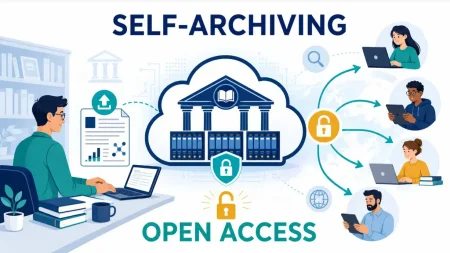
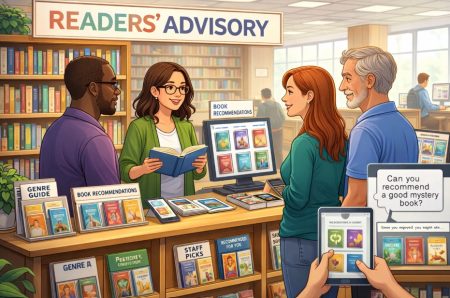
 The role of the library has evolved significantly beyond its traditional function as a place for book lending, reflecting fundamental changes in information access, technology, and user expectations. Modern academic libraries, for example, provide extensive access to digital resources such as e-books, e-journals, and scholarly databases, enabling students and researchers to retrieve peer-reviewed literature remotely without visiting the physical library. Many university libraries now manage institutional repositories where theses, dissertations, and faculty publications are preserved and made openly accessible, supporting research visibility and long-term knowledge preservation. Beyond collections, libraries have assumed an instructional role by conducting information literacy workshops, research skills training, and citation management sessions using tools such as Zotero or Mendeley, which help students avoid plagiarism and improve academic writing. Libraries also support scholarly communication by offering plagiarism checking services, guidance on open access publishing, and assistance with journal selection. In terms of physical space, contemporary libraries function as collaborative learning environments, providing group study rooms, multimedia labs, and technology-enabled spaces rather than silent reading rooms alone. Public and academic libraries alike increasingly use digital platforms, virtual reference services, and AI-powered chatbots to respond to user queries in real time, ensuring continuous support beyond operating hours. Through these expanded services and real-world applications, libraries have transformed into active partners in education, research, and community development, far exceeding their traditional role of book circulation.
Key Challenges Modern Libraries Face Today
Modern libraries operate in a rapidly changing information landscape shaped by technological innovation, shifting user behavior, and increasing financial and ethical pressures. While libraries have successfully expanded their roles beyond traditional book lending, this transformation has introduced a complex set of challenges that directly affect service delivery, sustainability, and relevance. Today’s libraries must balance physical and digital resources, respond to evolving user expectations, and uphold core values such as equitable access, privacy, and intellectual freedom. This article critically discusses the key challenges modern libraries face in the contemporary information environment.
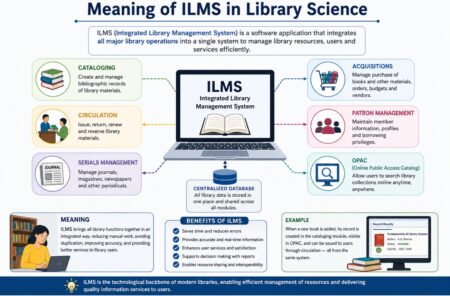
- Rapid Technological Change: One of the most significant challenges facing modern libraries is the rapid pace of technological advancement. Libraries are expected to adopt and maintain digital library systems, integrated library management systems (ILMS), discovery tools, institutional repositories, and emerging technologies such as artificial intelligence, automation, and RFID. While these technologies enhance efficiency and user experience, they also require continuous investment, technical expertise, and system upgrades. Smaller or underfunded libraries often struggle to keep pace, leading to service gaps and technological inequality across institutions. Moreover, frequent software updates and system migrations can disrupt services and create learning curves for both staff and users.
- Budget Constraints and Financial Sustainability: Financial limitations remain a persistent challenge for modern libraries. Rising subscription costs for electronic journals, databases, and e-book platforms place significant pressure on library budgets, often forcing difficult decisions regarding resource cancellation or reduced service offerings. At the same time, libraries must allocate funds for technology infrastructure, staff training, and facility maintenance. Dependence on institutional or government funding makes libraries vulnerable to budget cuts, especially during economic downturns. This financial strain raises critical questions about long-term sustainability and equitable access to scholarly information.
- Changing User Expectations and Information Behavior: Today’s users expect instant, seamless, and remote access to information, influenced largely by commercial search engines and digital platforms. Many users prioritize speed and convenience over quality and credibility, which challenges libraries’ role in promoting authoritative and peer-reviewed resources. Libraries must compete with freely available online content while educating users about information reliability, academic integrity, and ethical information use. Meeting these expectations requires user-centered service design, extended virtual services, and proactive outreach, all of which demand additional resources and planning.
- Information Literacy and Misinformation: The rise of misinformation, disinformation, and information overload presents a critical challenge for modern libraries. Users are often exposed to vast amounts of unverified content through social media and open web platforms. Libraries are increasingly expected to act as educators in information literacy, teaching users how to evaluate sources, identify bias, and use information ethically. However, promoting information literacy is challenging due to limited user engagement, time constraints within academic curricula, and varying levels of digital competency among users.
- Human Resource and Skill Gaps: As libraries evolve into technology-driven service centers, librarians are required to develop new competencies in areas such as data management, digital scholarship, research analytics, and information technology. Many library professionals face skill gaps due to insufficient training opportunities or resistance to change. Recruiting and retaining skilled professionals is also difficult in contexts where salaries and professional recognition remain limited. This human resource challenge directly affects the quality and innovation of library services.
- Balancing Physical and Digital Spaces: While digital services are expanding, physical library spaces remain important for collaborative learning, quiet study, and community engagement. Modern libraries must carefully balance investments in physical infrastructure with the growing demand for digital access. Redesigning library spaces to accommodate group study areas, technology labs, and flexible learning environments often requires significant funding and strategic planning. Failure to maintain this balance may reduce the library’s relevance either as a physical space or a digital service provider.
- Copyright, Licensing, and Access Restrictions: Copyright laws and restrictive licensing agreements pose serious challenges to libraries, particularly in the digital environment. Many electronic resources come with usage limitations that restrict sharing, preservation, and long-term access. Libraries must navigate complex legal frameworks while advocating for fair use, open access, and institutional repositories. These challenges limit libraries’ ability to provide universal and equitable access to knowledge, especially in resource-constrained settings.
- User Privacy and Data Ethics: With the increased use of digital platforms, libraries collect user interaction data to improve services and personalize user experiences. However, this raises serious concerns about user privacy, data protection, and ethical data use. Libraries must ensure that user data is handled responsibly, stored securely, and used transparently. Balancing personalized services with the traditional library value of confidentiality is a growing ethical challenge in modern librarianship.
- Demonstrating Relevance and Impact: In an era dominated by artificial intelligence tools and online information platforms, libraries are under pressure to demonstrate their continued relevance and institutional value. Measuring impact through usage statistics, learning outcomes, and research support metrics has become essential for justifying funding and support. However, many library contributions—such as academic support, community engagement, and knowledge preservation—are difficult to quantify, making advocacy and impact assessment challenging.
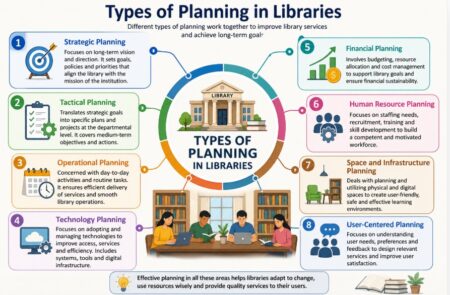
Modern libraries face a wide range of interconnected challenges that extend beyond technological adoption or resource management. Financial constraints, evolving user behavior, skill gaps, ethical concerns, and questions of relevance all shape the contemporary library landscape. Addressing these challenges requires strategic planning, continuous professional development, user-centered service design, and strong institutional support. Despite these difficulties, libraries remain vital institutions for equitable access to knowledge, lifelong learning, and research support. By critically engaging with these challenges, modern libraries can continue to adapt, innovate, and reaffirm their essential role in the knowledge society.
How Have User Expectations Changed, and How Do These Changes Challenge Traditional Library Services?
The rapid growth of digital technologies and the widespread availability of online information have fundamentally changed how users seek, access, and evaluate information. As a result, user expectations of libraries have evolved well beyond traditional assumptions of physical visits, printed collections, and mediated reference services. Today’s users expect instant access, seamless digital experiences, and responsive support comparable to commercial information platforms. These changing expectations pose significant challenges to traditional library services, requiring libraries to rethink long-established service models, infrastructure, and professional roles.
One of the most notable changes in user expectations is the demand for immediate and remote access to information. Users increasingly expect to access e-books, scholarly journals, databases, and research outputs at any time and from any location. This expectation challenges traditional library systems that were designed around physical collections, limited opening hours, and in-person access. To meet this demand, libraries must expand digital collections, implement remote authentication systems, and provide virtual reference services, often without corresponding increases in financial or human resources.
At the same time, users now favor simple, intuitive search experiences that resemble popular commercial platforms. Complex catalog interfaces, multiple access points, and advanced search requirements can discourage engagement with library resources. Traditional library systems, which often rely on controlled vocabularies and database-specific search strategies, may appear difficult or outdated to modern users. This shift places pressure on libraries to redesign discovery tools and prioritize user experience while maintaining the accuracy, depth, and credibility of academic information.
User expectations have also shifted toward personalized and on-demand support. Many users now expect real-time assistance through online chat, email, or virtual consultation services rather than scheduled, face-to-face reference interactions. This challenges traditional reference service models that depended heavily on physical service desks and fixed hours. Libraries must balance the provision of personalized digital support with staff workload, service consistency, and long-term sustainability. Another significant change is the movement from ownership of physical materials to access-based consumption of information. Users increasingly prefer digital content that can be accessed instantly rather than borrowing printed materials. This change challenges traditional collection development practices focused on physical ownership and long-term storage. Libraries must now manage hybrid collections, negotiate complex licensing agreements, and address limitations imposed by digital publishers, while also considering issues of preservation and continued access.
In addition, users increasingly expect libraries to function as flexible learning and collaborative spaces rather than solely as quiet reading environments. Modern learners value group study areas, technology-enabled spaces, and environments that support collaboration and creativity. These expectations challenge traditional library space planning and require significant investment, policy changes, and careful balancing of diverse user needs within shared spaces.
Despite high levels of digital engagement, many users lack the skills needed to evaluate information critically and use academic resources effectively. At the same time, they expect libraries to support the development of these skills. This creates a challenge for traditional library instruction models, which are often optional or limited in scope. Libraries are now expected to integrate information literacy more deeply into academic programs, requiring stronger collaboration with educators and institutional stakeholders.
Perhaps the most critical challenge lies in the growing tension between convenience and credibility. Users often prioritize speed and ease of access over the quality and reliability of information, frequently relying on freely available online sources rather than authoritative library resources. This behavior challenges the core mission of libraries to promote credible, peer-reviewed, and ethically sourced information. Addressing this issue requires continuous user education, outreach, and advocacy.
Overall, the evolution of user expectations reflects broader changes in the digital information environment and presents both challenges and opportunities for libraries. To remain relevant, libraries must adapt by expanding digital services, improving user experience, reimagining physical spaces, and strengthening their role in information literacy education. At the same time, libraries must carefully balance innovation with sustainability, personalization with privacy, and convenience with credibility. By critically responding to changing user expectations, libraries can continue to serve as trusted and essential institutions in the modern knowledge society.