“Libraries store the energy that fuels the imagination,” observed Sidney Sheldon-an apt reminder that libraries are far more than mere repositories of books. Over time, libraries have undergone a remarkable transformation, evolving from traditional reading rooms into dynamic knowledge hubs and digital centers at the heart of educational and research communities. For example, the modern university library not only houses vast physical collections but also provides online access to academic databases such as JSTOR, ScienceDirect, and SpringerLink, allowing students and researchers to retrieve scholarly articles, e-books, and data from any location.
Beyond digital resources, libraries foster academic and personal growth by offering technology-rich facilities-such as computer labs, multimedia editing suites, and dedicated areas for group discussions and collaborative research. Many academic libraries now feature makerspaces equipped with 3D printers and digital fabrication tools, giving students hands-on experience with emerging technologies. Specialized workshops, from citation management to research methodology and even career development, are regularly organized to equip users with essential skills. Moreover, libraries serve as inclusive community spaces that welcome diverse groups of learners and scholars. For example, many institutions provide tailored support services for students with disabilities, including accessible materials and assistive technologies, as well as multilingual resources for international students. Libraries also act as cultural and intellectual hubs, hosting seminars, author talks, and exhibitions that broaden perspectives and foster lifelong learning.
Through these evolving roles, spanning access to resources, technology, collaborative spaces, professional guidance, and inclusive services, libraries have become indispensable for both students and researchers. This article will delve deeper into the essential contributions of libraries, illustrating how they empower users to succeed academically, nurture critical thinking, and adapt to the changing landscape of knowledge acquisition.
Libraries as Gateways to Information
Libraries play a pivotal role as gateways to information, connecting users to a universe of resources that support learning, research, and personal growth. Unlike a simple online search, libraries curate their collections with credibility and relevance in mind, ensuring that students and researchers have access to high-quality, authoritative information. Modern academic libraries subscribe to thousands of specialized databases, such as Web of Science for multidisciplinary research, LexisNexis for law, and Business Source Complete for business studies, which individuals could rarely afford on their own. Through these subscriptions, students and researchers gain entry to peer-reviewed journals, conference proceedings, market reports, and historical archives, many of which are not freely available on the internet.
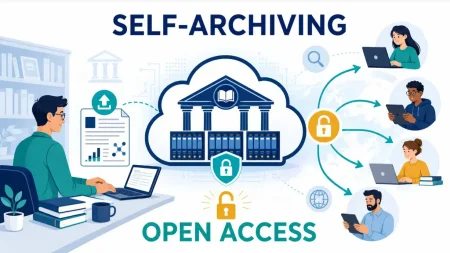
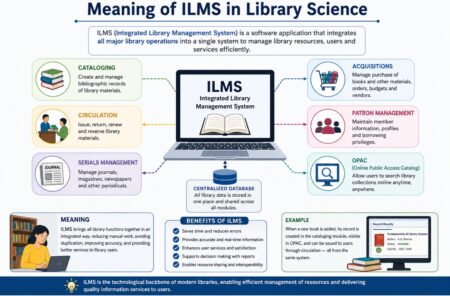
Librarians enhance this gateway function by offering expert guidance, such as research consultations, information literacy workshops, and personalized support. For example, a student struggling to find reliable sources for a thesis can approach a librarian for one-on-one assistance, learning how to construct advanced search queries, evaluate information credibility, and access hidden or specialized content. Libraries also provide integrated discovery tools, such as OPAC (Online Public Access Catalogues) and federated search platforms, that enable users to search across multiple databases and collections simultaneously, streamlining the research process. Furthermore, libraries address barriers to information access through innovative services. Interlibrary loan and document delivery systems allow users to borrow books or request articles from other institutions, ensuring that even rare or obscure materials are within reach. Many libraries also develop institutional repositories to archive and disseminate locally produced research, including theses, dissertations, and faculty publications, thereby increasing the visibility and impact of academic work.
Specialized collections are another hallmark of libraries as information gateways. For example, a medical library may house rare anatomical atlases, while a national library might maintain a digital archive of historical newspapers, making these unique resources accessible to the academic community and the public. Additionally, libraries increasingly provide digital literacy support, helping users navigate the complexities of online information, identify credible sources, and stay alert to misinformation and plagiarism.
In short, by combining vast collections, expert human support, advanced search tools, and innovative access services, libraries break down barriers to knowledge and ensure that information is not just abundant, but organized, reliable, and available to all who seek it. This multifaceted gateway role remains indispensable in an age of information overload, ensuring that students and researchers can explore, create, and contribute with confidence.
Why Are Libraries Essential for Students?
“A library is not a luxury but one of the necessities of life.” – Henry Ward Beecher. In today’s knowledge-driven society, libraries continue to play a pivotal role in education, even in the age of digital abundance. They have transformed from traditional book repositories into dynamic academic ecosystems offering a wide array of learning tools and support services. Students rely on libraries not just for books, but for credible information, technological resources, collaborative learning spaces, and expert assistance. Below are several key reasons why libraries remain indispensable for students.
- Providing Access to Reliable and Diverse Resources: Libraries ensure that students have free and equitable access to a wide range of high-quality academic materials. These resources include textbooks, scholarly journals, encyclopedias, research databases, newspapers, magazines, and multimedia materials, both in physical and digital formats. While online search engines may provide vast information, they do not guarantee credibility or relevance. Library materials, on the other hand, are curated and maintained by subject specialists and librarians who ensure their academic integrity. This is particularly beneficial for students who require specialized or high-cost resources, such as medical journals, legal archives, or rare historical texts. With a library card or institutional login, students gain access to thousands of publications that would otherwise be inaccessible or unaffordable.
- Supporting Academic Research and Assignments: Libraries play a critical role in guiding students through the academic research process. Librarians assist students in defining research questions, identifying suitable keywords, locating peer-reviewed literature, and understanding how to cite sources accurately. Students often struggle with narrowing down topics or locating the best sources for their term papers or theses. Libraries offer personalized consultations, online research guides, and citation management tools such as EndNote, Zotero, or Mendeley. Many libraries also provide access to Turnitin or other plagiarism detection software, which allows students to check the originality of their work before final submission. This support not only improves the quality of assignments but also fosters academic integrity and critical thinking.
- Promoting Information Literacy: Information literacy is the ability to locate, evaluate, and use information ethically and effectively. In a time where misinformation is rampant and digital content is overwhelming, this skill is more important than ever. Libraries actively teach students how to become information literate through workshops, training sessions, and orientation programs. Students learn how to use Boolean operators, access scholarly databases, evaluate the credibility of websites, distinguish between primary and secondary sources, and understand the importance of citation. These skills empower students to become confident researchers and responsible digital citizens. Information literacy is not just for academic success-it is a lifelong skill that benefits students in their future careers and personal decision-making.
- Offering Quiet and Collaborative Study Spaces: A library is one of the few places on campus that offers a dedicated, distraction-free environment for both individual study and group collaboration. Libraries are carefully designed with different zones to meet various study preferences: silent reading areas for focused concentration, group discussion rooms for collaborative learning, and flexible seating areas for casual studying. Many academic libraries also provide access to presentation rooms, whiteboards, projectors, and smart screens that enhance student engagement in group tasks. For students who live in noisy or crowded environments, libraries offer an essential refuge for productivity and peace. These spaces encourage self-discipline, time management, and peer-to-peer learning.
- Enabling Access to Technology and Digital Tools: Modern libraries are technology-rich spaces that offer tools and services to support digital learning. Students can access desktop computers, high-speed Wi-Fi, printers, scanners, photocopiers, 3D printers, video editing software, and subject-specific applications. Additionally, libraries often subscribe to expensive academic databases, statistical software like SPSS or Stata, and digital publishing platforms. Many institutions also enable off-campus access through remote login systems such as OpenAthens or EZproxy, allowing students to download e-books, journal articles, and videos from anywhere at any time. This level of digital integration allows students to work more efficiently and stay connected to their coursework, whether they are on campus or studying remotely.
- Encouraging Lifelong Learning and Curiosity: Libraries go beyond the curriculum to inspire curiosity, creativity, and independent thinking. They house materials across a wide range of subjects-literature, philosophy, science, technology, history, art, and more-that expose students to ideas outside their fields of study. Many libraries host reading campaigns, book clubs, film screenings, exhibitions, and guest speaker sessions that promote a culture of learning and exploration. By engaging with materials beyond textbooks, students expand their perspectives, develop critical thinking, and cultivate a passion for knowledge that extends beyond graduation. Libraries thus help shape well-rounded, intellectually curious individuals.
- Providing Emotional and Academic Support: Beyond academic resources, libraries offer emotional and motivational support to students. They often serve as calming environments where students can take mental breaks, engage in light reading, or decompress between classes. During high-stress periods such as exams, libraries may extend their operating hours and provide wellness initiatives—such as quiet corners, relaxation zones, de-stress activities, or even therapy animals. Librarians also play an informal counseling role by helping students manage academic stress and navigate institutional systems. This supportive atmosphere fosters student well-being and contributes to a positive learning experience.
Libraries are essential for students because they provide more than just access to books-they offer a holistic learning environment where academic success, personal growth, and intellectual curiosity flourish. Through access to resources, guidance from expert librarians, quiet study zones, and digital infrastructure, libraries empower students to become independent learners and responsible researchers. As educational institutions embrace technology and flexible learning models, libraries continue to evolve as dynamic, inclusive, and student-centered spaces. For every student striving for excellence, the library remains a trusted companion and catalyst for lifelong learning.
Why Are Libraries Essential for Researchers?
Libraries are fundamental pillars of the research ecosystem, playing a vital role in supporting scholars across disciplines and institutions. For researchers, access to credible, peer-reviewed, and up-to-date information is essential-and libraries serve as the gateway to that information. They provide access to an extensive array of academic materials, including scholarly journals, e-books, conference proceedings, datasets, theses, and specialized databases that cover everything from scientific breakthroughs to socio-political analyses. These resources, often locked behind costly paywalls, are made freely available to researchers through library subscriptions, ensuring that lack of financial resources does not become a barrier to knowledge.
One of the most critical stages of any research project is the literature review. Libraries offer indispensable support in this process by helping researchers locate, filter, and synthesize relevant academic content. Skilled librarians guide users through the nuances of database searching, using advanced search strategies, Boolean operators, and indexing tools to uncover high-quality resources. This expert support is especially helpful during systematic reviews, meta-analyses, or doctoral dissertations where precision and depth of research are paramount. Libraries also provide access to citation management tools like Zotero, EndNote, or Mendeley, which streamline the referencing process and ensure that scholarly work adheres to proper citation standards.
In the digital era, research extends far beyond written papers-it involves data creation, sharing, and preservation. Libraries have adapted by offering services in research data management (RDM), guiding scholars on how to organize datasets, apply metadata standards, and deposit their work in institutional or subject-based repositories. These practices not only ensure long-term access to valuable research outputs but also align with the principles of open science and data transparency. Institutional repositories maintained by libraries serve as digital archives of academic work, housing faculty publications, student theses, and research projects, and making them visible to the global academic community. This visibility often contributes to improved institutional rankings and citation metrics.
Navigating the scholarly publishing process can be challenging, especially for early-career researchers. Libraries play an advisory role here as well-helping researchers identify reputable journals, understand open-access publishing models, and avoid predatory publishers. They guide users on the ethical aspects of publishing, such as copyright, licensing, and how to retain author rights through Creative Commons or fair use agreements. Moreover, librarians support the development of author profiles on platforms like ORCID, Google Scholar, or ResearchGate, which help amplify the visibility and impact of a researcher’s work.
Academic integrity is another area where libraries contribute significantly. Through training programs and access to plagiarism detection tools like Turnitin, libraries help researchers maintain originality in their work. This is crucial not only for student researchers but also for faculty submitting work to high-impact journals or grant agencies. By allowing researchers to check their similarity scores and referencing accuracy, libraries support ethical scholarship and help prevent research misconduct.
Libraries also form part of national and international interlibrary loan networks, which enable researchers to obtain books, journal articles, or reports that are not available within their own institution. This global resource-sharing model enhances access to rare or out-of-print materials that might otherwise be unattainable. For example, a Bangladeshi researcher may request a European journal article through the UDL or LiCoB consortium, and the library facilitates its delivery, saving time and cost. Beyond access and tools, libraries offer intellectual infrastructure-quiet spaces, digital labs, and dedicated research areas equipped with high-speed internet, specialized software (such as SPSS, STATA, NVivo), and multimedia tools. These environments foster focused research, collaboration, and experimentation. Additionally, many libraries organize workshops, webinars, and training sessions on topics such as grant writing, journal metrics, citation impact, and academic publishing. These capacity-building activities are crucial for developing the skills of graduate students, early-career researchers, and even senior faculty seeking to enhance their research profiles.
In terms of preserving the scholarly legacy, libraries play a unique role by archiving institutional research outputs in permanent repositories. These archives serve not only as historical records but also as resources for future researchers. When academic outputs such as dissertations, faculty-authored papers, or university-funded projects are stored in repositories, they become part of a growing body of open knowledge. Libraries ensure that these works are properly cataloged, assigned DOIs, and made searchable through indexing platforms—thus extending the life and reach of the research far beyond its original context.
In conclusion, libraries are not just support systems for research-they are strategic partners in the knowledge production process. They provide the foundation for rigorous academic inquiry, innovation, and scholarly communication. From access to resources and technology to ethical publishing and data preservation, libraries empower researchers at every stage of their academic journey. As the landscape of research continues to evolve with technological advances and open science movements, libraries are not only adapting-they are leading. For any researcher aiming to contribute meaningfully to their field, a strong relationship with the library is not optional-it is essential.