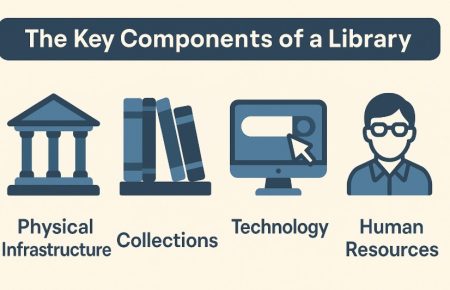
Libraries play a crucial and ever-evolving role in modern society, serving as pillars of knowledge, education, and community development. In an age dominated by information and technology, libraries provide invaluable access to resources that foster learning, creativity, and personal growth. Educational institutions support individuals from all walks of life by offering a diverse range of materials, including books, journals, e-books, and digital databases, catering to the needs of students, researchers, and lifelong learners. Beyond their academic and research functions, libraries are central to the social and cultural fabric of communities. They act as community hubs, hosting events, programs, and services that encourage public engagement, promote literacy, and support the personal development of individuals.
Modern libraries have transformed to meet the demands of the digital age. They now provide much more than just access to books. Libraries offer state-of-the-art technology, including computer stations, internet access, and digital literacy programs, helping users navigate the digital world. They also offer research assistance, workshops, and educational programs that serve people of all ages. Many libraries now host specialized services, such as support for children, seniors, and people with disabilities, ensuring that all community members have equal access to information and learning opportunities. Libraries are essential for academic success and serve as inclusive spaces that bring people together, foster lifelong learning, and promote civic engagement.
What Services Do Libraries Typically Offer?
Libraries are one of the oldest institutions of knowledge and culture, yet they remain indispensable in the modern world, offering services that cater to the educational, informational, and recreational needs of the public. Whether public, academic, or special libraries, each plays a vital role in the community by providing access to knowledge, fostering learning, and encouraging engagement. The services libraries offer go far beyond the simple borrowing of books, with many libraries adapting to meet the evolving needs of their patrons. Below are the key services that libraries typically offer.
- Access to Books, Journals, and Other Media: The primary service libraries provide is access to their collections of books, journals, and multimedia resources. Libraries stock various books in various genres, from fiction to non-fiction, and in different fields of study, including literature, history, science, and more. In addition to physical books, libraries provide access to other forms of media such as audiobooks, DVDs, and CDs, catering to diverse interests.
As the world shifts to digital content, libraries have expanded their offerings to include e-books, digital audiobooks, and online journals. Through online platforms and apps, patrons can access a wealth of digital resources, making it easier for people to enjoy library services remotely, whether at home or on the go. With the increasing popularity of digital content, libraries continue to innovate to meet the needs of modern readers and researchers. - Research Assistance and Reference Services: One of the most valuable services offered by libraries is research assistance. Librarians are skilled professionals trained to help users find information, whether they are working on academic research, personal projects, or general inquiries. Reference services typically include helping patrons navigate the library catalog, locate specific books or articles, and use specialized databases.
For students and researchers, libraries provide critical research support. Librarians assist with developing research strategies, locating scholarly sources, and organizing references. Many libraries also offer workshops on topics such as effective research techniques, citation management, and academic writing, empowering users to become more effective researchers and writers. - Technology Access and Digital Literacy Programs: In today’s digital age, libraries serve as essential hubs for technology access. Many libraries offer computer stations, internet access, and various software programs that patrons can use. This service is particularly crucial for individuals who do not have access to technology at home or those who need assistance using digital tools.
Libraries also support digital literacy, offering training and workshops to help users improve their skills in using technology. These programs teach users how to navigate the internet safely, use word processing software, search for information effectively, and protect their privacy online. By offering these services, libraries ensure that all members of the community have the opportunity to engage with the digital world, regardless of their technological background. - Community and Educational Programs: Libraries have long been community centers where individuals of all ages can participate in educational and cultural programs. Many libraries offer workshops, lectures, and special events on topics ranging from job search skills to creative writing, health, and financial literacy. These programs often cater to diverse audiences, including children, adults, and seniors.
For younger patrons, libraries offer storytimes, summer reading programs, and educational play areas designed to promote early literacy and a love of reading. Many libraries also run adult education programs, providing workshops on life skills, technology, and personal development. By offering these programs, libraries promote lifelong learning and community engagement. - Interlibrary Loan and Document Delivery Services: Libraries often collaborate with one another through interlibrary loan (ILL) systems, allowing patrons to borrow materials from other libraries in their network. This service significantly extends the range of resources available to library users, especially those seeking rare or hard-to-find materials. ILL services are particularly valuable for researchers who need specialized or academic texts that may not be available in their local library.
In addition to physical interlibrary loans, many libraries offer document delivery services. This allows users to request specific articles, book chapters, or research papers remotely, which is especially useful for patrons who cannot visit the library in person. - Specialized Services for Different User Groups: Libraries are committed to ensuring that all members of society have access to their resources. Many libraries offer specialized services to meet the unique needs of different user groups, including children, seniors, people with disabilities, and non-native speakers.
For example, libraries often provide accessible materials such as braille books, large-print books, and audiobooks for patrons with visual impairments. They may also offer sign language interpreters or sensory-friendly spaces for patrons with hearing or developmental disabilities. In addition, libraries frequently offer language learning resources and programs to help non-native speakers improve their language skills. - Study and Collaborative Workspaces: Libraries provide quiet and comfortable spaces for individual study, which is crucial for students and professionals who need a focused environment to work. These spaces are often equipped with study tables, chairs, and power outlets, providing an ideal setting for concentration and learning.
Many libraries also offer group study rooms and collaborative spaces, designed for teamwork and brainstorming. These rooms are equipped with whiteboards, projectors, and other tools to help groups work together efficiently. Some libraries also feature specialized spaces, such as makerspaces or media labs, where patrons can engage in hands-on projects, such as 3D printing, video editing, and more. - Access to Subscribed Databases and Online Resources: Academic libraries, in particular, offer access to a range of subscription-based databases and online resources that would otherwise be unavailable to the general public. These resources often include scholarly journals, e-books, academic papers, and other specialized content.
Through library-provided access to databases like JSTOR, PubMed, and others, patrons can conduct high-level research across various disciplines. Libraries often provide remote access to these resources, allowing patrons to use them from home or other locations. This feature is particularly important for students and researchers who need access to academic materials without needing to be physically present in the library. - Archives and Special Collections: Many libraries house archives and special collections that preserve valuable, rare, or unique materials. These collections may include historical documents, manuscripts, photographs, and other items of cultural or academic significance. Libraries that maintain special collections often provide specialized services to help researchers access these materials.
For historians, genealogists, and researchers in other fields, archives are essential resources for studying primary source documents. Libraries that house these collections work to preserve them and make them accessible to future generations of researchers, ensuring the protection of cultural and academic heritage. - Membership and Borrowing Services: A core service of libraries is their membership and borrowing system. Most libraries offer free or low-cost membership that allows patrons to borrow books, DVDs, and other materials for a set period of time. Many libraries have user-friendly online systems where patrons can search for, reserve, and renew materials from the comfort of their own home.
Libraries also offer digital borrowing services, which allow patrons to borrow e-books, audiobooks, and other digital content. These services offer greater convenience for those who prefer to read or listen on their personal devices and for those who may not be able to visit the library in person. - Support for Academic Integrity: Libraries are integral to promoting academic integrity, particularly in academic environments. Many libraries provide plagiarism detection tools, such as Turnitin, to help students and researchers ensure their work is original and properly cited. Librarians also offer guidance on proper citation practices and help users understand the importance of academic honesty.
In addition to plagiarism detection services, libraries often run workshops on citation styles (APA, MLA, Chicago, etc.) and help students manage their references using citation management software like Zotero and Mendeley. By promoting academic integrity, libraries play a crucial role in supporting the ethical conduct of research and writing. - Cultural and Social Events: Libraries are not just places for reading and research; they also serve as cultural and social centers within communities. Many libraries host cultural events, such as author talks, book launches, and art exhibitions. These events allow patrons to engage with authors, artists, and experts, fostering a deeper connection to literature and culture.
Libraries also offer social events, such as film screenings, game nights, and community discussions. These events provide opportunities for patrons to socialize, learn, and enjoy activities outside the traditional library environment. By organizing these events, libraries help create a sense of community and enrich the social fabric of the neighborhoods they serve.
Libraries provide a wealth of services that extend far beyond simply borrowing books. They are essential institutions that offer access to information, support education, and foster community engagement. By offering research assistance, digital resources, educational programs, and more, libraries continue to adapt to the needs of their users, remaining invaluable resources in our increasingly digital and interconnected world. Whether you’re seeking knowledge, community, or support, libraries are here to help, making them indispensable pillars of modern society.