Librarians play a central and dynamic role in modern society, serving as key custodians of knowledge, information, and resources that fuel learning and discovery. As society progresses, libraries are no longer just quiet spaces filled with books; they are vibrant, interactive hubs that adapt to the ever-changing needs of their communities. For instance, the shift to digital platforms has led libraries to offer e-books, audiobooks, and online databases, making it easier for patrons to access information remotely. The rise of digital collections and e-learning platforms has expanded the role of librarians to include not just curating physical resources, but also managing vast amounts of digital content, such as online journals, multimedia, and research data.
With the growing diversity of library users—from students and faculty at universities to community members seeking access to resources for professional development—librarians are required to provide more personalized and inclusive services. At institutions like North South University (NSU), for example, librarians offer specialized research support, workshops on academic writing, and access to tools like Turnitin for plagiarism checking, all tailored to the needs of students and faculty. In public libraries, programs such as coding classes for youth or workshops on digital literacy for older adults reflect the broader scope of services now provided.
However, these advancements also come with challenges. As libraries integrate new technologies, issues such as data privacy, cybersecurity, and equitable access to digital resources become pressing concerns. Librarians must also ensure that their patrons possess the necessary skills to navigate the vast digital landscape, which has led to an increased focus on information literacy programs. Moreover, the rapid pace of technological development requires librarians to constantly update their expertise, whether through attending professional development seminars, participating in training, or collaborating with tech experts to meet evolving demands. These shifts highlight the critical need for librarians to remain adaptable, continuously refining their roles to meet the expectations of a diverse, tech-savvy user base.
Core Values of a Successful Librarian
Librarians are more than just gatekeepers of books and information; they are essential facilitators of learning, exploration, and discovery in modern society. As the information landscape continues to evolve, the role of the librarian has expanded significantly. While knowledge of cataloguing and library systems remains fundamental, a successful librarian today must possess a deep commitment to core values that guide their practice: empathy, ethics, and expertise. These values not only shape how librarians interact with users, but also influence how they curate, manage, and provide access to the ever-growing body of information. Let’s explore these core values in detail and understand how they underpin the success of a modern librarian.
1. Empathy: Understanding and Supporting Library Patrons
Empathy is perhaps the most important value for a librarian, as it fosters meaningful connections with patrons and enhances their overall experience. In the digital age, libraries are more diverse than ever, with users spanning all ages, backgrounds, and levels of technological proficiency. A librarian’s ability to understand and respond to the needs of each individual is essential.
For instance, a librarian working with a first-year student may need to offer additional guidance in navigating academic resources, while helping a faculty member might require more advanced research support. By actively listening to patrons’ concerns, offering personalized advice, and creating a welcoming environment, librarians can help patrons feel valued and understood. Programs like library orientations, research consultations, and personalized assistance are excellent examples of how empathy plays a critical role in librarianship.
Empathy also enables librarians to cater to specific community needs. In some libraries, for example, there are initiatives designed to support underrepresented groups or individuals with disabilities, such as providing accessible materials or creating sensory-friendly spaces. By responding to these needs with compassion, librarians ensure that everyone has equal access to information, regardless of their background or challenges.
2. Ethics: Upholding Professional Integrity and Intellectual Freedom
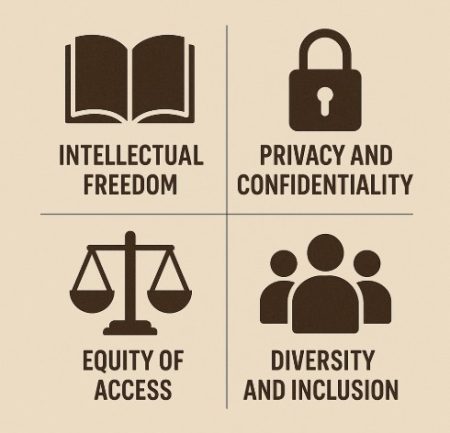
Ethics are the foundation upon which the profession of librarianship stands. Librarians are tasked with making decisions that reflect the highest standards of professional integrity. They must navigate complex ethical dilemmas daily, such as balancing the need for privacy with the necessity for information sharing, or ensuring access to controversial materials without compromising intellectual freedom.
Librarians adhere to ethical codes, such as those outlined by organizations like the American Library Association (ALA), which emphasize privacy, intellectual freedom, and unbiased access to information. One of the key ethical considerations for librarians is maintaining the confidentiality of patron data. For example, library users may share personal information, research queries, or reading preferences, and it is the librarian’s responsibility to protect that privacy. When conflicts arise, such as challenges to materials in the library or demands for user data, librarians must ensure that their decisions uphold the principles of intellectual freedom and access to information.
Ethical librarians also strive to combat misinformation and ensure that resources provided are accurate, reliable, and trustworthy. In an era of “fake news” and digital misinformation, librarians play a vital role in curating credible sources and promoting media literacy. Their ethical commitment to truth and access to information is a cornerstone of their work, helping to safeguard the public’s right to know and learn.
3. Expertise: Navigating Information in a Complex World
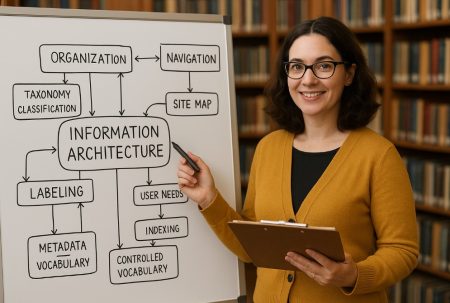
Expertise is a defining characteristic of a successful librarian. As information resources multiply and diversify, librarians must possess a broad understanding of library science, research methods, and technology. A librarian’s expertise enables them to guide users through complex research challenges, recommend valuable resources, and maintain an organized, accessible library system.
The rapid pace of technological advancement demands that librarians continuously update their skills. Whether it’s staying current on the latest information management software, understanding the nuances of database searches, or learning about new trends like artificial intelligence in library services, librarians must remain lifelong learners. This ongoing professional development is critical in ensuring that librarians remain effective in their roles.
Additionally, librarians often specialize in specific fields, whether it’s digital archives, law, health sciences, or literature. This subject-specific expertise allows them to provide high-level research assistance, offer specialized collections, and support academic and professional communities. For example, a librarian in a medical library will be able to help researchers access the latest medical journals, while a librarian in a law library will guide students through legal databases and resources.
Expertise also extends to the management of library resources, including ensuring the collection is diverse, relevant, and up-to-date. Librarians are responsible for curating both print and digital collections that meet the needs of their users. This requires knowledge not only of traditional cataloguing systems but also of new technologies such as cloud storage, digital archives, and open-access repositories.
4. Balancing Empathy, Ethics, and Expertise: The Key to Success
The true success of a librarian lies in their ability to balance these three core values—empathy, ethics, and expertise—in their daily practice. A librarian must be able to empathize with patrons while adhering to ethical guidelines and leveraging their expertise to deliver the best possible service. In some cases, this balance may be challenging, such as when a librarian must navigate difficult ethical dilemmas while maintaining a caring, supportive relationship with a patron.
For example, a librarian working with a student facing academic challenges might need to offer personalized support, but they must also ensure that their guidance does not cross ethical boundaries, such as assisting with cheating or plagiarism. Similarly, a librarian working in a community library must be empathetic to the needs of diverse patrons while upholding ethical standards related to access to information and privacy.
In a world where information is increasingly abundant and complex, the role of the librarian has never been more critical. By embracing and embodying the core values of empathy, ethics, and expertise, librarians can continue to serve as trusted guides, educators, and community leaders. These values ensure that libraries remain accessible, inclusive, and effective in meeting the ever-evolving needs of their users. As libraries evolve, librarians will continue to be at the forefront, using their skills and knowledge to navigate the complexities of the digital age while remaining steadfast in their commitment to the core values that define the profession.
The Role of Empathy in Understanding and Addressing the Unique Needs of Different Patron Groups
Empathy plays a crucial role in helping librarians understand and address the unique needs of different patron groups, such as students, researchers, and community members. Each group comes to the library with distinct challenges, and an empathetic librarian can tailor their approach to provide effective support. For students, especially those in academic settings, libraries are vital for research, assignments, and study materials. Many students may feel overwhelmed by academic pressures or uncertain about how to navigate library resources. An empathetic librarian listens to students’ concerns, offering guidance on research strategies, access to relevant materials, and practical advice on time management. For example, a librarian might assist a first-year student by introducing them to academic databases and offering tips on searching for scholarly articles, thereby boosting their confidence and ensuring they can use library resources effectively.
Researchers, on the other hand, often require specialized library services to support their scholarly work. They may need access to rare academic journals, specialized databases, or assistance with advanced research techniques. An empathetic librarian engages with researchers to understand the specific needs of their projects and provides tailored services such as recommending niche resources or guiding them through interlibrary loan options. By prioritizing time-sensitive requests and helping researchers access the information they need efficiently, librarians demonstrate empathy while supporting the researcher’s work. Similarly, faculty members often rely on librarians for support in managing course materials or offering specialized research assistance, and librarians who understand their unique challenges can collaborate effectively to meet their needs.
Community members, who often use public libraries, represent a broader and more diverse group with varying needs. Some may be looking for educational resources, while others may need assistance with technology or job searches. An empathetic librarian recognizes these needs and provides appropriate support, such as offering digital literacy workshops for individuals who are not familiar with modern technology. For instance, a senior patron who is learning to use a computer may require patient, step-by-step guidance, which an empathetic librarian can provide. Public libraries often serve as safe spaces for people dealing with difficult personal circumstances, such as unemployment or homelessness. In these cases, librarians not only offer information but also a listening ear, helping patrons connect with community resources like job training programs or social services.
Empathy also extends to understanding and addressing the challenges faced by immigrant populations or non-native English speakers. Many libraries offer specialized programs such as English as a Second Language (ESL) classes or citizenship preparation courses, which are tailored to meet the needs of these groups. An empathetic librarian recognizes the cultural and language barriers these patrons face and provides the necessary resources to help them succeed. By offering multilingual materials, providing interpretation services, and fostering an inclusive environment, librarians help bridge gaps and ensure equitable access to library resources for everyone in the community.
Ultimately, empathy enables librarians to create more inclusive and responsive library services. By understanding the specific needs of students, researchers, and community members, librarians can adapt their services accordingly, ensuring that all patrons feel valued and supported. Whether it’s through providing personalized research assistance for students, offering specialized resources for researchers, or creating programs that engage underserved groups in the community, an empathetic approach ensures that libraries remain accessible and beneficial to all users. In doing so, librarians not only support the intellectual growth of their patrons but also contribute to the overall well-being and success of their communities.
How Empathy Improves the Overall User Experience in a Library Setting
Empathy plays a vital role in enhancing the overall user experience in a library setting by fostering an atmosphere of understanding, support, and trust. When librarians demonstrate empathy, they not only address the immediate needs of their patrons but also create an environment where users feel comfortable, valued, and respected. By actively listening to patrons’ concerns and taking the time to understand their unique challenges, librarians can provide tailored support that enhances the effectiveness of library services. For instance, when a student is struggling with research, an empathetic librarian might guide them through the process, offer personalized resource recommendations, and provide encouragement, thus alleviating stress and boosting the student’s confidence.
Empathy also improves the user experience by ensuring that library services are accessible to a wide range of individuals, regardless of their backgrounds or abilities. Librarians who recognize and respond to the diverse needs of users—whether it’s offering digital literacy workshops for seniors, providing resources in multiple languages, or accommodating individuals with disabilities—help to create an inclusive space where everyone can engage with library services comfortably. This inclusivity not only enhances the patron’s experience but also fosters a sense of community, making the library a trusted and welcoming space for all.
Moreover, empathetic librarians are attuned to the emotional and psychological needs of their patrons. For example, during stressful periods like finals or when a patron is experiencing personal challenges, an empathetic librarian can offer a kind word, provide additional support, or recommend resources that might help. This emotional support can make a significant difference in a patron’s library experience, ensuring they feel understood and supported. By building strong, positive relationships with patrons, empathy transforms the library into a place where users feel more than just a customer—they feel like a valued member of the community. In this way, empathy not only improves individual interactions but also strengthens the library’s role as an integral part of its users’ academic and personal lives.
Ethical Challenges Librarians Face When Providing Access to Information in an Increasingly Digital World
The digital age has revolutionized the way libraries operate, shifting from traditional, print-based collections to vast, interconnected digital repositories. With this transformation, librarians are presented with both opportunities and challenges as they navigate the ethical complexities of providing access to information. While digital resources have expanded access and improved services, they have also raised significant ethical issues related to privacy, intellectual property, equity, and freedom of information. In an increasingly digital world, librarians must balance the need for innovation with their ethical obligation to protect the rights of library users, ensure equitable access, and preserve intellectual freedom. Let’s explore some of the key ethical challenges librarians face in this evolving landscape.
- Privacy and Data Security: As libraries transition to digital platforms, they collect, store, and manage an increasing amount of personal data from their users, including borrowing histories, search queries, and personal information associated with digital services. While digital resources offer convenience and personalization, they also pose significant risks to user privacy. One of the primary ethical concerns librarians face is safeguarding this data from breaches or misuse.
Librarians are tasked with balancing the need to protect users’ privacy with the demand for personalized services. Digital systems that track user activity can help librarians offer tailored recommendations, but they also create the risk of exposing personal data. Librarians must be vigilant in ensuring that user data is stored securely, only shared with consent, and protected from unauthorized access. Moreover, privacy laws such as the General Data Protection Regulation (GDPR) in the European Union set stringent requirements on how user data is handled, making it essential for librarians to stay informed and compliant with evolving privacy regulations.
Another ethical dilemma arises when libraries are asked to share user data with external parties, such as third-party vendors or government agencies. While libraries must respect the confidentiality of user data, they may sometimes be legally compelled to share information, leading to potential conflicts between legal requirements and professional ethics. Librarians must advocate for transparency in data collection and ensure that users are fully informed about how their data is being used. - Intellectual Property and Copyright: With the expansion of digital resources, issues surrounding intellectual property and copyright have become a major ethical challenge for librarians. In a digital environment, resources such as e-books, journals, and multimedia materials are subject to complex copyright laws that govern how these materials can be distributed and accessed.
Librarians must navigate the tension between ensuring that library users have access to a wide range of resources and adhering to copyright restrictions. While libraries have historically operated as gateways to knowledge, digital media often comes with strict licensing agreements that limit how materials can be used, such as restricting the number of simultaneous users or preventing users from downloading materials. These restrictions can limit a library’s ability to provide equitable access to resources, especially in cases where institutions face high demand for digital materials, such as textbooks or academic journals.
Moreover, librarians often face the ethical challenge of deciding when to challenge restrictive copyright terms that hinder access to information. For example, fair use laws allow for certain types of reproduction, such as using portions of books for educational purposes, but these laws are often unclear when it comes to digital materials. Librarians must balance their duty to ensure intellectual freedom with the legal complexities of copyright law, making decisions that both respect copyright holders’ rights and promote the public’s right to access information. - Digital Divide and Equitable Access: The digital divide—the gap between those who have access to digital technologies and those who do not—is an ongoing ethical challenge in library services. While digital libraries and online resources have transformed the accessibility of information, not all users have equal access to these tools. Issues such as limited internet access, lack of digital literacy, and financial constraints can prevent certain groups from benefiting fully from digital resources.
Librarians have an ethical responsibility to bridge this gap by providing equitable access to information. This may include offering access to computers, high-speed internet, and digital resources for patrons who lack these tools at home. Additionally, librarians can provide digital literacy training to help users develop the skills needed to navigate online resources effectively. Public libraries, in particular, often serve as a crucial resource for individuals who may not have access to technology at home, such as low-income families or senior citizens.
However, the challenge becomes even more pressing in rural or underserved areas where access to technology and the internet is limited. In these cases, librarians must work to ensure that digital content is still available in ways that do not exclude users based on their access to technology. This might involve offering print versions of digital materials or providing access to Wi-Fi hotspots for home use. - Censorship and Freedom of Information: In an increasingly digital world, the issue of censorship has become more complicated. While libraries have long been champions of intellectual freedom and access to information, the rise of digital platforms has introduced new challenges related to content moderation and information control.
One of the ethical challenges librarians face is balancing the need to protect users from harmful or illegal content while upholding the principles of intellectual freedom. While libraries must ensure that users are not exposed to material that could cause harm, such as hate speech or explicit content, they must also resist efforts to censor materials that are legally permissible and provide a valuable perspective. The rise of digital content—especially on social media platforms—has led to increased concerns about information manipulation, misinformation, and political censorship.
Librarians must navigate the ethical dilemma of protecting users from harmful content without compromising their right to access diverse viewpoints. For instance, libraries may face pressure from external groups to remove books or digital content that they deem controversial. An empathetic and ethical librarian will defend the right to access information while considering the potential for harm, often relying on established policies to guide decision-making and ensure that censorship does not infringe on the library’s core values. - Digital Preservation and Access to Cultural Heritage: Digital preservation is an important issue for libraries as they work to maintain and provide access to historical and cultural collections. While digitization offers the advantage of wider access to materials, it also presents significant challenges related to long-term storage and preservation. Digital files are vulnerable to technological obsolescence, file corruption, and hardware failure, which can compromise the availability of crucial historical or cultural information.
Librarians face the ethical responsibility of ensuring that digital materials, particularly those related to cultural heritage, are preserved for future generations. This may require librarians to advocate for best practices in digital preservation and collaborate with archives, museums, and other institutions to safeguard important resources. Furthermore, they must consider the ethical implications of who controls access to these digital archives, ensuring that cultural heritage is not restricted by commercial interests or political agendas. - AI and Automation in Library Services: The increasing integration of artificial intelligence (AI) and automation into library services introduces new ethical challenges. While AI tools can enhance library operations, such as through cataloguing, recommendation systems, or personalized search results, they also raise concerns about algorithmic bias, transparency, and fairness.
Librarians must be cautious about relying too heavily on automated systems, ensuring that these tools do not perpetuate biases or limit access to diverse viewpoints. For example, AI algorithms used for content recommendation might inadvertently prioritize certain types of information over others, potentially excluding marginalized perspectives. Librarians must also ensure that AI systems respect user privacy and adhere to ethical guidelines, especially in terms of data collection and usage.
As libraries continue to embrace digital technologies, librarians must navigate a complex landscape of ethical challenges to ensure they uphold the core values of privacy, intellectual freedom, equity, and access to information. From safeguarding user data and managing copyright restrictions to bridging the digital divide and resisting censorship, librarians must balance the demands of technology with their ethical responsibilities to patrons. By addressing these challenges thoughtfully, librarians can continue to serve as trusted stewards of information, ensuring that libraries remain accessible, inclusive, and ethically sound in an increasingly digital world.
How Librarians Can Handle Requests for Controversial or Potentially Harmful Content: Ethical Approaches for Librarians
Librarians play a vital role in ensuring access to information, maintaining intellectual freedom, and supporting the diverse needs of library users. However, one of the more ethically challenging situations librarians encounter is when users request access to controversial or potentially harmful content. These requests can arise in a variety of contexts, including requests for materials that challenge prevailing societal norms, contain explicit content, or present controversial viewpoints. The librarian’s role in such cases requires careful navigation of ethical principles, professional codes of conduct, and institutional policies, while maintaining a balance between upholding the right to access information and protecting the welfare of users.
- Adhering to the Principles of Intellectual Freedom: At the core of librarianship is the commitment to intellectual freedom—the right of individuals to seek, receive, and impart information without censorship. This principle, as outlined in the American Library Association’s (ALA) Library Bill of Rights, is fundamental when dealing with requests for controversial or potentially harmful content. Librarians must ensure that their responses are guided by this principle, promoting access to information even when the content is challenging or unpopular.
When faced with a request for controversial content, librarians should first evaluate the material’s potential to support the intellectual needs of the patron. In academic libraries, for example, materials that contain controversial viewpoints are often essential for research and academic discourse, offering insights into various perspectives on a topic. Banning or withholding access to such materials would limit the scope of academic inquiry and infringe upon the intellectual freedom of the users. Therefore, librarians must strive to uphold these freedoms while fostering an environment where diverse ideas can be explored and debated. - Considering the Context and Legal Boundaries: While intellectual freedom is paramount, there are legal and ethical limits to the types of content that can be accessed in a library setting. In particular, materials that promote hate speech, illegal activities, or violence may not be protected under intellectual freedom principles. Librarians should be aware of local, state, or national laws regarding the dissemination of illegal materials, such as child pornography or materials that incite violence. In such cases, librarians must refuse access to these materials, as they violate both legal and ethical standards.
In other cases, where content may be controversial but does not breach legal boundaries, librarians can consider offering additional context or providing alternative resources to ensure that patrons have access to a broader, more balanced range of information. For example, if a user requests a book that presents a biased or harmful viewpoint, a librarian might provide access to additional resources that offer different perspectives on the same issue. This helps maintain access to potentially harmful content while ensuring that library users are not exposed to unchallenged or misleading information. - Engaging in a Thoughtful Dialogue with Patrons: When a user requests access to controversial material, it is important for librarians to engage in an open and respectful conversation about the content in question. This dialogue provides an opportunity to better understand the patron’s needs and to discuss the potential impact of the material. If the content requested is potentially harmful or disturbing, librarians can guide patrons to appropriate resources that provide a more balanced view or help them explore the topic from multiple angles. This is especially relevant when dealing with materials that might promote discriminatory views or contain explicit violence, as librarians have an ethical obligation to help users approach these resources critically.
For instance, if a user requests a book that contains offensive language or graphic content, a librarian might explain the content’s context, why it is considered controversial, and suggest alternative materials that might serve the same purpose without causing harm or distress. In some cases, the librarian might recommend that the patron review the content with guidance, such as with an accompanying discussion or book club setting, where the material can be analyzed and critiqued in a constructive manner. - Establishing Clear Policies and Procedures: One effective way for librarians to handle requests for controversial content is to establish and maintain clear policies and procedures related to the acquisition, retention, and access to materials in the library. Having well-defined guidelines in place ensures that librarians can act confidently and consistently when dealing with challenging content requests, and that these decisions align with the institution’s values and mission.
Library policies should reflect a commitment to intellectual freedom while acknowledging the potential need for caution in certain circumstances. For example, public libraries may have specific policies for managing materials that are rated as adult content or contain sensitive subject matter, ensuring that these materials are appropriately labeled or restricted based on age or accessibility. Academic libraries, on the other hand, may focus on ensuring that controversial materials are available to support academic research, while promoting academic freedom and the pursuit of knowledge.
When handling requests for controversial content, it is essential for librarians to document the decision-making process, especially when a request involves potential harm. A record of the request and the librarian’s response ensures transparency and provides a reference in case of future disputes or concerns. By adhering to institutional policies, librarians can maintain consistency and fairness in their decisions. - Providing Context and Supporting Critical Thinking: One of the key responsibilities of librarians is to foster information literacy and critical thinking. When dealing with requests for controversial or potentially harmful content, librarians should seize the opportunity to promote media literacy and help users evaluate the materials they encounter. This may involve guiding patrons through a discussion of the content’s credibility, bias, and potential impact, encouraging them to think critically about the material and its implications.
For example, if a user requests a book that contains explicit or offensive content, a librarian could offer to provide a more comprehensive explanation of the material’s context, its historical or cultural significance, or its place in the larger discourse on the topic. By helping users approach controversial content with a critical mindset, librarians empower them to make informed decisions about the information they consume and the ideas they engage with. - Balancing Access with Harm Prevention: An important ethical challenge librarians face when dealing with controversial content is balancing the right to access information with the potential for harm. Some materials, while not illegal or explicitly harmful, may still have the potential to distress or trigger negative emotional responses from certain patrons. For instance, materials dealing with graphic violence or extreme ideologies may be harmful to vulnerable individuals, such as survivors of trauma, children, or individuals with certain mental health conditions.
In these situations, librarians can provide content warnings or offer access to alternative materials that present the same information in a less graphic or disturbing manner. By doing so, they can ensure that users are not inadvertently exposed to content that may cause harm while still maintaining access to information that is important for academic or personal growth.
Handling requests for controversial or potentially harmful content requires librarians to balance the principles of intellectual freedom with a responsibility to protect users from harm. By adhering to ethical guidelines, engaging in thoughtful dialogue, and providing context for the content, librarians can ensure that they fulfill their role as both stewards of information and advocates for user well-being. Through clear policies, transparency, and a commitment to fostering critical thinking, librarians can successfully navigate these ethical challenges and continue to provide equitable access to information in an increasingly complex and digital world.
How Does a Librarian Stay Current with Technological Advancements and Emerging Trends in Information Management?
The role of a librarian has evolved significantly over the past few decades, particularly with the rapid development of technology in information management. The introduction of digital resources, data management systems, and cutting-edge technologies like artificial intelligence (AI) and machine learning has changed how libraries operate, manage collections, and provide services. As information management becomes more complex and interconnected, librarians must stay current with technological advancements and emerging trends to continue meeting the needs of their users. Let’s explore the strategies librarians use to stay informed and adapt to the ever-changing digital landscape.
- Participating in Professional Development and Continuing Education: One of the most important ways librarians stay current with emerging trends is by engaging in professional development and continuing education. Libraries, like many other sectors, have professional organizations and conferences that offer a wealth of resources for learning about new technologies and developments in the field. For example, conferences such as the American Library Association (ALA) Annual Conference, the International Federation of Library Associations (IFLA) World Library and Information Congress, and specialized events focused on digital archives, cloud computing, or artificial intelligence provide librarians with the opportunity to learn from experts, network with peers, and explore the latest innovations in library science.
In addition to in-person events, many librarians take advantage of online courses, webinars, and training programs. These can range from general overviews of new technologies to specific training on software tools, systems, or methods used in information management. Online platforms such as Coursera, edX, and Lynda.com (LinkedIn Learning) offer courses on topics like data management, metadata standards, and digital preservation. These flexible learning options enable librarians to acquire new skills and knowledge at their own pace, making it easier for them to stay up to date without needing to travel or commit to long-term courses. - Reading Journals, Blogs, and Industry Publications; Staying informed about the latest trends in technology and information management is also about being an avid reader of industry publications and online resources. Journals such as Library Journal, The Journal of the American Society for Information Science and Technology, The Journal of Digital Information, and Information Technology and Libraries publish peer-reviewed articles, case studies, and research findings on new technologies, best practices, and trends in the field of library science.
In addition to formal journals, many librarians read blogs, newsletters, and online magazines to receive timely updates and news. Many professional associations and organizations, such as the Association of College & Research Libraries (ACRL) and the Digital Library Federation (DLF), offer online resources that keep librarians informed about new developments. These digital resources offer valuable perspectives from thought leaders and practitioners, covering topics like cloud-based systems, the digital divide, artificial intelligence, and open-access publishing.
Furthermore, social media platforms like Twitter, LinkedIn, and specialized discussion forums can provide real-time updates on industry news. Following key influencers, technology companies, and professional organizations on these platforms allows librarians to stay ahead of emerging trends and participate in ongoing conversations about the future of library services. - Engaging with Online Communities and Networking: Networking and engaging with peers in online communities is another essential strategy for librarians to stay up to date with new developments in the field. Many librarians join professional networks or participate in online communities that focus on specific areas of information management, such as digital preservation, open-source software, or library automation. Platforms like Reddit, Facebook groups, and specialized online forums provide spaces for librarians to share experiences, ask questions, and discuss the latest trends with colleagues from around the world.
These communities can be a valuable resource for discovering new tools, learning from the experiences of others, and troubleshooting problems. Online networking also allows librarians to gain insight into how their peers are implementing emerging technologies and adapting to new trends in their own libraries. Collaboration through these platforms helps librarians exchange ideas, learn from different perspectives, and stay current with the evolving needs of library users. - Collaborating with Technology Vendors and Industry Partners: Librarians often work closely with technology vendors, service providers, and industry partners to implement and integrate new technologies into their libraries. These collaborations provide librarians with early access to cutting-edge tools and systems, as well as hands-on experience with new technologies before they become widely adopted.
For example, many libraries partner with cloud-based library management system providers, digital archiving companies, or metadata management experts to pilot new software solutions. These partnerships give librarians an opportunity to evaluate new tools in real-world settings and provide feedback to vendors about the functionality and usability of their products. In turn, these partnerships allow libraries to stay at the forefront of technological advancements and ensure that their systems are aligned with the needs of modern library users.
Moreover, collaborating with academic institutions and tech companies can help librarians stay ahead of trends in data management, artificial intelligence, and information retrieval. Joint research projects, technology pilots, and innovation labs provide valuable opportunities for librarians to learn about and test new technologies while contributing to the development of the tools and systems that will shape the future of information management. - Adopting a Culture of Experimentation and Innovation: To remain agile in a rapidly changing technological landscape, librarians must foster a culture of experimentation and innovation within their institutions. Embracing new technologies and systems on a small scale can help librarians assess their potential before full implementation. This might involve piloting a new library management system, experimenting with AI-powered cataloguing tools, or testing new data-sharing platforms.
By encouraging a mindset of experimentation, librarians can identify the most promising tools and technologies that will enhance library services and improve the user experience. This approach allows libraries to stay flexible and responsive to changes in technology while ensuring that any new tools adopted are aligned with the library’s mission and goals. Additionally, innovation doesn’t always require large-scale changes. Small-scale initiatives, such as adopting a new app for digital reference services or introducing virtual reality for educational programming, can help libraries stay current with emerging trends without overwhelming resources. Experimentation allows libraries to innovate at their own pace while continuously improving services and embracing new opportunities. - Building Relationships with Librarians from Other Institutions: Finally, collaboration with colleagues at other libraries and institutions plays a key role in staying up to date. Many libraries participate in regional and national consortia, which provide opportunities for sharing knowledge, discussing best practices, and exploring new technologies together. These collaborative efforts allow librarians to stay informed about how other institutions are integrating emerging technologies and how these solutions might be adapted to their own settings.
Conferences, professional associations, and even informal meetups are excellent opportunities for librarians to learn from one another and share resources. By actively participating in these collaborations, librarians can gain a broader understanding of technological trends across different sectors, including academic, public, and special libraries.
In an increasingly digital world, staying current with technological advancements and emerging trends in information management is crucial for librarians who aim to provide high-quality, efficient services to their users. Through continuous professional development, participation in online communities, collaboration with technology partners, and fostering a culture of innovation, librarians can ensure they remain adaptable and prepared for the future. As technology continues to shape the library landscape, librarians who actively engage with new tools, systems, and trends will be best positioned to meet the evolving needs of their communities and ensure the continued relevance of libraries in the digital age.
The Role of Specialized Expertise in Helping Patrons Navigate Complex Research Materials and Databases
In today’s information-driven world, libraries serve as essential hubs for accessing knowledge, and librarians play a crucial role in assisting patrons with navigating complex research materials and databases. With the sheer volume and specialization of information available, particularly in academic and research settings, using these resources effectively can be overwhelming for many users. This is where specialized expertise becomes invaluable. Librarians with subject-specific knowledge can guide users through intricate databases and research materials, ensuring they access the most relevant, reliable, and useful sources for their work. This expertise is particularly crucial for patrons attempting to navigate complex academic databases, where a librarian’s understanding of advanced search strategies and subject-specific resources can significantly enhance a user’s research experience.
Specialized librarians are well-versed in the particular databases, journals, and research tools relevant to a specific field of study, whether it’s the sciences, humanities, law, or social sciences. For example, a librarian specializing in health sciences can help medical students navigate databases like PubMed or Cochrane Library, ensuring they locate peer-reviewed and reliable articles for their research. This specialized knowledge not only improves search efficiency but also helps librarians offer tailored search techniques, such as using Boolean operators, advanced filters, and specific subject headings, which can help patrons find relevant materials faster and more effectively.
In addition to technical expertise in using research databases, specialized librarians also provide critical recommendations for subject-specific resources. Research materials vary greatly between disciplines, and librarians with deep knowledge of a particular field can recommend the most authoritative texts, journals, and research papers. For example, a librarian specializing in law can point a student toward key legal databases like Westlaw or LexisNexis, helping them locate case law, statutes, and legal journals that are most relevant to their research. This subject-specific guidance ensures that patrons access high-quality and pertinent resources, which is especially critical for academic research, where the depth of knowledge and specificity of information directly impacts the quality of work.
Specialized librarians also assist patrons with advanced research techniques such as systematic reviews, data analysis, and meta-analyses. These methods require not only knowledge of research processes but also an understanding of the specific tools and systems that facilitate these approaches. For example, a librarian specializing in quantitative research might help a social science student design and conduct a systematic review, teaching them how to apply effective search strategies, evaluate sources, and manage citations. This expertise is particularly beneficial for graduate students and researchers involved in more complex projects that demand a higher level of methodological knowledge and precision. Furthermore, librarians with specialized knowledge in a field contribute significantly to information literacy education. They provide personalized instruction on how to use specific databases and assess the credibility of sources. For example, a law librarian might teach students how to use legal citation guides and search legal databases, while a humanities librarian might offer instruction on accessing and analyzing primary sources from archives. This kind of tailored instruction helps patrons become more self-sufficient in their research, improving their ability to identify, evaluate, and use information effectively.
Specialized librarians also stay ahead of emerging research tools and resources, ensuring that patrons have access to the latest technologies in their field. As fields like artificial intelligence, bioinformatics, or digital humanities develop, new resources and platforms are created to help researchers stay on the cutting edge of their disciplines. Librarians with expertise in these areas help patrons incorporate these tools into their research, providing guidance on how to use them effectively and stay current with new developments. In addition, these librarians play a key role in curating library collections, ensuring that new, relevant resources are included in the library’s holdings, which helps patrons access the most up-to-date materials available.
How Empathy, Ethics, and Expertise Influence the Leadership Style of a Librarian or Library Director
In the modern library environment, the leadership style of librarians and library directors plays a significant role in shaping the services, culture, and success of the institution. Three key attributes-empathy, ethics, and expertise-are foundational to effective library leadership. These qualities not only influence decision-making and the way leaders interact with staff and patrons but also shape the overall direction and mission of the library. When these attributes are embraced and integrated into leadership practices, they help cultivate an environment of collaboration, innovation, and support, ensuring that libraries continue to meet the evolving needs of their communities.
1. Empathy in Leadership: Building Stronger Connections and Understanding
Empathy is perhaps one of the most powerful qualities that influences the leadership style of a librarian or library director. Empathy allows leaders to understand the needs, concerns, and challenges of their staff, patrons, and stakeholders. An empathetic leader listens actively, responds thoughtfully, and makes decisions with the well-being of others in mind. This quality is particularly important in libraries, where staff and users come from diverse backgrounds and have varied needs.
For library directors, empathy fosters positive relationships with both staff and patrons. By showing a genuine interest in the challenges faced by their team, an empathetic leader can create a supportive work environment that encourages open communication, trust, and mutual respect. When library directors understand the professional needs and personal circumstances of their staff, they are better able to provide the resources and support necessary for staff development and morale. This leads to higher levels of job satisfaction and a more cohesive team.
Empathy also extends to patrons, particularly in public libraries, where library leaders must consider the diverse needs of their communities. An empathetic director will ensure that library services are inclusive and accessible, catering to patrons of different ages, socioeconomic backgrounds, and abilities. For example, offering programs that address the specific needs of underserved populations or creating spaces that foster community engagement demonstrates an empathetic approach to leadership.
2. Ethics in Leadership: Upholding Integrity and Intellectual Freedom
Ethics play a critical role in shaping a library leader’s decision-making process. A librarian or library director is often faced with situations where they must balance competing interests, such as ensuring equitable access to information while respecting privacy, addressing controversial materials, or managing library resources responsibly. Ethical leadership involves maintaining the highest standards of professional integrity and adhering to the values that underpin librarianship, such as intellectual freedom, confidentiality, and impartiality.
For a library director, ethics guide important decisions related to collections management, information access, and library policies. For instance, decisions about whether to allow access to controversial materials or whether to limit access to certain resources may arise. An ethical leader will make these decisions based on well-established principles, ensuring that the rights of users to access information are not unduly restricted, while also considering the well-being of the community.
In addition, library leaders are responsible for fostering an ethical work culture where staff members feel safe, respected, and supported. An ethical leader ensures that the library operates with transparency, fairness, and accountability, which in turn inspires trust both within the library team and with patrons. By adhering to ethical guidelines, library directors reinforce the library’s role as a safe and trusted space for information and learning.
3. Expertise in Leadership: Guiding Change and Innovation
Expertise is another cornerstone of effective library leadership. A library director or leader’s subject-specific knowledge, professional experience, and technical skills directly influence their ability to guide the library through complex challenges and evolving trends. Expertise allows leaders to make informed decisions, manage library resources effectively, and lead innovative initiatives that keep the library relevant in an increasingly digital and fast-paced world.
A leader with expertise in library science and information management is better equipped to handle issues related to technology integration, cataloguing systems, digital resources, and data management. In an era where libraries are incorporating new technologies and expanding digital services, expertise ensures that library leaders are not only adept at managing these tools but also able to strategically plan for their long-term sustainability and effectiveness.
Moreover, expertise in areas such as library administration, project management, or community outreach allows library directors to address the library’s evolving role in society. A leader with expertise can advocate for the library’s mission, secure funding, and build partnerships with external organizations, all while staying informed about best practices in library management and service delivery. This expertise drives innovation within the library, enabling the organization to continuously improve services, adapt to new user needs, and remain an essential resource in the community.
4. The Integration of Empathy, Ethics, and Expertise in Leadership
The most effective library leadership integrates empathy, ethics, and expertise in a way that supports both the library’s mission and the needs of its community. By combining these attributes, a library director can lead with a balance of understanding, integrity, and knowledge, making decisions that are not only well-informed but also considerate of the people they affect.
For example, when a library faces a budget cut, an empathetic leader will understand the emotional impact this has on staff and patrons, while an ethical leader will advocate for equitable resource distribution, and an expert leader will identify the best solutions to optimize limited resources. The integration of these qualities enables a leader to respond to crises thoughtfully, ensuring that decisions are made with compassion, fairness, and professional expertise.
Additionally, these qualities influence the library’s organizational culture. An empathetic leader fosters a work environment where staff feel valued and supported, an ethical leader maintains transparency and accountability in decision-making, and an expert leader fosters a climate of continuous learning and innovation. Together, these values create a leadership style that is not only effective in managing current challenges but also proactive in preparing the library for future developments.
Empathy, ethics, and expertise are foundational qualities that shape the leadership style of librarians and library directors. By leading with empathy, library directors create an environment of trust, inclusivity, and support for both staff and patrons. Ethical leadership ensures that libraries maintain the highest standards of integrity and intellectual freedom, while expertise allows leaders to navigate complex challenges and innovate for the future. The integration of these qualities fosters a holistic leadership approach that not only supports the day-to-day operations of libraries but also positions them as dynamic, responsive institutions that can meet the evolving needs of their communities. Through empathetic, ethical, and expert leadership, libraries remain vital resources in an ever-changing world.