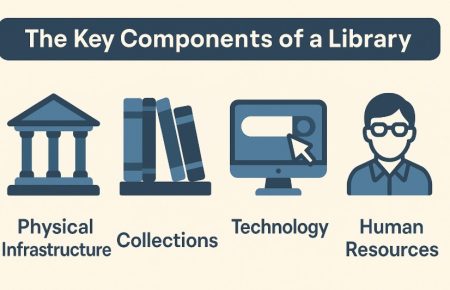
University libraries are essential academic institutions that play a pivotal role in supporting the teaching, learning, research, and scholarly activities of students, faculty, and staff. These libraries serve as dynamic knowledge hubs, providing access to a vast array of physical and digital resources, including books, journals, databases, and other academic materials. For example, the University of Oxford’s Bodleian Library is renowned for its extensive collection of rare manuscripts, while online databases like JSTOR and PubMed offer students and faculty immediate access to millions of scholarly articles.
In addition to being repositories of knowledge, university libraries are centers for collaboration and intellectual growth, offering spaces for research, study, and academic discourse. Many libraries provide quiet study areas, group workspaces, and specialized rooms for different types of research, such as the Harvard University Library’s collaborative study zones designed for interdisciplinary research. University libraries also play a key role in fostering information literacy, ensuring that students and faculty have the skills needed to effectively navigate and utilize various information sources. For instance, the University of California libraries offer workshops on information retrieval and citation management, helping students develop essential research skills.
As technology continues to evolve, university libraries adapt by integrating cutting-edge tools and services, such as digital archives, online research support, and interactive learning platforms. The Massachusetts Institute of Technology (MIT) Libraries have developed tools like the DSpace digital repository, which enables faculty and researchers to share their work globally, while the University of Cambridge has created online platforms for accessing their vast collections of digitized materials.
By contributing to the advancement of knowledge and the intellectual development of the academic community, university libraries are integral to the mission of higher education institutions. Whether through physical resources or digital innovations, university libraries ensure that both students and faculty are equipped with the information and tools needed to succeed in the academic world.
How University Libraries Support Academic Research and Learning for Students and Faculty
University libraries play a crucial role in supporting academic research and learning for both students and faculty. They provide access to a vast array of resources, including physical materials such as books and print journals, as well as digital resources like online databases, e-books, and scholarly articles. These resources are carefully curated to meet the needs of students and faculty, ensuring they have access to the latest research and academic materials. For example, platforms such as Emerald, SpringerLink, and IEEE Explore offer access to peer-reviewed articles that are essential for research and coursework, while specialized databases like PubMed or PsycINFO provide subject-specific resources that support academic inquiry in fields such as medicine and social sciences. In addition to these materials, university libraries offer research support services, including consultations with librarians who can guide users on how to find sources, refine research topics, and organize their findings. Librarians also assist with the use of citation management tools like EndNote, Zotero, and RefWorks, which help students and researchers organize their sources and ensure proper citation formatting.
University libraries also foster collaborative learning by providing dedicated spaces for group work and interdisciplinary projects. These spaces often come equipped with technology such as interactive whiteboards and projectors, facilitating teamwork and academic collaboration. For instance, universities like the University of California offer research pods, private rooms designed for group study and collaborative research. Beyond physical spaces, libraries play a vital role in promoting information literacy, teaching students how to locate, evaluate, and use information effectively. This is accomplished through workshops and courses that focus on skills such as conducting systematic literature reviews, using advanced search techniques, and assessing the credibility of sources. Libraries often collaborate with faculty members to integrate these skills into the curriculum, helping students develop essential research abilities.
For faculty, university libraries are not only a source of resources but also a vital partner in advancing their research. Libraries provide access to specialized databases, journals, and digital archives that support faculty research, while also offering platforms like institutional repositories where faculty can upload and share their publications. These repositories increase the visibility of faculty research, fostering academic collaboration and engagement. Furthermore, university libraries help faculty with research data management, ensuring data is stored securely and complies with institutional and funding agency guidelines. With the growing importance of digital tools, university libraries also offer access to technologies such as high-performance computing systems for data analysis, digital media labs, and software for statistical analysis, enabling students and faculty to conduct advanced research. For example, the University of Michigan’s library offers a digital scholarship lab that provides access to software for data visualization, text mining, and geospatial analysis, supporting cutting-edge research in fields like data science and digital humanities.
The Role of University Libraries in Promoting Information Literacy Among Students
In today’s information-driven society, the ability to locate, evaluate, and use information effectively is an essential skill for academic success and lifelong learning. University libraries play a critical role in promoting information literacy among students, equipping them with the skills necessary to navigate the vast and often overwhelming array of information available in both physical and digital formats. Information literacy goes beyond the ability to use search engines or access academic databases; it involves the ability to critically assess sources, understand the context in which information is produced, and apply this knowledge effectively in research and decision-making. University libraries, with their vast collections and expert staff, are at the forefront of this effort, offering a wide range of resources and services designed to help students develop and refine their information literacy skills.
- Instructional Programs and Workshops: One of the primary ways university libraries promote information literacy is through structured instructional programs and workshops designed to teach students how to find, evaluate, and use information. These programs often begin with foundational skills, such as how to conduct effective searches in academic databases, use Boolean operators, and refine search results. For example, many university libraries, such as those at the University of California or the University of Oxford, offer introductory workshops that guide students through the basics of academic research, including the use of library catalogs, digital repositories, and citation tools.
As students progress in their academic journey, these workshops evolve to cover more advanced topics, such as conducting systematic literature reviews, navigating peer-reviewed journals, and assessing the credibility of sources. By engaging students in hands-on training, library staff ensure that students are not only familiar with how to access information but also with how to critically evaluate it for academic purposes. - Embedded Information Literacy in Curriculum: University libraries also promote information literacy by embedding it directly into the curriculum. Librarians often work closely with faculty members to incorporate information literacy instruction into course content. This may involve teaching students how to identify appropriate sources for specific research projects, how to distinguish between primary and secondary sources, or how to use citation styles correctly. Many universities, such as the University of Michigan and the University of Illinois, collaborate with faculty to integrate information literacy into various courses, from first-year seminars to graduate-level research classes.
In this approach, students receive tailored guidance that is relevant to their specific academic disciplines, helping them understand how information literacy applies to their field of study. For instance, students in the humanities might learn to analyze historical sources, while those in the sciences may focus on the importance of peer-reviewed journal articles and data integrity. This discipline-specific training ensures that students acquire the necessary research skills to succeed in their academic work and beyond. - One-on-One Research Consultations: University libraries also support information literacy by offering personalized research consultations. These one-on-one sessions with librarians allow students to seek guidance on specific aspects of their research projects. Whether students are struggling to refine a research question, locate credible sources, or organize their findings, librarians provide expert advice that helps students build their research and information literacy skills. Personalized consultations ensure that students receive targeted help, addressing their unique needs and challenges.
For example, at the University of Toronto, librarians provide individual consultations where students can get assistance on topics such as evaluating the reliability of online resources, using advanced search techniques, or navigating complex citation systems. These consultations foster a deeper understanding of the research process, empowering students to become independent researchers capable of making informed decisions about the information they use. - Digital Literacy and Access to Technology: As technology plays an increasingly central role in research and learning, university libraries also focus on promoting digital literacy, an essential component of information literacy. Libraries offer access to a range of digital tools and platforms that help students develop the skills needed to interact with and critically assess digital information. This includes instruction on using online databases, digital archives, and citation management software, as well as guidance on evaluating websites, blogs, and other online resources for reliability and academic integrity.
For example, many university libraries offer tutorials on how to use tools like Zotero or EndNote to manage citations, helping students stay organized throughout the research process. Additionally, digital literacy initiatives may include training on evaluating the credibility of online sources, a critical skill in an era of misinformation and “fake news.” Through these resources and training, university libraries equip students with the skills necessary to navigate the complexities of the digital information landscape. - Creating Access to Reliable and Credible Information: In promoting information literacy, university libraries also ensure that students have access to high-quality, credible information sources. This involves curating collections of academic books, peer-reviewed journals, and scholarly databases, all of which are reliable sources of information. Libraries help students understand the distinction between academic sources and non-scholarly materials, ensuring that students develop a keen awareness of what constitutes credible information.
Additionally, libraries frequently offer access to tools like research guides and subject-specific databases, which provide curated lists of high-quality resources in various academic disciplines. For example, the University of Cambridge Library offers a wide range of research guides tailored to specific subjects, providing students with a curated selection of resources that are credible and academically rigorous. - Fostering Critical Thinking and Ethical Use of Information: At the heart of information literacy is the ability to think critically about the information one encounters. University libraries promote this by encouraging students to assess the context in which information is produced, including the author’s expertise, the purpose of the source, and its potential biases. In addition to evaluating the quality and relevance of information, students are taught to consider the ethical implications of using information, particularly when it comes to issues like plagiarism and intellectual property.
University libraries play a key role in teaching students about the ethical use of information by providing guidance on proper citation practices, plagiarism prevention, and the importance of intellectual property rights. Many libraries, such as those at the University of Sydney, offer plagiarism workshops and resources on citation management, helping students understand how to avoid unethical practices while conducting research.
University libraries are at the forefront of promoting information literacy, playing a vital role in preparing students to navigate and critically engage with the vast amounts of information available to them. Through instructional programs, embedded curriculum support, one-on-one consultations, and access to digital tools and reliable resources, libraries equip students with the skills necessary to conduct effective research and make informed decisions. In a world increasingly dominated by digital information, the ability to evaluate, understand, and use information responsibly is more important than ever. University libraries ensure that students are not only equipped with these skills but also empowered to become independent, ethical researchers who can contribute meaningfully to academic discourse and society.
How University Libraries Contribute to the Development of a Collaborative Learning Environment on Campus
University libraries have increasingly become vital hubs for collaborative learning, fostering an environment where students and faculty can come together to share ideas, conduct research, and solve problems. One of the most significant ways university libraries contribute to a collaborative learning environment is through the provision of dedicated spaces for group work, study sessions, and project collaborations. These spaces are designed to accommodate both small and large groups, equipped with the necessary tools like multimedia equipment, interactive whiteboards, projectors, and video conferencing tools. For example, libraries at institutions such as the University of California and the University of Michigan provide flexible workspaces and research pods that encourage informal collaboration and make it easier for students from diverse backgrounds to work together and brainstorm ideas.
Additionally, university libraries support interdisciplinary learning by offering resources and services that help students and faculty from different academic fields come together. Libraries provide subject-specific research guides, databases, and collections that bridge the gap between disciplines and encourage cross-disciplinary collaboration. This access to varied resources ensures that students and faculty have the tools they need to engage in projects that span different areas of expertise. For instance, students in engineering and the humanities can collaborate on projects that require both technical skills and an understanding of historical or cultural contexts. University libraries also support digital collaboration by providing access to cloud-based platforms, project management tools, and collaborative writing software like Google Docs or Microsoft OneDrive, allowing students and faculty to work together efficiently, regardless of their physical location.
Beyond physical and digital resources, university libraries contribute to collaborative learning by hosting workshops, seminars, and events designed to bring students, faculty, and staff together. These workshops often focus on developing skills for effective teamwork, sharing knowledge, and addressing challenges that arise in collaborative projects. For example, universities might host innovation competitions, research hackathons, or interdisciplinary forums, where students can collaborate to solve complex problems. These events not only promote academic collaboration but also foster a sense of community and collective learning, breaking down silos between departments and encouraging students to think outside their discipline-specific boundaries.
Libraries also support peer-to-peer learning, an essential aspect of collaborative environments, by offering peer tutoring programs and informal study spaces. Peer tutors assist students with writing, research, and subject-specific challenges, enabling them to collaborate and support one another academically. Additionally, open study areas in libraries create spaces where students can gather to study together, share resources, or discuss course materials. This peer-to-peer support is vital for promoting collaboration, helping students feel supported as they work together on academic tasks.
Librarians themselves play a key role in fostering collaboration by organizing initiatives that promote group work and interdisciplinary research. They offer personalized consultations to help students and faculty navigate the complexities of collaborative projects and research. By guiding students through the process of finding resources, evaluating information, and organizing group projects, librarians ensure that students are equipped to collaborate effectively. Furthermore, librarians often lead workshops and provide resources that teach students how to use digital tools and library resources for group research, further enhancing the collaborative learning experience.
Finally, university libraries contribute to a culture of collaboration across the entire campus by providing spaces and resources that bring together people from different disciplines. This broader culture of collaboration encourages the exchange of ideas and promotes innovation, enriching the academic environment for everyone involved. Libraries serve as central hubs for academic activity, helping to break down barriers between departments and fostering a sense of community where diverse ideas and perspectives can be shared and explored.
How University Libraries Help Preserve and Digitize Academic and Cultural Resources
University libraries are at the forefront of preserving and digitizing academic and cultural resources, playing a vital role in ensuring that valuable knowledge and cultural heritage are protected and accessible for future generations. In an era where many academic and cultural materials are at risk of deterioration due to age, physical damage, or environmental factors, these libraries implement comprehensive strategies to safeguard both rare and everyday resources. By combining traditional preservation techniques with cutting-edge digital technologies, university libraries provide long-term solutions to protect their collections while making them more widely accessible for research, education, and public use.
- Physical Preservation and Conservation: Preservation begins with the physical care of materials that are rare, fragile, or historically significant. University libraries are home to vast collections of manuscripts, books, archival records, photographs, maps, and other artifacts that require specialized attention. The primary goal of physical preservation is to slow down the deterioration of these materials and to extend their life as much as possible. Libraries use a range of techniques to achieve this, including climate-controlled storage, acid-free materials, and protective enclosures. For example, many libraries house their most fragile collections in temperature and humidity-controlled rooms to prevent environmental factors from accelerating decay. In cases where items are physically damaged, professional conservators repair them using techniques like paper mending, spine re-binding, and deacidification treatments.
Libraries such as the Library of Congress and the British Library have well-established preservation programs that include careful monitoring of collection conditions and regular conservation treatments. These institutions employ highly skilled conservators and preservation specialists who work to ensure that important materials are kept in the best possible condition for as long as possible. - Digitization of Physical Collections: One of the most transformative ways university libraries contribute to the preservation of academic and cultural resources is through the process of digitization. Digitizing resources allows libraries to create digital versions of rare or fragile materials, preserving them in a secure and accessible format. Digitization involves scanning physical items—such as books, manuscripts, photographs, and audio-visual materials—into high-quality digital formats that can be stored in online repositories. This process not only preserves the physical object by reducing the wear and tear associated with frequent handling but also opens up these resources to a broader audience.
For example, university libraries like the University of Oxford’s Bodleian Library and Harvard University Library have digitized many rare manuscripts and ancient texts, making them accessible to researchers, students, and the public worldwide. Digitized resources can be accessed from anywhere in the world, which broadens access to materials that might otherwise be difficult to view due to their fragility or geographic location. - Creation of Digital Archives: Digital archives are an essential aspect of university libraries’ preservation efforts. These archives are carefully organized collections of digitized materials that are stored in online databases, making them easier to search, access, and share. The development of digital archives not only increases the longevity of the resources but also transforms how users interact with and explore historical and academic materials.
Libraries often create and manage specialized digital archives for specific topics, collections, or regions, which are accessible to scholars and the public alike. For instance, the University of California’s California Digital Library provides access to a wealth of digitized materials on California’s history, culture, and natural environment, including rare books, photographs, and oral histories. Similarly, the University of Michigan’s Deep Blue digital repository is home to thousands of academic papers, research theses, and datasets that were once confined to physical formats. The creation of such digital archives helps to preserve these materials and makes them easier to access, search, and reference, while also reducing the wear on the original materials. - Preserving Cultural Heritage: University libraries are also at the forefront of preserving and digitizing cultural heritage materials. Many universities partner with local communities, museums, and cultural institutions to digitize historically significant resources that represent the diverse cultural fabric of society. This may include the digitization of oral histories, photographs, indigenous cultural materials, and letters that reflect the experiences and contributions of underrepresented communities.
Through initiatives like the New York Public Library’s Digital Collections, which includes thousands of digitized photographs, manuscripts, and rare books, or the University of Toronto’s digitization of historical records from Indigenous communities, university libraries are contributing to the preservation of cultural identities and historical narratives. Digitizing these resources makes them more widely available to researchers and the public, ensuring that culturally significant materials are safeguarded and can be shared across generations. - Facilitating Access to Digitized Resources: Digitization is not just about preservation but also about improving access. University libraries often host digitized materials on user-friendly platforms, allowing students, researchers, and the general public to easily browse and access these resources online. Many libraries have developed specialized digital portals that host a wide range of materials, from scholarly articles and journals to rare books and multimedia collections.
For example, the University of Cambridge Library offers online access to digitized materials from its vast collection, including ancient texts and maps that would otherwise be unavailable to those outside the physical library. Similarly, the National Digital Library of the United States, hosted by the Library of Congress, offers millions of digital resources, ranging from historical newspapers to photographs, sound recordings, and manuscripts.
These platforms make it easier for people to access valuable academic and cultural resources, removing barriers such as geographic location or physical access limitations. Furthermore, the digitization of materials helps protect the originals from the risks associated with repeated physical handling, ensuring that they remain available for future generations. - Collaborations and Partnerships in Preservation: University libraries often collaborate with other institutions, both locally and internationally, to expand their preservation efforts. Many libraries join consortiums or networks that focus on digitizing and preserving cultural and academic materials. These collaborations often involve pooling resources, sharing expertise, and making digitized materials accessible across institutions.
For example, the Digital Preservation Coalition (DPC) is an international organization that helps universities and libraries share best practices in digital preservation and offers tools for managing long-term access to digital content. Partnerships between libraries, museums, and archives help maximize the impact of preservation efforts and ensure that critical materials are protected on a global scale.
University libraries play a vital role in preserving and digitizing academic and cultural resources, combining traditional conservation methods with modern technology to safeguard materials for future generations. Through physical preservation techniques, digitization, the creation of digital archives, and collaborative efforts, these libraries help protect rare and fragile materials while making them more accessible to a wider audience. By ensuring the preservation of cultural and academic resources, university libraries contribute not only to the ongoing success of research and education but also to the safeguarding of our collective history and heritage.
How University Libraries Contribute to the University’s Mission of Promoting Academic Integrity and Research Ethics
University libraries play a critical role in promoting academic integrity and research ethics within the academic community. As institutions that serve as the central hubs for knowledge, research, and learning, libraries are uniquely positioned to instill a strong culture of academic honesty and ethical behavior among students, faculty, and staff. Through their services, resources, and programs, university libraries provide the tools and guidance necessary to ensure that academic work is conducted ethically, with respect for intellectual property and adherence to academic standards. Let’s explore the various ways in which university libraries contribute to the university’s mission of promoting academic integrity and research ethics.
- Providing Access to Plagiarism Prevention Tools: One of the most significant ways university libraries promote academic integrity is through the provision of plagiarism prevention tools, most notably through software like Turnitin. Turnitin, an online service that checks student work for similarities with other published sources, is a valuable tool that libraries provide to both students and faculty. By encouraging the use of Turnitin or similar tools, university libraries help students understand the importance of originality in academic writing and research. These tools are not only used to detect plagiarism but also serve as teaching aids, helping students learn how to properly cite sources and avoid inadvertent plagiarism.
In addition to plagiarism detection software, libraries often provide workshops and tutorials that teach students how to use these tools effectively. This includes instruction on how to paraphrase, quote, and reference sources correctly, helping students develop the skills necessary to produce ethical and academically sound work. By integrating these resources into their services, university libraries support the development of academic integrity at the foundational level, ensuring students understand and adhere to scholarly writing standards. - Educating Students on Research Ethics: University libraries are also instrumental in educating students about the broader aspects of research ethics. Research ethics extend beyond plagiarism and include topics such as data integrity, informed consent in human subject research, and the ethical use of sources. Many university libraries collaborate with academic departments and research offices to offer workshops, seminars, and resources on research ethics, ensuring that students are equipped with the knowledge they need to conduct their studies responsibly.
For example, libraries may host workshops on how to handle research data ethically, focusing on issues such as data manipulation, confidentiality, and the responsible sharing of research findings. These workshops may be tailored to specific disciplines, such as life sciences or social sciences, where research ethics are particularly critical. By incorporating ethical considerations into their information literacy programs, university libraries help students become more mindful of the ethical dimensions of their research, ensuring they approach their work with integrity and respect for ethical guidelines. - Supporting Ethical Research Practices Through Citation Management: Citation management is a key aspect of maintaining academic integrity, and university libraries provide critical support in this area by offering tools and resources that help students manage citations properly. Citation management software such as Zotero, EndNote, and Mendeley, which are often made available through library services, allows students to organize their sources, generate citations, and ensure that their work adheres to academic citation standards. By teaching students how to use these tools effectively, university libraries encourage proper attribution of sources and help prevent issues related to improper citation practices.
In addition to providing citation management tools, university libraries also offer instruction on various citation styles (APA, MLA, Chicago, etc.) and the importance of citing all sources of information, including data, images, and even ideas. These efforts are crucial in teaching students the value of giving credit to the original creators of intellectual property, thereby reinforcing academic integrity in all aspects of academic writing and research. - Promoting Open Access and Ethical Publishing Practices: University libraries also contribute to promoting ethical research and publishing practices by advocating for open access to scholarly resources. Open access publishing provides free, unrestricted access to academic research, ensuring that valuable knowledge is shared widely and equitably. By supporting open-access journals and institutional repositories, university libraries enable faculty and students to publish their research in ways that prioritize transparency and accessibility, rather than restricting access through paywalls or subscription-only platforms.
Libraries also provide guidance on ethical publishing practices, ensuring that students and faculty understand the importance of choosing reputable journals and publishers. They help researchers avoid “predatory journals” that prioritize profit over academic rigor, guiding them toward ethical publishing outlets that adhere to established scholarly standards. This support helps ensure that the university’s academic work is disseminated in an ethical manner, contributing to the broader scholarly community while maintaining high standards of integrity. - Facilitating Research Data Management and Sharing: Another crucial aspect of research ethics is responsible research data management, and university libraries are at the forefront of providing guidance on this topic. Libraries often offer research data management services that help faculty and students handle, store, and share data in a manner that is ethical, transparent, and compliant with legal and institutional requirements. This includes creating data management plans, ensuring data privacy, and following ethical guidelines when sharing research findings.
In addition to providing support for data management, university libraries often maintain institutional repositories where researchers can deposit their data and publications. These repositories make it easier for researchers to share their work with the academic community while ensuring that the data is properly archived and accessible for future use. By supporting ethical data management and sharing practices, university libraries help ensure that academic research is conducted in a transparent, responsible, and ethically sound manner.
University libraries play an integral role in promoting academic integrity and research ethics, offering a wide range of resources, tools, and programs that support ethical research and writing practices. From providing plagiarism detection tools and teaching proper citation management to educating students on research ethics and advocating for open access publishing, libraries contribute to a culture of academic integrity. By integrating these resources into their services, university libraries help students and faculty navigate the complex ethical landscape of academic research, ensuring that their work is conducted with honesty, transparency, and respect for intellectual property. Through their ongoing efforts, university libraries uphold the university’s mission of promoting ethical academic practices and fostering a community built on trust and integrity.