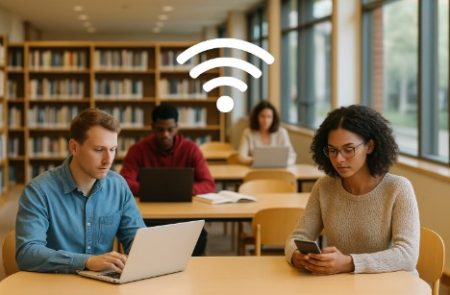
In today’s rapidly evolving digital landscape, networking systems play a crucial role in modern library services, facilitating access to a vast array of resources, enhancing user experiences, and ensuring seamless operations. As libraries transition from traditional print-based collections to digital platforms, the need for robust and reliable networking infrastructure has become more evident than ever. Networking systems in libraries support a variety of functions, such as providing patrons with wireless access to online databases, e-books, and multimedia resources. For example, public libraries often implement Wi-Fi networks that allow users to access digital collections from any location within the library, ensuring greater convenience and accessibility.
These systems enable library staff to manage and update catalogues and administrative systems efficiently. For instance, an integrated Library Management System (LMS) like Koha or Alma allows staff to catalogue, track, and circulate physical and digital materials, all through the same network. These LMS platforms rely on stable network infrastructure to ensure real-time updates, avoid data loss, and provide remote access for library administrators.
Networking systems also allow for the integration of advanced technologies, such as cloud computing and Internet of Things (IoT) devices, which further extend the library’s capabilities. Cloud-based services, like those provided by Ex Libris, enable libraries to store vast amounts of data, such as digital archives and e-books, while ensuring that this data is easily accessible and secure. Moreover, IoT devices, such as self-checkout kiosks and smart shelving systems, are increasingly being deployed in libraries. For instance, smart shelving can automatically track which books are borrowed or returned, streamlining the circulation process and reducing the workload for library staff.
A well-designed networking system ensures that libraries can meet the growing demands of users, streamline operations, and maintain a secure and accessible environment for all. As libraries continue to embrace digital transformation, networking systems will remain central to their ability to adapt, innovate, and deliver high-quality services. Examples like the University of California libraries’ use of virtual research environments or the integration of RFID systems in public libraries show how essential these systems are for providing efficient and innovative services in an increasingly interconnected world.
Meaning of Networks
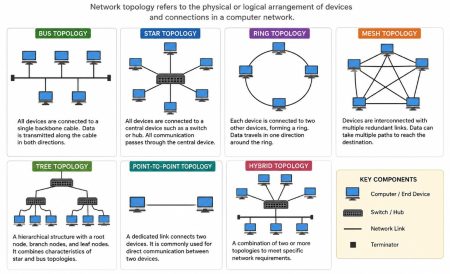
A network, in its most fundamental sense, refers to a collection of interconnected devices, systems, or nodes that communicate with one another to share resources and information. In the context of computer science and telecommunications, networks are integral to modern communication, allowing data to travel between computers, servers, and other devices through various mediums such as cables, wireless signals, or fiber optics. The purpose of a network is to enable the exchange of information in a seamless and efficient manner, whether it’s for personal, commercial, or institutional use. Networks can vary in scale and complexity, from local area networks (LANs) within a single building or organization to wide area networks (WANs) that span entire cities or even countries.
In a library setting, networks facilitate the connection between digital resources, databases, and users. A network within a library might connect different branches of a library system, allowing patrons to access catalogs, e-books, online journals, and other digital resources from any location within the network’s reach. Libraries rely on both local and global networks to provide access to a wide range of resources, from proprietary databases to open-access materials, thereby enhancing the library’s reach and functionality. The modern understanding of a network extends beyond the physical infrastructure, encompassing the software, protocols, and security measures that ensure the network operates effectively and safely.
The concept of networks extends to social and professional connections. A social network, for instance, involves people linking together to share information, ideas, or services. In this broader sense, networks play a crucial role in both communication and collaboration, whether through digital platforms like social media or through institutional connections, such as inter-library loan systems or collaborative academic research networks. Ultimately, whether referring to technological infrastructure or social systems, networks are vital for connecting individuals, devices, and systems to foster collaboration, knowledge sharing, and resource accessibility.
Key Components of a Library’s Networking System and Their Interconnection in Supporting Library Operations
In today’s digital age, libraries rely heavily on their networking systems to deliver essential services to patrons and manage internal operations efficiently. These systems integrate various components, from hardware and software to security measures, all working together to enhance the library’s functionality. Understanding these components and how they interconnect is crucial for maintaining a robust, secure, and user-friendly library network. Below is an overview of the key components of a library’s networking system and their role in supporting library operations.
- Hardware Components: At the foundation of any library’s networking system is its hardware infrastructure. This includes devices and physical equipment that facilitate connectivity and data transfer.
- Servers: Servers act as the central repositories of data and applications. They store critical library information such as the catalog, user data, transaction history, and digital resources like e-books and journals. Library Management Systems (LMS) run on these servers, and they are essential for handling real-time updates and providing access to the system both on-site and remotely.
- Workstations and User Devices: Workstations are used by library staff to manage administrative tasks, such as cataloging books, checking out materials, and handling user queries. Additionally, user devices like computers, tablets, and smartphones provide patrons with access to the library’s digital resources. These devices connect to the network to access online catalogs, e-books, research databases, and more.
- Routers and Switches: Routers and switches facilitate the communication between devices within the library’s network and the outside world. Routers direct data traffic between the library’s internal network and the internet, ensuring smooth communication with external servers and databases. Switches manage the data traffic between devices within the local network, ensuring efficient data transfer and preventing bottlenecks.
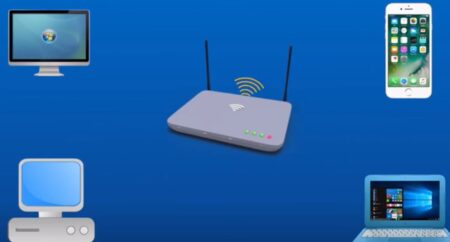
- Wireless Access Points (WAPs): Wireless Access Points (WAPs) are crucial in providing connectivity to library patrons. In modern libraries, Wi-Fi networks are essential for allowing users to access the internet and the library’s resources without the need for physical cables. WAPs are strategically placed throughout the library to ensure seamless wireless coverage, allowing users to browse online catalogs, download e-books, or access research databases from any location within the library. In addition to public access, WAPs also support staff devices, enabling smooth communication between workstations, servers, and mobile devices.
- Library Management System (LMS); The Library Management System (LMS) is a cornerstone of library operations, serving as the software platform that integrates various library functions. It is typically hosted on servers and connects to other components of the network. The LMS handles tasks such as cataloging, circulation, and user account management. For example, when a patron checks out a book, the LMS updates the catalog in real time, ensuring that the item is marked as unavailable. Popular LMS platforms, such as Koha, Alma, and SirsiDynix, rely on a stable network infrastructure to function properly, enabling library staff to manage collections efficiently and patrons to access materials seamlessly.
- Networking Protocols: Networking protocols are the rules and standards that govern data exchange within a library’s network. These protocols ensure that data flows efficiently and securely between devices. Common protocols used in library networks include:
- TCP/IP (Transmission Control Protocol/Internet Protocol): This is the foundation of most modern networks and governs how data is transmitted over the Internet and within the library’s internal network. TCP/IP ensures that data packets are correctly routed between devices.
- HTTP/HTTPS (Hypertext Transfer Protocol/Secure): These protocols are used for accessing web-based services, such as online catalogs, databases, and library websites. HTTPS ensures that data transmitted between the user and the library’s website is encrypted, providing a secure browsing experience.
- Security Measures: As libraries handle sensitive patron information and maintain access to valuable digital resources, ensuring network security is paramount. Firewalls are the first line of defense, protecting the library’s network from unauthorized access and potential cyber threats. Firewalls monitor incoming and outgoing traffic, blocking malicious attempts to breach the system. In addition, libraries often use encryption protocols to protect the integrity and confidentiality of user data, especially when patrons access resources remotely.
Libraries may also implement Virtual Private Networks (VPNs) to provide secure, remote access to digital resources. VPNs allow authorized users to access the library’s network securely from off-site locations, ensuring that sensitive data remains protected during transmission. - Cloud Services and Storage: Many libraries are transitioning to cloud-based systems for data storage and resource management. Cloud computing provides scalability, allowing libraries to store vast amounts of digital resources—such as e-books, journals, and archives—while reducing the need for extensive on-site hardware infrastructure. Cloud-based Library Management Systems enable staff to manage operations from any location with internet access, facilitating remote work and collaborative projects across library branches.
Cloud services also support digital content delivery, such as streaming videos or hosting e-books. By using platforms like Amazon Web Services (AWS) or Microsoft Azure, libraries can easily expand their capacity to store and share resources without the need for substantial investments in physical infrastructure. - Database and Digital Resource Servers: In addition to cataloging physical materials, libraries maintain databases of digital resources, including research articles, e-books, and multimedia content. These resources are stored on dedicated servers, often managed via the library’s internal network or cloud-based systems. When patrons search for a specific resource, the server processes the query and delivers relevant results. Integration with online databases, such as JSTOR or ProQuest, ensures that patrons can access high-quality academic resources remotely, enhancing the library’s offerings.
- Peripheral Devices: Peripheral devices, such as printers, scanners, and self-checkout kiosks, are also connected to the library’s network. Printers allow patrons to print materials from their devices or library workstations, while scanners enable the digitization of physical content. Self-checkout kiosks streamline the borrowing process, allowing patrons to check out items without needing assistance from library staff. These devices rely on the network to track usage, process transactions, and update records in real time.
Interconnection of Components:
The interconnection of these components ensures that library services operate smoothly and efficiently. For example, when a patron checks out a book, their user information is accessed from the LMS server, which updates the catalogue and the circulation records. At the same time, the wireless network enables the patron to browse resources online via Wi-Fi, while the security measures ensure that all data transactions are encrypted and protected.
Furthermore, the network ensures real-time communication between library branches. For instance, if a book is unavailable at one location, a user can request it from another branch, with the system updating the status instantly across the network. This level of integration not only improves operational efficiency but also enhances the patron experience by providing access to a wide range of services and resources.
A library’s networking system is a complex and vital infrastructure that supports a variety of functions, from resource management and access to secure, efficient operations. By seamlessly connecting hardware, software, security protocols, and digital resources, the network ensures that both library staff and patrons can access and share information with ease. As libraries continue to adapt to new technologies and digital trends, the importance of a well-designed and robust networking system will only increase, enabling libraries to meet the evolving needs of their communities.
The Role of a Library’s Local Area Network (LAN) in Facilitating Access to Digital Resources and Services
A library’s Local Area Network (LAN) serves as the backbone of its digital infrastructure, providing essential connectivity that enables both staff and patrons to access and interact with the library’s digital resources and services. A LAN is a network confined to a specific geographic area, such as a single building or a campus, and it connects all the devices within that area, including computers, printers, servers, and other equipment. The design and functionality of the LAN are crucial to ensuring that library services, from catalogue searches to remote resource access, run efficiently and smoothly.
For library staff, the LAN enables real-time access to a variety of systems and services. Staff members can easily access the Library Management System (LMS), which handles cataloguing, circulation, user accounts, and other administrative functions. The LAN ensures that staff can update records and manage resources without delays, as the network provides fast, reliable communication between workstations and servers. Additionally, staff can connect to internal databases, access digital collections, and collaborate on projects, all through the library’s internal network. This connectivity streamlines day-to-day operations and improves productivity by minimizing network downtime and ensuring seamless communication across various departments.
For library patrons, the LAN enhances the user experience by providing fast and consistent access to digital resources such as e-books, online databases, journals, and multimedia content. Patrons can use library workstations or connect their personal devices via Wi-Fi to browse the library’s digital catalogue, search academic databases, and download or stream resources. The LAN also enables remote access to digital resources for authenticated users, allowing patrons to access e-books, academic papers, and multimedia materials from within the library or even off-site, depending on the system’s configuration. This type of accessibility increases the library’s value by providing greater convenience to users. Moreover, a well-designed LAN supports the integration of interactive technologies such as self-checkout kiosks, digital signage, and automated systems. For example, patrons can check out books independently using kiosks connected to the LAN, which ensures that the system is updated in real-time to reflect the status of borrowed items. The network also connects printers, scanners, and other devices, allowing users to easily print or scan documents while maintaining secure access to these resources.
Overall, a library’s LAN is a critical component in providing efficient, reliable, and secure access to both staff and patrons. By facilitating seamless connectivity, it ensures that the library can deliver a wide range of services, from administrative functions to user-centric digital resources, all within a secure and well-managed network environment.
Benefits and Challenges of Implementing Wireless Networking in Libraries for User Access to Digital Resources
Implementing wireless networking in libraries offers numerous benefits that significantly enhance the accessibility and convenience of digital resources for users. By allowing patrons to connect to the internet and the library’s internal network without the need for physical cables, wireless networks provide greater flexibility and mobility, transforming how library services are delivered. However, there are also challenges associated with setting up and maintaining wireless networks that libraries must address to ensure optimal performance and security.
One of the primary benefits of wireless networking in libraries is the increased accessibility it provides to users. Patrons can access digital resources such as e-books, online journals, databases, and multimedia content from anywhere within the library, whether at a workstation, in a reading area, or while seated in a study lounge. This ease of access significantly enhances the user experience, making it more convenient for library visitors to interact with library resources at their own pace and from various locations within the building. Moreover, wireless networks enable users to bring their own devices-laptops, smartphones, or tablets-into the library, further improving convenience and enabling a personalized approach to learning and research.
Additionally, wireless networking can help libraries optimize their space and reduce the need for extensive cabling. Libraries can avoid the clutter of wires running through public areas and provide more open, adaptable spaces for study, collaboration, or browsing. The flexibility offered by wireless networking is especially beneficial for libraries that host events, workshops, or group discussions, as participants can easily connect to the network with minimal disruption to the environment. Furthermore, libraries can more easily accommodate changing needs, such as adding more devices or creating temporary spaces without significant alterations to the network’s physical infrastructure.
However, while the benefits are clear, there are also several challenges associated with the implementation of wireless networks in libraries. One significant challenge is ensuring sufficient coverage throughout the library building. Wireless signals can be affected by physical barriers such as walls, floors, and other structures, leading to signal degradation or dead spots in certain areas. To provide consistent coverage, libraries must strategically place wireless access points (WAPs) throughout the building, which may require additional investment in network planning and infrastructure. Additionally, the number of users simultaneously connected to the network can impact performance, especially in larger libraries with heavy foot traffic. Ensuring the network can handle peak usage times without slowdowns or interruptions is crucial to maintaining a positive user experience.
Security is another major concern when implementing wireless networking in libraries. As wireless networks are accessible to anyone within range, they are more vulnerable to unauthorized access and cyber threats compared to wired networks. Libraries must implement robust security measures, such as encryption, firewalls, and authentication protocols, to protect sensitive user data and ensure the integrity of the network. Failure to address these concerns can lead to data breaches, unauthorized access to library resources, or exposure to malicious attacks. Moreover, libraries must educate patrons on safe browsing practices, especially when using public Wi-Fi networks, to mitigate the risk of malware or other security threats.
In summary, the implementation of wireless networking in libraries offers significant benefits, including enhanced accessibility, improved space utilization, and increased convenience for patrons. However, libraries must also overcome challenges such as ensuring comprehensive coverage, maintaining network performance during peak usage, and addressing security concerns to ensure that the network remains reliable, secure, and user-friendly. With careful planning and investment in infrastructure and security, wireless networking can become a powerful tool for supporting the library’s mission of providing seamless access to digital resources.
Ensuring Data Security and Privacy in Library Networking Systems
In an increasingly digital world, libraries are evolving to offer patrons access to an ever-expanding range of resources, from e-books and journals to databases and multimedia content. With this shift, libraries face the critical challenge of safeguarding sensitive patron data and protecting valuable digital collections. Libraries not only handle personal and financial information but also curate and maintain access to a vast amount of digital content that requires robust security measures to preserve its integrity. To ensure that both patron data and digital collections are secure, libraries must adopt comprehensive strategies that incorporate technological, procedural, and educational safeguards. Below are key strategies libraries can implement to ensure data security and privacy in their networking systems.
- Implementing Strong Authentication and Access Control: One of the foundational steps in securing a library’s network is establishing effective authentication and access control systems. Libraries must ensure that only authorized users, whether staff or patrons, can access sensitive information and digital resources. This can be achieved by using strong authentication methods, such as multi-factor authentication (MFA), which requires users to verify their identity through multiple channels, such as a password and a one-time code sent to their mobile device.
For patrons, libraries often use library cards or university credentials as identifiers, while for staff, access to administrative tools and sensitive data should be restricted based on roles. Libraries can implement role-based access control (RBAC), ensuring that different levels of access are granted based on a user’s role within the organization, limiting unnecessary exposure to sensitive data. For example, circulation staff might only have access to check-out records, while administrative staff might have full access to system configurations and financial data. - Encrypting Data During Transmission and Storage: Encryption is one of the most powerful tools for safeguarding both data at rest (stored data) and data in transit (data being transferred over the network). Libraries must implement encryption protocols to protect sensitive patron information, such as names, addresses, and payment details, as well as the digital resources they provide, such as e-books and databases.
Transport Layer Security (TLS) or Secure Sockets Layer (SSL) are commonly used to encrypt data transmitted over the internet, ensuring that information exchanged between patrons and library servers remains private. This is especially important for remote users accessing digital resources from public or unsecured networks. Similarly, libraries should encrypt data stored on their servers or cloud-based platforms to protect against unauthorized access or data breaches. For example, encrypted database systems ensure that even if a hacker gains access to a library’s server, the data will remain unreadable without the proper decryption keys. - Deploying Firewalls and Intrusion Detection Systems (IDS): Firewalls and intrusion detection systems (IDS) are vital components of a library’s cybersecurity infrastructure. Firewalls act as the first line of defense, controlling incoming and outgoing traffic to prevent unauthorized access. Libraries should ensure that their firewalls are configured correctly to only allow legitimate traffic to enter their network and block potentially harmful requests.
Intrusion Detection Systems (IDS) play an essential role in monitoring the library’s network for suspicious activities. These systems analyze network traffic to identify any abnormal behavior, such as unauthorized attempts to access restricted areas or unusual data transfers that might indicate a security breach. When a potential threat is detected, an IDS can alert the library’s IT staff so they can take appropriate action to contain the threat and prevent data compromise. - Regular System Updates and Security Patches: Libraries must continuously update their systems, software, and hardware to safeguard against new vulnerabilities. Hackers and cybercriminals constantly search for flaws in software to exploit, which is why it’s critical for libraries to install security patches as soon as they become available. This includes updates to the Library Management System (LMS), database platforms, operating systems, and network hardware.
Regular updates ensure that the library’s system is resilient to emerging threats, such as ransomware, viruses, or other types of cyberattacks. Libraries should also enable automatic updates for critical security patches whenever possible, reducing the risk of delayed responses to vulnerabilities. - Conducting Regular Security Audits and Risk Assessments: Another key strategy for ensuring data security and privacy is conducting regular security audits and risk assessments. These evaluations help libraries identify potential vulnerabilities within their network infrastructure and assess the effectiveness of their current security measures. Security audits should cover a wide range of areas, including data encryption, authentication procedures, access controls, and firewall configurations.
In addition to audits, libraries should conduct risk assessments to evaluate the potential impact of different security threats. This helps them prioritize which risks to address first based on their likelihood and potential impact. Risk assessments also enable libraries to design better disaster recovery plans, ensuring they can quickly recover from any security incidents. - User Education on Data Privacy and Cybersecurity Best Practices: While technological solutions are essential for protecting library systems, educating library staff and patrons about data security and privacy is equally important. Library staff should be trained to recognize phishing attempts, suspicious email links, and other types of social engineering attacks that could compromise the system. They should also be educated on how to manage sensitive data properly and respond to potential security threats.
For patrons, libraries can provide cybersecurity awareness programs, advising users on best practices such as using strong, unique passwords, avoiding public Wi-Fi networks for transactions, and recognizing malicious websites. Informing patrons about the library’s data privacy policies and how their information is being used can also help establish trust and encourage responsible usage of library resources. - Backup and Recovery Plans: Data loss, whether due to system failure, cyberattacks, or natural disasters, can have catastrophic consequences for a library’s operations. Libraries should implement robust backup strategies to ensure that critical data—such as patron records, digital collections, and transaction logs—is regularly backed up and can be restored in the event of an emergency.
Backups should be stored in multiple locations, including off-site or in cloud storage, to protect against physical damage to hardware. Regular testing of backup systems is also necessary to ensure that the data can be reliably restored when needed. This preparedness helps mitigate the risk of data loss and ensures that services can continue even after an incident. - Adhering to Data Privacy Regulations: Data privacy laws and regulations such as the General Data Protection Regulation (GDPR), the California Consumer Privacy Act (CCPA), and other region-specific privacy laws require libraries to take specific steps to protect user data and provide transparency about how personal information is handled. Libraries must ensure that their data collection, storage, and sharing practices comply with these regulations, which may include obtaining consent from patrons before collecting personal data and providing users with access to their information upon request.
Compliance with data privacy regulations not only helps libraries avoid legal issues but also fosters trust with patrons by demonstrating a commitment to protecting their personal information.
As libraries continue to provide access to vast digital collections and valuable resources, safeguarding patron data and protecting digital content must remain a top priority. By implementing strong authentication, encrypting data, using firewalls and intrusion detection systems, conducting regular security audits, and adhering to data privacy regulations, libraries can ensure the security and privacy of their networking systems. With the right strategies and technologies in place, libraries can offer a secure environment for patrons to access the resources they need while safeguarding their personal information from potential threats. Data security and privacy in libraries are not only about technological solutions but also about creating a culture of awareness and responsibility among staff and patrons, ensuring that sensitive data remains protected at all times.
The Role of Library Management Systems (LMS) in the Library’s Network and Their Integration with Networked Resources
Library Management Systems (LMS) are at the heart of modern library operations, playing a crucial role in managing and facilitating access to the vast array of resources and services a library offers. These systems act as the central platform for the day-to-day functioning of a library, providing staff with tools for cataloging, circulation, and managing user accounts, while also offering patrons a streamlined interface to search for, borrow, and interact with library materials. In a library’s network, the LMS serves as the primary hub, facilitating communication between various networked resources, ensuring the efficient flow of information, and enabling seamless access to both physical and digital collections.
The LMS integrates closely with the library’s network infrastructure, ensuring that all library resources are connected and easily accessible. For example, when a patron checks out a book, the LMS communicates with the networked catalog to update the status of the book in real time, reflecting its availability across the library’s system. This integration allows staff to monitor and manage resources efficiently, ensuring that records are accurate, up-to-date, and consistent across all connected systems. Additionally, LMS systems are often connected to external databases, subscription services, and digital resource repositories, enabling patrons to access a wide range of academic journals, e-books, and multimedia resources directly from the library’s network.
LMS platforms facilitate integration with other networked resources within the library, such as automated book checkouts, self-service kiosks, and digital signage systems. These integrations help to streamline library operations, reduce the workload on library staff, and enhance the patron experience by allowing for greater flexibility and ease of access. For instance, patrons can use self-checkout stations connected to the LMS to borrow books without the need for direct interaction with staff, while digital signage systems can display real-time information about available resources, events, and library hours, all powered by the data from the LMS. Additionally, many modern LMS platforms offer cloud-based solutions, allowing libraries to manage and access resources remotely, collaborate across multiple branches, and ensure system scalability. This cloud integration makes it easier for libraries to update their systems, add new features, and provide remote access to digital collections, enhancing the library’s ability to serve users both on-site and at a distance.
Best Practices for Maintaining and Upgrading Networking Infrastructure in Libraries to Ensure Smooth Operations
The networking infrastructure in libraries is the backbone that supports essential services such as access to digital resources, communication between staff, and efficient management of library systems. As libraries increasingly rely on digital platforms for both internal operations and public access, it is critical to maintain and upgrade the networking infrastructure to ensure it remains reliable, secure, and capable of meeting evolving technological demands. Proper maintenance and periodic upgrades can help libraries avoid network disruptions, enhance user experience, and ensure that both patrons and staff have uninterrupted access to essential services. Below are key best practices that libraries can follow to maintain and upgrade their networking infrastructure effectively.
- Regular Network Monitoring and Performance Assessment: Regular monitoring of the network is one of the most important practices for maintaining the integrity and performance of the library’s networking infrastructure. Libraries should implement tools to continuously track network performance, such as bandwidth usage, device connectivity, and data throughput. Monitoring software can detect issues such as slow speeds, excessive bandwidth usage, or network congestion, allowing IT staff to address them before they impact operations.
Proactive performance assessments help libraries stay ahead of potential bottlenecks or weaknesses in the system, especially during peak usage times when demand for internet access and digital resources is higher. By regularly assessing the network’s performance, libraries can optimize their infrastructure and prevent downtime that could affect both staff operations and patron access. - Updating Network Hardware and Software Regularly: Technological advancements can quickly make network hardware and software obsolete, leading to inefficiencies and potential security vulnerabilities. To ensure smooth operations, libraries must prioritize the regular updating and replacement of network hardware components such as routers, switches, and access points. Aging hardware can contribute to slower speeds, limited coverage, and increased risk of failure, so periodic upgrades are essential to maintaining a reliable network.
In addition to hardware upgrades, libraries must also keep their network management software, firewalls, and security systems up to date. Installing the latest software patches and security updates helps protect against cyber threats, ensure system stability, and support the integration of new features. Automatic updates for critical systems can help ensure that the library’s network is consistently up to date, reducing the risk of security breaches and downtime. - Scalability and Future-Proofing: As libraries continue to expand their digital services and resources, it is essential to ensure that the networking infrastructure can handle future growth. Scalability is a key consideration when upgrading the network to ensure it can accommodate increased traffic and new technological demands, such as the addition of more wireless access points, the introduction of IoT devices, or the expansion of cloud-based services.
Libraries should invest in flexible and scalable solutions that can be easily expanded as usage grows. For instance, cloud-based library management systems (LMS) and digital resource storage can scale as the library’s collection expands, reducing the need for expensive, on-site hardware upgrades. Similarly, network switches and routers with higher throughput capacities can support growing demands without requiring a complete overhaul of the infrastructure. - Ensuring Robust Security Protocols: Security is a top priority when maintaining and upgrading library networking infrastructure. Given that libraries manage sensitive patron data and valuable digital collections, maintaining a secure network is critical to prevent data breaches and unauthorized access. Libraries should regularly assess their security measures, including firewalls, intrusion detection systems (IDS), and encryption protocols.
It’s important to implement a layered security approach, where multiple safeguards are put in place to protect the network from internal and external threats. Libraries can adopt role-based access control (RBAC) to ensure that only authorized personnel have access to sensitive resources, and regularly test the network for vulnerabilities through security audits and penetration testing. Implementing secure wireless protocols such as WPA3 for Wi-Fi networks and using secure VPNs for remote access will further enhance security.
Additionally, staff training on cybersecurity best practices—such as recognizing phishing attempts, handling patron data securely, and following proper network protocols—is essential for ensuring that human error does not compromise the library’s network security. - Building Redundancy and Backup Systems: In order to minimize the impact of potential network outages or hardware failures, libraries should invest in redundancy and backup systems. This can include having backup power supplies (e.g., uninterruptible power supplies, or UPS), secondary internet connections, and redundant network paths to ensure that services continue running smoothly even if one part of the network fails.
Data redundancy is also critical for library systems. Regular backups of important library data, including user information, digital collections, and transaction records, should be stored securely in off-site or cloud-based storage solutions. This ensures that in the event of a system failure, the library can restore data quickly and continue operations without significant loss. - Optimizing Wireless Networks: With the increasing demand for mobile access and Wi-Fi connectivity, optimizing wireless networks in libraries is a key best practice for ensuring seamless operations. Libraries should conduct site surveys to identify areas where signal strength is weak and deploy additional wireless access points to eliminate dead zones. A well-distributed wireless network ensures that patrons can connect to the library’s resources from anywhere within the building, whether in study areas, reading rooms, or common spaces.
Furthermore, libraries should manage bandwidth effectively to prevent slowdowns during peak usage times. This can be achieved through Quality of Service (QoS) configurations that prioritize critical services, such as access to digital libraries or the Library Management System (LMS), over less essential activities like guest Wi-Fi access. By properly managing network traffic, libraries can ensure that patrons and staff can access resources quickly and without interruption. - Training and Skill Development for IT Staff: The success of maintaining and upgrading library networks depends largely on the expertise of the IT staff who manage the infrastructure. Libraries should invest in continuous training and professional development for their IT personnel to ensure they remain up-to-date with the latest networking technologies, security protocols, and best practices.
Training staff to troubleshoot network issues, perform regular system checks, and manage network upgrades ensures that the library’s infrastructure remains functional and reliable. Additionally, creating a knowledge-sharing culture where staff can collaborate on solving network problems or developing new solutions can further improve the overall network management process. - User Feedback and Ongoing Evaluation: Finally, libraries should regularly gather feedback from users—both staff and patrons—on the performance of the network and its services. User experience surveys and focus groups can provide valuable insights into areas where the network may be underperforming, such as slow Wi-Fi, difficulty accessing resources, or trouble using digital tools.
By engaging with patrons and staff, libraries can identify areas for improvement and make data-driven decisions when planning network upgrades or maintenance schedules. Regular evaluation of network performance, combined with user feedback, ensures that the library’s networking infrastructure continues to meet the evolving needs of its users.
Maintaining and upgrading the networking infrastructure in libraries is crucial for ensuring smooth operations and supporting the growing demand for digital resources and services. By implementing best practices such as regular network monitoring, updating hardware and software, ensuring scalability, enhancing security, and optimizing wireless connectivity, libraries can create a resilient and efficient network that benefits both staff and patrons. Investing in network redundancy, training IT staff, and gathering user feedback will further improve the library’s ability to adapt to new technologies and meet the needs of a digital-first world. Through proactive management and continuous improvement, libraries can ensure that their networking infrastructure remains reliable, secure, and future-proof for years to come.
The Impact of Emerging Technologies like the Internet of Things on Networking Systems in Libraries
Emerging technologies, particularly the Internet of Things (IoT), are significantly transforming library networking systems, offering new opportunities for enhancing services, improving operational efficiency, and expanding access to resources. The IoT refers to the network of interconnected devices that communicate and exchange data through the internet, allowing libraries to implement innovative solutions that streamline both user experience and administrative functions.
One of the key impacts of IoT in libraries is the integration of smart devices that can help manage library operations more effectively. For example, smart shelving systems equipped with RFID tags can automatically track the movement of library materials. These systems can notify staff when books are misplaced, checked out, or returned, improving inventory management and reducing the time spent manually searching for materials. This kind of automation allows library staff to focus more on engaging with patrons and providing services rather than dealing with logistical tasks.
Another significant impact of IoT is the ability to offer personalized user experiences. Smart devices such as beacons can send targeted notifications to patrons’ smartphones, alerting them about relevant events, new book arrivals, or reminders about overdue materials. Additionally, smart lighting and temperature control systems connected to the library’s network can optimize energy use, adjusting settings based on occupancy or time of day, leading to cost savings and environmental benefits.
IoT also enhances security and safety within library environments. Surveillance cameras, motion sensors, and smart entry systems can be integrated into the network to monitor library spaces in real-time, ensuring the safety of patrons and staff. Smart locks on lockers or study rooms can also provide users with secure, personalized access, further improving the library’s functionality and service offerings.
However, the integration of IoT into library networking systems also introduces challenges. The increased number of connected devices creates more entry points for potential cyber threats, making robust cybersecurity measures critical. Libraries must ensure that these IoT devices are securely connected to the network, using encryption and access controls to protect both user data and library resources. Additionally, libraries need to invest in infrastructure that can handle the increased data traffic generated by IoT devices, ensuring that the network remains stable and efficient as more devices are added.
References:
- Venkatachalam, A. M. (2011). Resource sharing among management institute libraries in Tamilnadu A study. Retrieved from: http://hdl.handle.net/10603/54121
- Seetharama, S. (1997), “Collection Development Management in an Information Technology-Based Environment: Current Initiatives and Issues”, DESIDOC Bulletin of Information Technology,17(1), pp.11-20.
- Wedgeworth, Robert (1993), “World Encyclopedia of Library and Information Sciences, American Library Association, pp. 482-483.
- Durgadevi, K., and Usha, P. (1998), “Role of Networks in Library and Information Field”, Proceedings of the National Seminar on Changing Trends in Library and Information Science, Cochin University of Science and Technology, Cochin, 8-9 Janauary, pp.127-135.
- Kent, Allen. (1978), “Library Resource Sharing Networks: How to Make a Choice”, Library Acquisitions: Practice and Theory, 2(2), pp. 69-76.
- Chaudhry, A. S. (1996), “Exploiting Network Information Resources for Collection Development in Libraries”, IFLA Journal, 22 (1), pp. 191-198.
- Kumar, P. A. (2017). Impact of information technology on the collection development in university libraries of Assam: a study.