
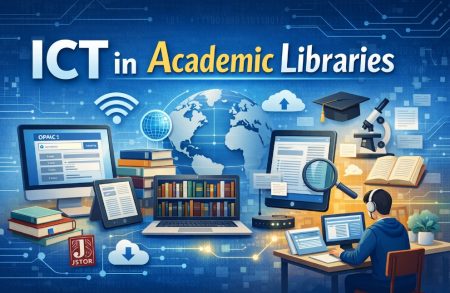
The internet has profoundly transformed traditional library services, reshaping how libraries operate and deliver information to users. In the past, libraries were primarily physical spaces where users accessed books, journals, and other resources in person. With the advent of the internet, libraries have expanded their reach far beyond physical boundaries, offering digital resources such as e-books, online databases, and journal subscriptions. This shift has not only enhanced accessibility but also revolutionized the speed and efficiency with which users can find and interact with information. The internet has also changed the role of librarians, who now often serve as guides to navigating digital resources and teaching users how to evaluate and use information from online sources. Additionally, the development of online catalogues and digital repositories has streamlined library management, making it easier for users to search for and access materials remotely.
What is the Internet?
The Internet is a vast, global network of interconnected computers and servers that allows for the exchange of data and information across the world. It functions as a communication medium that enables users to access, share, and distribute a wide range of content, from text and images to videos and interactive applications. Originally developed as a tool for academic and government research, the Internet has since evolved into a central component of everyday life, influencing nearly every aspect of society, including education, business, entertainment, and social interactions. It operates on a system of protocols known as the Transmission Control Protocol/Internet Protocol (TCP/IP), which ensures that data is transferred between computers in a reliable and structured manner. The Internet is accessed through devices such as computers, smartphones, and tablets, which connect to it via local networks, mobile data, or broadband services. Its decentralized nature allows information to flow freely across borders, making it a powerful platform for communication and knowledge sharing, while also presenting challenges related to security, privacy, and digital inclusion. Today, the Internet serves as the backbone for many services, including email, social media, e-commerce, cloud computing, and online education.
How the Internet Has Revolutionized Access to Library Resources and Information Services
The internet has fundamentally reshaped how libraries operate, particularly in providing access to resources and services. Traditionally, libraries served as physical spaces where individuals could visit to borrow books, journals, and other materials. However, the rise of the internet has allowed libraries to transcend these physical boundaries, offering users access to a vast array of digital resources at the click of a button. This transformation has not only improved the accessibility and efficiency of library services but has also created opportunities for libraries to evolve into more dynamic, global hubs of information.
- Expanding Access to Digital Resources: One of the most significant changes brought about by the internet is the expansion of digital collections. Libraries can now offer access to e-books, academic journals, and databases that users can access remotely, eliminating the need to physically visit the library. For example, platforms like JSTOR, Project MUSE, and Google Scholar have enabled users to access academic articles and research papers from anywhere in the world, making scholarly information more readily available. Additionally, many libraries have digitized their own collections, making rare or historical texts available online, which was once difficult to access due to their physical location or preservation concerns.
The convenience of online access has also transformed how users interact with library resources. Patrons no longer need to wait for a book or journal to be returned before borrowing it. Instead, they can download or access materials instantly. For instance, university libraries often offer access to e-books that can be read on multiple devices, making it easier for students to study on the go. These changes have democratized access to information, as users from remote or underserved areas can now engage with library resources from home or mobile devices. - Advancing Online Catalogs and Search Functions: The internet has also revolutionized the way users search for library materials. Online catalogues and integrated search systems allow users to find books, articles, and other resources through user-friendly interfaces. Many libraries now use platforms like the Online Public Access Catalogue (OPAC), which helps users search through digital and physical collections simultaneously. Users can search by title, author, subject, or keyword, and filter results based on availability and format. For example, the NSU Library’s online catalogue allows students and faculty to search for resources, check availability, and even request items for pickup, all without needing to step foot in the library.
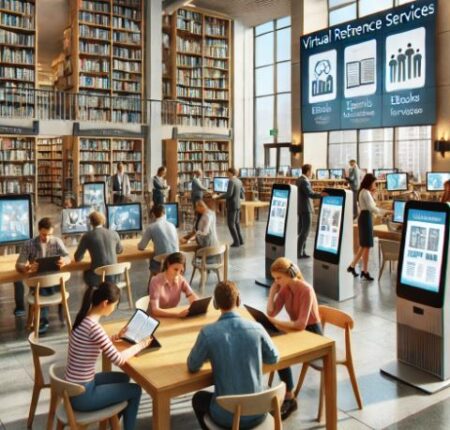
These advancements in search functionality have not only improved efficiency but have also reduced the time and effort required to locate materials. Advanced algorithms and recommendation systems now help users discover resources they may not have found through manual searches. Libraries, through their online systems, also offer interlibrary loan services, enabling users to borrow materials from other libraries globally, further enhancing the breadth of available resources. - Enhancing Remote Access and Virtual Services: Another major shift resulting from the internet is the ability for libraries to offer remote access to services. Many libraries now provide virtual reference services, where librarians assist users through live chat, email, or video conferencing. For instance, during the COVID-19 pandemic, many academic libraries expanded their digital services to include virtual consultations, allowing students to get the help they needed without physically visiting the library. Additionally, library websites often include tutorials and guides to help users navigate digital resources and research tools.
Moreover, internet-based platforms have made it possible for libraries to host webinars, workshops, and online events, offering learning and professional development opportunities to users globally. For instance, online workshops on research methodologies or citation management tools are now common features of library websites, enabling users to develop essential skills from anywhere in the world. - Facilitating Open Access and Collaboration: The Internet has also facilitated the shift toward open-access publishing, where research materials and academic articles are freely available to anyone with Internet access. Libraries have played a pivotal role in supporting this movement by providing access to open-access journals and repositories like PubMed Central and the Directory of Open Access Journals (DOAJ). Open access has been particularly transformative in the field of academic research, as it allows researchers, regardless of their geographic location or institutional affiliation, to access cutting-edge research without costly subscriptions.
Furthermore, the internet has fostered collaboration among libraries and researchers globally. Through initiatives like interlibrary loan systems, consortia-based access, and digital preservation efforts, libraries have expanded their networks, enabling more efficient sharing of resources and research. For example, organizations like OCLC (Online Computer Library Center) have created global networks for libraries to share their collections, making it easier for users to borrow materials from participating libraries worldwide.
The internet has had a profound impact on how libraries deliver information services, making resources more accessible, efficient, and user-friendly. By embracing digital resources, online catalogues, and remote services, libraries have enhanced the ways in which users engage with information. The internet has not only made it easier to access books, journals, and other materials but has also fostered collaboration, innovation, and the democratization of knowledge. As the digital landscape continues to evolve, libraries will continue to adapt and play an integral role in providing access to information, supporting lifelong learning, and connecting people to knowledge across the globe.
Impact of the Internet on the Library
The internet has significantly transformed the traditional role and operations of libraries, revolutionizing how they function and how information is accessed. What was once a primarily physical space for borrowing books and conducting research has now evolved into a dynamic digital hub for accessing a wide range of resources. As libraries adapt to this digital era, the internet has reshaped their services, enhanced user access to information, and prompted libraries to rethink their traditional models.
- Expanded Access to Information: One of the most noticeable impacts of the internet on libraries is the expanded access to information. Traditionally, libraries relied on physical books, periodicals, and journals, and users had to visit in person to access these resources. With the internet, however, library collections have gone digital. Libraries now offer e-books, digital journals, and databases that can be accessed remotely from anywhere in the world, at any time. This is particularly beneficial for academic and research libraries, where users can access scholarly resources such as JSTOR, PubMed, or ProQuest databases, all without needing to leave their homes or offices. For example, many universities now provide access to an array of digital resources that students and faculty can use for research, enhancing the reach of the library’s resources far beyond the physical walls.
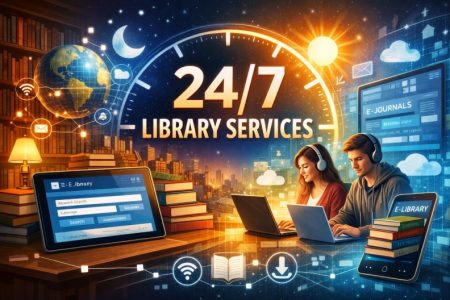
- Transformation of Library Services: The role of the library itself has evolved with the internet. Libraries are no longer just repositories for books; they have become centres for digital literacy and information technology. Online catalogues, or Online Public Access Catalogs (OPACs), now allow users to search through the library’s collection of physical and digital materials quickly and efficiently, saving time and improving the overall user experience. The introduction of digital resources such as streaming services for academic lectures, webinars, and virtual reference services allows libraries to serve users across geographic boundaries, enabling a more global approach to information dissemination. For instance, some Library provides 24/7 access to its resources and services, such as research help, through online platforms, enabling users to engage with the library whenever needed.
- Bridging the Gap through Open Access: The internet has also played a critical role in supporting the open-access movement, which seeks to make academic research freely available to the public. Through initiatives like institutional repositories, libraries are working to provide unrestricted access to scholarly articles, theses, and dissertations. This has democratized knowledge, particularly in regions where access to expensive academic journals may be limited. Libraries host open-access platforms such as institutional repositories, making academic content available to a broader audience. For example, many academic libraries have adopted systems like DSpace or EPrints to host their institution’s open-access content. This open access model not only benefits students and researchers but also contributes to a global academic conversation, fostering collaboration and innovation.
- Changes in Information Retrieval and User Behavior: The internet has altered the way users seek and retrieve information. In the past, patrons relied on physical card catalogues and reference materials to locate resources. Today, the internet allows users to perform instant searches on library websites or global databases. These systems utilize complex algorithms and indexing techniques to deliver relevant results, allowing users to locate materials much more efficiently. Moreover, the development of digital library platforms means that a wealth of resources, from journals and books to videos and podcasts, is available at users’ fingertips. This shift in access has also altered user behaviour; with the convenience of instant access, people increasingly prefer digital formats over traditional printed materials.
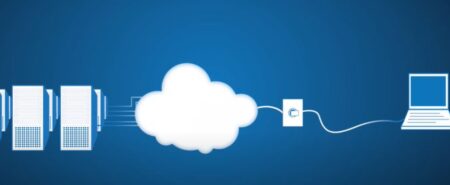
Additionally, the internet has changed the expectations of library users. People now expect to have anytime, anywhere access to resources and information. As a result, libraries are increasingly investing in web-based platforms, mobile apps, and cloud-based systems to meet the growing demand for remote access to resources. For instance, libraries are integrating digital archives and cloud storage solutions, providing users with a seamless and personalized experience when accessing materials across various devices. - The Role of Libraries in the Digital Divide: While the internet has made libraries more accessible, it has also highlighted the digital divide—the gap between individuals with access to technology and those without. Libraries have become essential in bridging this divide by providing free access to digital resources, computers, and the Internet. Public libraries, in particular, have become critical community hubs, offering access to technology for individuals who might not otherwise have it at home. Libraries provide services such as computer literacy training, internet access, and job search support, helping to level the playing field for marginalized communities. For example, many libraries have set up digital literacy workshops to teach community members how to use the Internet and other digital tools.
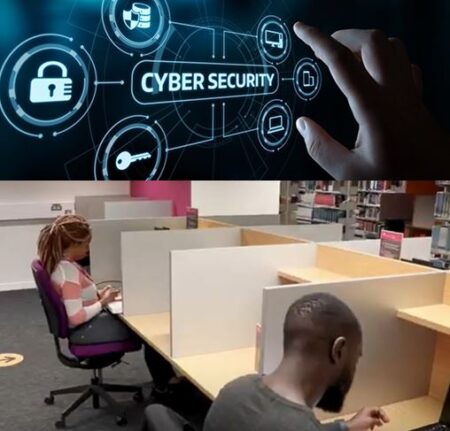
- New Challenges for Libraries: Despite the many advantages the Internet offers, it has also introduced several challenges for libraries. One of the most significant challenges is the need to constantly update and maintain digital resources. Unlike physical collections, which can remain largely unchanged for years, digital collections require ongoing maintenance, including software updates, storage management, and security measures to protect against cyber threats. As libraries continue to embrace digital platforms, they must also address issues related to data privacy, cybersecurity, and digital preservation.
Furthermore, libraries must adapt to the growing prevalence of misinformation on the internet. Librarians play an important role in helping users critically evaluate online resources, which requires both technological and informational literacy. As the internet becomes flooded with both reliable and unreliable sources, libraries have increasingly taken on the responsibility of providing digital literacy education, teaching users how to assess the quality and credibility of online content.
The internet has had a profound impact on libraries, revolutionizing how they provide access to information and services. It has expanded access to digital resources, transformed library services, and facilitated the open-access movement. At the same time, it has posed new challenges, particularly with regard to information overload, digital divide issues, and the need for constant technological updates. Nevertheless, the internet has enabled libraries to thrive in a digital age, ensuring that they remain vital institutions for education, research, and community engagement. As libraries continue to evolve, the internet will undoubtedly play a central role in shaping their future, providing both opportunities and challenges that will need to be carefully managed.
How the Internet Has Transformed the Role of Libraries in Providing Information Services to Users
The internet has fundamentally transformed the role of libraries in providing information services to users, reshaping how they operate and deliver resources. Traditionally, libraries were physical spaces that provided books, journals, and other materials, with librarians assisting users in finding and accessing these resources. However, the advent of the internet has expanded libraries’ capabilities, enabling them to offer a wealth of digital resources that users can access remotely from anywhere in the world. This includes e-books, academic databases, online journals, and multimedia content, all of which can be accessed with just a few clicks. For example, university libraries now provide students and faculty with access to a vast array of digital resources through platforms like JSTOR, ProQuest, and ScienceDirect, removing geographical and temporal constraints that previously limited access to information.
Furthermore, the internet has enabled libraries to offer remote and virtual services, allowing them to reach users beyond the physical boundaries of the library building. Through online platforms, libraries now offer virtual reference services, live chat assistance, and email consultations, making it possible for librarians to support users without requiring them to visit in person. For instance, academic libraries provide digital literacy workshops, research consultations, and subject-specific guidance via online platforms, ensuring users have continuous access to expert help regardless of their location. This virtual presence became especially crucial during the COVID-19 pandemic when libraries transitioned to fully online operations, continuing to support students and researchers remotely.
In addition to expanding access, the internet has facilitated the rise of open-access publishing, transforming how libraries support academic research. Through open-access platforms and institutional repositories, libraries help make scholarly articles, research papers, and theses freely available to the public, bypassing the subscription models of traditional publishing. This model has made academic research more accessible, especially in regions with limited access to expensive journal subscriptions. Libraries now host and manage digital collections that researchers and students can access without financial barriers, democratizing the availability of knowledge.
The internet has also increased the need for information literacy, as it has introduced vast amounts of information, not all of which is reliable. Libraries now focus on teaching users how to critically evaluate online resources, ensuring they can distinguish credible sources from unreliable ones. Information literacy programs are a key part of library services, helping users develop the skills needed to navigate and utilize digital information responsibly. In an era where misinformation can spread rapidly, libraries play a crucial role in helping individuals assess and use online content effectively, contributing to a more informed society.
Finally, the internet has shifted user expectations of library services. With the growing reliance on mobile devices and cloud-based technologies, users now expect to access library resources and services on demand. In response, libraries have embraced digital tools such as mobile apps, AI-powered search engines, and cloud-based platforms to meet these needs. Libraries now offer services like e-book borrowing, resource discovery tools, and real-time assistance via mobile apps, ensuring users have seamless access to library resources anytime, anywhere. By integrating new technologies, libraries continue to evolve to meet the expectations of modern users, remaining indispensable in the digital age.
In What Ways Has the Internet Transformed Traditional Library Services, Such as Cataloging and Circulation?
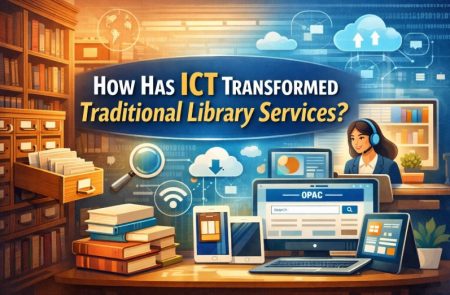
The internet has profoundly transformed traditional library services, particularly cataloguing and circulation, which were once largely dependent on manual systems and in-person interactions. Historically, library cataloguing and circulation involved physical card catalogues, handwritten records, and the manual process of checking out and returning books. With the advent of the internet, libraries have streamlined these processes, making them more efficient, accessible, and user-friendly through the integration of digital technologies.
- Revolutionizing Cataloging with Online Systems: One of the most significant changes in library cataloguing has been the shift from physical card catalogues to online catalogues. In the past, libraries maintained physical card catalogues, where each book was listed on a card, categorized by title, author, and subject. This system, while functional, was time-consuming and often difficult to navigate, particularly in larger libraries with extensive collections. Today, the internet has enabled libraries to adopt Online Public Access Catalogs (OPACs), which are digital systems that allow users to search for and locate materials online. OPACs provide a user-friendly interface where users can search for books and other resources by various criteria, such as author, title, subject, or keyword. These online systems can also include links to digital content, such as e-books and online journals, providing users with more immediate access to materials.
Moreover, the internet has facilitated the integration of global cataloguing systems like the WorldCat network, which allows libraries worldwide to share their catalogues. This interconnected system enables users to search the holdings of libraries across the globe from a single interface, vastly expanding the range of accessible materials. As a result, libraries no longer operate in isolation but are part of a broader network that enhances resource discovery. The use of metadata and standardized cataloguing formats like MARC (Machine-Readable Cataloging) has further enhanced the precision and accuracy of online catalogues, making it easier to manage large collections. - Streamlining Circulation Through Digital Platforms: The internet has also revolutionized library circulation services, particularly in how users borrow and return materials. Traditionally, circulation systems required library staff to manually check out books, record due dates, and track returns. With the introduction of digital circulation systems, much of this process has been automated, making it faster and more accurate. Libraries now use integrated Library Management Systems (LMS), such as Alma, Koha, or Sierra, which manage the entire circulation process, from item checkouts to returns and renewals. These systems allow for real-time tracking of library materials, reducing errors and improving efficiency.
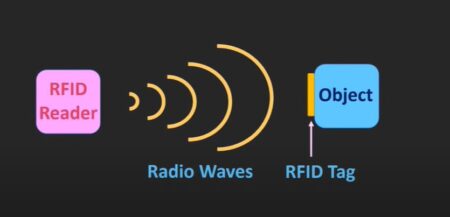
In addition, many libraries have implemented self-checkout stations, where patrons can borrow and return books without needing assistance from library staff. These stations use barcode scanners or RFID (Radio Frequency Identification) technology to quickly process transactions, making the borrowing experience more convenient for users. Some libraries even offer mobile apps that allow users to check out books using their smartphones, further enhancing convenience and accessibility. For example, the NSU Library allows students to check out e-books and digital materials through an integrated online system, offering the same convenience as physical checkouts but with the added benefit of instant access. - Enhancing Access and User Engagement with Digital Tools: The Internet has also improved user engagement with library services by offering greater access to resources and providing more interactive features. For instance, users can now place holds or reserve items through the library’s website, ensuring that they get access to materials as soon as they are available. In addition, digital platforms often allow for the automatic renewal of borrowed materials, eliminating the need for users to physically visit the library to extend their checkout period. Many libraries also send automatic reminders to users about due dates, reducing late returns and fines.
The integration of internet-based systems has also made it easier for libraries to offer access to digital materials alongside physical books. Libraries now offer users the ability to borrow e-books, audiobooks, and other digital resources, often through platforms like OverDrive or Libby. These systems allow users to borrow digital items in the same way they would borrow physical books, with automated checkouts and digital return functions. For example, students can access a library’s collection of e-textbooks, scholarly journals, and reference materials from anywhere, anytime, using their personal devices. This shift has made library services more flexible, especially for users who may not have time to visit the library in person or live in remote areas. - Supporting Remote Access and Interlibrary Loan Systems: The internet has also expanded the possibilities for remote access and interlibrary loans. Online catalogues allow users to request materials from other libraries, whether within the same city or across the globe. This system, known as Interlibrary Loan (ILL), allows libraries to share resources with one another, ensuring that users can access materials that may not be available in their local library’s collection. Internet-based systems have streamlined the ILL process by automating requests and tracking materials across different libraries. As a result, users can now borrow books from distant libraries with ease, making it possible to access a much wider range of resources.
Moreover, remote access to digital materials has become an essential part of modern library services. Many libraries offer users the ability to log in remotely to access their collections of e-books, journals, and databases. This is particularly important for academic libraries, where students and faculty members need access to resources outside of regular library hours or when they are not on campus. Digital systems ensure that users have 24/7 access to a wealth of information, enhancing the overall user experience and supporting research activities.
The internet has drastically transformed traditional library services, especially cataloguing and circulation. The move from physical card catalogues to online systems has made it easier for users to search for and access materials, while the adoption of digital circulation systems has streamlined the borrowing and returning process. The Internet has also enhanced library services by improving user engagement through digital tools, facilitating remote access to resources, and supporting interlibrary loan systems that expand access to materials beyond the local collection. As libraries continue to embrace digital technologies, the role of the internet in shaping the future of library services will only continue to grow, making information more accessible and efficient for users worldwide.
Key Challenges Libraries Face in Adapting Their Services to the Internet Age
As libraries increasingly embrace the internet and digital technologies, they encounter numerous challenges in adapting their traditional services to the digital age. While the internet has provided libraries with unparalleled opportunities to expand their reach, enhance resource accessibility, and improve user engagement, it has also introduced a range of issues that libraries must address to remain effective and relevant in the modern information landscape. These challenges span from technological and financial hurdles to concerns about privacy, equity, and the preservation of digital resources.
- Digital Literacy and User Training: One of the most significant challenges libraries face in the Internet age is ensuring that users have the digital literacy skills required to navigate an increasingly complex digital environment. While many users are familiar with basic internet tools, the growing amount of digital information and the advanced technologies used by libraries require more specialized skills. Libraries now need to offer training programs that help users understand how to search for and evaluate online information, use digital resources like e-books and online databases, and understand the ethics of using digital content.
Additionally, digital literacy programs are essential for teaching users how to recognize misinformation and evaluate the credibility of online sources. Librarians must go beyond merely providing access to digital resources—they must also empower users to interact with these resources in a meaningful and responsible way. For example, libraries may offer workshops on using academic databases, improving search techniques, or managing digital citations. This requires libraries to invest in staff development, as librarians must also stay updated on the rapidly changing landscape of digital tools and resources. - Digital Divide and Equity of Access: The digital divide remains a significant challenge for libraries, particularly those serving low-income or rural communities. Despite the widespread availability of the Internet, not all individuals have equal access to the technologies necessary for full participation in the digital age. Many users still lack reliable internet connections or access to devices like computers or smartphones. Libraries, therefore, must work to ensure that they provide equitable access to digital resources, particularly for those who are underserved.
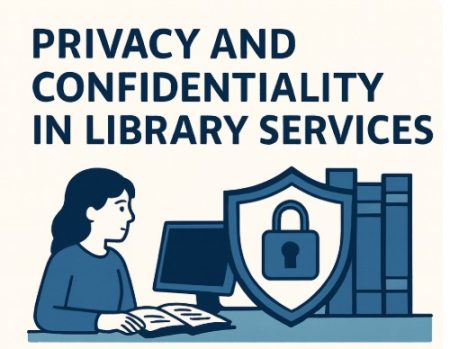
Public libraries play a crucial role in bridging this divide by offering free internet access, computers, and digital tools for those who may not have them at home. However, the cost of maintaining these services and ensuring that they remain up-to-date is a significant financial burden. Libraries may need to partner with local governments or non-profits to secure funding or develop initiatives aimed at reducing the digital divide. Additionally, libraries must be mindful of ensuring that all community members—regardless of their technological proficiency—can access and benefit from the digital resources they provide. - Privacy and Data Security Concerns: As libraries increasingly provide digital services, they must confront the challenges of privacy and data security. Digital platforms often require users to register with personal information, and the use of these platforms raises concerns about the protection of sensitive data. Libraries are particularly vulnerable to privacy issues because they are repositories of vast amounts of personal information, including user borrowing records, search queries, and access to private research.
Libraries must take measures to safeguard this information, which includes complying with privacy laws such as the General Data Protection Regulation (GDPR) in the EU or the U.S. Library Privacy Act. They must also ensure that their digital systems have strong security protocols to protect against cyberattacks, which have become increasingly common. Furthermore, libraries face the challenge of educating users about the risks of sharing personal data online and the importance of maintaining privacy when using digital library services. - Budget Constraints and Technological Investment: The rapid pace of technological innovation presents another significant challenge for libraries in the Internet age. As technology continues to evolve, libraries must constantly update their infrastructure, software, and digital resources to keep pace with user expectations. This includes investing in high-quality internet connections, new database subscriptions, cloud storage, and maintenance of their digital systems.
However, budget constraints are a common issue for many libraries, particularly public libraries and smaller academic institutions. The cost of acquiring and maintaining the technology necessary to provide cutting-edge digital services can be prohibitive, and many libraries struggle to secure the necessary funding. As a result, libraries may need to prioritize certain technologies or seek external funding sources, such as grants or partnerships with private tech companies, to meet the needs of their users. Balancing the need for technology with limited resources often forces libraries to make difficult decisions about which services or technologies to prioritize. - Digital Preservation and Access to Historical Content: While the Internet has made it easier for libraries to provide access to digital materials, it has also raised concerns about the long-term preservation of digital content. Unlike physical materials, which can be stored in a climate-controlled environment for decades, digital files are vulnerable to obsolescence, data corruption, and technological changes that render them inaccessible. For example, a document stored in an old file format may no longer be readable as technology advances or digital resources may be lost due to server failures or data breaches.
Libraries must develop strategies for the preservation of digital content to ensure that valuable information, such as historical records, research data, and culturally significant works, remains accessible for future generations. This includes investing in digital preservation strategies such as regular backups, migration to newer file formats, and collaboration with national and international digital preservation initiatives. The challenge lies not only in preserving content but also in ensuring that it remains accessible and usable over time, despite the rapid evolution of digital technologies. - Adapting Library Services to Evolving User Expectations: The internet has shifted user expectations regarding library services. Users now expect access to resources on-demand, 24/7, and in a variety of formats. Traditional libraries operated on fixed hours, with users needing to visit in person to access materials. In the digital age, users expect remote access to library resources at any time, using their devices from anywhere in the world. This shift in expectations presents a challenge for libraries, as they must balance the need for physical services with the demand for digital access.
Libraries must invest in systems that allow users to borrow e-books, access digital journals, and utilize online research databases remotely. Additionally, libraries are increasingly expected to offer more interactive and personalized services, such as virtual consultations, online workshops, and tailored recommendations. Meeting these expectations requires continuous investment in technology and staff training to ensure that services remain user-centred and responsive. - Managing the Shift from Physical to Digital Resources: As libraries increasingly move toward digital collections, there is a challenge in managing the transition from physical to digital resources. While digital content offers many advantages, such as immediate access and ease of storage, it also raises questions about how to balance the preservation and use of physical collections. Some users still prefer physical books, and many academic institutions rely on physical libraries as part of their research and teaching infrastructure. Therefore, libraries must find ways to integrate digital and physical resources effectively, ensuring that both formats coexist and complement each other.
This shift also requires libraries to reconsider their space usage and staffing models. For example, some libraries are repurposing physical space to accommodate new technologies, such as collaborative workstations or digital learning areas, while others are grappling with the challenge of how to preserve and store their physical collections as digital resources become more dominant.
The internet has brought tremendous opportunities for libraries, but it has also presented a range of challenges. From ensuring equitable access and protecting user privacy to addressing budget constraints and preserving digital content, libraries must navigate a complex landscape of issues as they adapt to the digital age. Despite these challenges, libraries remain essential institutions, playing a vital role in providing information, fostering literacy, and promoting access to knowledge. To thrive in the Internet age, libraries must continue to innovate, invest in technology, and support the digital literacy of their users while preserving their core values of open access, community engagement, and knowledge sharing.
The Role of the Internet in the Development and Accessibility of E-Learning Resources in Libraries
The internet has played a transformative role in the development and accessibility of e-learning resources in libraries. Traditionally, libraries provided access to physical books and journals, but with the rise of digital technologies, they have become central hubs for online educational content. Libraries now host a wide variety of digital resources, such as e-books, academic databases, video lectures, and multimedia content, which users can access remotely at any time. Platforms like OverDrive and EBSCO have allowed libraries to offer e-textbooks, audiobooks, and other educational materials, enabling users to borrow and engage with learning resources from the comfort of their homes or on-the-go. Additionally, the internet has facilitated libraries’ integration with online learning platforms like Coursera and edX, allowing users to access online courses and certifications in various subjects. Libraries act as facilitators for these platforms, providing free or discounted access to learners and enhancing the opportunities for self-paced education.
Furthermore, the internet has revolutionized collaborative learning by enabling users to connect with peers and educators through digital tools. Libraries now use platforms like Zoom, Google Docs, and Microsoft Teams to support group projects and virtual study sessions, allowing students to work together regardless of their location. This has made learning more interactive and dynamic, offering features such as quizzes, simulations, and peer assessments that enrich the learning experience. In addition to this, libraries have increasingly focused on promoting digital literacy through online tutorials, webinars, and workshops that teach users how to search digital databases, critically evaluate information, and use citation tools. The internet makes these educational resources accessible at any time, empowering users to learn at their own pace.
The Internet has also addressed geographical and financial barriers to education. Students in remote areas who lack access to physical libraries now have the opportunity to access digital content and e-learning resources from home. Libraries are also instrumental in promoting Open Educational Resources (OER), which offer free or low-cost educational materials such as textbooks, course readings, and video lectures, helping reduce the financial burden on students. This initiative has democratized access to high-quality education, particularly for those who cannot afford expensive textbooks or journal subscriptions. Moreover, libraries have become key enablers of lifelong learning by offering educational resources for people of all ages. The internet has made it easier for libraries to provide skill-building courses, professional development resources, and enrichment programs for individuals at various stages of life, helping them enhance their careers or explore new interests.
The Implications of the Internet on Library User Behavior and Information-Seeking Patterns
The internet has significantly transformed library user behaviour and information-seeking patterns, reshaping how people interact with libraries and their resources. Historically, libraries were the primary source of information, where users would visit in person to search for materials, consult librarians, and engage with physical resources like books and journals. However, the rise of the internet has led many users to increasingly rely on online resources, altering traditional library usage. Today, many users prefer searching for information online before visiting a library, with digital databases, e-journals, and open-access platforms such as Google Scholar, JSTOR and PubMed becoming the go-to sources for academic articles and research papers. This shift means libraries are no longer the sole gatekeepers of information, as users can now find what they need quickly and efficiently from the comfort of their own homes. Moreover, the internet has made it easier to access scholarly content without needing subscriptions, allowing for more self-sufficient, on-demand research.
This change in information-seeking strategies has resulted in users adopting broader, less focused search methods, often relying on search engines like Google for quick answers. While this can provide immediate results, it has also led to challenges in the quality and relevance of the information retrieved. With an overwhelming amount of content available online, users often struggle to determine the credibility of sources, making it harder to find reliable information. Libraries have responded to this by offering digital literacy programs that help users refine their search strategies and evaluate sources more critically, teaching them how to navigate online databases effectively.
The internet has also fostered an expectation of instant access to information, which has greatly impacted user behaviour. In the past, library users were accustomed to waiting for books to be checked in or physically retrieving materials from shelves. Today, they expect immediate access to resources like e-books and digital journals, leading libraries to adopt online catalogs and self-service systems that allow for remote access to materials. Many academic libraries have shifted to offering electronic borrowing systems that enable users to access e-books instantly, thus reducing the need for physical visits. This expectation of convenience has driven libraries to develop mobile apps and user-friendly websites that allow users to search, request, and renew materials remotely, catering to the demand for flexible, on-demand access to resources.
As library services evolve, the role of librarians has also changed. While librarians traditionally guided users in navigating physical collections, their role now focuses on teaching digital literacy, helping users find, evaluate, and use digital information effectively. Librarians are also involved in curating and maintaining digital resources, supporting virtual learning, and assisting with the discovery of scholarly content through online databases. They are increasingly collaborating with users on digital education initiatives and facilitating access to virtual research tools, reinforcing the essential role of libraries in the digital age.
The internet has also facilitated the rise of social and collaborative learning, shifting the way users interact with others during the information-seeking process. Rather than relying solely on in-person consultations with peers, librarians, or professors, many users now engage in online discussions, virtual study groups, and academic social networks. Libraries have embraced this shift by offering digital spaces for collaboration, such as shared document platforms and virtual meetings, allowing users to work together remotely, no matter their physical location. These changes highlight how information-seeking is increasingly becoming a collective and interactive process, where collaboration and peer learning take place across digital spaces.
How the Internet Has Affected the Role of Librarians in Providing Reference and Information Support Services
The internet has dramatically changed the role of librarians in providing reference and information support services, reshaping their responsibilities and skill sets. Traditionally, librarians were seen primarily as gatekeepers of physical collections, helping users locate and access books, journals, and other print materials. Their expertise in cataloguing and classification systems allowed them to guide users through physical library resources. However, with the rise of the internet and the rapid expansion of digital resources, the role of librarians has evolved to include new responsibilities that focus on supporting users in an increasingly digital information landscape. As information sources and retrieval methods have shifted online, librarians have adapted by offering a variety of new services and becoming integral guides in the digital age.
- Transition from Physical to Digital Reference Services: The internet has led to a fundamental shift in how users access information. With digital resources now readily available, the role of librarians has expanded from assisting users with physical materials to supporting users in navigating vast digital collections. The advent of online databases, e-books, digital journals, and other internet-based resources means that librarians now spend a significant portion of their time helping users locate and evaluate digital content. The internet has also made it easier for library patrons to access resources remotely, making the traditional face-to-face reference desk less central to librarians’ work. As a result, librarians have adapted by offering virtual reference services, such as live chat, email consultations, and video conferencing, which provide remote users with the same level of personalized assistance that was once available only in person. These services have made it possible for librarians to assist users no matter their location, thus expanding their reach and supporting a global user base.
- Expanded Information Literacy Education: One of the most significant ways the internet has affected the role of librarians is through the expanded need for information literacy education. With the overwhelming amount of information available online, librarians are increasingly responsible for helping users develop the skills to find, evaluate, and use information effectively. In the past, libraries focused primarily on teaching users how to navigate card catalogues and physical resources, but today, librarians are tasked with teaching users how to critically assess online content, avoid misinformation, and use digital research tools. This shift has led to the development of comprehensive information literacy programs that teach students and researchers how to search online databases, use academic citation tools, and determine the credibility of online sources.
Librarians also play a key role in providing instruction on how to access and navigate library-provided resources such as digital archives, e-journals, and subject-specific databases. As users increasingly turn to the internet for academic and research purposes, librarians have become essential educators, teaching individuals how to filter through the vast sea of online information to find what is most relevant and reliable for their needs. These skills are now seen as fundamental for academic success, and librarians’ involvement in information literacy instruction has become a core aspect of their roles. - Managing and Curating Digital Collections: With the growth of digital content, librarians have also taken on the responsibility of managing and curating digital collections. The internet has expanded the scope of library resources beyond physical books, and librarians now oversee the acquisition, organization, and maintenance of e-books, online journals, databases, and other digital materials. This shift has required librarians to gain expertise in digital preservation, metadata management, and digital rights management to ensure that these resources remain accessible, usable, and sustainable over time.
Moreover, the role of librarians has expanded to include the management of institutional repositories, which house scholarly works, research data, and other digital content produced by faculty and researchers. Librarians now serve as curators of these digital collections, ensuring their long-term preservation and accessibility. They also provide guidance on how to upload, manage, and share digital content, supporting researchers in making their work openly available through institutional or disciplinary repositories. This responsibility has placed librarians at the forefront of the open-access movement, promoting wider access to scholarly research and helping to break down financial barriers to academic resources. - Addressing Information Overload and Misinformation: The internet’s vastness has brought about the challenge of information overload, where users are bombarded with more content than they can reasonably process. Librarians have taken on the responsibility of helping users navigate this overwhelming volume of information by offering strategies to streamline information retrieval and avoid unnecessary clutter. They assist users in refining search strategies, selecting reliable sources, and organizing their findings effectively. This expertise is particularly important in academic and research contexts, where users need to access high-quality, peer-reviewed information quickly.
Additionally, librarians have become critical players in combating misinformation and disinformation. In an era where fake news and unreliable online sources proliferate, librarians teach users how to evaluate the credibility of digital content, identify biases, and verify sources. Many libraries now offer workshops or online guides dedicated to information evaluation and digital literacy, equipping users with the skills needed to discern trustworthy sources from misleading ones. Librarians are uniquely positioned to lead efforts in media literacy education, using their expertise in information retrieval and evaluation to help users become more discerning consumers of digital content. - Facilitating Collaboration and Community Engagement: The internet has also led librarians to foster greater collaboration and community engagement. Librarians no longer serve solely as information gatekeepers; they also play a pivotal role in building and maintaining collaborative networks, both within and outside of the library. Through social media, digital platforms, and online communities, librarians can connect users with one another, facilitating discussions, research projects, and academic collaborations. Online forums, webinars, and virtual study groups have become important components of library services, helping users engage with peers and experts across the globe.
Furthermore, librarians have embraced the role of community educators, offering a variety of online workshops, webinars, and digital literacy programs designed to help users of all ages access and use information in the digital age. These educational initiatives are especially important in public libraries, where librarians support lifelong learning by providing resources for job seekers, small business owners, and individuals seeking to improve their digital skills.
The internet has fundamentally changed the role of librarians in providing reference and information support services. Librarians have evolved from being primarily physical resource managers to becoming expert navigators of the digital information landscape, guiding users in their search for credible, reliable, and relevant information. Their roles have expanded to include providing virtual reference services, teaching information literacy, curating digital collections, addressing information overload, and combating misinformation. As the internet continues to shape the way we access and use information, librarians remain essential to helping users make sense of the digital world, ensuring that they can effectively navigate the vast array of resources available to them.

4 Comments
Hello sir, Thank you sir for useful information. I have question related to ICT. Question: Mention the two communication methods assisted by information communication technologies (ICT)? Is.. LAN, WAN is correct answer.
Please give the answer.
Thank you
Sir how can I differentiate them please give me the answer tnx u
Good and Informative for Library professional site.
Good collection of resources and by the tags by tags,
proper folder in the all types of resources are available here.
Please i need reference , thank u sir