In contemporary society, access to information plays a decisive role in shaping educational opportunities, economic participation, and social inclusion. However, not all individuals and communities benefit equally from the vast amount of information available today. Differences in socioeconomic status, educational background, geographic location, and digital access have created a persistent information gap that limits people’s ability to make informed decisions and fully participate in knowledge-based societies. For example, students from low-income families may lack access to academic journals or reliable internet at home, while rural populations often face limited connectivity and fewer learning resources compared to urban communities. Such disparities restrict academic success, career advancement, and civic engagement, thereby reinforcing existing social inequalities.
Libraries have long been recognized as democratic institutions dedicated to the free and equitable dissemination of knowledge. Beyond their traditional role as repositories of books, modern libraries function as inclusive access points where individuals can obtain reliable information, develop essential skills, and engage in lifelong learning. Public and academic libraries, for instance, provide free access to textbooks, scholarly databases, computers, and high-speed internet, enabling students and researchers to consult resources that would otherwise be unaffordable. Many libraries also offer quiet study spaces, research assistance, and reference services that support learners who may not have conducive environments at home.
This article explores how libraries contribute to reducing the information gap in society by ensuring equitable access to information, promoting information and digital literacy, and supporting underserved populations. It examines examples such as information literacy workshops that teach students how to evaluate online sources, digital skills training for job seekers, and outreach programs designed for marginalized communities. By highlighting these roles, the article emphasizes the evolving function of libraries as agents of social equity and underscores their importance in fostering informed, empowered, and inclusive communities in an increasingly information-driven world.
What Is the Information Gap?
The information gap refers to the unequal distribution of access to information, knowledge resources, and the skills required to locate, evaluate, and use information effectively within a society. While information is increasingly abundant in the digital age, not all individuals and communities are equally positioned to benefit from it. Factors such as income level, educational background, geographic location, technological infrastructure, and language proficiency significantly influence who can access reliable information and who cannot. As a result, some groups remain information-rich, while others are information-poor, creating a divide that affects social and economic opportunities.
This gap extends beyond mere access to information sources and includes disparities in information literacy and digital competence. For example, two individuals may have access to the internet, but one may lack the skills to distinguish credible academic or government sources from misinformation. Similarly, students enrolled in well-resourced institutions often have access to paid scholarly databases and professional guidance, whereas learners from underfunded schools or rural areas may rely on limited or unreliable sources. Such differences hinder informed decision-making and lifelong learning.
The information gap has wide-ranging consequences for society, influencing educational achievement, employment prospects, health awareness, and civic participation. Individuals who cannot access or effectively use information may struggle to pursue higher education, apply for jobs, understand public health guidance, or engage meaningfully in democratic processes. Therefore, addressing the information gap is essential for promoting social equity, empowering citizens, and building an inclusive knowledge-based society.
Libraries as Equal Access Institutions
Libraries are widely recognized as equal access institutions because they provide open and inclusive entry to information resources regardless of an individual’s socioeconomic background, age, gender, or educational status. As publicly funded and community-oriented spaces, libraries uphold the principle that access to knowledge is a fundamental right rather than a privilege. For example, public libraries in many developing and developed countries allow community members to use reading rooms, reference collections, and study spaces free of charge, enabling students from low-income families to study in an academically supportive environment that may not be available at home.
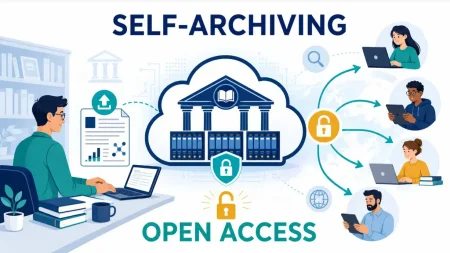
In the digital era, the role of libraries as equal access institutions has expanded significantly. Many libraries offer free internet access, computers, and licensed digital resources such as academic journals, e-books, and research databases. Academic libraries, for instance, provide students with access to subscription-based platforms like scholarly journal collections and institutional repositories, which are often too expensive for individual purchase. During examination periods or research projects, students frequently depend on these library-provided resources to complete assignments and theses. Public libraries similarly support job seekers by offering computer access for online job applications, government service portals, and résumé preparation.
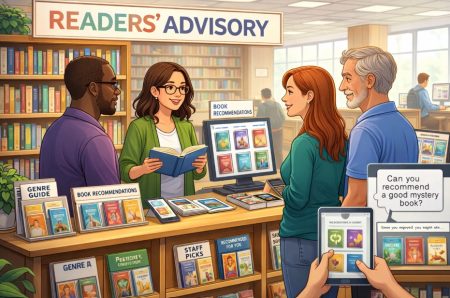
Libraries also promote equal access through professional assistance and inclusive services. Librarians guide users in searching catalogs, evaluating credible sources, and using digital tools, which is particularly beneficial for first-generation learners and individuals unfamiliar with academic or technological systems. In many communities, libraries organize orientation sessions, research skills workshops, and one-on-one reference support to help users overcome information barriers. By combining free access, technological support, and expert guidance, libraries function as practical and real-world mechanisms for reducing information inequality and ensuring that knowledge remains accessible to all members of society.
How Do Libraries Help Reduce the Information Gap in Society?
Libraries play a crucial role in reducing the information gap in society by ensuring that access to knowledge and information is not restricted by economic status, educational background, geographical location, or technological capability. In an era where information is a key driver of academic success, employment, and civic participation, unequal access to reliable information deepens existing social inequalities. Many individuals and communities remain disadvantaged because they lack access to books, digital resources, internet connectivity, or the skills required to navigate complex information systems. As inclusive and trusted institutions, libraries directly address these challenges by promoting information equity and social inclusion.
The information gap refers to the unequal distribution of opportunities to access, understand, and effectively use information. This gap is often visible between urban and rural populations, affluent and low-income communities, and digitally skilled and digitally excluded individuals. For example, students from privileged backgrounds may have personal devices, high-speed internet, and paid academic resources, while others depend entirely on shared or public facilities. Such disparities influence educational outcomes, career opportunities, and informed decision-making. By offering free access to both print and digital resources, libraries help minimize these inequalities and support equal opportunities for learning and development.
One of the most significant contributions of libraries is their role as equal access institutions. Public and academic libraries provide books, journals, newspapers, and electronic databases that many users could not otherwise afford. University libraries, for instance, offer access to expensive scholarly journals and research databases, enabling students and researchers from all backgrounds to participate in academic work on an equal footing. Public libraries support school students, job seekers, and lifelong learners by providing essential reading materials and reference services without cost. Through these services, libraries ensure that financial limitations do not become barriers to knowledge.
Libraries also play a vital role in addressing the digital divide, which is a major component of the information gap in modern society. Free internet access and computer facilities offered by libraries are often the only digital lifeline for many users. Job seekers frequently rely on library computers to search for employment, create résumés, and submit online applications. Similarly, individuals use library internet services to access e-government platforms, online education, and essential communication tools. By providing digital access, libraries enable users to participate more fully in an increasingly online world.
Beyond access, libraries actively empower users by developing their information and digital literacy skills. Access to information alone is insufficient if individuals lack the ability to evaluate sources, identify reliable information, and use it ethically. Academic libraries regularly conduct training sessions on research skills, database searching, citation practices, and plagiarism awareness, which are especially beneficial for first-generation university students. Public libraries offer basic computer and digital literacy programs for adults and senior citizens, helping them navigate online services and communication tools. These initiatives enhance users’ confidence and competence in using information effectively.
Libraries also serve marginalized and underserved communities by adapting services to local needs. Mobile libraries, outreach initiatives, and community-based programs extend information services to rural and remote areas where permanent library infrastructure may be limited or unavailable. In many regions, libraries collaborate with schools, non-governmental organizations, and local authorities to provide educational resources, health information, and vocational guidance. Additionally, libraries support users with disabilities by offering accessible formats such as audiobooks, large-print materials, and assistive technologies, ensuring inclusive access to information for all members of society.
As community-centered institutions, libraries function as knowledge hubs that promote lifelong learning and social engagement. They provide safe and welcoming spaces for reading, study, collaboration, and intellectual exchange. Libraries often organize workshops, lectures, and awareness programs on academic, social, and cultural topics, ensuring that accurate and reliable information reaches diverse audiences. Their role as neutral and trusted spaces also supports informed citizenship by providing access to government publications, legal information, and civic education resources.
In conclusion, libraries play a crucial role in bridging the information gap by ensuring equitable access to resources, promoting information and digital literacy, and supporting diverse and marginalized populations. In a rapidly evolving information landscape, libraries act not only as providers of information but also as guides who help individuals navigate and use knowledge responsibly. By bridging economic, educational, and technological divides, libraries contribute significantly to social equity, informed citizenship, and the development of a more inclusive, knowledge-based society.