
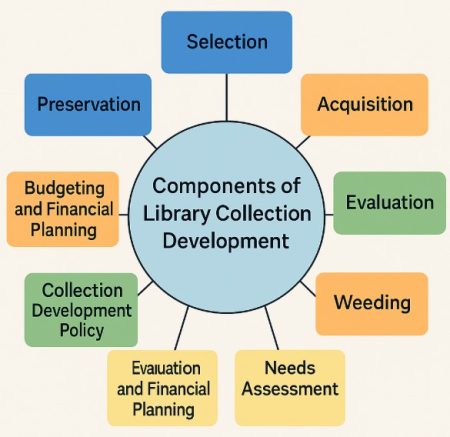
The selection of materials for a library collection is a fundamental process that shapes the library’s resources to meet the needs of its users. It involves the careful evaluation and acquisition of books, journals, digital resources, and other materials that align with the library’s mission and the diverse interests of its community. Selection is guided by various factors such as user needs, the quality and authority of the material, currency, format, budget, and the library’s overall goals. For example, an academic library at a university may prioritize textbooks, scholarly journals, and specialized research papers in fields like engineering or medicine to support the curriculum and research needs of students and faculty. Public libraries, on the other hand, may focus on acquiring a broad range of fiction, non-fiction, children’s books, and local history materials to engage and serve the diverse needs of the community.
Selection is also influenced by the quality and authority of the material. In academic libraries, for instance, materials like peer-reviewed journal articles and textbooks from well-known publishers are essential to ensure the credibility and reliability of the resources. For public libraries, materials should be engaging, accurate, and accessible to a wide audience, with a focus on current bestsellers, educational content, and materials that reflect diverse cultural perspectives. Ultimately, the selection process ensures that the library provides valuable and relevant resources, facilitating the pursuit of knowledge, personal development, and intellectual freedom for all its users.
Factors to Consider When Selecting Materials for a Library Collection
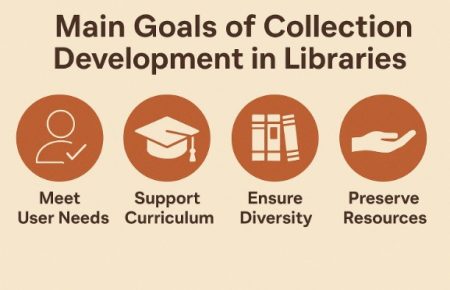
The selection of materials for a library collection is a vital and strategic process that directly impacts the library’s ability to meet the needs of its users. A well-curated collection ensures that the library provides relevant, diverse, and high-quality resources to support educational, recreational, and informational needs. To achieve this, librarians must consider a variety of factors when selecting new materials. Below are the key factors that should be taken into account during the selection process.
- User Needs and Community Demographics: Understanding the needs of the library’s user base is the first and most important factor in material selection. Libraries serve a wide variety of users, each with unique informational, educational, and recreational needs. For example, academic libraries typically prioritize resources that support the curriculum, scholarly research, and academic learning, while public libraries need to offer a broader range of materials to cater to the general public.
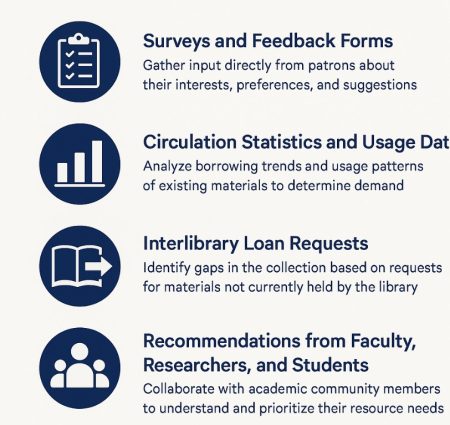
Demographic factors such as age, educational background, cultural diversity, and community interests should guide the selection process. Public libraries may prioritize materials for children and young adults, while academic libraries may focus on specialized research materials. Regular surveys, user feedback, and analysis of circulation data can help libraries identify and meet the needs of their users more effectively. - Library’s Mission and Purpose: Every library has a unique mission, whether it is to support research, promote lifelong learning, or offer recreational reading. Materials selected for the collection should align with the library’s core objectives and support its overarching goals. For instance, an academic library’s primary focus will be on acquiring materials that support higher education and research activities, such as textbooks, journals, and reference materials. Public libraries, by contrast, may aim to provide a wide variety of materials that serve as entertainment, education, and community engagement.
Ensuring that selected materials align with the library’s mission helps maintain a focused and purposeful collection that directly supports its intended role within the community. - Quality and Credibility of the Material: The quality and authority of the materials being considered for inclusion are essential. Librarians must assess the reliability, accuracy, and reputation of the resource to ensure it meets the standards of the library. This is particularly important for academic libraries, where the reliability of materials is crucial to support scholarly work and research.
Books, journals, and other resources should come from reputable authors, publishers, or organizations that are known for producing high-quality and authoritative content. Materials must also be free of factual errors, plagiarism, or bias, and they should present information in an objective and professional manner. - Currency and Relevance: As knowledge and information evolve rapidly, the currency of the materials in the collection is another critical factor. Libraries must ensure that they provide access to up-to-date resources that reflect the latest trends, research, and developments in various fields.
For academic libraries, this is especially important in fields like science, technology, and medicine, where outdated materials can hinder the learning and research process. Public libraries may also need to focus on acquiring the latest popular fiction, non-fiction, and multimedia resources to keep the collection fresh and relevant to current community interests.
However, certain resources, such as classic texts or historical documents, may not require frequent updates but still remain valuable. Balancing current and enduring resources is key to maintaining a well-rounded collection. - Formats and Accessibility: The format of materials is another important consideration. Traditional print materials, such as books and journals, continue to be the foundation of most library collections. However, digital formats, such as e-books, audiobooks, and online journals, are increasingly essential due to their convenience, accessibility, and popularity among users.
Librarians must consider the diverse preferences of library users, who may prefer digital formats for their portability and ease of access, or print formats for their tactile experience. Furthermore, materials must be accessible to users with disabilities, which includes offering resources that comply with accessibility standards, such as books with large print, audio versions, or digital content that is compatible with screen readers.
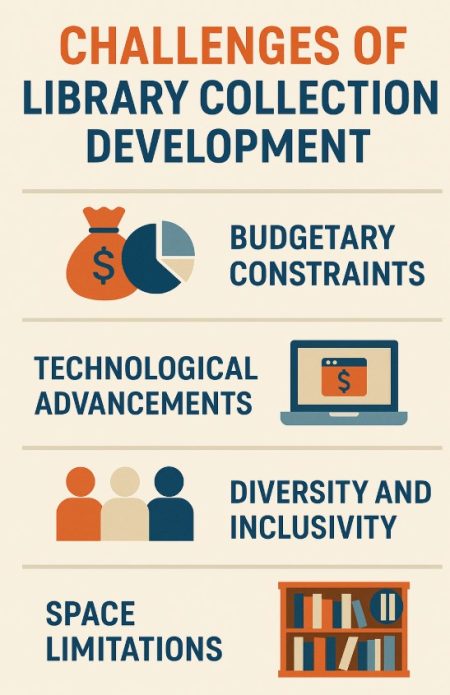
Providing a mix of formats ensures that all users can access materials in a way that suits their preferences and needs. - Budget and Cost Considerations: Libraries often operate under strict budgetary constraints, making cost a crucial factor in the selection process. It is essential to balance the need for high-quality, up-to-date resources with the available financial resources. Libraries must make strategic decisions about what to acquire based on the materials’ value to the user community.
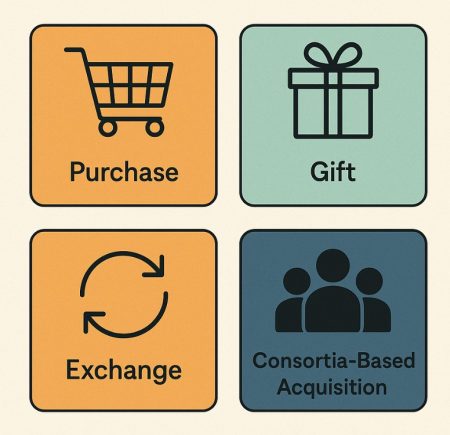
For example, libraries may explore cost-effective purchasing options, such as consortial agreements with other institutions, subscription packages, or open-access resources that provide free access to scholarly articles and research. Additionally, librarians may need to prioritize purchasing core resources that will benefit the greatest number of users while eliminating unnecessary or redundant materials. - Diversity and Inclusivity: Building a diverse and inclusive collection is an essential goal of library collection development. Libraries have a responsibility to represent the full spectrum of human experience, including diverse cultural, racial, gender, and socio-economic perspectives. Ensuring diversity in the materials selected for the collection fosters a welcoming environment where all community members feel represented and valued.
Librarians should prioritize acquiring works by authors from marginalized groups, resources that reflect diverse perspectives, and materials that address a variety of social, cultural, and political issues. A diverse collection promotes a culture of inclusivity and ensures that the library serves as an equitable resource for all users. - Intellectual Freedom and Balance: Intellectual freedom is a cornerstone of library services, and materials selected for the collection must represent a wide range of viewpoints and ideas. Libraries should ensure that their collections provide balanced perspectives, especially on controversial or sensitive topics.
This allows users to engage with differing viewpoints and form their own conclusions. Libraries should avoid censoring materials based on political, social, or ideological considerations and instead focus on offering a diverse array of voices and perspectives. A balanced collection encourages critical thinking, discussion, and the free exchange of ideas. - Space and Physical Constraints: Finally, physical space is a practical consideration when selecting materials for a library collection. Libraries must assess how much space is available for new acquisitions and how materials will be stored, organized, and accessed. For print materials, shelving space can become limited, requiring libraries to make decisions about weeding outdated or underused materials to make room for new ones.
In digital libraries, space constraints are less of an issue, but management of digital content and ensuring easy access through catalogs and systems are still essential. The physical organization and digital management of resources must be factored into the selection process.
Selecting materials for a library collection is a complex and thoughtful process that requires librarians to balance a variety of factors. By considering user needs, library missions, quality, currency, format, budget, diversity, and accessibility, libraries can curate collections that are both relevant and valuable to their communities. A well-rounded collection enhances the library’s role as a vital resource for learning, research, and community engagement. Through careful material selection, libraries continue to support the intellectual and cultural development of society.




1 Comment
what are the three things to consider when selecting materials?
what do you understand by selection and acquisition?