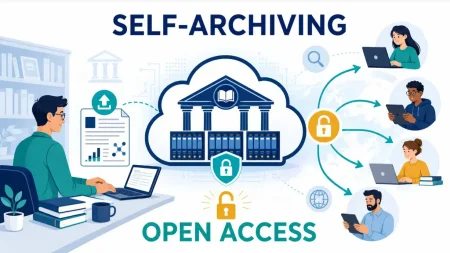
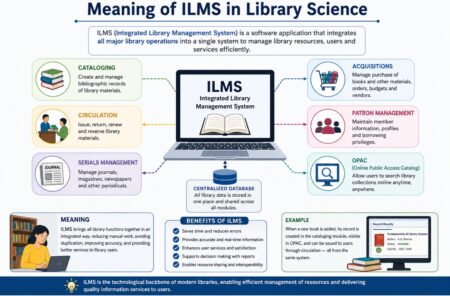
Professional skills are critically important in modern librarianship because libraries have evolved far beyond their traditional role as book‐lending institutions into dynamic centers for information access, learning, research, and digital engagement. Today’s librarians operate in environments shaped by rapid technological change, expanding digital resources, and increasingly diverse user needs. For example, a professional librarian must be skilled in using integrated library systems, digital repositories, and online databases to efficiently organize and retrieve information. When a student or researcher seeks scholarly articles, the librarian’s expertise in advanced database searching and keyword strategies ensures quick access to relevant and credible resources.
In addition, professional skills enable librarians to function as educators, technology facilitators, and research partners, rather than merely as passive custodians of collections. Strong communication and instructional skills are essential when librarians conduct orientation programs, information literacy workshops, or training sessions on citation management tools such as reference managers. For instance, guiding students on how to evaluate the reliability of online sources or avoid plagiarism requires both subject knowledge and effective teaching skills. Similarly, digital literacy skills enable librarians to assist users in accessing e-books, remote databases, or institutional repositories.
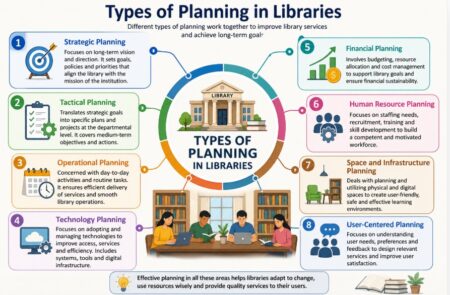
Management, leadership, and problem-solving skills are also vital in modern library operations. A librarian involved in planning new services, such as implementing a digital library platform or reorganizing reading spaces, must apply project management and decision-making skills to ensure successful outcomes. Ethical and professional skills play a crucial role as well; for example, librarians must protect user privacy when handling borrowing records or online search histories and ensure fair access to information for all users. Overall, professional skills equip librarians to adapt to change, meet user expectations, and contribute meaningfully to education and research, making them indispensable in contemporary librarianship.
What Are the Essential Skills Required for a Professional Librarian?
In the modern information environment, the role of a professional librarian has expanded far beyond the traditional responsibilities of acquiring, organizing, and lending books. Today’s librarians serve as information specialists, educators, technology facilitators, research partners, and managers of both physical and digital resources. To perform these diverse roles effectively, a professional librarian must possess a broad set of essential skills that combine technical expertise, intellectual abilities, interpersonal competence, and ethical awareness. These skills enable librarians to meet the changing needs of users and ensure that libraries remain relevant and effective in the digital age.
- Information Organization and Management Skills: One of the most fundamental skills required for a professional librarian is the ability to organize and manage information efficiently. This includes knowledge of classification systems, cataloging standards, metadata creation, and indexing techniques. Librarians use these skills to ensure that information resources-whether books, journals, theses, or digital objects-are easily discoverable and accessible. For example, proper cataloging and subject analysis allow users to locate materials quickly through an online public access catalog or digital repository, saving time and improving the overall user experience.
- Digital and Technological Skills: Digital competence has become essential in modern librarianship due to the rapid growth of electronic resources and information technologies. Professional librarians must be skilled in using integrated library systems, digital libraries, institutional repositories, and database platforms. They are often required to manage e-journals, e-books, and online databases, as well as support remote access services. For instance, assisting a researcher in accessing full-text articles from subscription databases or managing a digital archive of institutional publications requires strong technical knowledge and adaptability to new tools.
- Information Literacy and Research Skills: Professional librarians play a crucial role in developing users’ information literacy skills. This requires the ability to teach users how to search for information effectively, evaluate sources critically, and use information ethically. Librarians support students and researchers by guiding them in selecting appropriate databases, refining search strategies, and understanding citation practices. For example, helping a postgraduate student identify peer-reviewed articles and avoid plagiarism demonstrates the librarian’s research support and instructional skills.
- Communication and User Service Skills: Effective communication is a core skill for professional librarians, as they interact with users from diverse academic, cultural, and professional backgrounds. Librarians must listen carefully to users’ needs, explain complex information clearly, and provide guidance in a friendly and professional manner. Strong user service skills are particularly important at reference desks, during orientations, and in training sessions. For example, a librarian assisting first-year students during a library orientation must communicate clearly and patiently to build users’ confidence in using library resources.
- Teaching and Instructional Skills: Modern librarians frequently act as educators by conducting workshops, training programs, and instructional sessions. Teaching skills enable librarians to design learning materials, deliver presentations, and assess users’ learning outcomes. For instance, organizing a workshop on effective database searching or reference management requires the librarian to structure content logically and present it in an engaging way. These skills help users become independent and confident information seekers.
- Management and Organizational Skills: Management and organizational skills are essential for librarians involved in planning, coordinating, and evaluating library services. These skills include time management, resource allocation, policy development, and supervision of staff. Librarians often manage multiple tasks simultaneously, such as coordinating services, maintaining collections, and organizing events. For example, implementing a new library service or managing a collection development project requires careful planning and coordination to ensure efficient use of resources.
- Leadership and Teamwork Skills: Professional librarians often work as part of a team and, in many cases, lead projects or service units. Leadership skills help librarians motivate colleagues, manage change, and contribute to institutional goals. At the same time, teamwork skills are essential for collaborating with faculty, researchers, IT staff, and administrators. For example, developing a digital library or launching a research support service often requires close collaboration across departments.
- Ethical, Legal, and Professional Skills: Ethical awareness is a cornerstone of professional librarianship. Librarians must uphold principles such as intellectual freedom, equal access to information, user confidentiality, and respect for copyright laws. Knowledge of ethical standards and legal issues ensures responsible information handling. For instance, protecting users’ borrowing records or guiding students on proper citation practices reflects the librarian’s professional integrity and ethical responsibility.
- Critical Thinking and Problem-Solving Skills: Professional librarians frequently encounter challenges related to information access, user needs, and resource limitations. Critical thinking and problem-solving skills enable them to analyze situations, evaluate alternatives, and implement effective solutions. For example, resolving access issues with electronic resources or adapting services to meet changing user demands requires thoughtful analysis and practical decision-making.
- Continuous Learning and Professional Development: Ultimately, a commitment to lifelong learning is a crucial skill for professional librarians. The information landscape is constantly evolving, and librarians must continuously update their knowledge and skills to remain effective. Participating in training programs, workshops, and professional networks allows librarians to stay informed about new trends, technologies, and best practices. This ongoing development ensures that librarians can respond proactively to future challenges.
The essential skills required for a professional librarian encompass a wide range of competencies, including information management, digital literacy, research support, communication, teaching, management, ethics, and critical thinking. Together, these skills enable librarians to adapt to change, support users effectively, and contribute meaningfully to education, research, and knowledge dissemination. In an era of rapid technological advancement and information overload, professionally skilled librarians are indispensable to the success and sustainability of modern libraries.
What Distinguishes a Professional Librarian from a Traditional Library Worker?
A professional librarian is distinguished from a traditional library worker primarily by the depth of education, scope of responsibilities, and level of professional judgment involved in their role. While traditional library workers often focus on routine operational tasks such as shelving books, issuing and returning materials, or maintaining physical order within the library, professional librarians are trained specialists with formal education in library and information science. This academic and professional training equips them with theoretical knowledge and practical skills related to information organization, research methods, digital resource management, and user education. As a result, professional librarians are responsible not only for managing collections but also for designing information services that support learning, research, and institutional goals.
Furthermore, professional librarians play an active intellectual and strategic role within the library. They analyze user needs, develop policies, select and evaluate information resources, and integrate new technologies into library services. For example, a professional librarian may guide researchers in advanced database searching, teach information literacy classes, manage digital repositories, or ensure compliance with copyright and ethical standards. In contrast, traditional library workers usually operate under established guidelines and supervision, with limited involvement in decision-making or service development. Overall, the professional librarian’s role is defined by expertise, autonomy, ethical responsibility, and a commitment to continuous professional development, which collectively distinguish them from traditional library workers in modern librarianship.