
Electronic Resources in Libraries
Electronic resources in libraries have become indispensable tools in the modern information landscape. These resources encompass a broad range of digital content, including e-books, online journals, databases, multimedia files, and more. Unlike traditional print materials, electronic resources are accessed via digital devices, such as computers, tablets, and smartphones, making them more versatile and accessible to users anytime and anywhere, provided there is an internet connection. One of the key advantages of electronic resources is their ability to offer real-time access to a vast array of information without the limitations of physical space or geographical boundaries.
Libraries rely on various types of electronic resources to meet the needs of their users. Databases, for example, provide access to academic articles, research papers, and scholarly content across disciplines, enabling users to conduct thorough and up-to-date research. E-books and e-journals serve as convenient alternatives to physical texts, offering searchability, portability, and often, the ability to access entire collections with ease. Furthermore, multimedia resources such as educational videos, podcasts, and interactive learning modules have become significant in supporting diverse learning styles and enhancing digital literacy.
One of the primary benefits of electronic resources is their convenience. They allow for faster and more efficient information retrieval, which is particularly important in academic and research settings where time is often a crucial factor. Additionally, many electronic resources offer features like keyword search, cross-referencing, and hyperlinks that significantly enhance the research process. Electronic resources also have a reduced physical footprint compared to traditional resources, eliminating the need for large storage spaces and reducing the overhead costs associated with physical cataloguing, shelving, and maintenance. However, despite their many advantages, electronic resources come with their own set of challenges. One such challenge is the need for technological infrastructure, which includes reliable internet access, hardware, and software tools. There is also the issue of digital preservation, as electronic materials can be prone to corruption, obsolescence, or loss of access due to expired licenses or outdated formats. Additionally, while electronic resources offer vast quantities of information, they also require users to develop a different set of skills for navigation and critical evaluation, as online content can vary widely in terms of quality and credibility.
Traditional Library Resources
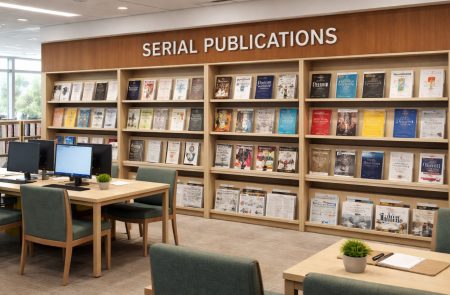
Traditional library resources have been the backbone of libraries for centuries, providing foundational support for education, research, and learning. These resources primarily consist of physical materials, such as books, journals, newspapers, manuscripts, maps, and audiovisual recordings, which are stored, organized, and made accessible within the library’s physical space. While electronic resources have become increasingly prevalent, traditional resources continue to play a significant role in many library collections, especially for historical, archival, and tangible research materials.
One of the primary characteristics of traditional library resources is their physicality. Books, for example, are tangible objects that users can hold, read, and engage with in a direct, sensory way. This physical engagement offers certain advantages, such as the ability to highlight, annotate, and physically navigate through pages. Traditional resources also often have historical value, as many older texts, rare manuscripts, and archival materials are only available in physical form. These resources serve as vital primary sources for research in fields such as history, literature, and the humanities, where the materiality of a text can add to its scholarly significance.
Traditional library resources also foster a sense of community and shared space. The physical layout of libraries, with shelves filled with books and dedicated spaces for reading and studying, provides an environment conducive to focused academic work and learning. The personal interactions between library staff and users are another unique aspect of traditional resources, as staff can provide hands-on assistance in locating, borrowing, and understanding physical materials. These interactions also often include expert curation, where librarians curate collections based on expertise and subject knowledge, ensuring that the materials are relevant and beneficial to users. However, the use of traditional resources does come with some limitations. One of the most obvious challenges is the physical space required to store and organize these materials. Libraries with large collections must continually manage and optimize their physical space, which can become overcrowded, especially when dealing with older, less frequently used materials. Additionally, the time-consuming nature of browsing, checking out, and returning physical materials, as well as the limited access to resources outside of library hours, contrasts sharply with the on-demand nature of electronic resources. Traditional resources also face challenges in terms of preservation, as physical materials can degrade over time due to wear and tear, environmental factors, and the limitations of paper-based storage.
Differences between Electronic Resources and Traditional Resources
The advent of technology and the rise of digital information have brought about significant changes in the way we access and utilize resources. The difference between electronic resources and traditional library resources lies in their format, accessibility, collection size, search capabilities, and overall user experience. Electronic resources encompass a wide range of digital materials, accessible through computers or devices with internet connectivity. They offer the advantage of remote access, instant availability, and advanced search functionalities. On the other hand, traditional library resources refer to physical materials, such as books, magazines, newspapers, and reference materials, found within the physical space of a library. They provide a tangible experience, requiring users to visit the library and interact with the physical items. While electronic resources offer convenience and an extensive digital collection, traditional library resources offer a unique atmosphere and a hands-on approach to accessing information. Understanding the differences between these two types of resources is crucial for individuals seeking the most suitable means of obtaining knowledge and conducting research.
Some of the key differences between Electronic Resources and Traditional Resources in a library are given below:
| Electronic Resources | Traditional Library Resources | |
|---|---|---|
| Format and Accessibility | These are digital materials that can be accessed via computers, tablets, smartphones, and other digital devices. Examples include e-books, online journals, databases, and multimedia files. They are typically accessible remotely via the internet, allowing users to access them at any time and from anywhere. |
These are physical materials, such as books, print journals, newspapers, maps, and physical archives, that require users to visit the library in person to access them. They are often confined to the library’s physical location or require a specific storage system. |
| Storage and Space Requirements | Electronic resources require digital storage, which can be vast and compact. They do not require physical shelf space, as they are stored on servers, cloud systems, or other digital repositories. | Physical materials require physical space for storage, such as bookshelves, file cabinets, and dedicated archive rooms. Libraries must manage their physical space to accommodate these resources, often facing space limitations as collections grow. |
| Access and Retrieval | These resources can be searched and accessed instantly through digital interfaces. Features such as keyword search, hyperlinks, and cross-referencing make retrieval fast and efficient. | Accessing traditional resources often involves browsing physical shelves or catalogues, which can be time-consuming. The retrieval process is more linear, requiring physical handling of the materials and sometimes assistance from library staff. |
| Cost and Maintenance | While the initial investment in digital infrastructure (e.g., licensing, databases, servers) can be high, electronic resources generally have lower ongoing maintenance costs, as they do not require physical upkeep, such as binding, shelving, or replacement due to wear and tear. | The acquisition of physical resources can involve significant costs, especially for rare or specialized materials. These resources also require continuous physical maintenance, including repairs, reorganization, and preservation efforts to prevent degradation over time. |
| User Experience | Users interact with digital materials via digital interfaces, which can provide additional features like bookmarking, highlighting, and annotating. However, electronic resources require users to be proficient with technology and internet navigation. | Users physically interact with traditional materials, often in a tactile way. Reading a physical book or handling a printed journal can offer a different, sometimes more focused, experience. However, access is limited to the library’s hours and location. |
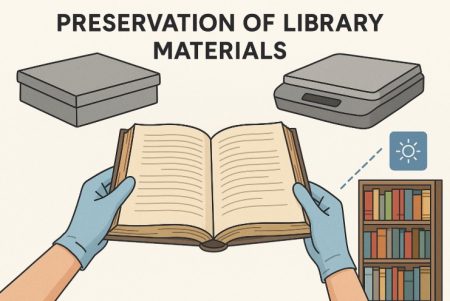
| Preservation and Longevity | Digital resources are susceptible to issues like data corruption, file format obsolescence, and the potential for access loss due to expired licenses or technology changes. Long-term preservation requires ongoing digital management and updates to keep formats accessible. | Physical materials can degrade over time due to environmental factors like humidity, light, and handling. They require preservation methods such as climate-controlled storage and conservation techniques to extend their life. |
| Copyright and Licensing | Access to electronic resources often involves licensing agreements, which may limit the number of simultaneous users or the duration of access. Users may face restrictions on downloading, sharing, or printing content. | Traditional materials are usually not bound by such complex licensing terms, but copyright issues still exist for published works, especially if they are reproduced or digitized. |
How Electronic Resources in Libraries Improve Access to Information Compared to Traditional Resources
In the evolving landscape of information access, electronic resources have significantly transformed how users interact with library materials. The shift from traditional resources to digital formats in libraries has brought about substantial improvements in terms of accessibility, convenience, and efficiency. This article explores the ways in which electronic resources enhance access to information compared to their traditional counterparts.
- Remote Access and Convenience: One of the most significant benefits of electronic resources is the ability to access them remotely. Unlike traditional resources, which require users to be physically present in the library, electronic materials can be accessed from anywhere, at any time, as long as there is an internet connection. This is particularly advantageous for students, researchers, and faculty who may not have the time or ability to visit the library in person. Whether it’s a late-night study session or a researcher working across time zones, digital access ensures that library users can retrieve necessary information whenever needed.
Moreover, the convenience of accessing these resources from personal devices, such as computers, tablets, or smartphones, removes barriers tied to physical space and operating hours. Traditional resources, by contrast, are confined to the library’s physical location and often require users to check materials in and out, limiting access during library hours. - Instant Information Retrieval: Electronic resources significantly improve the speed and efficiency with which information can be retrieved. With digital materials, users can quickly search for specific keywords, phrases, or topics across vast databases or e-books. Advanced search features allow for immediate results, highlighting relevant sections within texts and providing links to related content. This makes locating needed information faster compared to traditional resources, where users must manually browse physical books, journals, or catalogues, often spending valuable time searching through multiple volumes or indexes.
Moreover, digital platforms often provide direct access to full-text articles, studies, and publications, which eliminates the need for interlibrary loans or waiting for physical materials to be retrieved from storage. This on-demand feature enhances the overall research process, providing immediate access to the most up-to-date information available. - Wider Availability of Resources: Electronic resources allow libraries to vastly expand their collections beyond the physical limitations of shelf space. In traditional libraries, the number of copies of a book or journal is constrained by the physical size of the collection and the library’s budget. Electronic resources, however, can be stored in digital formats that require minimal physical space and can be scaled to accommodate massive collections of e-books, research papers, and databases.
For example, a library can host an unlimited number of e-books or subscribe to a vast range of academic journals without worrying about running out of space or purchasing multiple copies. Furthermore, digital subscriptions often provide access to a wider variety of resources across disciplines, giving users access to materials that might not be available in physical format due to budgetary or space limitations. - Cross-Referencing and Hyperlinking: The digital nature of electronic resources enables cross-referencing and hyperlinking, enhancing users’ ability to explore related content seamlessly. For instance, when reading an academic article or research paper, users can click on hyperlinks to access cited works, reference materials, or related publications. This interconnected structure allows users to build a more comprehensive understanding of a topic by following a trail of sources, which is a feature difficult to replicate with traditional print resources.
Additionally, databases and digital platforms often include bibliographies, citation tools, and linked content that simplify the process of finding and verifying information. This interactivity and ease of navigation support more thorough and efficient research, offering an integrated learning experience that traditional physical resources cannot provide. - Multimedia Resources and Enhanced Formats: Electronic resources also allow for the inclusion of multimedia content, such as videos, podcasts, and interactive simulations, which cannot be replicated by traditional printed materials. These resources enhance the learning experience by catering to diverse learning styles, whether visual, auditory, or kinesthetic. For example, instructional videos or interactive quizzes can provide practical, hands-on experience for students in a way that textbooks and physical lectures cannot.
Digital resources can also include animations, diagrams, and charts that help clarify complex topics, making them more accessible and easier to understand. This multimedia aspect is particularly beneficial in educational contexts, where it supports engagement and can improve comprehension of difficult or abstract concepts. - Continuous Updates and Real-Time Access: Unlike traditional printed materials, which may take years to be updated with new editions or revisions, electronic resources can be updated in real-time. E-journals, databases, and other online content are often continuously updated with the latest research, articles, and publications, providing users with access to the most current information available. This is particularly important in fields like science, technology, and medicine, where information evolves rapidly, and access to the latest findings is essential.
Additionally, digital platforms can automatically notify users of new content, updates, or publications that match their interests or search history. This ensures that library users are always informed about the latest developments in their field of study, without needing to search for new resources manually. - Cost and Space Efficiency: In terms of cost-effectiveness and space management, electronic resources offer significant advantages over traditional resources. With traditional books, journals, and magazines, libraries must invest in physical storage, maintenance, and repair costs. Over time, print materials can wear out, become outdated, or need to be replaced, creating additional costs for libraries.
In contrast, electronic resources, once acquired, typically require less physical space and incur lower long-term maintenance costs. Since digital content can be accessed by multiple users simultaneously, there is no need to purchase multiple copies of the same material, which reduces overall expenditure. Additionally, libraries no longer need to allocate significant space for shelving, cataloguing, or preserving physical items, freeing up space for other services or materials. - Improved Accessibility Features: Electronic resources come with built-in accessibility features that make them usable by individuals with diverse needs. Digital content can be read aloud using text-to-speech software, and users can adjust font sizes, contrast settings, or background colours to suit their preferences. For individuals with disabilities, these features are crucial in making information accessible in a way that traditional printed materials cannot match.
Furthermore, many digital platforms include language translation tools and offer content in multiple languages, making it easier for non-native speakers to access information. These tools contribute to making libraries more inclusive and better equipped to serve a wider range of users.
Electronic resources have fundamentally transformed the way libraries provide access to information. By offering remote access, faster retrieval, a broader range of materials, real-time updates, and interactive features, they significantly improve how users access and engage with information. While traditional resources continue to hold value, especially for historical content and physical experiences, the advantages of electronic resources are undeniable. Libraries that embrace these digital tools are better positioned to support the evolving needs of users, fostering a more efficient, accessible, and enriched learning environment. As the digital landscape continues to evolve, electronic resources will play an even more central role in shaping the future of library services.



4 Comments
THANK YOU
thank u very much
Thanks for the heads up
Thanks a lot you just help me with the right information for my assignment