
Library collection development is a fundamental aspect of library management that involves the systematic process of selecting, acquiring, organizing, and maintaining resources to meet the informational, educational, and recreational needs of library users. It encompasses a wide range of materials, including books, journals, electronic resources, audiovisual media, and archival collections. For example, in an academic library, collection development might focus on acquiring textbooks, scholarly journals, and digital archives that support the university’s academic programs and research projects. Similarly, public libraries may prioritize a diverse range of fiction, non-fiction, audiobooks, and digital media that cater to the interests of the community, including children’s books, popular novels, and local history resources.
The goal of collection development is not only to support the current needs of library users but also to anticipate future trends and demands, ensuring that the collection remains relevant and valuable over time. A well-developed collection is essential for enhancing the library’s role in supporting academic research, fostering learning, and promoting intellectual growth. For instance, in response to the growing demand for e-books and online databases, many libraries have shifted a significant portion of their collections to digital formats, allowing users to access resources remotely. The process involves a combination of thoughtful selection, budgetary considerations, and adherence to library policies and ethical standards.
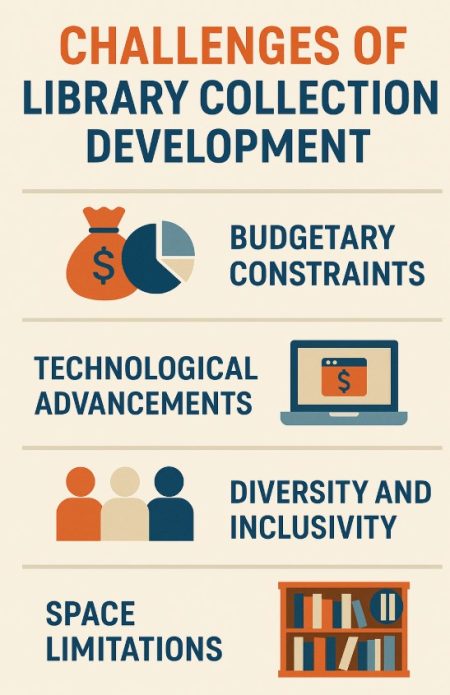
Library professionals must balance various factors such as diversity, inclusivity, budget limitations, and technological advancements while continuously assessing the effectiveness and relevance of the collection. For example, a library may conduct a periodic assessment to identify underrepresented areas in its collection, such as materials related to specific cultural groups, and ensure that resources are available to meet the needs of all patrons. Ultimately, effective collection development ensures that a library remains a dynamic and indispensable resource for its community, adapting to changing needs and technologies.
What is Library Collection Development?
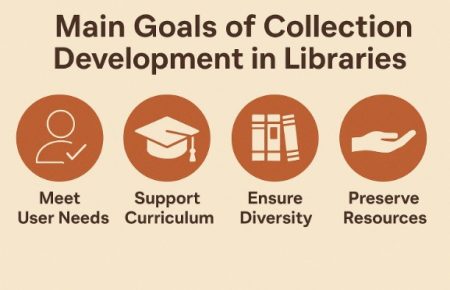
Library collection development is a strategic process through which libraries select, acquire, organize, and maintain resources that serve the informational, educational, and recreational needs of their users. This process encompasses a broad array of materials, including books, journals, digital resources, multimedia, and archival collections. Collection development is central to the library’s role in supporting research, learning, and knowledge dissemination, as it ensures that the library’s holdings align with the needs of its community, whether academic, public, or specialized.
The selection of materials is driven by a variety of factors, such as the library’s mission, budgetary constraints, user demand, and emerging trends in education and technology. For instance, academic libraries may focus on acquiring scholarly journals, textbooks, and electronic databases that support academic research and curriculum needs, while public libraries may emphasize a diverse collection of fiction, non-fiction, audiobooks, and digital media for a general audience. As technology advances, libraries are increasingly incorporating digital resources like e-books, online journals, and databases to meet the demand for remote access and broader outreach.
An essential part of collection development is evaluation, which ensures that the collection remains relevant and up-to-date. This includes weeding outdated or damaged materials, and, in some cases, removing resources that no longer align with the library’s focus. Collection development also involves ensuring that the library’s holdings are diverse and inclusive, reflecting a wide range of perspectives, disciplines, and cultural backgrounds. By continuously assessing user needs, technological advancements, and content trends, libraries can adapt their collections to serve the evolving demands of their communities. Ultimately, library collection development plays a critical role in enhancing the library’s value and impact as a resource for learning, research, and community engagement.
Why is Collection Development Important for a Library?
Collection development is a crucial aspect of library management that ensures a library’s resources meet the informational, educational, and recreational needs of its users. It involves selecting, acquiring, organizing, and maintaining a diverse range of materials, including books, journals, e-books, multimedia, and archival collections. In academic libraries, collection development plays a pivotal role in supporting the curriculum and research needs of students and faculty. A well-developed collection enables access to scholarly journals, textbooks, and research databases, facilitating academic inquiry and student success. In public libraries, the focus shifts to offering a variety of materials that cater to a wide range of interests and demographics. Whether it’s fiction, non-fiction, children’s books, or local archives, collection development ensures that libraries provide resources that engage and educate the community.
As technology advances, collection development must also adapt to include digital resources such as e-books, online journals, and multimedia materials. These resources allow users to access information remotely and on-demand, increasing accessibility and convenience. Libraries are now able to offer resources in a variety of formats, ensuring that they remain relevant in an increasingly digital world. Another important aspect of collection development is the ongoing evaluation of the collection to maintain its quality and relevance. Librarians carefully select materials based on criteria like academic rigor, cultural significance, and community needs. Periodic weeding of outdated or irrelevant materials ensures that the collection remains current and valuable.
Moreover, collection development supports inclusivity and diversity by ensuring that the library’s collection reflects a wide range of perspectives and experiences. This includes acquiring materials that represent underrepresented groups and provide diverse viewpoints. Additionally, library professionals must balance the library’s budgetary constraints with the need to provide resources that meet the varying needs of the community. Effective collection development requires making strategic decisions on which materials to acquire, ensuring that funds are used efficiently while still providing access to valuable resources. Ultimately, collection development is a vital process that enables libraries to serve their communities, support learning and research, and remain essential in a rapidly changing information landscape.
How Collection Development Contributes to the Overall Mission of a Library
Collection development is a key component of a library’s overall mission, ensuring that its resources align with the needs and interests of its community. This process is crucial for supporting the educational, informational, and recreational goals of the library. In academic libraries, collection development directly contributes to supporting the curriculum, research, and scholarly activities of students, faculty, and researchers. By acquiring textbooks, scholarly journals, electronic databases, and primary source collections, academic libraries help fulfill their mission to promote academic success and contribute to the institution’s educational objectives. For public libraries, collection development plays a vital role in fostering community engagement and lifelong learning. By offering a diverse selection of materials, including fiction, non-fiction, audiobooks, movies, and digital content, public libraries ensure that they serve the needs of individuals of all ages and backgrounds, encouraging reading, self-improvement, and intellectual growth. Additionally, public libraries often include local history archives, which help connect the community to its cultural heritage.
As technology advances, collection development helps libraries remain adaptable and relevant by incorporating digital resources that cater to the changing needs of users. Academic libraries, for example, increasingly offer e-books, online databases, and multimedia content, ensuring that students and faculty can access resources remotely. Public libraries, too, embrace digital lending platforms, allowing users to borrow e-books, audiobooks, and other media. This adaptability helps libraries maintain their relevance and support learning, research, and entertainment in convenient ways. Furthermore, collection development promotes inclusivity and diversity by ensuring that a library’s collection reflects a wide range of perspectives, cultures, and ideas. By selecting materials that represent underrepresented groups and address various global issues, libraries can serve all members of their community, reinforcing the mission to provide equitable access to information.
In addition to meeting immediate needs, collection development also ensures the long-term sustainability of library resources. Libraries carefully plan their acquisitions, balancing budget limitations with the need for future growth. This includes evaluating the relevance of materials and removing outdated or underused items through weeding or deaccessioning, ensuring that the collection remains dynamic and responsive to changing user needs. Ultimately, collection development is essential to a library’s ability to fulfill its mission. Through strategic selection and continuous evaluation, libraries can support academic goals, foster community engagement, adapt to new technologies, and promote inclusivity, ensuring they remain vital and indispensable resources for their communities.
What Are the Key Components or Stages of the Library Collection Development Process?
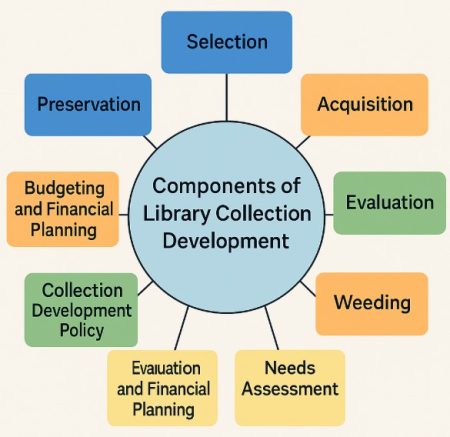
Library collection development is a dynamic and essential process that ensures libraries acquire, organize, and maintain resources that serve the needs of their users. This process involves multiple key components and stages that work together to create a well-balanced, relevant, and sustainable collection. From identifying user needs to selecting and evaluating materials, each stage plays a crucial role in ensuring that the collection supports the library’s mission and meets the demands of its community. Here are the key components and stages of the library collection development process.
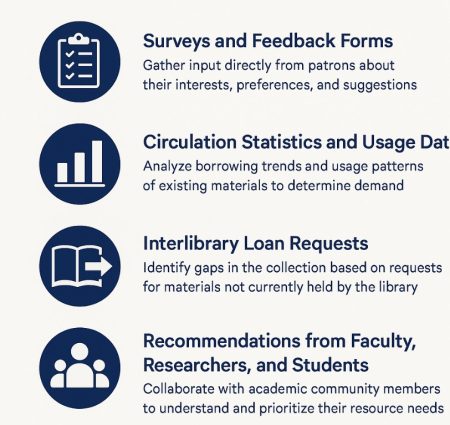
- Needs Assessment and Planning: The first stage of collection development is understanding the needs of the library’s users. This involves conducting a needs assessment, which may include surveys, user feedback, academic curriculum analysis (for academic libraries), and community engagement (for public libraries). The goal is to determine the types of materials required, whether they are print, digital, or multimedia resources, and what specific topics, subjects, or formats are in demand. For academic libraries, this step might involve collaborating with faculty to ensure that the collection supports teaching and research priorities. For public libraries, it might include analyzing demographic trends and understanding the cultural and recreational needs of the community. Based on the needs assessment, the library can begin to form a collection development plan, which outlines priorities, goals, and strategies for acquiring materials that align with user demands.
- Selection of Materials: Once the needs are assessed and priorities are established, the next stage involves the selection of materials. This stage requires the careful evaluation of resources based on various criteria, such as relevance, quality, accessibility, and budget constraints. Librarians often rely on a variety of selection tools, including publisher catalogs, book reviews, subject bibliographies, and academic databases, to identify potential materials. They also take into consideration the scope and purpose of the collection. For instance, academic libraries may focus on acquiring scholarly journals, research databases, and textbooks, while public libraries may prioritize popular fiction, children’s books, and multimedia content. The selection process also involves ensuring that materials meet the library’s standards for diversity, inclusivity, and relevance to the community’s needs.
- Acquisition of Resources: After materials are selected, the acquisition stage involves procuring these resources. This can be done through various means, including direct purchase, donations, interlibrary loans, or subscriptions to digital resources. Libraries must manage their budgets carefully at this stage, ensuring that funds are allocated efficiently and in line with the collection development plan. For print resources, libraries may work with suppliers and vendors to place orders, while for digital resources, they may negotiate licenses and subscriptions for e-books, journals, or databases. Libraries also need to consider copyright and licensing agreements, especially when acquiring digital materials, to ensure that they are able to provide legal and equitable access to resources for all users.
- Cataloguing and Organization: Once resources are acquired, the next step is cataloguing and organizing them to ensure easy access and retrieval. Cataloguing involves creating detailed bibliographic records for each item, including information such as author, title, publisher, and subject. These records are then added to the library’s catalogue, making the materials searchable for users. Proper organization and classification of materials are critical for helping users quickly locate the resources they need. Libraries typically use standardized classification systems, such as Dewey Decimal or Library of Congress Classification, to arrange materials in a logical and consistent manner. This stage is crucial for ensuring that the library’s collection is well-organized, accessible, and user-friendly.
- Evaluation and Assessment: Once the collection is established, continuous evaluation and assessment are essential to ensure that it remains relevant and useful to users. This stage involves regularly reviewing the collection to determine its effectiveness in meeting user needs. Libraries may conduct user surveys, analyze circulation data, or review the condition of materials to identify gaps, outdated items, or areas for improvement. Evaluation also involves assessing how well the collection aligns with the library’s goals and mission. For example, an academic library might assess the collection’s ability to support new academic programs or emerging research areas, while a public library might evaluate how well its resources reflect community interests and demographics. Based on the findings, librarians may choose to acquire new materials, remove outdated items, or adjust the collection development strategy to better meet evolving user needs.
- Weeding and Deaccessioning: Weeding, or deaccessioning, is an ongoing process that involves removing materials that are no longer relevant, useful, or in good condition. This stage ensures that the collection remains current, relevant, and manageable. Weeding can be a sensitive task, as it requires careful consideration of each item’s value and potential future use. Librarians typically rely on specific criteria, such as age, condition, circulation frequency, and relevance, to determine which items should be removed. Weeding not only helps reduce clutter in the collection but also frees up space for new resources. In academic libraries, this may involve removing outdated textbooks or journals, while in public libraries, it may mean discarding worn-out fiction titles or replacing outdated reference materials.
- Preservation and Maintenance: Preservation and maintenance are essential for ensuring that the library’s collection remains in good condition over time. This includes taking steps to protect physical materials from damage, such as using proper storage, climate control, and handling procedures for books and archival materials. For digital resources, preservation may involve ensuring long-term access to electronic formats and protecting against technological obsolescence. Libraries may also implement regular maintenance procedures to ensure that materials are in good condition, such as repairing damaged books or updating digital resources to newer formats. Proper preservation practices extend the life of the collection and ensure continued access for future users.
The library collection development process is a multi-stage effort that ensures libraries can meet the diverse needs of their users while maintaining a high-quality, relevant, and accessible collection. From assessing user needs to selecting materials, acquiring resources, organizing them, and conducting ongoing evaluations, each stage contributes to the creation and maintenance of a vibrant library collection. Regular weeding and preservation ensure the collection remains current and in good condition, while evaluation helps libraries adapt to changing demands and technological advancements. By following these stages, libraries can ensure they continue to serve as valuable resources for learning, research, and community engagement.
What Factors Should Be Considered When Developing a Library Collection Development Policy?
A well-crafted library collection development policy is essential for guiding the acquisition, management, and maintenance of library resources. This policy provides a framework for making consistent and informed decisions about which materials to include in the collection, ensuring that the library’s holdings align with its mission, user needs, and available resources. Developing a comprehensive collection development policy requires careful consideration of several key factors. Let’s explore the crucial elements that should be taken into account when creating such a policy.
- Library’s Mission and Objectives: The first and foremost factor in developing a collection development policy is the library’s mission and overall objectives. The policy should reflect the library’s purpose, whether it is to support academic research, foster community engagement, or promote lifelong learning. For academic libraries, the policy should align with the educational and research goals of the institution, ensuring that the collection supports faculty teaching, student learning, and academic research. In public libraries, the policy may focus on community needs, promoting cultural enrichment and accessibility for all demographic groups. A clear understanding of the library’s mission will help determine which materials are relevant and necessary for inclusion in the collection.
- User Needs and Demographics: An effective collection development policy must be based on an in-depth understanding of the library’s users and their needs. Libraries serve diverse communities with varying interests, reading levels, and preferences. For academic libraries, this may involve an assessment of the curriculum, research priorities, and the needs of students and faculty. Public libraries, on the other hand, should consider the demographic makeup of the community, taking into account factors such as age, language, educational background, cultural interests, and access to resources. Surveys, focus groups, and circulation data can provide valuable insights into user preferences, helping librarians make informed decisions about what to include in the collection. The policy should outline methods for assessing and addressing these needs regularly to ensure the collection remains relevant.
- Budget Constraints: Budgetary considerations are a significant factor in the development of a collection policy. Libraries often face financial limitations, and these constraints must be carefully managed when acquiring materials. The policy should establish clear guidelines for how resources are allocated to different categories of materials (e.g., books, journals, digital resources). Prioritization is key, and the policy should include strategies for maximizing the use of available funds, such as purchasing high-demand or high-use materials, subscribing to essential databases, and seeking alternative funding sources such as grants or donations. The policy should also address long-term financial sustainability, ensuring that the library can continue to update and expand its collection within its budgetary limitations.
- Types of Materials: Another important consideration in developing a collection development policy is the types of materials to be included in the library’s collection. This includes decisions on print versus digital formats, the inclusion of audiovisual materials, and the types of subjects and disciplines that the library will prioritize. For academic libraries, materials may include scholarly books, journals, e-books, databases, and research articles. Public libraries may focus on a wider variety of materials, such as fiction, non-fiction, audiobooks, DVDs, e-books, and multimedia resources. The policy should also address how to handle specialized materials, such as rare books, archives, or local history collections. Clear guidelines should be established for the types of materials that will be prioritized based on user needs, library mission, and budget considerations.
- Selection Criteria: The selection criteria are a core aspect of any collection development policy. These criteria outline the standards by which materials will be evaluated and chosen for inclusion in the library’s collection. Common factors to consider include the accuracy, authority, and relevance of the material, as well as its condition, usability, and potential for long-term use. For academic libraries, scholarly rigor and the credibility of the author or publisher may be key factors in selection. For public libraries, the appeal of the material to a broad range of users, its cultural relevance, and its accessibility in various formats should be prioritized. The policy should specify how selection decisions will be made, who will be responsible for them, and any tools or resources to be used in the selection process.
- Diversity and Inclusion: In today’s diverse society, it is essential for libraries to ensure that their collections reflect a variety of perspectives, cultures, and ideas. The policy should include guidelines to promote inclusivity and diversity, ensuring that materials from underrepresented groups, including marginalized and historically excluded communities, are included in the collection. This includes acquiring works by authors from different ethnic, cultural, and gender backgrounds, as well as materials addressing a variety of social, political, and cultural issues. A commitment to diversity helps libraries remain relevant and provide equitable access to information for all users, regardless of their background.
- Digital Resources and Technology: As digital resources continue to grow in importance, libraries must address how they will integrate and manage digital content within their collections. The policy should outline strategies for acquiring e-books, online journals, databases, streaming media, and other digital resources. This includes addressing the licensing and copyright considerations associated with digital content, as well as ensuring the library has the technology to support access to these resources. Additionally, the policy should consider emerging technologies and digital trends, such as open access publishing, digital preservation, and the integration of artificial intelligence or machine learning tools for resource discovery.
- Preservation and Maintenance: An effective collection development policy should also address the long-term preservation and maintenance of materials. Libraries are responsible for ensuring that their collections remain accessible and in good condition for future generations. The policy should outline procedures for preserving physical materials, such as rare books or archival collections, and digital resources, including strategies for digital preservation and migration of formats as technology evolves. It should also specify how materials that are no longer relevant, outdated, or damaged will be handled through weeding or deaccessioning.
- Evaluation and Assessment: Finally, a library collection development policy should include guidelines for ongoing evaluation and assessment of the collection. Libraries need to regularly review their collections to ensure they are meeting the needs of their users and supporting the library’s mission. This can be achieved through user surveys, circulation analysis, and feedback from staff and stakeholders. The policy should outline how often evaluations will occur, who will be responsible for the process, and how findings will be used to inform future collection development decisions. Regular assessment helps identify gaps in the collection and ensures that the library remains responsive to the changing needs of its users.
Developing a library collection development policy is a complex process that requires careful consideration of a variety of factors. From understanding the library’s mission and user needs to managing budget constraints and ensuring diversity, each factor plays a crucial role in shaping the library’s collection. By addressing these factors, libraries can create policies that guide the acquisition and management of materials, ensuring that the collection remains relevant, inclusive, and sustainable. A well-structured collection development policy ultimately helps libraries continue to serve their communities effectively, supporting education, research, and cultural enrichment.
How Do Librarians Decide Which Materials to Acquire or Remove from the Collection?
Deciding which materials to acquire or remove from a library’s collection is a complex process that involves several key factors. One of the primary considerations is understanding the needs of the library’s users, as the collection must reflect the interests, educational requirements, and cultural preferences of the community it serves. For academic libraries, this means selecting resources that align with the curriculum and research goals of faculty and students. Public libraries, on the other hand, must consider the demographics of their community, ensuring that the collection serves a broad range of age groups, backgrounds, and interests. Librarians rely on user feedback, surveys, and circulation data to understand which materials are in demand and to guide their decisions on what to acquire.
When acquiring materials, librarians follow selection criteria, including the quality and authority of the resource, its relevance to the library’s mission, and its cost-effectiveness within the budget. The condition of the material is also a crucial factor, as the library wants to ensure that newly acquired items are in good physical or digital condition. Additionally, the availability of the material—whether it fills a unique need or duplicates existing resources—is considered. On the other hand, when deciding to remove materials, librarians use weeding criteria such as the condition of the item, usage statistics, relevance to the community’s needs, and duplication within the collection. Materials that are outdated, damaged, or have not been used in a significant period may be candidates for removal. In academic libraries, this may include outdated textbooks or journals, while in public libraries, it could involve removing worn-out fiction titles or obsolete media formats.
Preservation and long-term access are also essential factors in both acquisition and removal decisions. Libraries must ensure that valuable materials, such as rare books, archival collections, and historical documents, are preserved for future generations. For digital resources, this may involve ensuring that formats remain accessible as technology changes. Ethical and legal considerations, including copyright issues and intellectual freedom, play an important role in both acquiring and removing materials. Librarians must navigate legal restrictions on digital content, ensure that acquisitions comply with copyright laws, and make decisions that uphold principles of intellectual freedom, avoiding censorship. By carefully considering these factors, librarians can curate and maintain a collection that meets the needs of the community while remaining relevant, accessible, and in good condition over time.
How Are Resources Selected for Inclusion in a Library’s Collection?
Selecting resources for a library’s collection is a critical and multi-faceted process that ensures the library meets the informational, educational, and recreational needs of its users. The first step in this process is understanding the library’s mission and objectives, as each library serves a unique purpose—whether supporting academic research, fostering lifelong learning, or providing recreational reading. For academic libraries, the primary goal is often to support the curriculum and facilitate research activities for students and faculty, while public libraries focus on providing diverse materials for a broad audience. The selection of materials must align with these objectives to ensure that they contribute to the library’s overall mission.
Librarians must also assess the needs of their users, understanding the community’s demographics, interests, and preferences. For academic libraries, this involves collaborating with faculty to ensure the collection supports academic programs, research initiatives, and the needs of students. Public libraries, on the other hand, must consider a diverse range of interests, cultural backgrounds, and age groups. Librarians gather information through surveys, circulation data, and feedback to identify gaps in the collection and ensure it meets the evolving needs of users.
The selection of materials involves evaluating resources based on a set of criteria, including relevance, authority, quality, and cost. The material should align with the library’s mission and meet the informational needs of users. It must be credible, authored by reputable sources, and of high quality in terms of accuracy, depth, and presentation. Cost is also a significant factor, as libraries must balance the acquisition of materials with available budgets. Additionally, librarians consider the format of the resource, ensuring it is accessible and user-friendly for the library’s community, whether in print, digital, or audiovisual formats.
Consulting with stakeholders is another key aspect of the selection process. In academic libraries, librarians work closely with faculty members to select materials that support specific courses and research projects. Public libraries often seek input from community members, local organizations, and library staff to ensure the collection meets local needs. Input from advisory boards or focus groups can provide valuable guidance in ensuring that the collection remains diverse, relevant, and reflective of the community’s interests.
The availability of similar resources is also considered during the selection process. If an item duplicates existing materials or can be accessed through interlibrary loans or shared databases, it may not need to be acquired. Librarians also prioritize the inclusion of diverse materials that reflect various cultural, social, and political perspectives, ensuring that all users have access to a broad spectrum of ideas and viewpoints. This commitment to diversity ensures that the library serves as an inclusive space for learning and exploration.
Finally, librarians consider the long-term value and preservation of materials. This is particularly important for rare books, historical archives, and other specialized resources that may require unique preservation strategies. Digital resources must also be considered for their long-term sustainability, with plans in place for digital preservation. Intellectual freedom plays a key role in the selection process, as libraries must ensure that their collections reflect a variety of ideas and perspectives, resisting any pressures to remove or exclude materials based on personal or political biases.
How Do Budgetary Constraints Influence Library Collection Development?
Budgetary constraints are a significant factor that influences library collection development, requiring libraries to carefully balance the acquisition of resources with available financial resources. Whether academic, public, or specialized, libraries must prioritize the materials that best meet the needs of their users, given the limitations of their budgets. For academic libraries, this often means focusing on essential resources like textbooks, scholarly journals, and research databases while postponing or forgoing supplementary materials or niche publications. Public libraries, on the other hand, must navigate the challenge of providing a diverse range of materials, including books, digital media, and audiovisual content, all while staying within financial limits. In both cases, libraries prioritize high-use and high-demand materials that offer the most value for their cost, ensuring that their collections support their primary mission.
To make informed decisions, libraries rely on demand and relevance when selecting materials. For academic libraries, this involves understanding the needs of students and faculty and aligning acquisitions with curriculum and research priorities. Public libraries use circulation data, surveys, and community feedback to ensure they are meeting the diverse needs of their communities. Additionally, librarians assess materials based on several criteria, such as quality, authority, and cost, ensuring that the resources chosen are reliable, well-presented, and accessible to users. Budgetary constraints often require careful negotiation of these factors, as libraries must balance their desire for comprehensive collections with the financial limitations they face.
One of the most significant challenges that libraries face is the growing reliance on digital resources, such as e-books, online journals, and research databases. These resources come with high subscription and licensing fees, which can quickly consume a library’s budget. As a result, libraries often have to make difficult choices about which digital resources to invest in, and they may seek to pool resources with other institutions or look for alternative funding sources like grants or donations. Despite these efforts, budget limitations may still restrict access to the full range of digital content that users expect, which can create gaps in the library’s collection. Additionally, budgetary constraints can affect the diversity and inclusivity of a library’s collection. While libraries strive to ensure their collections reflect a broad range of perspectives and voices, acquiring diverse resources can be costly, especially when it comes to specialized or niche materials. Libraries with limited funds may prioritize mainstream or high-demand resources, potentially leaving out materials that represent underrepresented groups or address critical social issues. Although budget limitations can pose challenges to creating a diverse collection, many libraries aim to allocate funds in ways that ensure their collections are inclusive and representative of the communities they serve.
Long-term sustainability is another critical factor influenced by budgetary constraints. Libraries must not only focus on immediate needs but also plan for the future, ensuring that their collections remain relevant and accessible over time. This includes budgeting for the preservation of physical materials, such as rare books and archives, and planning for the ongoing costs of maintaining digital resources. Digital preservation strategies, including format migration and ensuring long-term access, require financial planning to address potential technological changes. Given these concerns, libraries must strike a balance between meeting current demands and ensuring the longevity of their collections.
To alleviate the impact of limited budgets, many libraries seek alternative funding sources. This might involve applying for grants, accepting donations, or collaborating with other libraries to share resources and reduce costs. For example, academic libraries often participate in consortia to negotiate better pricing on digital resources, while public libraries may engage in fundraising campaigns or partnerships with local organizations. Although these efforts help mitigate some financial pressures, they are not always sustainable in the long term. As a result, libraries must continue to manage their resources carefully, making strategic decisions to ensure their collections can evolve with user needs and remain sustainable despite budgetary constraints.
Reference Articles:
- Hossain, M. S. (2012). Collection development in central library, university of delhi and central library, jawaharlal nehru university: a survey. Retrieved from: http://hdl.handle.net/10603/49881
- Khan, A. M. (2009). Collection development, organization and services of central universities libraries in U P.
- Khayal, R. (2013). Collection Development and Services in Law Libraries in Delhi A Comparative Study. retrieved from: http://hdl.handle.net/10603/138842




2 Comments
Please the reference
An indept and factual research on colection development well presented. Thank you