
Introduction: As we peer into the horizon of academia, it becomes evident that the role of academic libraries is poised for a significant evolution in the future. These repositories of knowledge, once primarily defined by their physical books and journal collections, are undergoing a profound transformation driven by the relentless march of technology and the changing needs of scholars and students alike. In the future, academic libraries will continue to serve as vital centers for learning, research, and collaboration, but their modus operandi will be markedly different from what we know today. With digital resources, online repositories, and innovative technologies such as artificial intelligence and virtual reality, academic libraries are poised to transcend their traditional boundaries, becoming dynamic hubs of information discovery, scholarly exchange, and community engagement.
1.1 What is an Academic Library?
An academic library is a specialized library primarily found within educational institutions such as colleges, universities, and research centers that support the academic community’s learning, teaching, and research activities. These libraries house many resources, including books, journals, electronic databases, multimedia materials, and archival collections, tailored to meet the diverse needs of students, faculty, and researchers across various disciplines. Beyond merely providing access to information, academic libraries also offer various services and expertise, including reference assistance, instruction in information literacy skills, research support, and collaborative spaces for scholarly activities. They are essential pillars of the academic ecosystem, fostering intellectual inquiry, critical thinking, and knowledge creation within their respective institutions.
1.2 Challenges for Academic Libraries in the Future.
As academic libraries navigate the ever-evolving landscape of higher education and information technology, they confront many challenges that will shape their roles and functions in the future. From the rapid expansion of digital resources to shifting user expectations and financial constraints, academic libraries must adeptly navigate a complex terrain to continue fulfilling their mission as indispensable learning and research hubs. In the face of these challenges, libraries are tasked with redefining their strategies, embracing innovation, and forging partnerships to remain relevant and effective in serving the evolving needs of their academic communities. Some of the prominent challenges academic libraries may encounter in the future include:
- Digital Transformation: The digital revolution has profoundly impacted how information is accessed, stored, and disseminated. Academic libraries must continually invest in digital infrastructure, platforms, and services to accommodate the growing demand for digital resources. This entails digitizing collections, implementing robust institutional repositories, and providing seamless access to e-books, journals, and multimedia materials. Moreover, libraries must navigate copyright issues, licensing agreements, and preservation strategies in the digital realm.
- Information Overload: With the proliferation of information sources on the internet, students and researchers often struggle to sift through vast amounts of data to find credible and relevant sources. Academic libraries must proactively promote information literacy skills, critical thinking, and research techniques among their patrons. This involves offering workshops, tutorials, and online guides on information evaluation, citation practices, and database searching. Librarians also play a crucial role in guiding users through the research process and assisting them in navigating complex information landscapes.
- Changing User Needs: As the demographics of students and faculty evolve, so do their expectations of library services and resources. Today’s digital-native students expect anytime, anywhere access to information and personalized support tailored to their research needs. Academic libraries must embrace user-centered approaches to service delivery, incorporating user feedback, usability testing, and data analytics to optimize their offerings. This may involve redesigning physical spaces to accommodate collaborative learning, incorporating maker spaces, and providing virtual reference services for remote users.
- Budgetary Constraints: In an era of tightening budgets and competing priorities, academic libraries are pressured to justify their expenditures and demonstrate their value to the institution. Libraries must balance investing in emerging technologies and resources while maintaining core services and collections. This may require strategic resource allocation, partnership development, and advocacy efforts to secure funding and support from university administrators, donors, and external stakeholders.
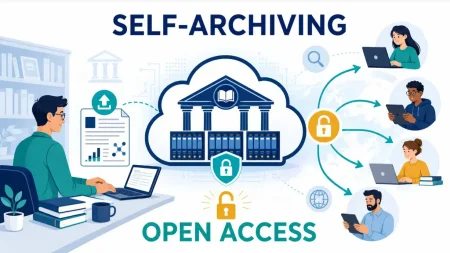
- Scholarly Communication: The landscape of scholarly communication is undergoing rapid transformation, driven by open-access initiatives, alternative publishing models, and the rise of preprint repositories. Academic libraries must navigate these changes by supporting open-access publishing, promoting institutional repositories, and advocating for sustainable models of scholarly communication. Librarians can proactively educate faculty and students about open-access principles, copyright policies, and the importance of preserving and sharing research outputs.
- Data Management: The proliferation of digital data presents opportunities and challenges for academic libraries. Institutions increasingly need to manage and preserve research data in compliance with funding agency mandates and institutional policies. Academic libraries can be central in guiding data management planning, storage solutions, and metadata standards. This may involve collaborating with researchers, IT departments, and external partners to develop data management services and infrastructure.
- Diversity, Equity, and Inclusion: Academic libraries must strive to create inclusive and equitable spaces that reflect the diversity of their user communities. This involves actively promoting diversity in library collections, programming, and staffing to ensure the representation of diverse perspectives and voices. Libraries must also address issues of accessibility and digital equity to ensure that all users, regardless of background or ability, have equal access to library resources and services.
- Emerging Technologies: Rapid technological advancements, such as artificial intelligence, virtual reality, and blockchain, present opportunities and challenges for academic libraries. Libraries must stay abreast of emerging technologies and assess their potential impact on library services, user experiences, and information access. This may involve experimentation with new technologies, collaboration with IT departments and external partners, and ongoing professional development for library staff.
- Privacy and Ethical Considerations: In an era of pervasive surveillance and data mining, academic libraries must prioritize the privacy and security of user data and intellectual freedom. Libraries must adhere to ethical guidelines and best practices for data collection, storage, and use while advocating for user privacy rights and resisting censorship and surveillance. This may involve implementing robust privacy policies, encryption technologies, and user education initiatives to safeguard user confidentiality and intellectual freedom.
- Globalization and Internationalization: As academic institutions become increasingly globalized and interconnected, academic libraries must address the unique information needs and cultural contexts of international students, faculty, and researchers. Libraries must provide multilingual resources, support for English language learners, and culturally sensitive services to foster inclusivity and support the diverse needs of their international user communities. This may involve collaboration with international partners, exchange programs, and outreach efforts to engage with diverse cultural perspectives and knowledge systems.
- Crisis Preparedness and Resilience: Academic libraries must be prepared to respond to unforeseen crises, such as natural disasters, cyber-attacks, or public health emergencies, that may disrupt library operations and services. Libraries must develop robust disaster preparedness plans, backup systems, and continuity strategies to ensure the resilience and continuity of library services in times of crisis. This may involve collaboration with campus emergency management teams, IT departments, and external agencies to coordinate response efforts and mitigate the impact of crises on library operations and resources.
- Evolving Pedagogical Practices: With the shift towards active learning and experiential education, academic libraries must align their resources and services with evolving pedagogical practices. This may involve collaborating with faculty to integrate information literacy instruction, digital literacy skills, and research support into the curriculum. Libraries can also explore innovative approaches such as gamification, digital storytelling, and interactive tutorials to engage students and enhance their learning outcomes.
- Interdisciplinary Research: As research becomes increasingly interdisciplinary, academic libraries must adapt their collections, services, and expertise to support collaborative and interdisciplinary research endeavors. This may involve expanding collections to encompass a broader range of subject areas, fostering partnerships with other academic units and research centers, and providing specialized research support for interdisciplinary projects. Libraries can also facilitate knowledge exchange and collaboration across disciplines through initiatives such as interdisciplinary research hubs, cross-disciplinary workshops, and collaborative research grants.
- Sustainability and Environmental Responsibility: Academic libraries are responsible for promoting sustainability and environmental stewardship in their operations and practices. This may involve adopting green building principles, reducing energy consumption, minimizing waste, and promoting sustainable collection development and preservation practices. Libraries can also support environmental literacy and awareness through educational programming, exhibits, and initiatives focused on sustainability issues.
- Rapid Technological Obsolescence: Academic libraries must contend with the rapid obsolescence of technology and digital formats, which can pose challenges for long-term preservation and access to digital collections. Libraries must develop strategies for managing digital obsolescence, including migration to new formats, emulation of obsolete software and hardware, and ongoing monitoring of digital assets for degradation and loss. This may require collaboration with digital preservation experts, consortia, and preservation networks to ensure the long-term accessibility and viability of digital collections.
- Intellectual Property and Copyright: Academic libraries must navigate complex intellectual property and copyright issues in the digital environment, including fair use, licensing agreements, and digital rights management. Libraries must guide and support users on copyright compliance, permissions, and intellectual property rights when accessing and using library resources. This may involve offering copyright workshops, consultations with copyright experts, and advocating for fair use and open access policies that promote broader access to scholarly information while respecting creators’ rights.
In conclusion, academic libraries face a complex and evolving set of challenges in the digital age. By embracing innovation, collaboration, and strategic planning, libraries can adapt to these challenges and continue to serve as vital resources for the academic community. From digital transformation and information literacy to budgetary constraints and scholarly communication, navigating the future requires a proactive and forward-thinking approach to ensure academic libraries’ enduring relevance and impact in the years to come.
1.3 Opportunities for Academic Libraries in the Future.
The future of academic libraries brims with opportunities that promise to redefine their roles and amplify their impact within the scholarly landscape. As technology evolves and education undergoes transformational shifts, academic libraries stand at the forefront, poised to embrace these changes and unlock new avenues for innovation and growth. From harnessing digital resources and virtual technologies to fostering interdisciplinary collaboration and advancing information literacy, academic libraries have the potential to emerge as dynamic catalysts for knowledge creation and dissemination. Academic libraries are poised to play an increasingly vital role in the future of education and research. Here are some opportunities they may leverage:
- Digital Transformation: Gateway to Global Access:
The digital revolution has ushered in a new era for academic libraries. With the power of technology, libraries can transcend physical boundaries, making scholarly resources accessible to anyone, anywhere. By digitizing collections and embracing advanced search capabilities, libraries can ensure that knowledge knows no bounds. Remote access to resources becomes not just a convenience but a cornerstone of inclusivity and democratization of education. - Data Deluge: Curation and Management:
In an era dominated by big data, academic libraries are poised to become guardians of information in its myriad forms. Library libraries can offer expert services in data curation, preservation, and management, from research datasets to multimedia resources. By providing training in data literacy and offering platforms for sharing and collaboration, libraries empower researchers to harness the full potential of their data, driving innovation and discovery. - Open Access Advocacy: Empowering Scholarship:
The movement towards open access is gaining momentum, and academic libraries are at the forefront of this revolution. By championing open-access initiatives and supporting alternative publishing models, libraries can break down barriers to knowledge and foster collaboration across disciplines. Institutional repositories become not just repositories of research output but catalysts for positive change, driving innovation and advancing the frontiers of knowledge. - Collaborative Spaces: Nurturing Innovation
Libraries are no longer just silent sanctuaries for solitary study but vibrant hubs of collaboration and creativity. By designing flexible spaces equipped with cutting-edge technology, libraries become catalysts for interdisciplinary collaboration. From group study pods to maker spaces, these collaborative environments foster innovation and drive transformative research that transcends disciplinary boundaries. - Information Literacy Education: Building Critical Thinkers
In the age of information overload, the ability to navigate and evaluate information critically is more important than ever. Academic libraries are pivotal in equipping students and faculty with the skills they need to thrive in a digital world. Through workshops, tutorials, and online resources, libraries promote information literacy, empowering users to discern fact from fiction and confidently navigate the vast sea of information. - Community Engagement: Bridging the Gap
Libraries are not just ivory towers of academia but vital community resources that bridge the gap between the academy and the broader society. By hosting public lectures, exhibitions, and cultural events, libraries enrich their communities’ intellectual and cultural fabric. From lifelong learning programs to outreach initiatives, libraries become engines of social change, fostering dialogue and understanding across diverse communities. - Specialized Services: Tailoring to Emerging Trends
Academic libraries have the opportunity to cater to emerging areas of research and study by offering specialized services. From artificial intelligence to personalized medicine, libraries can collaborate with faculty and researchers to tailor their collections and services to meet the evolving needs of the academic community. Staying abreast of emerging trends and technologies, libraries become indispensable partners in advancing cutting-edge research and scholarship. - Support for Online Learning: Adapting to Digital Pedagogy
With the rise of online learning, academic libraries have a crucial role in supporting remote learners. By providing virtual reference services, online research guides, and curated digital collections, libraries can ensure that students and faculty have access to the resources they need, wherever they may be. By embracing digital pedagogy and leveraging technology, libraries become essential partners in delivering high-quality, accessible education. - Assessment and Analytics: Informed Decision-Making
In an age of data-driven decision-making, academic libraries can leverage analytics to assess the usage of library resources and services. By analyzing data on resource usage, user engagement, and information-seeking behavior, libraries can gain insights into their users’ evolving needs and preferences. This data-driven approach allows libraries to make informed decisions about resource allocation, collection development, and service provision, ensuring that they continue to meet the needs of their users effectively. - Partnerships and Collaborations: Strength in Unity
Collaboration is key to success in the modern academic landscape, and libraries are no exception. By forging partnerships with other academic institutions, research organizations, and industry partners, libraries can expand their reach and impact. By pooling resources, expertise, and networks, libraries can tackle common challenges, pursue innovative initiatives, and amplify their impact on education, research, and society. - Adaptability and Resilience: Thriving in Uncertain Times
In an era of rapid change and uncertainty, adaptability and resilience are essential qualities for academic libraries. By embracing flexibility and innovation, libraries can navigate challenges and seize opportunities as they arise. Whether it’s responding to technological advancements, shifting user preferences, or external disruptions, agile and forward-thinking libraries will thrive in the face of adversity and continue to serve as beacons of knowledge and inspiration in the years to come. - Diversity, Equity, and Inclusion: Promoting Access for All
Academic libraries have a unique opportunity to champion diversity, equity, and inclusion (DEI) in education and research. By actively promoting diverse voices and perspectives in their collections, programs, and services, libraries can foster a more inclusive learning environment where all students and researchers feel valued and represented. This includes actively acquiring materials from underrepresented groups, offering culturally relevant programming, and supporting initiatives promoting diversity and social justice. - Environmental Sustainability: Leading by Example
As institutions committed to the pursuit of knowledge and the betterment of society, academic libraries can also take a leading role in promoting environmental sustainability. By adopting green practices in their operations, such as energy-efficient lighting, recycling programs, and digital-first collection development strategies, libraries can reduce their carbon footprint and contribute to a more sustainable future. Additionally, libraries can serve as environmental education and advocacy hubs, offering resources and programming that raise awareness about pressing environmental issues and inspire action. - Global Engagement: Bridging Cultures and Borders
In an increasingly interconnected world, academic libraries have the opportunity to foster global engagement and collaboration. By partnering with libraries and educational institutions worldwide, libraries can facilitate cross-cultural exchange, promote international research collaboration, and expand access to global perspectives and resources. Through initiatives such as international student exchange programs, virtual collaboration platforms, and multilingual services, libraries can break down barriers and build bridges between cultures and countries, enriching the academic experience for all. - Lifelong Learning: Supporting Continuous Growth
Learning is a lifelong journey, and academic libraries can serve as lifelong learning hubs for students, faculty, and the broader community. By offering continuing education programs, professional development opportunities, and lifelong learning resources, libraries can support individuals at every stage of their academic and professional journey. From online courses and workshops to career counseling services and alumni networks, libraries can empower individuals to pursue their passions, expand their horizons, and achieve their full potential. - Ethical Leadership: Guiding Ethical Decision-Making
In an age of rapid technological advancement and ethical dilemmas, academic libraries can be crucial in promoting ethical leadership and responsible conduct in research and scholarship. By offering resources, training, and support in research ethics, academic integrity, and responsible conduct of research, libraries can equip students and researchers with the knowledge and skills they need to navigate complex ethical challenges with integrity and professionalism. By fostering a culture of ethical leadership and accountability, libraries can help ensure that the pursuit of knowledge and innovation is guided by integrity, fairness, and respect for human dignity.
In conclusion, the future of academic libraries is replete with opportunities that hold the potential to redefine their significance and elevate their contributions to the academic enterprise. Academic libraries can position themselves as vibrant hubs of innovation and knowledge creation by embracing emerging technologies, fostering interdisciplinary collaboration, and cultivating information literacy skills. Furthermore, the evolution of digital resources and virtual technologies offers unprecedented possibilities for expanding access to information and engaging with users dynamically. However, to fully capitalize on these opportunities, academic libraries must remain agile, adaptable, and forward-thinking, continually reassessing their strategies and services to meet the evolving needs of their diverse communities. By seizing these opportunities with creativity, vision, and a commitment to excellence, academic libraries can not only navigate the complexities of the future but also thrive as indispensable pillars of scholarly inquiry and intellectual exploration.






1 Comment
Lovely piece