What Is Strategic Planning in Libraries, and What Are Its Key Components?
Strategic planning in libraries is a structured yet flexible process that helps define the long-term direction of the library, set priorities, and allocate resources effectively to meet the evolving needs of users and the goals of the institution. In today’s rapidly changing information landscape, driven by digital transformation, shifting user behaviour, and budget constraints; strategic planning is not merely a one-time activity but a continuous and adaptive process. It enables libraries to move beyond routine operations, adopting a proactive approach to innovation, service improvement, and problem-solving. For instance, a university library might develop a strategic plan to gradually transition from print-heavy collections to a hybrid or fully digital environment in response to the growing demand for online resources.
Strategic planning is essential for libraries as it allows them to transition from a reactive approach to a proactive one. Instead of merely responding to immediate challenges, libraries can use strategic planning to anticipate future trends and prepare accordingly. For example, a university library might recognize a growing demand for online learning and include the expansion of e-resources, remote access systems, and digital support services in its long-term plan. This proactive approach ensures that the library remains relevant and effectively supports academic and research activities.
Another crucial aspect of strategic planning is its role in guiding decision-making and resource allocation. Libraries often operate with limited financial and human resources, making it imperative to prioritize initiatives that will have the greatest impact. For instance, a library might choose to invest more in digital databases instead of expanding its physical collections based on user activity and academic needs. This informed decision-making promotes the efficient use of available resources. Furthermore, strategic planning is a continuous and dynamic process, not just a one-time activity. It involves regular monitoring, evaluation, and adjustment to respond to new challenges and opportunities. For example, after launching a new service such as a library chatbot or mobile application, the library may analyze user feedback and usage data to refine the service and enhance its effectiveness. This ongoing process allows libraries to remain flexible and adaptable in a rapidly evolving information landscape.
How Does Strategic Planning Differ from Other Types of Planning in Library Management?
Strategic planning in library management stands out from other types of planning primarily due to its long-term focus, broad scope, and visionary nature. It aims to define the overall direction of the library, align its goals with the mission of the parent institution, and prepare for future challenges and opportunities. Unlike other planning types that address immediate tasks and specific functions, strategic planning serves as a comprehensive roadmap that guides all other planning activities. For example, a university library might set a strategic goal to transform into a digital knowledge hub over the next five years, which would then influence all subsequent planning decisions.
In contrast, other types of planning—such as operational and tactical planning—are more short-term and action-oriented. Operational planning centers on the daily functioning of the library, covering activities such as circulation management, staff scheduling, and maintenance of library systems. Tactical planning, meanwhile, acts as a bridge between strategic goals and operational activities by translating broad objectives into departmental plans. For instance, if the strategic plan emphasizes digital transformation, a tactical plan might involve implementing an institutional repository or digitizing selected collections within a specific timeframe.
Another key difference lies in the level of management and decision-making involved. Strategic planning is typically conducted by senior library leadership and encompasses high-level decisions such as setting priorities, allocating major resources, and responding to external trends like technological advancements or shifts in user behavior. Conversely, other planning types are generally managed by middle-level or operational staff who focus on executing specific tasks. For example, while leadership might decide to invest in new digital services, operational staff will handle the day-to-day implementation and user support.
The scope of analysis also differentiates strategic planning from other planning forms. Strategic planning involves environmental scanning, taking into account both internal factors (such as staff capacity and existing resources) and external factors (like user expectations, technological developments, and academic trends). In contrast, operational and tactical planning tend to concentrate on internal processes and immediate service delivery. For instance, technology planning might focus on selecting appropriate software or systems, while human resource planning centers on training staff to support new services. Additionally, strategic planning is flexible and continuous, requiring regular reviews and adjustments to stay relevant in a changing environment. Other types of planning are usually more fixed within shorter timeframes and are adjusted based on immediate needs. For example, a yearly operational plan may be revised due to budget changes, but it still operates within the broader strategic framework.
How Can Strategic Planning Help Libraries Adapt to Long-Term Changes?
Strategic planning is essential for libraries to adapt to long-term changes. It provides clear direction, a structured decision-making framework, and a proactive response to emerging trends and challenges. In an age characterized by rapid technological advancement, changing user expectations, and evolving educational and research landscapes, libraries must move beyond short-term solutions. Strategic planning enables them to anticipate future developments, prepare for uncertainties, and position themselves for sustainable growth. By defining long-term goals and aligning them with institutional priorities, libraries can ensure that their services remain relevant and impactful over time.
One of the key ways that strategic planning supports adaptation is through environmental scanning and trend analysis. Libraries systematically assess their internal capabilities alongside external factors such as technological innovations, user behavior, and academic trends. This approach enables them to identify opportunities and potential threats early on. For instance, by recognizing the increasing demand for digital resources, a library can gradually adjust its collection development strategy to focus more on e-books, online journals, and remote access systems. This proactive measure helps ensure the library’s long-term relevance. It also enables proactive decision-making instead of relying on reactive responses. By anticipating potential issues, libraries can create strategies that prepare them for future changes. For example, a library that expects a rise in online learning might invest in digital infrastructure, staff training, and virtual services ahead of time. This forward-thinking approach minimizes disruption and ensures a smoother transition when changes happen.
An important aspect to consider is the alignment and prioritization of resources. Implementing long-term changes often requires significant investment, so strategic planning is essential for libraries to allocate their resources efficiently to the areas that will have the greatest impact. Instead of spreading resources too thinly across multiple initiatives, a library might choose to focus on developing a digital repository or enhancing research support services that align with future academic needs. This focused approach ensures that limited resources contribute to sustainable development. Additionally, strategic planning promotes organizational flexibility and continuous improvement. By incorporating regular monitoring and evaluation, libraries can assess the effectiveness of their strategies and make necessary adjustments over time. For instance, if a newly launched digital service does not meet user expectations, the library can refine its approach based on feedback and usage data. This ongoing cycle of evaluation and adaptation helps libraries remain responsive to long-term changes.
Strategic planning also encourages capacity building and innovation within the library. Preparing for future challenges often requires new skills, technologies, and service models. Through strategic planning, libraries can invest in staff development, adopt emerging technologies, and foster a culture of innovation. For instance, introducing AI-based tools or advanced research support services can help libraries meet the evolving needs of users in a digital environment.
What Role Does Vision and Mission Play in Strategic Planning?
Vision and mission statements play a foundational role in strategic planning by providing direction, purpose, and a unifying framework for all planning activities within a library. The vision represents the library’s long-term aspiration—what it aims to become in the future—while the mission defines its core purpose, outlining what it does, for whom, and how it serves its community. Together, they serve as guiding principles that ensure all strategic decisions, goals, and actions are aligned with a clear, consistent direction. Without a well-defined vision and mission, strategic planning can become fragmented, lacking focus and coherence.
In the context of strategic planning, the vision serves as a motivational and forward-looking element that inspires growth and innovation. It helps library leadership and staff envision future possibilities and set ambitious yet achievable goals. For example, a vision to become a “leading digital knowledge hub” may encourage the library to prioritize digital transformation, invest in advanced technologies, and expand remote services. On the other hand, the mission provides a practical and present-oriented foundation, ensuring that daily operations and long-term strategies remain focused on serving users effectively. It clarifies the library’s role in supporting teaching, learning, and research, which helps in setting realistic and relevant objectives.
Vision and mission statements play a crucial role in decision-making and resource allocation. When libraries face competing priorities—such as whether to invest in physical infrastructure or digital services—the vision and mission act as benchmarks for evaluating which option best supports their long-term goals and core purpose. For instance, if the mission emphasizes accessibility and inclusivity, the library may prioritize investments in remote access systems and assistive technologies. They also contribute to organizational alignment and communication. A clearly articulated vision and mission help ensure that all stakeholders, including library staff, users, and institutional leaders, share a common understanding of the library’s goals and direction. This alignment enhances collaboration, improves staff engagement, and facilitates the successful implementation of strategic plans.
Identify Common Library Problems
Identifying common problems in libraries is a crucial step for effective planning and management. Before implementing any strategies, libraries must have a clear understanding of the challenges that impact their services, operations, and user satisfaction. In today’s information environment—marked by rapid technological changes, evolving user expectations, and financial constraints—libraries encounter a range of complex issues. By recognizing these problems, libraries can develop targeted solutions and adopt appropriate planning methods for improvement.
- Limited Financial Resources: Limited financial resources remain one of the most persistent challenges in library management, directly affecting collection development, technology adoption, staffing, and service expansion. Libraries must often operate within fixed or shrinking budgets while the cost of academic resources—particularly journal subscriptions and databases—continues to rise. This creates difficult trade-offs, such as deciding between maintaining essential subscriptions and investing in new services or infrastructure. For example, a university library may be forced to cancel low-usage journals even if they are important for niche research areas. Budget limitations also restrict staff recruitment and professional development opportunities, which can further impact service quality. As a result, libraries must rely on careful financial planning, prioritization, and sometimes external funding to sustain their operations.
- Rapid Technological Changes: The rapid pace of technological advancement has significantly transformed how libraries operate and deliver services. While new technologies such as digital repositories, cloud-based systems, and AI tools offer opportunities for innovation, they also present challenges in terms of cost, implementation, and maintenance. Libraries must continuously upgrade their systems to remain competitive and relevant, which requires both financial investment and technical expertise. For instance, implementing a remote access system for off-campus users involves not only purchasing the software but also ensuring cybersecurity, system integration, and user support. Libraries that fail to keep up with technological changes risk becoming outdated, leading to reduced user engagement and service effectiveness.
- Changing User Needs and Expectations: User behavior has evolved dramatically in recent years, with a strong preference for digital, fast, and convenient access to information. Modern users expect seamless online services, instant responses, and personalized experiences similar to those provided by commercial digital platforms. This shift challenges libraries to rethink traditional service models that rely heavily on physical collections and in-person interactions. For example, students engaged in online learning may require 24/7 access to digital resources, virtual reference services, and user-friendly interfaces. If libraries do not adapt to these expectations, they may experience a decline in usage and relevance. Therefore, understanding and responding to changing user needs is essential for effective library planning.
- Underutilization of Library Resources: Despite significant investment in resources and services, many libraries face the problem of underutilization. This often occurs due to a lack of awareness, inadequate user training, or poor promotion of available services. For example, a library may subscribe to high-quality academic databases, but students and faculty may not use them simply because they are unaware of their availability or do not know how to search effectively. This results in wasted financial resources and reduced return on investment. Addressing this issue requires active user engagement strategies, including orientation programs, workshops, and effective communication channels to ensure that users can fully benefit from the library’s offerings.
- Inadequate Space Planning: Traditional library spaces were primarily designed for storing books and providing quiet reading areas. However, modern users require more dynamic and flexible environments that support collaboration, technology use, and interactive learning. Inadequate space planning can limit the functionality of the library and reduce user satisfaction. For example, a library with extensive shelving but limited seating or group study rooms may fail to meet the needs of students who prefer collaborative learning. Additionally, the lack of technology-enabled spaces, such as multimedia labs or computer workstations, can hinder access to digital resources. Effective space planning must balance the preservation of traditional functions with the integration of modern user requirements.
- Staff Skill Gaps and Training Needs: As library services become increasingly complex and technology-driven, staff must possess a diverse set of skills, including digital literacy, information management, and user support. However, many libraries face challenges in keeping staff skills up to date due to limited training opportunities or resistance to change. For instance, staff unfamiliar with advanced database search techniques or digital tools may struggle to assist users effectively, leading to decreased service quality. Continuous professional development, training programs, and skill enhancement initiatives are essential to address this issue. Investing in staff capabilities not only improves service delivery but also supports the successful implementation of new technologies and services.
- Lack of Effective Planning and Evaluation: The absence of structured planning and regular evaluation can significantly hinder a library’s ability to improve and adapt. Without clear goals, strategies, and performance indicators, library activities may become reactive rather than proactive. For example, a library that does not analyze usage statistics or gather user feedback may continue investing in services that are no longer relevant. Similarly, without evaluation mechanisms, it becomes difficult to measure the success of implemented strategies or identify areas for improvement. Effective planning and continuous assessment are therefore essential for ensuring that library services remain aligned with user needs and institutional objectives.
- Low User Engagement and Participation: Engaging users in library services and programs is another major challenge. Even when libraries offer valuable resources and activities, participation may remain low due to a lack of awareness, ineffective communication, or competing alternatives. For example, workshops on research tools or citation management may receive limited attendance if users are not properly informed or motivated. Additionally, the increasing availability of online information sources may reduce users’ reliance on library services. To address this issue, libraries must adopt innovative outreach strategies, such as social media engagement, personalized communication, and user-centered program design, to attract and retain users.
A detailed understanding of common library problems is essential for developing effective planning strategies and improving overall service quality. Challenges such as financial constraints, technological changes, evolving user expectations, and staff skill gaps require thoughtful and targeted solutions. By identifying and analyzing these issues in depth, libraries can implement appropriate planning approaches that enhance efficiency, increase user satisfaction, and ensure long-term sustainability in an ever-changing information landscape.
Types of Planning in Libraries
 Effective planning in libraries is crucial for tackling operational challenges, enhancing services, and ensuring long-term sustainability. Various types of planning serve distinct purposes, from establishing long-term goals to managing daily activities. In contemporary library management, these planning types function together as an integrated system to solve problems, improve efficiency, and adapt to changing user needs. The following are the key types of planning commonly utilized in libraries:
- Strategic Planning: Strategic planning is the foundation of all planning activities in a library, focusing on long-term goals and future direction. It typically spans three to five years or more and aligns the library’s vision with the mission of its parent institution. This type of planning involves environmental scanning, identifying strengths and weaknesses, and anticipating future trends such as digital transformation or changes in user behavior. For example, a university library may develop a strategic plan to transition into a hybrid or fully digital service model, expand research support services, and improve remote accessibility. Strategic planning provides a roadmap that guides all other planning types and ensures that decisions are made with long-term impact in mind.
- Tactical Planning: Tactical planning serves as a link between strategic goals and practical implementation. It is usually developed at the departmental or unit level and focuses on medium-term objectives. This type of planning breaks down broad strategic goals into specific, manageable projects and actions. For instance, if the strategic plan aims to enhance digital services, a tactical plan may include steps such as selecting appropriate software, digitizing specific collections, or launching a pilot project for a digital repository. Tactical planning ensures that strategic objectives are translated into actionable steps and that progress can be measured over time.
- Operational Planning: Operational planning deals with the day-to-day activities and routine functions of the library. It ensures that services are delivered efficiently and consistently. This includes tasks such as circulation management, staff scheduling, system maintenance, and user support. For example, during examination periods, operational planning may involve extending service hours, increasing staff availability, and managing high user demand. Although it focuses on short-term activities, operational planning is essential for maintaining service quality and ensuring that the library runs smoothly on a daily basis.
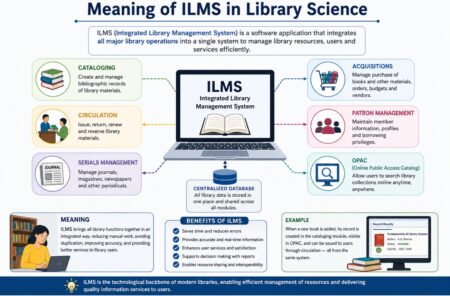
- Technology Planning: Technology planning focuses on the selection, implementation, and management of technological systems within the library. In the digital age, this type of planning is critical for improving access to information and enhancing service delivery. It involves evaluating current technologies, identifying future needs, and ensuring compatibility with existing systems. For example, a library may plan to implement an integrated library management system, provide remote access to digital resources, or introduce AI-based tools such as chatbots for user assistance. Effective technology planning also includes staff training and system maintenance to ensure long-term usability.
- Financial Planning: Financial planning is concerned with budgeting, cost management, and financial sustainability. Libraries must carefully allocate their limited resources to support both current operations and future development. This involves prioritizing expenditures based on user needs, institutional goals, and usage data. For example, a library may decide to allocate more funds to electronic databases and reduce spending on rarely used print materials. Financial planning also includes exploring alternative funding sources such as grants, partnerships, or donor support to ensure long-term stability.
- Human Resource Planning: Human resource planning focuses on staff management, recruitment, and professional development. As library services evolve, staff must acquire new skills to handle emerging technologies and provide advanced user support. This type of planning ensures that the library has the right number of staff with the appropriate skills at the right time. For example, a library implementing a digital repository may need to train staff in metadata management, digital preservation, and user support. Continuous training and capacity building are essential to maintain service quality and support innovation.
- Space and Infrastructure Planning: Space and infrastructure planning addresses the design and effective use of physical and digital spaces within the library. Modern libraries must balance traditional functions, such as book storage and quiet study areas, with new requirements like collaborative spaces and technology-enabled environments. For example, a library may redesign its layout to include group study rooms, multimedia labs, and flexible seating arrangements. Effective space planning enhances user experience, supports diverse learning styles, and maximizes the utilization of available space.
- User-Centered Planning: User-centered planning places the needs, preferences, and behaviors of users at the center of decision-making. It involves collecting user feedback, analyzing usage patterns, and designing services that meet user expectations. For instance, if users demand more online access, the library may expand its digital collections and improve its website interface. Similarly, feedback may lead to extended service hours or the introduction of virtual reference services. This type of planning ensures that library services remain relevant, accessible, and aligned with user requirements.
Each type of planning in libraries serves a unique purpose, from setting long-term goals to managing daily operations. Strategic planning provides direction, while tactical and operational planning ensure effective implementation. Technology, financial, human resource, space, and user-centered planning further support the development of responsive and efficient services. When these planning types are integrated, libraries can effectively address modern challenges, improve service quality, and ensure long-term sustainability in a rapidly evolving information environment.
How Can Different Types of Planning Work Together to Solve Library Problems?
Different types of planning in libraries work most effectively when they are integrated into a coordinated system, where each level supports and reinforces the others to address complex challenges. Strategic planning provides the long-term vision and direction, while tactical, operational, and functional planning types translate that vision into practical actions and day-to-day activities. When these planning approaches are aligned, libraries can move from identifying problems to implementing sustainable solutions in a structured and efficient manner.
For example, consider the common problem of low usage of digital resources. Through strategic planning, a library may identify increasing digital engagement as a long-term priority. Tactical planning would then design specific initiatives, such as organizing database training sessions or improving the library website interface. Operational planning ensures the execution of these initiatives by scheduling workshops, assigning staff responsibilities, and maintaining system functionality. At the same time, user-centered planning gathers feedback from users about their difficulties in accessing resources, while technology planning ensures that platforms are user-friendly and accessible. Financial planning supports the process by allocating funds for subscriptions and training programs, and human resource planning ensures that staff are equipped with the necessary skills to assist users. In this way, multiple planning types work together to solve a single problem effectively.
Another example can be seen in addressing space-related challenges in libraries. A strategic plan may recognize the need to transform the library into a collaborative learning environment. Tactical planning might involve redesigning specific sections of the library to include group study rooms and technology-enabled spaces. Operational planning would manage the daily use of these spaces, including booking systems and maintenance. Space and infrastructure planning ensure that the physical layout supports user needs, while user-centered planning collects feedback on how the spaces are being used. Financial planning allocates funds for renovation, and human resource planning ensures staff are available to manage and support the new facilities. Through this integrated approach, the library can successfully improve its physical environment and enhance user satisfaction.
Integration also plays a key role in managing technological change. For instance, when implementing a new digital service such as an AI-based chatbot, strategic planning defines the long-term goal of improving user support. Tactical planning outlines the steps for development and deployment, while operational planning ensures the system is maintained and updated regularly. Technology planning focuses on selecting and implementing the appropriate platform, and human resource planning ensures staff are trained to manage and improve the system. User-centered planning evaluates user interaction and satisfaction, allowing continuous improvement. This coordinated effort ensures that the technology is not only implemented but also effectively utilized.