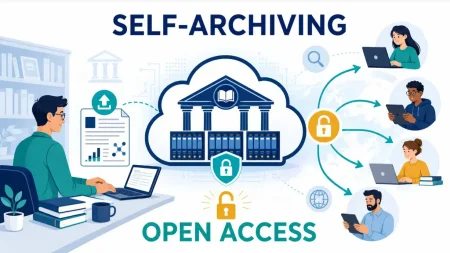
Librarianship in the rapidly changing information landscape has undergone a remarkable transformation, moving far beyond its traditional role of managing books and print collections. Today, librarians function as digital navigators, research partners, and knowledge facilitators who bridge the gap between information and its users. For example, academic librarians now support faculty and students with advanced tools like Turnitin for plagiarism detection, Mendeley or EndNote for citation management, and institutional repositories such as DSpace for archiving theses and research outputs. With the rise of digital technologies, online databases, open-access publishing, artificial intelligence, and big data, the responsibilities of librarians have expanded into areas such as digital curation, data management, information literacy training, and community engagement. Public libraries, for instance, often provide digital literacy workshops to teach citizens how to use online services safely, while university libraries like Harvard Library or NSU Library in Bangladesh invest in RFID-based systems and remote-access platforms such as OpenAthens to make scholarly resources accessible anytime and anywhere. This evolving environment requires librarians to continuously re-skill and adapt, ensuring they can meet the diverse needs of users while upholding the values of access, equity, and intellectual freedom. In this context, librarianship is no longer limited to preserving information but is actively shaping how information is discovered, evaluated, and applied in education, research, and society.
What Does “Re-Skilling” Mean for Librarians in the Digital Age?
Re-skilling for librarians in the digital age refers to the process of acquiring new knowledge, abilities, and competencies that go beyond traditional library practices in order to remain relevant and effective in a technology-driven environment. In the past, librarianship focused primarily on cataloguing, classification, and managing print resources, but the digital era has shifted these responsibilities toward digital curation, online database management, research support, and information literacy training. Today, re-skilling means learning how to manage institutional repositories, use citation and plagiarism detection tools, support open access publishing, and understand emerging technologies such as artificial intelligence and data analytics. It also involves strengthening soft skills like teaching, communication, and community outreach to engage users in both academic and public settings. In essence, re-skilling is not just about adapting to new tools but about transforming the librarian’s role into that of a digital navigator, research partner, and knowledge facilitator in an increasingly complex information ecosystem.
Why Is Continuous Professional Development Critical for Librarians Today?
Continuous professional development is now critical for librarians as the profession undergoes rapid transformation in the digital age. Librarians are no longer confined to managing print collections but are increasingly recognized as digital navigators, research partners, and educators. The expansion of online databases, artificial intelligence, open access publishing, and big data has redefined expectations, requiring librarians to adopt new skills and competencies. In this context, continuous learning is essential not only for professional survival but also for ensuring that libraries remain relevant and responsive to the communities they serve.
Technology has become one of the most influential drivers of change in librarianship. Integrated library management systems such as Alma and Sierra, digital preservation platforms like LOCKSS, and automated circulation systems have become standard in many institutions. Librarians are also expected to provide support with tools such as Zotero for citation management and iThenticate for plagiarism detection. Professional development allows librarians to master these systems and prepare for new technologies such as artificial intelligence-driven discovery services and linked data cataloguing. Without continuous training, they risk falling behind in providing efficient and reliable services to users.
User expectations are another reason continuous development is indispensable. Modern students and faculty expect to access scholarly content through platforms like JSTOR, ScienceDirect, or ProQuest, while public library users often request access to e-book platforms such as OverDrive or Libby. Researchers also depend on librarians for guidance in navigating publishing requirements, data sharing policies, and open access initiatives. By participating in workshops and training programs, librarians can design user-centered services that meet these expectations, ensuring the library remains a vital academic and community hub.
Research support has also expanded significantly, and CPD ensures librarians are ready for this responsibility. They are now expected to advise on issues such as research data management, impact measurement, and compliance with funder mandates. In institutions like the British Library or the National Library of Singapore, librarians provide training in using bibliometric tools such as InCites or SciVal to help researchers track and improve the visibility of their work. Continuous professional learning enables librarians to position themselves as valuable partners in the research lifecycle, from data collection to publication.
The flood of information in the digital age has also created new challenges, such as misinformation and disinformation. Librarians play an essential role in training people to critically evaluate what they read online, whether through formal information literacy programs in universities or community workshops in public libraries. For example, the Toronto Public Library has run programs teaching citizens how to identify misinformation, while many U.S. universities now integrate librarian-led sessions into first-year courses to help students develop critical thinking skills. CPD ensures that librarians stay up to date with new pedagogical strategies and tools to deliver these programs effectively.
Continuous professional development is equally important for fostering innovation and leadership. Librarians who stay updated introduce creative services such as virtual reality labs, digital media centers, and makerspaces in their libraries. For example, the Helsinki Central Library Oodi offers not just books but also recording studios, gaming zones, and 3D printing facilities, all guided by trained librarians. CPD empowers librarians to take leadership roles in designing such innovative spaces and to advocate for libraries as central hubs for creativity and lifelong learning.
Despite its importance, CPD faces obstacles such as limited budgets, lack of time, or institutional neglect of staff training. Some librarians may also hesitate to adopt new skills due to unfamiliarity with digital tools. Yet institutions that prioritize CPD reap long-term benefits. The Singapore National Library Board, for instance, invests heavily in staff training to ensure librarians are equipped to support advanced digital services. Such investments demonstrate that professional development is not just about individual growth but also about institutional sustainability and the continued relevance of libraries in a fast-changing world.
How Are Librarians Re-Skilling Themselves to Remain Relevant in a Rapidly Changing Information Landscape?
Librarianship today is undergoing a profound transformation in response to the rapidly changing information landscape. Once regarded primarily as custodians of books and print collections, librarians are now embracing dynamic roles as digital navigators, research partners, educators, and community leaders. The digital revolution, characterized by the growth of online databases, artificial intelligence, open access publishing, and big data, has reshaped how knowledge is created, accessed, and shared. To remain relevant and effective, librarians are actively re-skilling themselves, blending traditional expertise with emerging technological and pedagogical competencies that match the evolving needs of users.
One of the most significant areas of re-skilling involves the adoption of digital technologies. Modern libraries are no longer limited to physical shelves but extend into virtual platforms and repositories that provide access to information anytime and anywhere. Librarians are equipping themselves with skills in digital curation, metadata management, and repository platforms such as DSpace, while also learning to operate integrated library systems like KOHA and RFID-based self-check technologies. At North South University Library in Bangladesh, for example, librarians are adept at managing an RFID-enabled KOHA system, making library operations faster and more efficient. Some librarians are even acquiring knowledge of coding, data visualization, and artificial intelligence so they can integrate emerging technologies into library services and anticipate future user needs.
Professional development has become a cornerstone of this re-skilling journey. Librarians around the world actively pursue continuous learning through workshops, webinars, and conferences organized by professional bodies such as the American Library Association (ALA) and the International Federation of Library Associations and Institutions (IFLA). These opportunities expose librarians to global trends like digital preservation, open science, and data management. In Bangladesh, national workshops on e-resources, reference management tools, and research support help librarians strengthen their skills. Online platforms like Coursera, edX, and LinkedIn Learning further make it easier for librarians to enhance their knowledge at their own pace. This commitment to lifelong learning not only benefits individual professionals but also ensures that institutions remain adaptive and innovative.
Another area of transformation is research support and open access. Librarians have become key partners in helping faculty and students manage research data, use citation tools such as EndNote, Mendeley, and Zotero, and maintain academic integrity through plagiarism detection software like Turnitin. Many academic libraries now have dedicated research support units where librarians advise on publishing strategies, bibliometric analysis, and compliance with open access mandates. For example, NSU Library provides training on Scopus and Research4Life databases to enable students and faculty to access global knowledge and publish in high-impact journals. This shift demonstrates how librarians have moved from being information providers to active collaborators in the research process.
Equally important is the role of librarians as educators in teaching information literacy. In an age where misinformation spreads rapidly, it is not enough to simply provide access to information—users must also be able to evaluate its quality. Librarians are designing and delivering training sessions on how to assess sources, avoid plagiarism, and use scholarly resources effectively. In universities, these sessions are often integrated into the academic curriculum, while public libraries run community programs that teach citizens how to use the internet safely and responsibly. Examples from libraries in Singapore and the United States show how librarians empower communities to recognize misinformation and strengthen their digital literacy, thereby broadening their impact beyond the academic domain.
The scope of librarianship has also expanded into active community engagement. Libraries are increasingly becoming community learning hubs where librarians lead digital literacy campaigns, makerspace projects, and outreach initiatives. In advanced settings, makerspaces within libraries offer access to 3D printing, robotics, and coding stations, guided by librarians who have re-skilled in these areas. In contrast, in developing countries such as Bangladesh, librarians often play a vital role in bridging the digital divide by conducting ICT training for rural populations. By providing such services, librarians extend their influence beyond the library walls and contribute to inclusive development and lifelong learning.
Despite these advancements, re-skilling is not without challenges. Budget limitations, lack of institutional support, and heavy workloads often restrict opportunities for training. In some cases, generational differences create resistance to new technologies, with senior staff less inclined to adapt quickly. However, libraries that prioritize staff development and encourage collaborative learning are better able to overcome these barriers. Peer mentoring, knowledge-sharing, and institutional investment in continuous training ensure that librarians remain prepared to meet new challenges. Some universities even allocate specific budgets for librarian training in research support and digital technologies, recognizing its long-term value.
Looking ahead, the future of librarianship will demand an even stronger blend of technical expertise and human-centered service. Skills in artificial intelligence, big data analytics, digital preservation, and data ethics will be essential, while interpersonal abilities such as communication, mentorship, and advocacy will remain irreplaceable. The librarians who succeed will be those who combine adaptability with innovation, balancing technological proficiency with their commitment to equity and access.
How Has the Role of Librarians Changed with the Rise of Digital Information Systems and AI?
The profession of librarianship has always adapted to social and technological change, but the emergence of digital information systems and artificial intelligence (AI) has accelerated this transformation in profound ways. Once primarily associated with organizing and managing print collections, librarians are now seen as digital knowledge navigators, information literacy educators, and research support specialists. The shift from physical to digital resources, along with the growing influence of AI, has not only expanded the scope of their work but also redefined their role in education, research, and community engagement.
- From Custodians of Books to Curators of Digital Knowledge: Traditionally, librarians were tasked with managing books, cataloguing materials, and guiding patrons in locating information. Today, however, digital information systems have moved much of this work into virtual spaces. Librarians now curate vast collections of online databases, e-books, and institutional repositories, ensuring that users have seamless access both on-site and remotely. Their responsibilities extend to maintaining metadata standards, digital preservation systems, and discovery platforms that integrate multiple sources. Instead of simply guiding users through physical shelves, librarians now train them to navigate complex digital ecosystems filled with scholarly resources, multimedia content, and open-access repositories.
- Expanding Research Support and Data Management: The rise of digital systems has also shifted librarians into the role of active partners in the research process. Librarians increasingly provide training on plagiarism detection tools such as iThenticate or Turnitin, guidance on using reference management software like Zotero, EndNote, or Mendeley, and support for research data management and open access compliance. Many academic libraries now employ specialized research support librarians who assist faculty and students with bibliometric analysis, publishing strategies, and data curation. With AI-powered tools becoming common in academia, librarians also advise researchers on ethical use, helping them balance efficiency with integrity.
- Teaching Information and Digital Literacy: The information landscape has grown more complex with the rise of AI-driven search engines, recommendation systems, and generative tools like ChatGPT. While these technologies provide convenience, they also introduce risks such as misinformation, bias, and over-reliance on automated outputs. Librarians have taken on the role of educators in information literacy, equipping students, researchers, and the public with skills to critically evaluate information sources. Workshops on identifying credible content, understanding algorithms, and practicing digital ethics are now a staple in many academic and public libraries. In this way, librarians serve as critical guides in helping society navigate the challenges of the AI-driven information age.
- Leveraging AI for Library Services: AI has not only changed user behavior but also transformed internal library operations. Many libraries are adopting AI-powered cataloguing, automated metadata generation, and predictive analytics to improve services. Chatbots and virtual assistants are being deployed to handle routine patron queries, allowing librarians to focus on more complex user needs. Recommendation systems are helping personalize resource suggestions, while machine learning tools assist in analyzing usage patterns to refine services. Librarians play a vital role in managing these technologies, ensuring they are applied ethically and effectively. This requires ongoing re-skilling and professional development to balance human expertise with AI efficiency.
- Strengthening Community Engagement: Digital systems and AI have also broadened the scope of community services. Public libraries now use digital platforms to provide access to e-learning resources, virtual events, and even AI-powered literacy applications. Librarians design and manage digital literacy programs for marginalized communities, ensuring equitable access to technology and information. They also act as advocates for privacy and intellectual freedom, helping communities understand issues such as data surveillance, algorithmic bias, and digital rights. By embracing these expanded responsibilities, librarians reaffirm their relevance as community leaders in the digital era.
The rise of digital information systems and artificial intelligence has redefined librarianship from a custodial profession into one of active engagement, innovation, and ethical leadership. Librarians now curate digital resources, support research, teach digital literacy, and manage AI-driven services, all while advocating for equitable access and responsible use of technology. Their role has expanded from organizing collections to shaping how society discovers, evaluates, and applies knowledge in the digital age. By adapting to these changes, librarians remain not only relevant but indispensable as guides, educators, and facilitators of informed learning in an AI-driven world.
What Kinds of Digital Competencies Are Librarians Now Expected to Acquire?
The digital revolution has reshaped the world of libraries, transforming them from physical repositories of books into dynamic, technology-driven knowledge hubs. To stay relevant in this environment, librarians are expected to develop a wide range of digital competencies that go far beyond traditional cataloguing or reference services. These skills enable them to manage advanced information systems, support research and learning, and guide communities through increasingly complex digital ecosystems. From database management to artificial intelligence literacy, the digital competencies of modern librarians reflect the profession’s evolution into one that blends technical expertise with educational and ethical responsibilities.
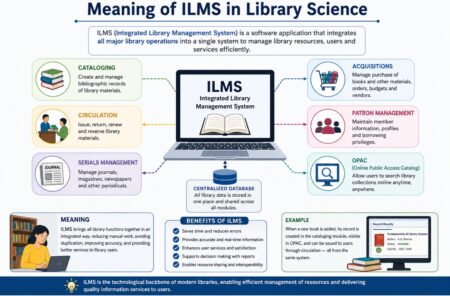
- Database and Information System Management: One of the core digital skills for librarians today is managing sophisticated integrated library management systems (ILMS) and online databases. Proficiency in platforms such as Alma, KOHA, Sierra, or WorldShare allows librarians to oversee acquisitions, cataloguing, and circulation in automated ways. Equally important is the ability to administer subscription-based scholarly databases like JSTOR, ScienceDirect, and ProQuest, ensuring that users can access high-quality digital resources seamlessly. Librarians are also expected to manage institutional repositories such as DSpace, EPrints, or Figshare, which store and preserve academic output, including theses, dissertations, and research articles.
- Metadata and Digital Curation Skills: With the explosion of digital content, metadata creation and digital curation have become essential competencies. Librarians must understand metadata standards such as MARC21, Dublin Core, and MODS to ensure resources are discoverable across platforms. Skills in digital archiving and preservation tools, including LOCKSS or Preservica, are increasingly in demand to safeguard knowledge for future generations. Digital curation also includes organizing multimedia collections, digitizing fragile materials, and ensuring long-term accessibility through proper file formats and storage strategies.
- AI Literacy and Emerging Technologies: Artificial intelligence has introduced both opportunities and challenges for libraries. Librarians are now expected to acquire AI literacy, understanding how algorithms, machine learning, and natural language processing affect information access. Many libraries are adopting AI-driven tools for cataloguing automation, virtual assistants, and personalized resource recommendations. For example, AI chatbots are being used to answer routine patron queries, while machine learning algorithms help analyze usage patterns to improve services. Librarians must not only know how to use these tools but also critically evaluate their ethical implications, including concerns around bias, privacy, and transparency.
- Coding and Data Skills: While librarians are not required to become software engineers, basic knowledge of coding languages such as Python, SQL, or HTML is increasingly valuable. These skills enable librarians to customize library systems, run database queries, or automate repetitive tasks. In addition, data literacy is becoming a core requirement. Librarians are often asked to support faculty and students with research data management, including data documentation, storage, sharing, and compliance with open science mandates. Familiarity with data visualization tools such as Tableau or Power BI further allows librarians to present complex information in accessible formats.
- Digital Literacy Instruction: Beyond technical competencies, librarians are also educators who teach users how to navigate digital environments. They design and deliver information literacy and digital literacy workshops, helping students evaluate sources, identify misinformation, and use digital tools responsibly. Competence in online teaching platforms such as Moodle, Canvas, or Zoom is necessary to deliver these programs effectively. In many institutions, librarians now collaborate with faculty to integrate digital literacy instruction directly into curricula, reinforcing their role as partners in education.
- Cybersecurity and Ethical Awareness: As libraries provide digital access to vast amounts of information, cybersecurity awareness has become an essential competency. Librarians must understand how to safeguard user privacy, manage authentication systems like Shibboleth or OpenAthens, and comply with data protection regulations. Ethical awareness is equally important; librarians are expected to guide communities in navigating issues such as intellectual property, copyright, and data ethics. These skills ensure that libraries remain not only technologically advanced but also socially responsible.
The digital age has redefined librarianship, demanding a diverse set of competencies that blend technical knowledge, teaching ability, and ethical responsibility. Librarians are now expected to manage complex databases and repositories, curate and preserve digital content, understand artificial intelligence, apply coding and data skills, teach digital literacy, and uphold privacy and security standards. These competencies ensure that librarians remain vital players in education, research, and community engagement, guiding society through the opportunities and challenges of the digital information era. By acquiring and continuously updating these skills, librarians secure their place as essential facilitators of knowledge in a rapidly evolving world.
What Types of Training Programs, Workshops, or Certifications Are Librarians Pursuing to Remain Up-to-Date?
The role of librarians has shifted dramatically in recent decades, driven by rapid advances in digital technology, the rise of artificial intelligence, and evolving user expectations. To remain effective and relevant, librarians must embrace lifelong learning and engage in structured professional development. Training programs, workshops, and certifications have become vital pathways for librarians to acquire new competencies, strengthen existing skills, and adapt to the ever-changing information landscape. These opportunities range from international professional courses to local workshops and online certifications that cover both technical and pedagogical skills.
- Technology and Digital Competency Training: One of the most common areas of professional development focuses on digital skills. Librarians participate in workshops on integrated library systems (ILS) such as Alma, KOHA, or Sierra to improve their ability to manage automated circulation and cataloguing. Training on institutional repositories like DSpace or EPrints equips librarians to manage digital theses, dissertations, and research outputs. Many also attend programs on metadata standards (MARC21, Dublin Core, RDA) and digital preservation systems like LOCKSS or Preservica to ensure long-term access to digital collections. Increasingly, short courses in coding, SQL, or Python are being pursued to help librarians customize systems, run queries, or automate workflows.
- Research Support and Scholarly Communication Programs: With academic and research libraries expanding their role in scholarship, librarians are pursuing training in research data management (RDM), bibliometrics, and scholarly publishing practices. For instance, workshops offered by the Association of College & Research Libraries (ACRL) or the Research Data Alliance (RDA) help librarians acquire expertise in supporting open science and data sharing. Certifications in plagiarism detection tools like Turnitin or iThenticate and reference management tools such as EndNote, Zotero, or Mendeley are also highly sought. These programs allow librarians to act as research partners, guiding faculty and students through publishing, citation, and compliance with open access mandates.
- Information Literacy and Teaching Skills: As librarians increasingly function as educators, training programs in information literacy instruction, digital pedagogy, and instructional design have become popular. Many attend workshops on integrating information literacy into university curricula, ensuring students learn how to critically evaluate sources, identify misinformation, and practice ethical use of information. Professional bodies such as the International Federation of Library Associations and Institutions (IFLA) and ALA’s Library Instruction Round Table (LIRT) regularly organize such training sessions. Online platforms like Coursera, edX, and LinkedIn Learning also provide certifications in online teaching tools, enabling librarians to confidently deliver literacy sessions through platforms like Moodle, Canvas, or Zoom.
- AI, Data, and Emerging Technologies: As artificial intelligence and big data reshape information environments, librarians are investing in AI literacy and data science training. Programs on machine learning basics, data visualization (Tableau, Power BI), and text mining are increasingly popular. Some universities and library associations run short certificate programs on AI and digital humanities, allowing librarians to support new areas of research. By gaining these skills, librarians position themselves to critically evaluate AI-driven systems, manage ethical issues such as bias and privacy, and apply these technologies responsibly in library operations.
- Cybersecurity, Ethics, and Legal Training: With the growing importance of privacy and intellectual freedom, librarians are pursuing training in cybersecurity awareness, copyright law, and data ethics. Certifications in information security (such as Certified Information Systems Security Professional – CISSP or short courses tailored to library staff) provide knowledge about protecting user data and managing secure access systems like OpenAthens or Shibboleth. Workshops on copyright compliance, licensing, and open educational resources (OER) are also common, helping librarians support academic institutions in navigating the legal complexities of the digital environment.
- Leadership and Management Programs: Beyond technical and teaching skills, librarians also seek professional development in leadership, project management, and advocacy. Programs such as the ALA Leadership Institute, IFLA Leadership Programme, and national library leadership academies prepare librarians to take on administrative and policy-making roles. Certifications in project management (such as PMP or PRINCE2) are particularly valuable for librarians involved in large-scale digital projects, including repository implementation, digitization, or technology upgrades.
- Local and Context-Specific Opportunities: In addition to global training, librarians also benefit from regional and national workshops. For example, in South Asia, consortia like LiCoB (Library Consortium of Bangladesh) or DELNET in India regularly organize training on e-resources, digital library management, and ICT integration. National library associations conduct seminars on collection development, user services, and community engagement tailored to local contexts. These opportunities ensure that professional development is not only global but also sensitive to local challenges and priorities.
Librarianship in the digital age requires constant adaptation, and training programs, workshops, and certifications provide the foundation for this adaptability. By pursuing opportunities in digital technology, research support, teaching, AI, cybersecurity, and leadership, librarians equip themselves with the knowledge and skills necessary to remain relevant. Professional development ensures that librarians can continue to serve as innovators, educators, and community leaders in a rapidly evolving information landscape. Ultimately, these efforts reaffirm the library’s role as a cornerstone of education, research, and lifelong learning in the twenty-first century.
What Challenges Do Librarians Face When Trying to Re-Skill?
Re-skilling has become essential for librarians in the digital age, where technology, artificial intelligence, and evolving user needs have reshaped the profession. To remain effective, librarians must continuously upgrade their competencies in areas such as digital curation, research support, information literacy instruction, and emerging technologies. However, despite the clear importance of professional development, librarians often encounter significant obstacles when trying to re-skill. These challenges range from financial and institutional constraints to personal and cultural barriers, all of which impact their ability to adapt to a rapidly changing information landscape.
- Limited Funding and Budget Constraints: One of the most pressing challenges is the lack of adequate funding for professional development. Many libraries, particularly in developing countries, operate with limited budgets that prioritize collection development and infrastructure over staff training. This makes it difficult to cover the costs of international conferences, certification programs, or advanced technology workshops. Even when affordable online courses are available, subscription fees or institutional licenses may not be within reach. As a result, librarians often struggle to access the very training opportunities that would enable them to enhance their skills.
- Time Constraints and Heavy Workloads: Librarianship is a demanding profession that involves managing collections, assisting users, supporting research, and handling administrative tasks. With already heavy workloads, finding time for additional training can be a serious challenge. Many librarians are expected to pursue re-skilling outside of regular working hours, which is not always feasible given personal commitments and the intensity of their daily responsibilities. This lack of time often forces librarians to prioritize immediate tasks over long-term professional growth, slowing down the pace of re-skilling.
- Insufficient Institutional Support: Institutional attitudes toward professional development also play a critical role. In some cases, library administrations may not view re-skilling as a priority, focusing instead on short-term service delivery rather than long-term capacity building. Without institutional policies that encourage continuous learning, librarians may not receive the encouragement, recognition, or resources needed to pursue training. For example, some institutions do not grant study leave, provide funding for certifications, or offer incentives for staff who complete training programs, which reduces motivation and opportunities for growth.
- Unequal Access to Opportunities: Not all librarians have equal access to training opportunities. Professionals working in rural or underfunded libraries may face barriers to attending workshops, seminars, or online courses due to poor internet connectivity or a lack of awareness about available programs. International training is often concentrated in developed countries, leaving librarians from less-resourced regions at a disadvantage. This uneven access creates gaps in digital competencies, reinforcing inequalities between well-funded institutions and those with limited resources.
- Resistance to Change and Skill Gaps: Another challenge lies in the cultural and psychological barriers to re-skilling. Some librarians, particularly those who have worked in the profession for decades, may be resistant to adopting new technologies or skeptical about the relevance of emerging skills such as coding, AI literacy, or data visualization. This resistance can slow institutional adoption of innovative practices. Moreover, even motivated librarians may find it difficult to bridge the skill gap if training programs assume a high baseline of digital knowledge, making re-skilling a daunting process.
- Rapid Pace of Technological Change: The information landscape is evolving at such a fast pace that even well-trained librarians can struggle to stay current. New software, digital platforms, and AI tools are introduced regularly, requiring continuous learning and adaptation. For many librarians, the challenge lies not only in acquiring new skills but also in sustaining them and updating their knowledge on an ongoing basis. This constant demand for re-skilling can be overwhelming, particularly when combined with limited institutional or financial support.
While the need for re-skilling in librarianship is clear, the path toward achieving it is often obstructed by challenges such as limited funding, lack of time, insufficient institutional support, unequal access to opportunities, resistance to change, and the rapid pace of technological innovation. Overcoming these barriers requires a collective effort: libraries must prioritize professional development in their budgets and policies, associations should provide accessible and affordable training, and librarians themselves must embrace a mindset of lifelong learning. Addressing these challenges is crucial for ensuring that librarians remain adaptable, skilled, and relevant in guiding users through the complex information landscape of the digital age.
How Do Generational Differences Within the Profession Affect Approaches to Re-Skilling?
Generational differences within librarianship significantly influence how professionals approach re-skilling, as each generation brings its own perspectives, strengths, and challenges to the learning process. Senior librarians, who often entered the profession when print collections and manual cataloguing dominated, may sometimes find digital technologies and artificial intelligence tools more intimidating. While they possess deep subject knowledge, organizational skills, and strong interpersonal expertise, they may approach re-skilling cautiously, preferring structured training sessions, hands-on practice, and step-by-step guidance rather than fast-paced online modules.
On the other hand, younger librarians, particularly those who grew up in a digital-first environment, tend to be more comfortable with technology and quick to adopt new tools such as coding, data visualization, and AI-driven library applications. They often prefer flexible learning formats like online courses, webinars, and self-paced tutorials. These generational contrasts can create gaps in confidence and adoption speed, but they can also foster opportunities for collaboration. For instance, younger librarians can support senior colleagues in navigating new technologies, while experienced professionals can mentor newer entrants in user engagement, ethics, and leadership. In this way, generational differences, rather than being obstacles, can become complementary strengths if harnessed through a culture of peer learning and mutual respect.