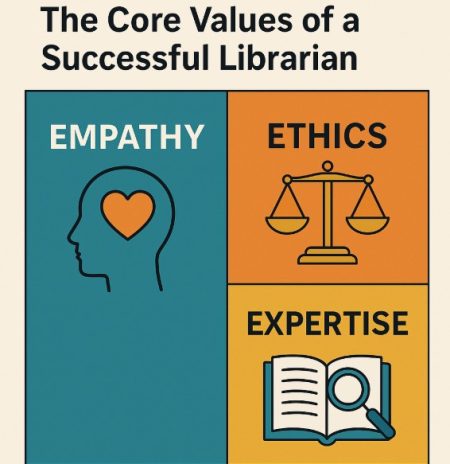
Ethical principles play a foundational role in the profession of librarianship, guiding librarians in their daily responsibilities and interactions with library users, colleagues, and society at large. These principles ensure that libraries remain places of intellectual freedom, equal access to information, and a commitment to privacy and confidentiality. For instance, librarians uphold the right to access a wide range of materials without fear of censorship, even when the content is controversial. An example of this is when librarians resist efforts to ban books or restrict access to materials based on their content, as seen in the American Library Association’s stance on book banning in schools and public libraries.
Central to the ethical framework is the belief in providing unrestricted access to information, where librarians uphold the right to free expression and resist censorship. However, this commitment to intellectual freedom is balanced with the responsibility to protect user privacy. Librarians are bound to safeguard personal data, such as borrowing records, from unauthorized access. For example, if law enforcement requests access to a user’s library records, librarians must carefully evaluate such requests against the privacy rights of individuals, often requiring a legal warrant or court order. Additionally, librarians are guided by the principle of equity, ensuring that all individuals, regardless of their background, have fair and equal access to library resources and services. In practice, this could involve providing special services for underserved communities, such as offering multilingual materials or creating accessible resources for individuals with disabilities. A notable example is when libraries offer programs or technology that support individuals with visual impairments, such as screen readers or Braille books.
Ethical librarianship also requires professionalism in handling conflicts of interest, advocating for transparency, and maintaining integrity in their decision-making processes. For example, when librarians select books and resources for their collections, they must ensure that their choices are based on the needs and interests of the community, rather than personal biases or the influence of external vendors. In an increasingly digital world, these ethical principles extend to managing digital resources and addressing emerging challenges like misinformation, copyright, and the responsible use of technology. Librarians play a key role in educating users about information literacy, helping them distinguish between credible sources and unreliable content. For instance, many libraries now offer workshops that teach users how to evaluate online sources, an essential skill in an age dominated by misinformation and fake news.
Ethical Principles of Librarianship Profession
Librarianship is a profession that thrives on values such as intellectual freedom, privacy, equity, and professional integrity. These values are reflected in the ethical principles that guide librarians in their day-to-day work. These principles are not only essential for maintaining public trust but also for ensuring that libraries serve as inclusive, accessible, and effective spaces for all members of society. As the role of libraries continues to evolve in an increasingly digital world, these ethical principles remain crucial to guiding librarians through complex situations while ensuring fair and equitable access to information.
- Intellectual Freedom; At the heart of librarianship lies the principle of intellectual freedom. This principle asserts that all individuals, regardless of their age, race, gender, or background, should have access to the full spectrum of human knowledge and expression. Intellectual freedom ensures that libraries provide a safe and open space for individuals to explore a wide range of ideas, opinions, and cultures. It also protects the right of users to receive, impart, and seek information without fear of censorship or discrimination.
Librarians have an ethical obligation to resist censorship and to protect library users from undue restrictions on their right to access information. In practical terms, this means opposing efforts to remove or restrict library materials, whether these efforts are motivated by political, social, or religious beliefs. A famous example is the ongoing debate over book banning in public and school libraries. Libraries uphold intellectual freedom by providing access to diverse viewpoints and ensuring that even controversial or unpopular materials are available to those who wish to access them. - Privacy and Confidentiality: Privacy is a foundational ethical principle in librarianship. Librarians are entrusted with sensitive personal data, including borrowing records, research preferences, and other forms of identifiable information. Protecting this data from unauthorized access is essential to maintaining users’ trust and ensuring that they feel safe using library services.
Librarians are ethically bound to maintain the confidentiality of their users’ information, unless required by law to disclose it. For example, library users’ borrowing records should remain confidential, and librarians must resist requests from external entities, such as government agencies or law enforcement, unless a legal warrant or court order compels them to release such information. In this way, librarians play a critical role in protecting users’ privacy and safeguarding the integrity of library services. - Equity, Diversity, and Inclusion: Libraries must provide equitable access to information and services for all individuals, regardless of their background, race, ethnicity, or socioeconomic status. This ethical principle reflects the belief that libraries are public institutions that should serve everyone in the community. Librarians work diligently to ensure that library services are accessible to all individuals, including those from marginalized or underserved groups.
A major aspect of this principle is ensuring that library collections reflect the diversity of the community. This means that libraries must not only offer materials that represent different cultural perspectives but also provide resources in multiple languages and formats, such as books in Braille or large print for individuals with visual impairments. An example of this is when libraries create specialized programs and collections aimed at underserved populations, such as providing access to educational resources for low-income individuals or offering technology services for those without personal internet access. - Professional Integrity and Accountability: Librarianship requires high standards of professionalism, integrity, and accountability. Librarians must make decisions based on ethical considerations rather than personal biases, external pressures, or financial incentives. Professional integrity means that librarians must uphold the values of the profession and act in the best interest of their communities.
For instance, librarians who select materials for the library’s collection must do so based on the informational value of those materials and the needs of their patrons, rather than allowing external influences, such as political pressure or corporate sponsorship, to dictate their choices. In an age where misinformation can spread rapidly, librarians are also responsible for ensuring that the information they provide to users is accurate, reliable, and trustworthy. Upholding professional integrity is key to maintaining public confidence in the library and its services. - Access to Information and Digital Literacy: As libraries increasingly provide digital resources and services, the ethical principle of providing access to information becomes even more critical. Librarians have an ethical obligation to ensure that all individuals, regardless of their technological expertise, have the tools and knowledge to access and use digital resources effectively.
Digital literacy has become an essential skill in the 21st century, and librarians play a key role in educating the public about how to navigate the digital information landscape. Libraries not only provide access to computers and the internet but also offer training on how to use these tools responsibly. For instance, many libraries offer workshops on how to critically evaluate online sources or protect personal information online. In an era of fake news and misinformation, librarians are at the forefront of helping users develop the skills needed to distinguish between credible and unreliable sources of information. - Advocacy for Libraries and the Profession: Librarians must advocate for the role of libraries in society, recognizing that libraries contribute to the intellectual, cultural, and social well-being of communities. Advocacy is crucial to ensuring that libraries receive the resources, funding, and political support needed to continue providing essential services.
Librarians advocate not only for the needs of their profession but also for the needs of the communities they serve. This includes lobbying for better funding for library programs, defending libraries from censorship efforts, and working to ensure that library services are inclusive and accessible to everyone. In addition, librarians play a key role in promoting the value of libraries as spaces for learning, personal growth, and community engagement.
Ethical principles in librarianship provide the foundation for a profession that seeks to uphold the values of intellectual freedom, privacy, equity, and integrity. As information professionals, librarians are charged with making ethical decisions that ensure equal access to information, protect users’ privacy, and foster an inclusive and equitable environment for all. Whether managing digital resources, curating collections, or advocating for library funding, librarians rely on these ethical principles to navigate the challenges they face in their work. As technology continues to evolve and the information landscape becomes more complex, these principles remain crucial for librarians to maintain public trust and ensure that libraries continue to serve as essential, trusted resources for all.
How do Librarians Balance the Need for Intellectual Freedom with the Responsibility of Protecting Sensitive Information?
Balancing intellectual freedom with the responsibility of protecting sensitive information is one of the most complex and essential aspects of librarianship. Intellectual freedom, a core value of the profession, ensures that individuals have the right to access a broad range of ideas, knowledge, and resources without fear of censorship. Librarians uphold this principle by curating collections that represent diverse viewpoints, resisting external pressures to remove or restrict access to materials, and advocating for the public’s right to explore information freely. At the same time, librarians are entrusted with protecting the privacy and confidentiality of library users. With sensitive data, such as borrowing records, personal research inquiries, and digital footprints, librarians have an ethical duty to safeguard this information from unauthorized access, ensuring that users feel safe and secure while using library services. The challenge arises when these two responsibilities—intellectual freedom and privacy protection—seem to conflict. For instance, when a user accesses controversial materials, it may raise concerns about surveillance or governmental inquiries into their reading habits, placing librarians in a position where they must protect the privacy of users while ensuring they maintain access to materials freely.
Librarians navigate this challenge by employing strategies that uphold both principles. One such strategy is offering anonymous library services, such as allowing users to borrow materials without attaching their personal information to their borrowing history, thereby minimizing the risk of exposure. Librarians also adhere to strict confidentiality policies, ensuring that sensitive user data is only shared under specific, legally justifiable circumstances. Regular staff training reinforces the importance of maintaining privacy and ensures that librarians handle such requests appropriately. Moreover, librarians actively resist censorship and advocate for intellectual freedom, even when faced with pressures to remove materials from library collections. They make sure any legal restrictions are transparently documented and communicated, protecting users’ rights while complying with the law. Additionally, in the digital space, libraries use technical measures such as encryption, firewalls, and secure databases to protect user data, while also being transparent about their data protection practices. By openly communicating how user information is handled, libraries build trust and safeguard personal privacy.
Librarians also face the complex intersection of legal compliance and ethical responsibility when they are required to release user information by law. In such instances, librarians ensure that all legal requests for information are justified and that privacy protections are as strong as possible. Throughout this process, librarians continue to advocate for policies and laws that better protect both intellectual freedom and user privacy, striving to create an environment that respects both values. Through these practices, librarians balance the need for intellectual freedom with the responsibility to protect sensitive information, ensuring libraries remain trusted spaces for free inquiry and secure access to knowledge.
How should Librarians Address the Challenge of Censorship while Maintaining their Ethical Responsibility to Provide Access to Diverse Viewpoints?
Censorship presents a significant challenge for librarians who must balance their ethical responsibility to provide access to a wide range of ideas with the external pressures that may seek to restrict certain materials. Intellectual freedom, a cornerstone of librarianship, ensures that individuals have the right to explore diverse viewpoints without fear of censorship or restriction. Librarians uphold this principle by curating collections that represent a broad spectrum of perspectives, including those that may be controversial or unpopular. For example, librarians resist efforts to remove books or media that address sensitive issues such as politics, race, or sexuality, as these materials are vital for fostering informed and critical thinking. However, librarians also have an ethical duty to provide access to diverse viewpoints, including those from marginalized or underrepresented groups. By ensuring that library collections are inclusive, librarians help promote a well-rounded understanding of the world, where multiple perspectives are valued and accessible to all.
When dealing with censorship, librarians must carefully navigate competing interests from community members who may advocate for restricting access to certain materials. This requires a delicate balance, as librarians must respect community values while remaining steadfast in their commitment to intellectual freedom. To address this challenge, librarians can develop clear collection development policies that prioritize intellectual freedom and the inclusion of diverse perspectives. These policies should outline the process for selecting materials based on educational and informational value, rather than personal or external pressures. Having a transparent and well-defined policy helps librarians defend their decisions when faced with challenges to materials in the collection.
Librarians can also engage in open dialogue with the community to address concerns about controversial materials. By educating the public on the importance of intellectual freedom and the library’s role in providing access to a wide range of ideas, librarians can foster understanding and mitigate the impact of censorship attempts. Advocacy for the profession is another key strategy, as librarians must be prepared to speak out against efforts to restrict access to library resources. This can include public advocacy campaigns or collaboration with organizations like the American Library Association to defend the library’s right to provide diverse materials.
In addition to resisting censorship, librarians have an ethical responsibility to promote critical thinking and information literacy. By teaching library users how to evaluate information and engage with diverse viewpoints, librarians empower them to make informed decisions about the materials they choose to explore. This approach helps ensure that library users can navigate potentially controversial topics in a balanced and thoughtful way. Libraries can also create safe spaces for open discussion, where individuals can engage with differing perspectives in a respectful and constructive manner. Offering programs or discussion groups on controversial topics helps foster an environment of tolerance and dialogue, further supporting intellectual freedom.
When materials are challenged, librarians must follow established procedures to ensure that the process is fair and transparent. A formal review process, which may involve library staff, community members, and external experts, helps to ensure that challenged materials are assessed based on their educational or informational value, rather than personal or political bias. By maintaining these processes, librarians can demonstrate their commitment to intellectual freedom and minimize the impact of censorship.
Ultimately, librarians must continue to defend intellectual freedom and ensure that library resources reflect the diverse viewpoints necessary for a well-rounded education. By adhering to clear policies, engaging with the community, promoting critical thinking, and following fair procedures for handling challenges, librarians can effectively address the challenge of censorship while maintaining their ethical responsibility to provide access to a broad range of ideas and information. In doing so, they preserve the integrity of the library as a space where individuals can freely explore knowledge and form their own opinions.
Acknowledgements:
- Hansson, J. (2017). Professional value and ethical self-regulation in the development of modern librarianship: The documentality of library ethics. Journal of Documentation, 73(6), 1261–1280. https://doi.org/10.1108/JD-02-2017-0022
- Hauptman, R. (2010). Ethics and Librarianship. McFarland.
- Pourahmad, A. A., Moradzadeh, H., & Neshat, M. (2013). An Overview of Ethical Norms and Principles of Librarianship. 5(4).
- Tunde, S. I. (n.d.). CORE VALUES OF LIBRARIANSHIP AND PRACTICE OF INFORMATION ETHICS BY LIBRARIANS IN FOUR HIGHER INSTITUTIONS IN OYO STATE, NIGERIA BY ADEBAYO JOHN OLUWASEYE, CLN Department of Library Archival and Information Studies, University of Ibadan, Nigeria johnoluwaseye@yahoo.com AKOLE OLATUBOSUN BUSUYI, CLN Reference Librarian, College of Education, Ikere-Ekiti, Ekiti State, Nigeria daddykofoworola@gmail.com.
- Wilkinson, L. (2014). Principlism and the Ethics of Librarianship. Taylor & Francis. https://www.tandfonline.com/doi/abs/10.1080/02763877.2014.853270
- Yaya, J., & Adeeko, K. (2015). Professionalism in Librarianship: Librarians’ Functions, Challenges and the Way Forward. 70–79.