Librarianship, long regarded as the cornerstone of knowledge preservation and dissemination, has undergone a remarkable transformation in the digital age. Traditionally centered around organizing and curating physical collections, modern librarianship now embraces a dynamic role that extends far beyond the confines of bookshelves. Librarians are no longer mere custodians of information but are now facilitators of access to diverse resources, technology guides, and key contributors to the knowledge economy. Qualities for a Successful Career in Librarianship
In today’s world, librarians are at the forefront of bridging the gap between vast information sources and individuals seeking knowledge. The proliferation of digital resources, databases, and multimedia content has redefined their responsibilities, demanding not only traditional skills but also proficiency in cutting-edge technology, data management, and user-centered services. Whether empowering students in academic settings, supporting researchers, or providing critical information to underserved communities, librarians are essential in navigating the complexities of the information landscape.
As the digital revolution continues to reshape how people discover and use information, librarianship remains a vital and evolving profession. It requires a blend of timeless qualities—such as patience and a passion for learning—with modern expertise in areas like digital literacy, artificial intelligence, and online resource curation. In this transformative era, librarians play a pivotal role in ensuring equitable access to information, fostering lifelong learning, and supporting innovation across industries and societies.
Why Having the Right Skills and Qualities is Critical for Success in Librarianship
Having the right skills and qualities is essential for success in librarianship because the profession demands a unique combination of technical expertise, interpersonal acumen, and adaptability to change. Librarians play a critical role in connecting people with knowledge, which requires a deep understanding of information organization and the ability to navigate diverse user needs. Strong communication skills, empathy, and cultural competence are vital in creating an inclusive environment that serves patrons from all walks of life.
In today’s digital age, technological proficiency is equally important. Librarians must stay abreast of advancements in digital tools, online resource management, and emerging technologies like artificial intelligence. These skills enable them to provide relevant, efficient services and maintain their position as leaders in information access. Additionally, librarians are entrusted with the responsibility of guiding users toward credible sources and combating misinformation, which demands attention to detail, research expertise, and ethical judgment.
Beyond technical skills, librarianship requires a passion for lifelong learning, creativity, and the ability to foster collaboration. Librarians often act as educators, teaching users how to navigate complex information systems and promoting a love of learning. They also work with various stakeholders to design programs that make libraries vibrant hubs for innovation and community engagement. Ultimately, possessing the right skills and qualities allows librarians to adapt to the profession’s evolving demands, make a meaningful impact, and uphold their role as guardians of knowledge and cultural heritage.
Core Skills Required for the Librarianship Profession
Librarianship is a dynamic and rewarding profession that is pivotal in connecting people with information and fostering knowledge sharing. As the landscape of libraries evolves with technological advancements and changing user needs, librarians must develop and refine a broad range of core skills to excel in their roles. These skills ensure that librarians can effectively manage resources, serve diverse communities, and adapt to the ever-changing demands of the profession.
- Information Organization and Management: Effective information organization and management are at the heart of librarianship. Librarians use classification systems like Dewey Decimal and the Library of Congress, along with metadata standards, to categorize and structure both physical and digital resources. This skill ensures that information is systematically stored, easy to locate, and accessible to users. Mastery of cataloging principles and familiarity with taxonomies are essential for creating efficient and user-friendly library systems. In a digital context, knowledge of database management and content indexing is crucial for curating and maintaining online collections.
- Research and Reference Skills: Librarians are often sought after for their expertise in conducting thorough and accurate research. They need to be proficient in using advanced search techniques, navigating databases, and identifying scholarly resources. Additionally, librarians must critically evaluate sources for credibility, relevance, and reliability to ensure users receive accurate information. Their role as research facilitators extends to helping patrons refine their inquiries and guiding them toward the best resources, making this skill indispensable in both academic and public libraries.
- Technological Proficiency: In the digital age, technology plays a significant role in librarianship. Librarians must be adept at using integrated library systems (ILS), digital cataloguing tools, and circulation software to manage library operations. They are also expected to oversee digital repositories and manage electronic resources, such as e-books and online journals. Beyond existing tools, staying informed about emerging technologies, like artificial intelligence and data analytics, helps librarians remain innovative and provide cutting-edge services. Proficiency in troubleshooting technology-related issues further enhances their effectiveness.
- Communication Skills: Clear and effective communication is a cornerstone of librarianship. Whether interacting with patrons, collaborating with colleagues, or advocating for library funding, librarians must convey ideas clearly and persuasively. Written communication skills are vital for preparing reports, proposals, and instructional materials, while verbal skills enable librarians to engage effectively in discussions, presentations, and training sessions. Strong interpersonal communication also helps in understanding and addressing user needs with empathy and precision.
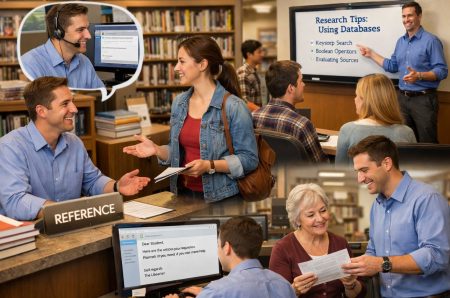
- Customer Service Orientation: Libraries are community-centered institutions, and excellent customer service is a key component of librarianship. Librarians must be approachable, patient, and responsive to user inquiries, providing tailored assistance to meet individual needs. Whether it’s helping a patron locate a book, troubleshoot a technical issue, or navigate a database, a service-first mindset ensures positive user experiences. This orientation fosters trust and encourages users to see the library as a reliable and welcoming resource.
- Critical Thinking and Problem-Solving: Librarians face various challenges, from resolving information gaps to managing resource constraints. Critical thinking enables them to analyze situations, evaluate options, and devise practical solutions. For example, when faced with outdated materials or budget cuts, librarians use problem-solving skills to optimize existing resources and maintain service quality. This ability to think strategically and adapt to challenges enhances their role as effective problem solvers in their communities.
- Project Management: Librarians often juggle multiple responsibilities, including organizing events, implementing new technologies, and managing budgets. Strong project management skills are essential for planning, coordinating, and executing these initiatives effectively. Librarians must prioritize tasks, allocate resources efficiently, and meet deadlines while maintaining quality. This skill is particularly important for leadership positions, where oversight of teams and large-scale projects is common.
- Instructional Skills: As educators, librarians frequently teach patrons how to access, evaluate, and utilize resources. They may conduct workshops on topics like digital literacy, research methods, or database navigation. Effective instructional skills enable librarians to break down complex information into digestible content, ensuring that users can confidently apply what they learn. This educational role empowers patrons, fostering independence and a deeper engagement with library resources.
- Adaptability and Lifelong Learning: The field of librarianship is constantly evolving, with new technologies, trends, and challenges emerging regularly. Librarians must be adaptable, embracing change and seeking opportunities to learn and grow. Librarians can remain relevant and effective by staying informed about developments in information science, digital tools, and user behavior. Lifelong learning enhances their skills and inspires them to innovate and improve services continually.
The librarianship profession demands broad skills that blend technical expertise with interpersonal and analytical capabilities. From organizing information and conducting research to mastering technology and delivering excellent customer service, these core skills enable librarians to adapt to the profession’s evolving demands and provide exceptional service to their communities. By cultivating these skills, librarians can not only succeed in their roles but also contribute meaningfully to the advancement of knowledge and education in society.
Essential Qualities for a Successful Career in Librarianship
Librarianship is not just a profession but a vocation that combines technical expertise with a deep sense of service. Beyond the core skills required to manage information and technology, librarians must possess certain personal and professional qualities that enable them to connect with users, adapt to change, and thrive in a dynamic field. Here are the essential qualities that every successful librarian should embody:
- Adaptability: The world of information is constantly evolving, with new technologies, user behaviors, and challenges emerging regularly. Adaptability is a crucial quality that allows librarians to embrace change and innovate in their roles. Whether adopting a new library management system, integrating artificial intelligence tools, or meeting the changing needs of a diverse user base, being flexible and open to learning ensures a librarian’s relevance in the profession.
- Curiosity and Lifelong Learning: Librarians are lifelong learners by nature, driven by an innate curiosity to explore and understand new concepts. This quality is essential in staying updated with the latest trends in information science, technology, and user engagement. Curiosity also drives librarians to expand their knowledge base, enabling them to provide better service and foster a culture of learning within their communities.
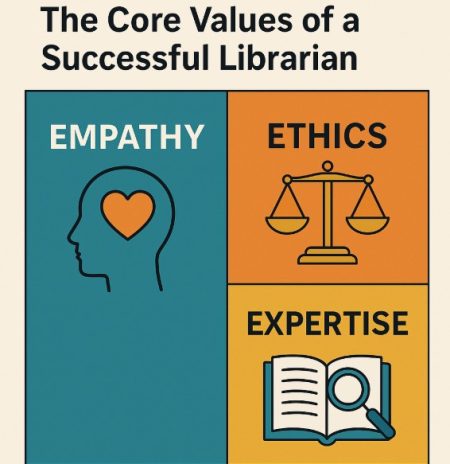
- Empathy and Patience: Working in a service-oriented profession, librarians must have empathy and patience to address the unique needs of their patrons. Users often approach libraries with diverse backgrounds, varying levels of knowledge, and sometimes urgent or sensitive concerns. Empathy helps librarians understand and respond effectively to these needs, while patience ensures they provide thoughtful and supportive assistance, creating a welcoming and inclusive environment.
- Attention to Detail: From cataloging resources to curating collections and managing digital archives, attention to detail is a critical quality for librarians. Precision and accuracy in these tasks ensure that users can access the correct resources efficiently. This quality also extends to evaluating information sources, designing programs, and maintaining library operations with a high level of professionalism.
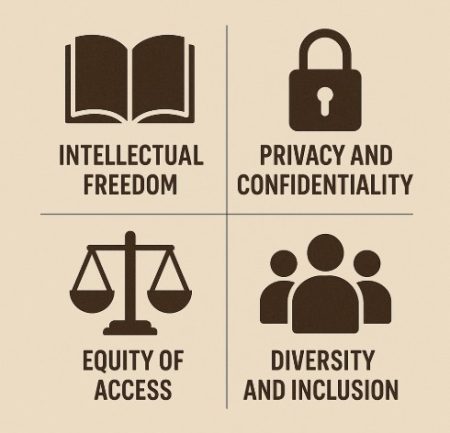
- Strong Ethical Values: Librarians are guardians of information and advocate for intellectual freedom. A strong sense of ethics is vital to ensure that they uphold principles like user privacy, equal access to information, and unbiased resource management. Ethical decision-making is particularly important in addressing challenges such as censorship, copyright issues, and the digital divide.
- Service Orientation: At its core, librarianship is about serving others. A genuine desire to help people and improve their lives is a foundational quality for librarians. This service orientation drives librarians to go above and beyond in meeting user needs, whether it’s guiding a student through a complex research project or offering community programs that promote literacy and lifelong learning.
- Collaboration and Teamwork: Libraries are collaborative environments, requiring librarians to work closely with colleagues, educators, researchers, and community leaders. Strong teamwork and the ability to build partnerships enhance the effectiveness of library programs and services. A collaborative mindset also fosters innovation, as librarians exchange ideas and share expertise to tackle challenges collectively.
- Creativity and Innovation: Librarianship often calls for creative thinking and innovative solutions to meet the ever-changing demands of the profession. Whether designing engaging programs, developing new ways to promote resources, or finding cost-effective solutions for resource management, creativity helps librarians stay relevant and impactful. Innovation is particularly crucial in leveraging technology to enhance user experiences.
- Leadership and Advocacy: Even for librarians not in formal leadership roles, leadership qualities like initiative, vision, and the ability to inspire others are invaluable. Librarians often advocate for their institutions by promoting the value of libraries to stakeholders and the community. Strong leadership ensures libraries remain indispensable resources in society.
- Cultural Competence: Libraries serve diverse communities with unique cultural, linguistic, and socioeconomic backgrounds. Cultural competence is the ability to understand, respect, and respond appropriately to these differences. This quality enables librarians to create inclusive programs, develop relevant collections, and foster a sense of belonging among all users.
Essential qualities such as adaptability, empathy, and a service-oriented mindset define the librarian’s role as a vital contributor to education and knowledge-sharing. Combined with a commitment to ethics, creativity, and collaboration, these qualities empower librarians to address the evolving needs of their communities and leave a lasting impact on the world of information. By cultivating these traits, librarians can ensure not only their personal success but also the continued relevance and excellence of their profession.
Challenges in Librarianship and How to Overcome Them
Librarianship is a rewarding profession, but it comes with its own set of challenges that require resilience, adaptability, and innovation. From navigating technological advancements to addressing budget constraints, librarians must continuously evolve to meet the needs of their users and communities. Below are some of the key challenges in librarianship and strategies for overcoming them.
- Rapid Technological Advancements
- Challenge: The digital age has revolutionized how information is accessed and managed, requiring librarians to stay updated with emerging technologies such as artificial intelligence, big data, and virtual reality. Falling behind in technological proficiency can hinder a library’s ability to serve its users effectively.
- How to Overcome It: Librarians can overcome this challenge by committing to continuous learning and professional development. Attending workshops, webinars, and industry conferences provides opportunities to stay informed about new tools and trends. Additionally, libraries can foster a culture of innovation by encouraging staff to experiment with and adopt new technologies.
- Budget Constraints:
- Challenge: Libraries often face limited funding, which can impact collection development, staff hiring, and the implementation of new programs or technologies. Budget cuts may also reduce patrons’ access to essential resources.
- How to Overcome It: Advocacy is key to addressing budget constraints. Librarians can demonstrate the value of their services through data-driven reports, testimonials, and success stories that showcase the library’s impact on the community. Collaborating with local organizations, applying for grants, and exploring partnerships can also help secure additional funding.
- Combating Misinformation:
- Challenge: The spread of misinformation and fake news presents a significant challenge for librarians, who are often viewed as trusted sources of accurate information. Ensuring users can discern credible sources is an ongoing task.
- How to Overcome It: Librarians can organize workshops and programs to teach digital literacy and critical thinking skills. Creating resource guides and curated collections that highlight reliable information sources can also help users navigate complex information landscapes. Collaborating with educators and community leaders amplifies these efforts.
- Declining Library Usage:
- Challenge: With the availability of online resources and alternative information sources, some libraries face declining foot traffic and reduced engagement with their services.
- How to Overcome It: Libraries can attract users by diversifying their services and offering programs that meet current community needs, such as maker spaces, coworking areas, and technology training sessions. Utilizing social media and other marketing tools to promote library offerings increases visibility and demonstrates the library’s relevance in the digital age.
- Balancing Traditional and Modern Roles:
- Challenge: Librarians must balance traditional roles, such as maintaining physical collections, with modern responsibilities, like managing digital archives and teaching digital literacy. This duality can be overwhelming, especially in smaller libraries with limited staff.
- How to Overcome It: Developing a clear strategy for integrating traditional and modern roles can help manage priorities. Cross-training staff to handle both physical and digital tasks ensures a more versatile workforce. Collaborating with other libraries to share expertise and resources can also ease the burden.
- Serving Diverse Communities
- Challenge: Libraries serve users with diverse cultural, linguistic, and socioeconomic backgrounds, which can present challenges in designing inclusive programs and ensuring equitable access to resources.
- How to Overcome It: Cultural competence training helps librarians better understand and respond to the needs of diverse users. Offering multilingual resources, creating programs tailored to specific community groups, and addressing digital equity by providing free access to technology can foster inclusivity. Engaging with community leaders ensures that library services align with the unique needs of the population.
- Managing Workload and Burnout:
- Challenge: Librarians often juggle multiple responsibilities, including administrative tasks, user support, and program development. This workload can lead to stress and burnout.
- How to Overcome It: Time management and delegation are crucial in managing workload effectively. Librarians should prioritize tasks, automate repetitive processes where possible, and encourage team collaboration. Maintaining a healthy work-life balance and seeking support from colleagues or professional networks can also mitigate burnout.
- Adapting to Evolving User Expectations
- Challenge: Modern users expect libraries to offer more than just books—they seek spaces for learning, collaboration, and social interaction. Meeting these evolving expectations requires creativity and flexibility.
- How to Overcome It: Librarians can engage with their communities to understand user needs and preferences through surveys, focus groups, and feedback sessions. Redesigning library spaces to include flexible seating, study areas, and interactive zones enhances user experience. Staying responsive to feedback ensures the library remains a valued resource.
- Preserving Digital and Physical Collections:
- Challenge: Balancing the preservation of physical collections with the digitization of resources is a growing challenge, especially as digital formats evolve and require ongoing maintenance.
- How to Overcome It: Investing in digital preservation tools and training ensures that digital collections remain accessible over time. For physical collections, employing conservation techniques and creating digitized backups can safeguard valuable resources. Collaborating with archival organizations and leveraging shared repositories further supports preservation efforts.
- Keeping Up with Professional Development
- Challenge: The demands of daily work can make it difficult for librarians to prioritize their own professional growth and stay updated with industry trends.
- How to Overcome It: Allocating time for professional development is essential. Libraries can support staff by offering funding for conferences, memberships to professional organizations, and access to training resources. Librarians can also participate in online learning platforms and peer networks to expand their knowledge and skills.
While significant challenges in librarianship present opportunities for growth and innovation, By embracing continuous learning, fostering collaboration, and leveraging technology, librarians can overcome these hurdles and ensure that libraries remain vibrant, relevant, and indispensable in their communities. Resilience and adaptability are the cornerstones of success in navigating these challenges and advancing the profession.
The challenges faced by modern librarianship, from navigating technological advancements to addressing budget constraints, highlight the dynamic and evolving nature of the profession. While these hurdles may seem daunting, they also present opportunities for growth, innovation, and leadership. By embracing adaptability, continuous learning, and a proactive approach, librarians can turn challenges into stepping stones for success. Fostering collaboration, leveraging technology, and engaging with the community are critical strategies to ensure libraries remain relevant and indispensable. Ultimately, resilience, creativity, and a commitment to serving users form the foundation for overcoming challenges and advancing the profession in meaningful ways. By addressing these issues head-on, librarians can continue to play a vital role in promoting knowledge, education, and inclusivity in a rapidly changing world.
Reference Articles:
- Ammons-Stephens, S., Cole, H., Jenkins-Gibbs, K., Riehle, C., & Weare, W. (2009). Developing Core Leadership Competencies for the Library Profession. UNL Libraries: Faculty Publications. https://digitalcommons.unl.edu/libraryscience/354
- Aslam, M. (2018). Current trends and issues affecting academic libraries and leadership skills. Library Management, 39(1/2), 78–92. https://doi.org/10.1108/LM-10-2016-0076
- Butt, K., Jabeen, M., & Zareef, M. (2023). What leadership qualities are necessary for productive librarianship? Explore coaxial traits of academic librarians in the twin cities of Pakistan. The Journal of Academic Librarianship, 49(3), 102677. https://doi.org/10.1016/j.acalib.2023.102677
- Dodd, J. (2019). Competency or Capacity: Measuring Librarians’ Potential for Success. Journal of Library Administration, 59(6), 684–692. https://doi.org/10.1080/01930826.2019.1626648
- Evans, E. G., & Ward, P. L. (2007). Leadership Basics for Librarians and Information Professionals. Scarecrow Press.
- Gregory, G. M. (2005). The Successful Academic Librarian: Winning Strategies from Library Leaders. Information Today, Inc.
- Kwan, D., & Shen, L. (2015). Senior Librarians’ Perceptions of Successful Leadership Skills. In Advances in Library Administration and Organization (world; Vol. 33, pp. 89–134). Emerald Group Publishing Limited. https://doi.org/10.1108/S0732-067120150000033003
- Martin, J. (2018). What Do Academic Librarians Value in a Leader? Reflections on Past Positive Library Leaders and a Consideration of Future Library Leaders. College & Research Libraries, 79(6), Article 6. https://doi.org/10.5860/crl.79.6.799
- Nonthacumjane, P. (2011). Key skills and competencies of a new generation of LIS professionals. IFLA Journal, 37(4), 280–288. https://doi.org/10.1177/0340035211430475
- Pantry, S., & Griffiths, P. (2003). Your Essential Guide to Career Success. Facet Publishing.
- Williams, R. D., & Saunders, L. (2020). What the Field Needs: Core Knowledge, Skills, and Abilities for Public Librarianship. The Library Quarterly, 90(3), 283–297. https://doi.org/10.1086/708958
- Yaya, J. A., & Adeeko, K. (2015). Professionalism in Librarianship: Librarians’ Functions, Challenges and the Way Forward. 1(3).