Explicit knowledge refers to information that can be clearly articulated, systematically documented, and easily communicated to others. This type of knowledge is typically expressed in formal language, structured formats, or symbolic systems such as words, numbers, charts, or diagrams. Because of its codified nature, explicit knowledge can be stored in books, manuals, websites, training videos, standard operating procedures (SOPs), academic papers, databases, and digital repositories. For example, a user manual for operating a photocopier, a company’s employee handbook, a library classification guide, or a scientific article explaining the laws of thermodynamics are all instances of explicit knowledge.
This kind of knowledge is particularly valuable in organizational settings, where it can be easily shared among employees or across departments through documents or digital tools. For instance, instructional materials provided during employee orientation or documentation in a software development knowledge base are practical examples of how explicit knowledge supports learning and operational continuity. Unlike tacit knowledge, which is rooted in personal experience, skills, or intuition and is harder to express, explicit knowledge is accessible and transferable without needing the original source. Its clarity and portability make it a cornerstone of knowledge management strategies, educational frameworks, and digital transformation initiatives.
What is Explicit Knowledge?
Explicit knowledge is defined as knowledge that can be clearly communicated, documented, and easily transmitted to others through formal language and structured formats. It represents the kind of information that is consciously known and can be readily codified and stored in physical or digital mediums. This makes it distinctly different from tacit knowledge, which is personal, context-specific, and often difficult to express or transfer. Explicit knowledge includes facts, rules, procedures, instructions, theories, and data that can be organized and presented using language, numbers, visuals, or other symbols. For instance, a library catalog, scientific journal articles, employee handbooks, technical manuals, encyclopedias, and course syllabi are all examples of explicit knowledge.
One of the defining characteristics of explicit knowledge is that it can be detached from the individual who created it and shared widely, allowing others to learn and apply it without needing the original source. It plays a central role in formal education, training programs, research, policymaking, and business operations. In organizations, explicit knowledge helps standardize processes, preserve institutional memory, and enhance decision-making through well-documented procedures and guidelines. For example, a customer service script used by call center agents or a set of engineering blueprints for constructing a building are both tools that encapsulate explicit knowledge for systematic use.
Modern technologies-such as knowledge management systems, databases, intranets, and cloud-based repositories-further enable the efficient capture, retrieval, and dissemination of explicit knowledge. As a result, organizations and institutions that actively manage their explicit knowledge assets gain a competitive advantage through improved collaboration, innovation, and service delivery. However, despite its ease of sharing, explicit knowledge may still require context or interpretation for effective use, especially when it relates to complex or specialized domains. Therefore, while it is widely accessible, its real value often depends on how well it is organized, contextualized, and applied.
What Are Some Common Examples of Explicit Knowledge?
Explicit knowledge is the type of knowledge that can be easily written down, recorded, or codified and then shared with others. It is structured, objective, and formal, making it accessible to individuals or groups without the need for the original knowledge holder to be present. Because of its clarity and transferability, explicit knowledge is widely used in education, business, science, technology, and various professional fields. Below are some of the most common examples of explicit knowledge across different domains.
- Instruction Manuals and User Guides: Instruction manuals and user guides are among the most direct examples of explicit knowledge. These documents are designed to provide users with clear, step-by-step instructions on how to operate a device, complete a process, or use a service. For example, a smartphone user manual explains how to set up the device, manage settings, and troubleshoot issues. These guides often include diagrams, numbered steps, and safety instructions to enhance user comprehension. Because they are standardized and documented, they allow anyone, regardless of prior experience, to follow procedures without needing assistance from an expert. This form of knowledge plays a critical role in self-service, technical support, and customer satisfaction.
- Policies and Standard Operating Procedures (SOPs): Policies and SOPs serve as formal documentation that outline rules, responsibilities, and processes within an organization. These documents provide clarity on how to perform tasks correctly and consistently, which is essential for ensuring quality, safety, and compliance. For instance, a university’s academic integrity policy clearly defines what constitutes plagiarism and what disciplinary actions may follow. Similarly, a hospital’s SOP for handling medical emergencies ensures that staff members respond quickly and correctly to critical situations. Because these documents are accessible to all members of an institution, they function as a shared reference point that minimizes ambiguity and enhances accountability.
- Textbooks and Academic Publications: Textbooks and academic journals are rich sources of explicit knowledge used in educational and research settings. They contain systematically organized information, including definitions, theories, data analyses, historical context, and citations that support further study. For example, a physics textbook explains fundamental laws such as Newton’s laws of motion, complete with formulas, diagrams, and problem sets. Academic publications, on the other hand, communicate original research findings in structured formats—abstract, methodology, results, and conclusion—that allow replication and peer review. These resources form the backbone of formal education and scholarly communication, enabling knowledge to be taught, preserved, and expanded over time.
- Training Materials and E-Learning Modules: Training materials such as presentation slides, instructional videos, and e-learning courses are structured tools designed to build specific knowledge or skills. These materials are often part of orientation programs, professional development workshops, or certification courses. For example, an e-learning module on workplace cybersecurity may include lessons, interactive quizzes, and a final assessment to ensure learners understand safe practices. These resources are especially valuable because they allow for self-paced learning, are easy to update, and can be distributed to a wide audience, making them a scalable form of knowledge dissemination across both academic and corporate environments.
- Product Specifications and Technical Blueprints: In engineering, manufacturing, and design, product specifications and technical blueprints are detailed documents that outline how a product should be built, operated, or maintained. These documents include precise measurements, material requirements, tolerances, and technical functions. For instance, a mechanical drawing of a car part includes dimensions, component labels, and performance parameters to guide its production. These forms of explicit knowledge ensure consistency, accuracy, and safety in production and can be interpreted by different specialists across teams and locations. They are essential for quality control and effective collaboration in technical industries.
- Databases and Knowledge Repositories: Digital databases and knowledge repositories store large volumes of explicit knowledge in an organized and searchable format. These systems may include research findings, business reports, customer records, and operational data. For example, a library’s Online Public Access Catalogue (OPAC) allows users to search for books, journals, and digital resources using titles, authors, or keywords. In the corporate world, knowledge bases are used to preserve institutional memory by documenting FAQs, troubleshooting tips, project reports, and internal communications. These systems enhance decision-making, streamline operations, and support training by making information easily retrievable when needed.
- Codes, Laws, and Regulations: Legal systems rely heavily on codified rules and procedures that are published for public knowledge and compliance. Constitutions, labor laws, tax codes, and international treaties are all examples of explicit knowledge that define rights, duties, and permissible actions within a society or jurisdiction. For example, a country’s labor law clearly outlines employee rights, minimum wage, working hours, and termination procedures. These documents are interpreted and enforced by legal professionals and institutions, and they must be publicly accessible to ensure transparency, fairness, and justice. The ability to codify and distribute such legal knowledge helps uphold the rule of law in democratic systems.
- FAQs and Help Documentation: Frequently Asked Questions (FAQs) and online help documents are created to assist users in resolving common issues or understanding how a service or product works. These resources present explicit knowledge in a user-friendly and accessible format, often with direct answers, screenshots, or step-by-step instructions. For example, a software company’s FAQ page might answer questions like “How do I reset my password?” or “How can I upgrade to a premium plan?” These documents reduce the need for live customer support and empower users to find solutions independently, making them a vital tool in digital customer service and self-learning environments.
Explicit knowledge is an essential part of everyday life, organizational operations, education, and governance. Its value lies in its clarity, repeatability, and transferability. From technical manuals to training videos and legal codes, these various forms of documented knowledge allow information to be shared efficiently across time and space. By effectively capturing and managing explicit knowledge, individuals and institutions can improve performance, ensure consistency, and build a sustainable knowledge culture.
Why Is Explicit Knowledge Considered Easier to Share and Transfer?
Explicit knowledge is regarded as easier to share and transfer due to its inherent qualities of structure, clarity, and formality. Unlike tacit knowledge, which is deeply personal and tied to individual experiences or intuition, explicit knowledge is codified in a way that allows it to be expressed clearly through language, symbols, visuals, or numerical data. This codification enables it to be recorded in various formats—such as books, manuals, policy documents, reports, presentations, or digital files—making it accessible to others without the need for direct interaction with the original knowledge holder. For example, a user can learn how to use a complex software system by reading its user manual or watching an instructional video, without needing to meet the developer in person. This detachment from the source is what makes explicit knowledge especially valuable in educational and organizational contexts.
Moreover, explicit knowledge supports independent and self-paced learning, which further enhances its transferability. Learners can read textbooks, attend webinars, or review training materials at their own convenience, allowing knowledge to be disseminated across time zones and learning styles. This is especially effective in today’s digital world, where e-learning platforms and knowledge management systems allow vast repositories of explicit knowledge to be distributed globally. For instance, a multinational corporation can maintain a centralized database of standard operating procedures that employees in various regions can access and follow, ensuring consistency and compliance. The same principle applies in academic settings, where students and researchers across the world access digital libraries, open-access journals, and archived lectures.
Another advantage of explicit knowledge is its replicability and adaptability. Once documented, it can be copied, modified, and customized for different audiences or applications. Because of its standardized nature, it can also be easily translated into multiple languages, making it suitable for use in diverse cultural and geographical settings. This is crucial for international organizations that need to communicate uniform guidelines or training materials across different regions. For example, an international NGO developing a health awareness program can create a single training manual and then translate or localize it for use in different countries without altering its core content.
In addition, capturing knowledge in explicit form helps preserve institutional memory and reduces reliance on individual expertise. Organizations often face knowledge loss when experienced employees retire or leave. However, by documenting key processes, workflows, and best practices, institutions ensure that such knowledge is retained and made available to new staff or future teams. This also supports onboarding and succession planning, as new employees can quickly become familiar with procedures by consulting existing resources rather than relying solely on mentorship or informal training. Finally, the ease of storage, retrieval, and dissemination of explicit knowledge through modern technologies—such as cloud platforms, intranet systems, and online libraries—makes it even more convenient to share. Documents can be emailed, downloaded, or accessed in real-time from remote locations. Knowledge can be continuously updated, tracked, and refined without physical limitations. These capabilities enable organizations and institutions to build dynamic, living knowledge ecosystems that grow over time and adapt to changing needs.
In summary, explicit knowledge is easier to share and transfer because it is formal, documented, and independent of individual context. Its ability to be stored, retrieved, replicated, and distributed at scale makes it a foundational element in learning, communication, and organizational knowledge management. Through structured documentation and digital platforms, explicit knowledge empowers individuals and institutions to share ideas, standardize processes, and retain critical information for long-term use.
In What Forms Can Explicit Knowledge Be Stored?
Explicit knowledge, by definition, refers to information that can be easily articulated, recorded, and communicated using structured formats. Unlike tacit knowledge, which is personal and often unspoken, explicit knowledge is codified and can be stored in various tangible and digital forms. The ability to preserve and organize this knowledge allows institutions, organizations, and individuals to access, transfer, and reuse valuable information over time. Let’s explore the different forms in which explicit knowledge can be stored and how each contributes to knowledge sharing and management.
- Written Documents: One of the most common and traditional forms of storing explicit knowledge is through written documents. These include books, manuals, handbooks, memos, reports, policy documents, standard operating procedures (SOPs), and academic publications. Written documents are widely used in education, administration, and professional fields to convey structured information that can be referenced repeatedly. For example, a company’s employee handbook outlines rules and procedures, while an academic textbook stores vast amounts of subject knowledge for student learning.
- Digital Files and Electronic Documents: In the digital age, most explicit knowledge is stored in electronic formats such as PDFs, Word documents, spreadsheets, and presentation slides. These files can be easily created, edited, stored, and shared via computers or mobile devices. Organizations typically use shared drives, cloud storage, or document management systems to organize and retrieve these files efficiently. Digital formats also allow multimedia integration—such as images, tables, hyperlinks, and embedded videos—which enrich the communication of knowledge.
- Databases and Knowledge Repositories: Structured digital repositories and databases are widely used to store large volumes of explicit knowledge in an organized and searchable way. Libraries use OPAC systems to store bibliographic data, while organizations use internal knowledge management systems to store training materials, project documentation, case studies, and FAQs. These platforms allow users to categorize information, search using filters or keywords, and access content on demand, thereby enhancing knowledge accessibility and reusability.
- Visual Representations: Charts, diagrams, infographics, maps, and flowcharts are powerful tools for storing and conveying complex explicit knowledge in a visual format. For instance, an organizational workflow chart displays the sequence of processes in a system, while a Gantt chart illustrates project timelines. These visual formats simplify the understanding of abstract or detailed content and are particularly useful in education, engineering, business analysis, and strategic planning.
- Audio-Visual Materials: Explicit knowledge can also be stored in audio-visual formats such as recorded lectures, webinars, video tutorials, and podcasts. These materials are especially effective for instructional purposes, offering visual and auditory elements that support deeper learning. For example, a video tutorial on using research databases or a recorded orientation session for new library users are both valuable resources that can be reused across time and users. With platforms like YouTube, MOOCs, and institutional repositories, audio-visual content can reach broad audiences globally.
- Websites and Web Portals: Websites, intranets, and e-learning platforms are increasingly used as interactive spaces for storing and delivering explicit knowledge. University websites, for instance, store course outlines, policy guidelines, library resources, and research publications. Similarly, organizations use web-based portals to provide employees with access to manuals, training materials, operational data, and communication tools. The web-based format ensures real-time updates, cross-platform accessibility, and user-friendly navigation.
- Code, Programming Scripts, and Technical Specifications: In technology and software development, explicit knowledge is frequently stored in the form of source code, application programming interfaces (APIs), and technical specifications. These formats contain precise instructions for systems to function and for programmers to maintain or build upon existing software. For example, a GitHub repository may hold the documented codebase of an application, complete with annotations and user documentation for community collaboration and future development.
Explicit knowledge can be stored in a variety of forms-ranging from traditional written documents to modern digital platforms and multimedia formats. Each storage method has its advantages depending on the context, audience, and purpose of the knowledge being preserved. The effective storage of explicit knowledge ensures that valuable information is not only retained over time but also made accessible for learning, decision-making, collaboration, and innovation. In a knowledge-driven society, investing in well-organized and accessible knowledge storage systems is key to institutional growth and individual empowerment.
Where Can Explicit Knowledge Typically Be Found?
Explicit knowledge, characterized by its structured, documented, and easily shareable nature, forms the foundation of learning, decision-making, and information management across all sectors of society. Because it can be written, codified, and stored, explicit knowledge is widely accessible and preserved in various locations—both physical and digital. From academic institutions to workplaces, from libraries to online platforms, explicit knowledge is embedded in tools, systems, and repositories that support daily operations and intellectual growth. Here are the most common places where explicit knowledge can typically be found.
- Educational Institutions: Educational Institutions are one of the primary sources of explicit knowledge. Schools, colleges, and universities produce and preserve vast quantities of structured and formal knowledge through textbooks, lecture notes, course outlines, lab manuals, and academic research. For instance, a biology textbook explains cellular functions using defined terminology and visuals, allowing students to learn the subject independently. Universities also publish scholarly articles, dissertations, and academic journals that contribute to global knowledge exchange. These materials are stored in both physical formats (such as in departmental libraries) and digital formats through platforms like institutional repositories or Learning Management Systems (LMS), where students and faculty can access them remotely.
- Libraries and Archives: Libraries and Archives serve as foundational repositories of explicit knowledge, offering both printed and electronic materials that are cataloged and organized for public or institutional access. Libraries house encyclopedias, manuals, government publications, and reference works that are classified using systems like the Dewey Decimal or Library of Congress Classification. Archives preserve valuable historical records, old newspapers, manuscripts, and rare documents that represent centuries of accumulated knowledge. For example, a national archive may store historical census data or original legislative acts, which researchers can access for studies in history, law, or public policy. Digital library systems now allow users to search and retrieve such knowledge through Online Public Access Catalogues (OPACs).
- Workplaces and Organizations: Workplaces and Organizations rely on explicit knowledge for maintaining consistency, efficiency, and quality across all operations. Companies document processes, rules, and internal guidelines through employee handbooks, standard operating procedures (SOPs), training manuals, and strategic plans. For example, a logistics company may provide drivers with a detailed operations manual outlining delivery protocols, safety standards, and reporting methods. This ensures that all staff follow uniform procedures regardless of experience level. Organizations often use intranet systems or knowledge management platforms to store and disseminate these documents, enabling seamless communication and knowledge sharing across departments or geographic locations.
- Government and Legal Institutions: Government and Legal Institutions generate and maintain structured knowledge in the form of laws, regulations, official records, and policy documents. These are documented and published through official gazettes, court rulings, public service announcements, and statistical reports. For instance, a country’s education policy, labor law, or tax regulations are explicit knowledge that is made accessible to citizens, legal professionals, and public administrators. Government websites and legal databases serve as platforms for storing and updating such documents, ensuring transparency and legal accountability. A good example is the publication of annual budget reports or national development plans, which provide detailed and formal information about government actions and priorities.
- Online Knowledge Platforms: Online Knowledge Platforms have revolutionized access to explicit knowledge by making it instantly available to anyone with an internet connection. Platforms such as Wikipedia offer free and structured encyclopedic knowledge on nearly every topic. E-learning platforms like Coursera or Khan Academy provide formal courses and tutorials on subjects ranging from mathematics to marketing. Video platforms like YouTube host millions of instructional videos, such as coding tutorials, software demonstrations, or language lessons, that teach complex concepts through audio-visual presentation. Additionally, help centers and FAQs on websites provide structured guidance to users on common issues or service inquiries, making knowledge both accessible and actionable.
- Scientific and Technical Repositories: Scientific and Technical Repositories are specialized databases that store explicit knowledge for researchers, professionals, and academics in highly technical fields. These include peer-reviewed journals, white papers, technical specifications, research datasets, and patents. Platforms like PubMed (for medical research), IEEE Xplore (for engineering), and arXiv (for physics and mathematics) allow users to access rigorously reviewed and documented knowledge for research, development, or innovation. For instance, a medical researcher can consult multiple studies from PubMed to develop a literature review for a clinical trial. These repositories not only preserve knowledge but also ensure its credibility through peer validation.
- E-Learning and Training Systems: E-Learning and Training Systems are structured environments designed specifically for delivering and storing instructional content. Organizations and educational institutions use Learning Management Systems (such as Moodle or Blackboard) to host course materials, recorded lectures, quizzes, and certification programs. These systems allow employees or students to revisit learning modules, download materials, or complete assessments at their own pace. For example, a company might offer cybersecurity awareness training through an LMS that includes videos, handbooks, and quizzes to ensure compliance. These platforms are ideal for knowledge delivery at scale and help build organizational knowledge capital over time.
Explicit knowledge can be found across a wide range of environments—from traditional institutions like schools and libraries to digital platforms and specialized databases. Its ability to be documented, organized, and accessed remotely makes it an essential resource for learning, working, governing, and innovating. Whether stored in a university library, corporate server, legal database, or online learning portal, explicit knowledge remains a vital asset in building informed, efficient, and progressive societies.
How Is Explicit Knowledge Used in an Organizational Setting?
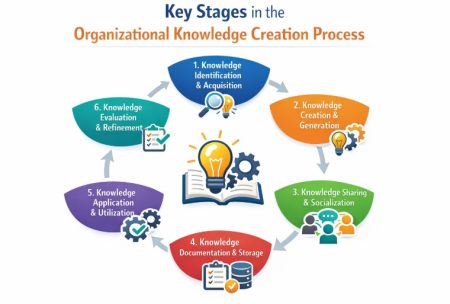
Explicit knowledge plays a vital role in the day-to-day functioning and long-term success of any organization. One of its most significant uses is in the standardization of workflows and procedures. Organizations document processes in the form of Standard Operating Procedures (SOPs), instruction manuals, flowcharts, and checklists to ensure that employees perform tasks consistently and accurately. For example, in a pharmaceutical company, detailed SOPs guide laboratory technicians through quality testing protocols to ensure safety and compliance. This not only minimizes errors but also supports efficiency and accountability across teams and departments.
In employee training and onboarding, explicit knowledge is indispensable. New hires receive structured materials such as employee handbooks, training guides, e-learning modules, and policy documents to understand organizational expectations, tools, and roles. For instance, a customer service department may use digital tutorials and call-handling scripts to train new agents. These resources allow for consistent training experiences, enabling faster integration into the team and reducing reliance on senior staff for orientation. Explicit knowledge also strengthens internal communication and knowledge sharing. Organizations often use shared drives, knowledge management systems, and internal wikis to store best practices, technical documentation, and team updates. For example, a software development team might maintain a centralized platform containing API documentation, bug-fix logs, and version history. These digital repositories make critical information readily accessible, improving collaboration and reducing the duplication of effort across departments.
Another key function of explicit knowledge is the preservation of institutional memory. As employees retire or transition to new roles, their insights and experiences are often lost unless formally captured. Documenting meeting minutes, decision-making rationales, project summaries, and implementation reports ensures that historical context is available for future reference. For example, if a previous marketing campaign’s strategy and results are archived in a final report, the next team can learn from past successes and avoid repeating mistakes. In sectors where compliance and legal accountability are crucial, explicit knowledge ensures that organizations follow required laws and standards. Documented policies—such as data protection guidelines, workplace safety protocols, and employee conduct codes—help organizations meet regulatory requirements and reduce legal risks. For instance, in a hospital, maintaining well-documented procedures for patient data handling and emergency response is critical for meeting healthcare regulations and passing audits.
Beyond routine operations, explicit knowledge also supports innovation and continuous improvement. Organizations can review process documentation, customer feedback reports, or research findings to identify opportunities for change. For example, a product development team might study previously documented design feedback and usability test results to improve a new product line. By building on documented knowledge, teams save time and encourage incremental innovation.
Decision-making and strategic planning also rely heavily on explicit knowledge. Managers and executives use structured data—such as financial reports, market research, performance metrics, and policy briefs—to make informed decisions. In a nonprofit organization, leaders may refer to documented grant evaluations and impact assessments to plan future initiatives. These resources provide evidence-based insights that shape goals, budgeting, and program development. Explicit knowledge is equally important in customer service and external communication. Companies create user manuals, product guides, instructional videos, and help desk scripts to support customer interactions. For example, a software company may publish a searchable online help center with FAQs and troubleshooting steps, allowing both users and customer service agents to resolve issues effectively and consistently.
In summary, explicit knowledge underpins a wide range of organizational functions, from operational consistency and employee training to compliance, innovation, and customer service. Its ability to be captured, shared, and reused across individuals and teams makes it a valuable asset in building efficiency, continuity, and strategic agility. In an age where information is critical to success, managing explicit knowledge effectively enables organizations to thrive and evolve.
How Can Libraries Serve as Repositories of Explicit Knowledge?
Libraries have long functioned as guardians of recorded knowledge, evolving from quiet book repositories to vibrant knowledge centers that facilitate access to information in diverse formats. One of the most critical functions libraries perform in today’s digital and information-rich era is serving as repositories of explicit knowledge- the type of knowledge that can be documented, codified, and easily shared. This includes everything from textbooks, manuals, government publications, and academic journals to digital documents, research data, and multimedia tutorials. In both academic and public contexts, libraries collect, organize, preserve, and disseminate explicit knowledge to support learning, research, and informed citizenship.
The foundational role of a library is to preserve documented knowledge across time. Through carefully curated collections, libraries house vast volumes of explicit knowledge in physical forms such as printed books, newspapers, maps, reports, and archival materials. These collections are selected, catalogued, and stored to ensure they remain accessible to future generations. For instance, academic libraries maintain course materials, faculty publications, and student theses, while public libraries preserve local histories, government records, and community-authored works. This commitment to preservation safeguards the intellectual and cultural heritage of societies and institutions.
Access to well-organized information is another hallmark of library services. Libraries use standardized classification systems such as the Dewey Decimal System or the Library of Congress Classification to systematically arrange resources by subject, making them easier to locate. Modern libraries extend this function through digital platforms—especially Online Public Access Catalogs (OPACs)—which allow users to search for books, articles, and other materials by keyword, author, or subject from remote locations. A researcher, for example, can search a university library’s OPAC to locate a thesis on environmental policy, then access supporting government reports or related journal articles from online databases. Libraries are also essential for supporting academic research and intellectual growth. University libraries subscribe to scholarly databases like JSTOR, Scopus, ScienceDirect, and IEEE Xplore, enabling access to peer-reviewed journals, conference proceedings, and e-books. These resources are critical for faculty and students engaged in research, helping them build on existing knowledge. Many libraries also host institutional repositories that store faculty-authored research papers, dissertations, working papers, and project outputs. By preserving and indexing these academic contributions, libraries enhance research visibility and ensure that institutional knowledge remains part of the global academic discourse.
With the rise of digital technology, libraries have embraced digitization to expand access to explicit knowledge. By converting physical materials—such as rare books, historical manuscripts, or local newspapers—into digital formats, libraries preserve fragile resources and make them accessible to a broader audience. Digital libraries and institutional repositories, powered by platforms like DSpace or EPrints, now store terabytes of information, including digital theses, archived newsletters, teaching materials, and datasets. These platforms are not only searchable and organized but also open access, meaning they contribute to global knowledge-sharing efforts and improve the visibility of research and scholarship.
Beyond storing and providing access to explicit knowledge, libraries play an educational role by helping users understand and apply information effectively. Through information literacy programs, librarians teach users how to search academic databases, evaluate sources, cite references properly, and avoid plagiarism. These skills are especially crucial for students and early-career researchers, who may struggle to navigate complex scholarly environments. For instance, a librarian guiding a student on how to conduct a systematic literature review is helping them extract and apply explicit knowledge in a methodical, academically sound manner.
Public and community libraries, in particular, serve as inclusive platforms for knowledge sharing and community development. They provide free and equitable access to a wide range of documented knowledge, including legal handbooks, health brochures, government publications, employment guides, and digital literacy tutorials. Many libraries offer multilingual collections to serve diverse populations and host educational programs, lectures, and exhibitions to promote lifelong learning. By doing so, libraries act as community anchors, transforming explicit knowledge into tools for empowerment, engagement, and societal progress.
In conclusion, libraries play an irreplaceable role as repositories of explicit knowledge. Through their structured collections, classification systems, digital platforms, and outreach programs, they ensure that knowledge is preserved, organized, and made accessible to all. Whether supporting formal research, preserving institutional memory, or educating the public, libraries provide the infrastructure necessary for individuals and societies to benefit from documented knowledge. In an era where information is both abundant and essential, the library remains a cornerstone of intellectual access, continuity, and growth.
What Are the Challenges in Managing Large Volumes of Explicit Knowledge?
In an era where organizations, academic institutions, and public bodies are increasingly data-driven, the volume of explicit knowledge—codified, documented, and easily shareable information—continues to grow rapidly. From policy documents, research publications, manuals, and technical guides to digital repositories and cloud-based archives, explicit knowledge is stored in enormous quantities. While its availability can be a great asset, managing such vast amounts effectively presents a number of critical challenges. Without a thoughtful and systematic approach, this valuable knowledge can become fragmented, outdated, or inaccessible. The following discussion explores these challenges in depth.
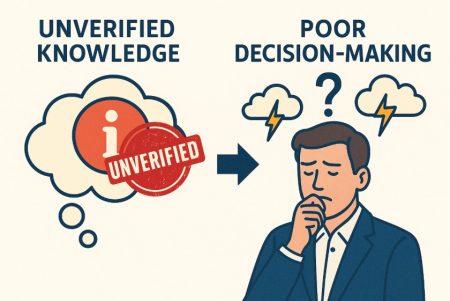
- Information Overload and Fragmentation: As explicit knowledge accumulates, users often face the issue of information overload. This happens when there is too much information spread across multiple locations, making it difficult for users to identify, retrieve, or apply relevant content. In large organizations, documents may be scattered across cloud storage services, shared drives, personal folders, and email attachments. For example, an employee looking for the most recent product specification may come across several versions saved by different departments in different formats. This fragmentation not only wastes time but can also lead to poor decision-making and confusion, especially when users rely on outdated or irrelevant documents.
- Lack of Standardization and Metadata: Managing large volumes of knowledge requires consistency, yet many organizations struggle with a lack of standardization in how knowledge is created, named, and stored. Documents may be saved with unclear titles (e.g., “Report1” or “Final_v3”) or without critical metadata like authorship, version, or date. Without proper tagging and indexing, search tools become ineffective, and valuable content becomes buried. For instance, in a university’s institutional repository, research papers without standardized metadata may fail to appear in search results, limiting their visibility and impact. Establishing uniform documentation practices and metadata standards is essential for efficient knowledge retrieval.
- Difficulty in Keeping Knowledge Up to Date: One of the most persistent challenges in knowledge management is maintaining content accuracy over time. As policies evolve, technologies advance, and regulations change, existing documents may become outdated. If updates are not scheduled or systematically tracked, users may unknowingly act on obsolete knowledge. For example, an organization may revise its safety protocols, but if the updated document isn’t clearly marked or the older version isn’t archived, frontline employees may continue using outdated procedures. Implementing version control, update alerts, and scheduled reviews can help ensure that stored knowledge remains current and trustworthy.
- Duplication and Redundancy: Redundant copies of the same document are common in large digital environments, especially when multiple departments operate independently. These duplicates, often with minor variations, can confuse users about which version is authoritative. For instance, a company policy document might exist in slightly different formats on HR’s, Finance’s, and Admin’s shared drives. Inconsistent use of these versions may lead to procedural errors and miscommunication. A centralized document repository, combined with strict versioning and access controls, is vital for maintaining a single source of truth.
- Access Control and Security Risks: Managing who can view, edit, or share explicit knowledge is essential—especially when dealing with confidential or sensitive information. While making knowledge widely accessible is ideal for collaboration, not every piece of information should be available to all users. A lack of proper access control can lead to data leaks, privacy violations, or internal misuse. For example, financial data or proprietary research findings must be protected through role-based access permissions. Conversely, overly restrictive systems can limit knowledge sharing and slow down operations. Finding the right balance between security and accessibility is a complex but necessary task.
- Limited User Engagement and Utilization: Even when organizations have a well-organized knowledge base, low user engagement often prevents it from reaching its full potential. Employees may find platforms difficult to navigate, lack awareness of available resources, or simply prefer informal knowledge-sharing methods. For example, instead of searching the internal knowledge base, staff may ask colleagues for information or reuse outdated templates stored on their desktops. This behavior reduces the visibility and value of curated knowledge. Encouraging usage through training, intuitive interfaces, and promoting a culture of knowledge sharing can help address this issue.
- Integration Challenges Across Systems: Explicit knowledge is often stored in multiple systems that don’t communicate with each other, such as document management platforms, CRM tools, HR software, and learning portals. Without system integration, users are forced to search separately in each environment, resulting in inefficiencies and siloed knowledge. For instance, a sales team may need access to customer feedback stored in a CRM, product specifications stored in a shared drive, and sales training documents in an LMS—but accessing all three separately wastes time and increases the likelihood of missing key information. Integrated knowledge platforms or APIs that link data sources can dramatically improve accessibility.
- High Resource Requirements and Ongoing Maintenance: Effectively managing large-scale explicit knowledge is not a one-time task—it requires ongoing human and technical investment. Dedicated staff are needed to oversee content creation, tagging, categorization, updating, and platform maintenance. At the same time, IT support is essential to maintain servers, cloud systems, security protocols, and data backups. Without adequate resources, the knowledge system can quickly become outdated or dysfunctional. For example, if a digital library does not have staff to review and update metadata, the searchability and relevance of its content will gradually decline. Securing long-term funding and assigning clear responsibilities are crucial for sustainable knowledge management.
While explicit knowledge offers immense benefits in terms of accessibility, documentation, and reuse, managing it at scale presents real and ongoing challenges. Issues such as information overload, lack of standardization, outdated content, and system fragmentation can significantly reduce the effectiveness of even the most comprehensive knowledge repositories. Organizations must adopt clear strategies that combine technology, governance, and user engagement to overcome these obstacles. With the right framework in place, large volumes of explicit knowledge can be transformed from a burden into a powerful tool for collaboration, innovation, and long-term growth.