Unverified knowledge refers to information, claims, or beliefs that have not been tested, validated, or confirmed through credible evidence or systematic inquiry. It often comes from hearsay, assumptions, rumors, or unexamined content found on social media. For example, someone may believe that “drinking excessive coffee stunts growth” simply because they heard it from a friend or saw it in an unverified post, even though scientific studies do not support this claim. Because this type of knowledge lacks verification, it is vulnerable to inaccuracies and can easily lead to misinterpretation or poor decisions.
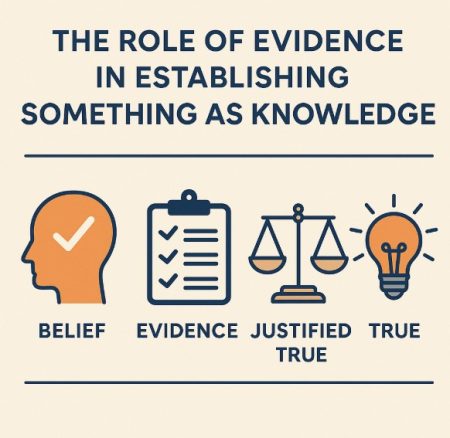
In contrast, evidence-based information is grounded in rigorous research, empirical data, and critical evaluation. It relies on methods such as controlled experiments, peer-reviewed studies, and expert consensus to confirm accuracy. For instance, medical guidelines recommending vaccines are based on extensive clinical trials and scientific analysis, not assumptions or anecdotes. The key difference lies in the process: unverified knowledge skips systematic evaluation and may feel convincing due to personal bias or repeated exposure, whereas evidence-based information undergoes careful testing and validation to provide reliable guidance. By understanding these distinctions and the examples behind them, individuals can make more informed and responsible decisions grounded in trusted evidence rather than untested assumptions.
Why Do Individuals Often Rely on Unverified Knowledge Despite Having Access to Reliable Sources?
Individuals often rely on unverified knowledge despite having access to reliable sources due to a combination of psychological tendencies, emotional influences, social pressures, and information-processing limitations. Cognitive biases, such as confirmation bias and the availability heuristic, lead people to prefer information that aligns with their existing beliefs or is easily recalled, even if it lacks evidence. Emotionally appealing content, such as dramatic claims, fear-inducing messages, or hopeful promises, can overshadow measured, evidence-based information, making unverified knowledge feel more compelling or urgent. Social networks also play a significant role, as individuals often trust the opinions of friends, family members, influencers, or online communities more readily than they do institutional sources. This trust is reinforced by the rapid spread of sensational, unverified content on social media platforms.
Additionally, the overwhelming amount of information available online often results in cognitive fatigue, causing people to opt for quick, simple answers rather than spending time evaluating credible sources. Limited information literacy skills further exacerbate this issue, as many individuals struggle to distinguish between authoritative sources and misleading ones. Distrust in institutions and experts, fueled by past experiences, cultural narratives, or misinformation campaigns, can also prompt individuals to seek alternative sources of knowledge, even when more reliable information is available. Ultimately, convenience plays a significant role: unverified content is typically brief, easy to consume, and widely accessible, whereas evidence-based information often necessitates careful reading and critical thinking. Together, these factors explain why unverified knowledge continues to influence decision-making, even in environments where reliable information is readily available.
How Can Unverified Knowledge Lead to Poor Decision-Making?
In a world overflowing with information, the ability to distinguish credible evidence from unverified claims is essential for making sound decisions. Unverified knowledge, information that has not been checked, validated, or supported by credible data, can significantly distort a person’s judgment. When individuals act on assumptions, rumors, or misleading content instead of reliable sources, they risk making choices that are ineffective, harmful, or completely misaligned with reality. Understanding how unverified knowledge undermines the decision-making process is crucial not only for individuals but also for organizations and society at large.
- Distorted Perception of Reality: Unverified knowledge often presents a misleading or incomplete picture of events, causing people to form incorrect assumptions. When a decision is based on false premises, the outcome is likely to be flawed. For example, someone who believes that “all online jobs are scams” based on unverified anecdotes may ignore legitimate opportunities, limiting their career prospects. These distortions prevent individuals from assessing situations accurately and choosing the best possible course of action.
- Increased Vulnerability to Bias and Emotional Reasoning: Human decisions are heavily influenced by emotions and cognitive biases. Unverified information often reinforces these biases, perpetuating existing beliefs rather than encouraging critical evaluation. For instance, a rumor about a certain food being harmful may cause unnecessary fear, leading a person to avoid it despite scientific evidence proving its safety. When emotions override objective thinking, decisions become impulsive rather than rational, increasing the risk of poor outcomes.
- Poor Risk Assessment: Effective decision-making requires a clear understanding of risks and benefits. Unverified knowledge can inflate or minimize risks in ways that are not grounded in reality. For example, relying on unverified financial advice from social media influencers may lead someone to invest in unstable schemes, resulting in financial loss. Without proper verification, risks may be inaccurately perceived, leading to dangerous or irresponsible choices.
- Misallocation of Resources: Acting on false information can lead to the waste of time, money, and effort. Individuals may pursue ineffective solutions or prioritize the wrong tasks. For example, a student who believes that “expensive coaching guarantees academic success” might invest heavily in coaching centers without focusing on consistent study habits, ultimately hindering their performance. Misguided decisions divert valuable resources away from productive pathways.
- Spread of Misinformation and Collective Harm: When decisions are based on unverified knowledge, they not only affect individuals but can also have ripple effects across communities and institutions. Sharing false information—such as unverified medical advice during a health crisis- can mislead others, contributing to widespread confusion and harmful collective behaviors. Poor decisions fueled by misinformation can undermine public trust, disrupt social harmony, and even pose safety risks.
- Reduced Problem-Solving Ability: Good decision-making depends on accurate problem identification. Unverified knowledge can obscure the real issue and lead to solutions that do not address the underlying cause. For example, a workplace manager relying on rumors about employee performance may misdiagnose problems, resulting in ineffective or unfair decisions. Without verified information, individuals may repeatedly choose wrong strategies, weakening their problem-solving capability over time.
- Erosion of Confidence and Accountability: When decisions made on unverified knowledge backfire, individuals may lose confidence in their judgment. Repeated mistakes erode self-trust and make future decision-making even more difficult. At an organizational level, acting on inaccurate information can lead to accountability failures, damaged reputations, and loss of stakeholder trust. Reliable decision-making depends on a foundation of validated information- and without it, both individuals and institutions become vulnerable.
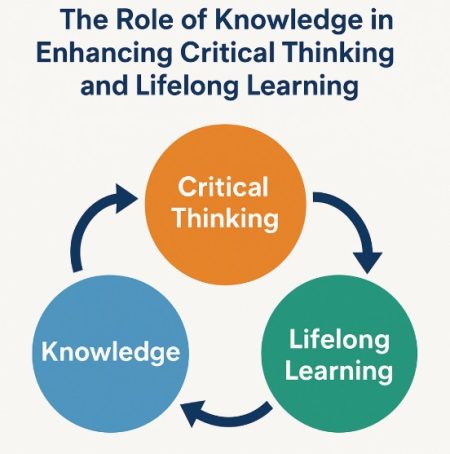
Unverified knowledge leads to poor decision-making by distorting reality, reinforcing biases, misguiding risk assessment, and wasting resources. It can escalate into widespread misinformation with serious social consequences. In a digital era saturated with information, the ability to verify facts, evaluate sources, and think critically is more important than ever. By relying on evidence-based information and developing strong information literacy skills, individuals can make informed, responsible decisions that contribute positively to personal growth, organizational effectiveness, and societal well-being.