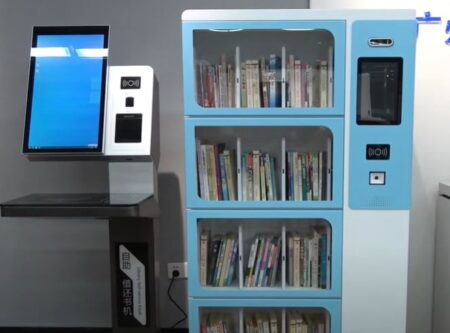
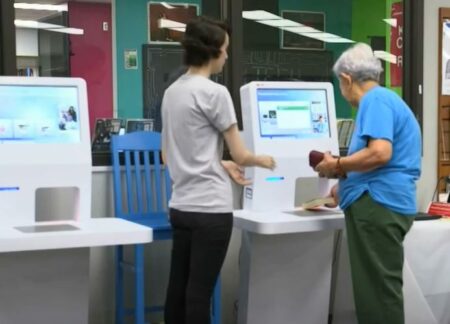
Expert systems are a type of artificial intelligence (AI) designed to simulate the decision-making capabilities of human experts. In the context of libraries, these systems have become valuable tools for automating complex tasks, improving efficiency, and enhancing user services. By leveraging databases, rule-based algorithms, and reasoning capabilities, expert systems can assist library staff in decision-making processes and provide users with personalized, accurate, and timely information.
In modern libraries, expert systems are applied to various functions, including cataloguing, classification, reference services, and user query resolution. They can streamline processes such as Selective Dissemination of Information (SDI), automate repetitive tasks, and even assist in resource recommendations. This makes expert systems indispensable for libraries looking to adapt to the growing demands of digital resources, hybrid learning environments, and advanced knowledge management systems.
What is an expert system, and how does it function in the context of libraries?
Applications in Libraries:
- Reference Services: Answering user queries with speed and precision.
- Cataloguing and Classification: Assisting staff with accurate resource organization.
- Selective Dissemination of Information (SDI): Providing tailored updates based on user profiles.
- User Guidance: Helping patrons navigate digital and physical library resources.
What Are the Core Components of an Expert System in Libraries?
Expert systems are increasingly being used in libraries to enhance efficiency, automate repetitive tasks, and improve user experience. These systems, powered by artificial intelligence, mimic human expert decision-making and offer solutions to complex problems. It is crucial to explore their core components to understand how they function effectively in the context of libraries. Each component contributes uniquely to the overall functionality, making the system capable of addressing diverse library needs.
1. Knowledge Base
The knowledge base is the foundational component of any expert system. It contains the specialized knowledge required for the system to function effectively. In libraries, this includes:
- Rules for cataloging and classification (e.g., Dewey Decimal or Library of Congress systems).
- Metadata, subject headings, and other descriptive information about library materials.
- Library policies and procedures for reference services, resource recommendations, and information dissemination.
This repository of information is built by collecting inputs from library professionals and adhering to standard practices. The more comprehensive the knowledge base, the better the system performs in assisting library tasks.
2. Inference Engine
The inference engine acts as the brain of the expert system, applying logical reasoning to the knowledge base to solve problems and make decisions. It processes inputs from users or library staff, analyzes the available data, and derives conclusions. For example:
- Matching user queries to relevant resources.
- Assigning appropriate classification codes to new materials.
- Recommending resources based on user preferences and search patterns.
The inference engine is essential for the dynamic functioning of the system, allowing it to adapt to different scenarios and queries.
3. User Interface
The user interface serves as the communication bridge between the expert system and its users, whether they are librarians or patrons. This component ensures that users can interact easily with the system by:
- Inputting queries or requests.
- Receiving outputs such as resource recommendations, search results, or problem solutions.
In libraries, the user interface might be a web portal, a mobile application, or a software platform integrated into library systems. A well-designed interface ensures usability and enhances the user experience.
4. Knowledge Acquisition Subsystem
An expert system’s effectiveness depends on its ability to grow and adapt, which is facilitated by the knowledge acquisition subsystem. This component allows the system to:
- Update its knowledge base with new rules, resources, and procedures.
- Integrate external data sources, such as subscription databases or digital repositories.
- Learn from user feedback and refine its outputs over time.
This subsystem is particularly valuable in libraries, where information needs and resources are constantly evolving.
5. Explanation Facility
One of the defining features of expert systems is their ability to explain their reasoning to users. The explanation facility provides transparency by:
- Justifying why certain resources were recommended or classified in a particular way.
- Offering insights into the system’s decision-making process.
In libraries, this feature is essential for building trust with users and helping staff understand the system’s logic, making it easier to collaborate with the expert system.
6. Learning Mechanism (Optional)
Some advanced expert systems include a learning mechanism that allows them to adapt and improve over time. By using machine learning algorithms, the system can:
- Analyze user interactions to predict future preferences.
- Enhance search results and recommendations based on past behavior.
- Evolve with technological advancements and library practices.
This component is not always included in basic expert systems, but it is becoming increasingly common as libraries transition toward more dynamic, user-centered services.
The core components of expert systems enable libraries to handle complex tasks efficiently, such as cataloging, reference services, and user support. They automate routine processes, allowing library staff to focus on more strategic activities. Additionally, by integrating with digital platforms, expert systems help libraries remain relevant in the era of information overload and rapidly changing user needs.
Expert systems also enhance user satisfaction by providing personalized services, such as tailored reading lists, resource recommendations, and advanced search capabilities. With the inclusion of explanation facilities and learning mechanisms, these systems not only deliver results but also improve their accuracy and relevance over time.
How Can Expert Systems Assist in Cataloging and Classification of Library Resources?
Expert systems significantly enhance the cataloging and classification of library resources by automating complex processes, ensuring accuracy, and improving efficiency. These systems utilize predefined rules and extensive knowledge bases to analyze the content, format, and subject matter of materials, generating consistent metadata such as titles, authors, publication dates, and subject headings. This automation reduces the manual workload for librarians, saving time and ensuring uniformity across the catalog.
With a deep understanding of classification standards like the Dewey Decimal Classification (DDC) or the Library of Congress Classification (LCC), expert systems can assign accurate classification codes to materials. By adhering to international cataloging standards such as MARC (Machine-Readable Cataloging), these systems ensure that library collections are systematically organized and compatible with global networks. This results in improved discoverability and access for users.
Expert systems also excel in managing large volumes of data, making them indispensable for libraries with extensive collections or frequent acquisitions. Their ability to process resources quickly ensures that materials are cataloged promptly, keeping the library’s inventory up-to-date. For specialized or complex materials, such as interdisciplinary works or items in multiple languages, expert systems analyze diverse data points to provide precise classification, reducing the potential for human error.
Additionally, expert systems enhance the user experience by facilitating advanced search capabilities. Properly classified and cross-referenced materials allow users to locate resources more easily, while linked metadata supports seamless navigation through related content. Some systems even incorporate adaptive learning features, enabling them to refine their performance over time by learning from past decisions or adapting to evolving classification rules.
In the digital era, libraries manage both physical and digital collections, and expert systems streamline the integration of these resources. They automatically extract metadata from digital files and classify e-books, journals, and multimedia content, ensuring a unified catalog. By automating routine tasks, improving accuracy, and providing scalable solutions for complex challenges, expert systems are invaluable tools in the cataloging and classification of library resources.
Example Applications in Libraries:
- Automated Metadata Generation Tools: Systems that extract and assign metadata from digital documents or scanned resources.
- Cataloguing Assistance: Expert systems that assist librarians by suggesting classifications or validating manually entered data.
- Integrated Library Systems (ILS): Platforms enhanced with expert system capabilities for managing hybrid collections.
What Are the Main Benefits of Implementing Expert Systems in Libraries?
Libraries have long been cornerstones of knowledge, serving as repositories of information and resources for communities. However, with the ever-increasing volume of information and the shift toward digital and hybrid collections, libraries face challenges in managing resources efficiently while meeting diverse user needs. Expert systems, a form of artificial intelligence, offer a transformative solution by automating processes, improving accuracy, and enhancing user services. Implementing expert systems in libraries offers numerous benefits, transforming traditional operations and enhancing both user services and staff efficiency. Here are the main advantages:
- Automation of Routine Tasks: One of the primary benefits of expert systems in libraries is their ability to automate routine tasks such as cataloguing, classification, and metadata generation. These tasks, which are often time-consuming and repetitive, can be completed quickly and efficiently by expert systems. By reducing the workload for library staff, automation frees up time for them to focus on more strategic and user-centric activities, such as community engagement and research support. For example, an expert system can automatically assign classification codes to new resources, ensuring they are ready for use without delays.
- Improved Accuracy and Consistency: Cataloguing and classification errors can hinder resource discovery and lead to inefficiencies in library operations. Expert systems minimize such errors by applying standardized rules and protocols consistently across all materials. This ensures that metadata, subject headings, and classification codes are accurate and uniform. The improved consistency enhances the usability of the library catalog, making it easier for users to locate resources and navigate collections.
- Enhanced User Experience: Expert systems contribute to a more satisfying user experience by offering personalized services and intuitive interfaces. They can provide tailored resource recommendations based on user preferences, deliver targeted updates through Selective Dissemination of Information (SDI), and facilitate efficient search capabilities. For example, when a user searches for a specific topic, the expert system can recommend related resources, databases, or articles, saving time and effort. This level of personalization ensures that users feel supported and valued.
- Efficient Resource Management: Libraries often manage extensive collections, including both physical and digital resources. Expert systems streamline resource management by handling large volumes of data effectively. Whether it’s cataloging new acquisitions, integrating digital materials, or maintaining existing collections, expert systems can process and organize resources with remarkable efficiency. This capability is especially beneficial for libraries with limited staff or growing collections.
- Support for Complex Decision-Making: Librarians frequently face complex decisions, such as selecting resources for acquisition, determining appropriate classification schemes, or resolving intricate user queries. Expert systems act as reliable decision-support tools by providing data-driven insights and recommendations. For instance, an expert system can analyze user borrowing patterns and suggest materials that align with their interests, helping librarians make informed decisions about resource allocation.
- Cost-Effectiveness Over Time: Although implementing expert systems may require an initial investment, they offer significant cost savings in the long run by automating labor-intensive processes, reducing errors, and enabling libraries to manage larger collections with fewer resources. Expert systems lower operational costs. Libraries can achieve more with their existing budgets, ensuring sustainability and scalability.
- Seamless Integration with Digital Resources: In the digital age, libraries increasingly manage hybrid collections that include e-books, journals, multimedia files, and other digital resources. Expert systems facilitate the seamless integration of these materials into library catalogs by automatically extracting metadata and organizing digital files. This ensures that users have unified access to both physical and digital collections, enhancing their overall experience.
- Improved Access and Discovery: Properly cataloged and classified resources are easier for users to discover. Expert systems enhance search and discovery by organizing resources effectively and enabling advanced search features. Users can find materials based on keywords, subject, or genre, and the system can provide links to related resources. This improves accessibility and ensures that users can quickly locate the information they need.
- Future-Proofing Library Operations: Libraries operate in a dynamic environment where technology and user expectations continue to evolve. Expert systems help libraries stay ahead by offering a future-proof solution. They can adapt to new classification standards, integrate emerging technologies, and support evolving library roles, such as digital archiving and virtual services. By implementing expert systems, libraries position themselves as innovative institutions ready to meet future challenges.
Implementing expert systems in libraries brings many benefits, from automating routine tasks and improving accuracy to enhancing user experiences and supporting complex decision-making. These systems empower libraries to operate more efficiently, provide personalized services, and remain adaptable in an ever-changing information landscape. As libraries continue to evolve, expert systems will play a critical role in ensuring their relevance and impact. For libraries seeking to optimize operations and enhance services, investing in expert systems is a forward-thinking solution that offers significant returns.
What Role Do Expert Systems Play in Enhancing User Satisfaction and Experience?
Expert systems are transformative in enhancing user satisfaction and experience by providing personalized, efficient, and accessible services within libraries. These systems use artificial intelligence to analyze user preferences, borrowing history, and search patterns to deliver tailored recommendations. This personalization helps users discover resources aligned with their interests, creating a more engaging and enjoyable library experience. Moreover, expert systems streamline resource discovery by organizing and classifying materials effectively. With advanced search capabilities, including keyword suggestions and filters, users can quickly locate relevant resources, saving time and reducing frustration.
The 24/7 availability of expert systems further enhances user satisfaction by ensuring continuous support through virtual assistants or automated query systems. Whether searching for materials or resolving questions, users can access assistance at any time, increasing the convenience of library services. These systems also integrate seamlessly with digital resources, enabling unified search results that provide access to both physical and electronic collections. This integration ensures a smooth and cohesive user experience, particularly in the digital age where hybrid collections are common.
Expert systems also cater to diverse user needs by offering intuitive and user-friendly interfaces that simplify interactions. Researchers and students provide valuable guidance by recommending resources, suggesting search strategies, and supporting complex research tasks. Additionally, accessibility features, such as voice-based searches and screen-reader compatibility, ensure that libraries remain inclusive spaces for all users. By continuously learning from user feedback, expert systems adapt and refine their services over time, ensuring that they remain relevant and effective in meeting evolving user expectations.