The organization of a library collection is a fundamental aspect of library management that ensures efficient access to resources and supports the needs of library users. It involves a systematic approach to the acquisition, cataloging, classification, and arrangement of materials, both print and digital, within the library’s physical or digital space. For example, print books are often arranged on shelves by subject using classification systems, such as Dewey Decimal or Library of Congress, while digital materials are typically organized through an integrated online catalog or digital repository. An effective organization enables users to quickly locate resources, whether books, journals, multimedia, or electronic content, and ensures that materials are preserved and accessible over time.
The organization process is guided by collection development policies, which reflect the library’s mission, user needs, budget, and academic or community focus. For instance, a university library may prioritize acquiring scholarly journals, academic books, and digital databases relevant to the curriculum, while a public library may focus on popular fiction, children’s books, and community-centered materials. A well-organized collection uses classification systems, such as Dewey Decimal or Library of Congress, to categorize resources by subject, making retrieval intuitive. For example, in the Dewey Decimal system, books on biology are classified under 570, while in the Library of Congress system, they fall under QH.
In modern libraries, integrating digital resources and technologies, such as online catalogs and digital archives, plays a critical role in streamlining organization and improving accessibility. For example, a library’s digital collection might include e-books, electronic journals, and digital archives, all organized through an integrated system such as an Institutional Repository or an online discovery platform like OpenAthens. This allows users to search for and access digital materials from remote locations, eliminating the need for physical access to the library. Moreover, the organization of a library collection is not a one-time effort; it requires ongoing evaluation and adaptation to respond to changing information needs, advances in technology, and shifts in academic or research trends. A library may periodically assess the relevance of its collection by conducting reviews of usage statistics, user feedback, or curriculum changes. For example, a library may weed out outdated textbooks or replace older editions with newer ones to keep the collection current. It is essential for libraries to maintain a balance between accessibility, relevance, and preservation while considering space constraints and evolving user demands. A special collection of rare books, for instance, may be organized separately in a climate-controlled section to preserve its integrity, while more frequently used resources are available for general access.
Organization of the Library Collection.
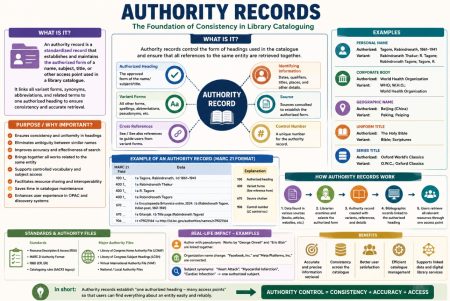
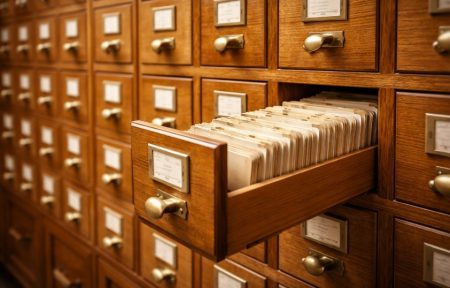
The collection should be orchestrated for superlative repossession of information and materials. Cataloguing and classification will mirror nationally rectified matters of forms in sync with other academic libraries. Cataloging and classification have been synthesized because these are twin processes that make the certain systematic design of the materials in a library. Conventionally classification guarantees the helpful marshaling of books and documents on the shelves of the library and cataloging, as Charles Ami Cutter” has put it in the following manner:
1. To enable a person to find a book of which either:
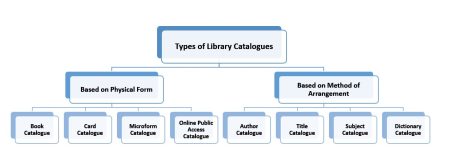
a. The author: When a person knows the author’s name of a book they are looking for, they can easily locate it in the library catalogue. The catalogue will list all the books written by that particular author, providing details such as title, edition, publication date, and call number to help the user locate the physical copy or access the electronic version.
b. The title: If the person is aware of the book’s title, they can search for it in the library catalog using the book’s exact title or even partial words from the title. The catalog will then present the book’s full record, including the author’s name, publication details, and other relevant information.
c. The subject is known: When a person is interested in a particular topic or subject, they can search for related books or resources in the library catalog. The catalog will list books that cover the subject, offering various perspectives and materials on the topic of interest.
2. To show what the library has
a. By a given author: When a person wants to explore the works of a specific author, the library catalogue allows them to access a list of all the books written by that author that are available in the library’s collection. This feature helps users discover the breadth of an author’s works and locate specific titles they may be interested in.
b. On a given subject: If a person is researching a particular subject, the library catalogue enables them to search for books and resources related to that subject. The catalogue will present a list of relevant materials in the library’s collection by inputting the desired subject keyword or heading. This allows users to explore various perspectives and sources on the topic of interest.
c. In a given kind of literature: Libraries often have diverse collections encompassing different genres, literary forms, or types of literature, such as fiction, poetry, drama, or non-fiction. The catalogue can provide options to browse or search for specific kinds of literature, enabling users to discover books that align with their preferences or research needs within a particular genre or literary form.
3. To assist in the choice of a book
a. As to its edition (bibliographical): When multiple book editions exist, cataloguing provides bibliographic details about each edition. This includes information such as the publication year, publisher, edition number, and any significant variations or updates between editions. By accessing this information, users can determine which book edition aligns with their requirements, whether they need the most recent version or a specific edition for a particular purpose.
b. As to its character (literary or topical): Cataloguing also offers insights into the character or nature of a book, helping users assess its literary or topical qualities. This may include information about the book’s genre, literary style, or thematic content. For example, the catalog may indicate if a book is a work of fiction, non-fiction, poetry, biography, or falls into a specific genre such as mystery, science fiction, or history. This information allows users to select books that match their preferences or research interests, ensuring they choose resources that align with their desired reading experience or informational needs.
The conventional schemes of classification have been unreliable, known as “logical absurdity” as advocated by Trevons, and the same has been consented to by Shera on the basis that classification schemes intend to limit the multidimensional knowledge to a unidimensional order, thereby introducing the linear arrangement on the shelves of the library. This, per se, impairs the usage of classification as an efficient way to arrange documents in a library. Thus, we have to rely on the library catalogue, which has a better edge on classification, as we can embrace multiple entry systems for a single document and fulfill different and multidimensional modes of the user.
Materials should be cataloged and classified in a planned fashion to make them ready as soon as possible after receipt. Materials to be cataloged include envelope print, non-print, and electronic resources, as well as remote databases to which the library subscribes. In the modern era, throughout the globe, we have the following general classification schemes.
1. Melvil Dewey’s Decimal Classification: Dewey’s Decimal Classification (DDC) is a widely used library classification system developed by Melvil Dewey in the late 19th century. It organizes library materials into a numerical hierarchy based on subject areas. The DDC system divides knowledge into ten main classes, each represented by a specific range of numbers. These classes cover various subjects, including general knowledge, philosophy, religion, social sciences, natural sciences, technology, arts, literature, history, and geography. Within each main class, further subdivisions are made using decimal notation, allowing for increasingly specific subject classifications. This hierarchical structure enables the efficient and logical arrangement of library materials on shelves, making it easier for users to locate books on specific topics. The DDC system continues to be widely used worldwide, providing a standardized method for organizing library collections and facilitating effective information retrieval for library users.
2. Charles Ami Cutter’s Expansive Classification: Charles Ami Cutter’s Expansive Classification (EC) is a library classification system developed by Charles Ami Cutter, a prominent librarian and cataloguer. EC was designed as an alternative to the Dewey Decimal Classification (DDC) system, focusing on providing greater flexibility and adaptability for cataloging library materials. Unlike the fixed hierarchical structure of DDC, EC allows for expanding and modifying classification categories to accommodate new subjects and changing knowledge domains. Cutter emphasized the importance of detailed and specific subject headings to aid in the precise classification and retrieval of materials. EC combines alphabetic and numeric notations to represent subjects, offering a more flexible approach to classifying diverse collections. Although not as widely adopted as DDC, Cutter’s Expansive Classification has influenced subsequent cataloging practices and developed more adaptable and user-focused classification systems.
3. Library of Congress Classification: The Library of Congress Classification (LCC) is a widely used library classification system developed by the Library of Congress. LCC provides a comprehensive framework for organizing library materials based on subject areas. It divides knowledge into 21 major classes, each represented by a single alphabet letter. These major classes cover various subjects, including social sciences, natural sciences, language and literature, history, and more. Within each major class, further divisions and subdivisions are made using alphanumeric notation, allowing for increasingly specific subject classifications. LCC incorporates a hierarchical structure that provides a logical arrangement of materials on library shelves, making it easier for users to locate books on particular topics. The system is continuously updated and expanded to accommodate new subjects and developments in knowledge. LCC is widely used in academic and research libraries, particularly in the United States, and is known for its detailed and extensive subject coverage.
4. J. D. Brown’s Subject Classification: J.D. Brown’s Subject Classification is a library classification system developed by J.D. Brown. It offers an alternative approach to organizing library materials based on subject areas. Brown’s classification system focuses on a subject-centered approach, where subjects are assigned main classes and further divided into subclasses. Unlike some other classification systems, Brown’s Subject Classification emphasizes using common vocabulary and natural language to describe subjects, making it more user-friendly and accessible. The system aims to provide a more intuitive way for users to navigate and retrieve information from library collections. While not as widely adopted as other classification systems, Brown’s Subject Classification offers a unique perspective on the subject organization. It provides an alternative option for libraries seeking a different approach to classifying their materials.
5. Universal Decimal Classification: The Universal Decimal Classification (UDC) is a widely used library classification system that provides a comprehensive and flexible approach to organizing library materials. Paul Otlet and Henri La Fontaine developed the UDC in the late 19th century and combines decimal notation with a faceted structure. It covers a wide range of subjects and knowledge domains, allowing for precise classification and retrieval of materials. The UDC uses a systematic approach to classify subjects, enabling easy expansion and adaptation to accommodate new areas of knowledge. It incorporates a hierarchical structure with ten main classes, each represented by a numerical digit, followed by decimal subdivisions to provide finer levels of subject classification. The UDC is used in libraries worldwide, particularly in Europe, and offers a versatile system for organizing diverse collections and facilitating efficient information retrieval for library users.
6. S. R. Ranganathan’s Colon Classification: S. R. Ranganathan’s Colon Classification (CC) is a library classification system developed by the renowned Indian librarian S. R. Ranganathan. CC is based on the principles of facet analysis and aims to provide a flexible and comprehensive method of organizing knowledge. The system employs a combination of letters, numerals, and symbols to represent different facets or aspects of a subject. It uses a colon (:) to indicate the main classes and further divisions based on specific facets. CC emphasizes using facets such as personality, matter, energy, space, and time to classify subjects, allowing for a multidimensional and granular approach to classification. The system provides a robust framework for organizing various materials, including books, documents, and other resources. Ranganathan’s Colon Classification has significantly influenced library classification systems, particularly in India, and continues to be utilized in libraries seeking a sophisticated and adaptable classification system.
7. Henry Evelyn Bliss’s Bibliographic Classification: Henry Evelyn Bliss’s Bibliographic Classification (BC) is a library classification system developed by Henry Evelyn Bliss. BC is a systematic and analytical-synthetic classification system that focuses on comprehensive knowledge organization. It combines alphabetical and numerical notation elements to represent subjects and their subdivisions. BC utilizes a combination of letters and numbers to create a hierarchical structure that allows for the precise classification of materials. The system emphasizes the importance of semantic relationships between subjects, enabling users to navigate related topics effectively. BC is known for its detailed and expansive coverage of subjects, making it suitable for large and diverse library collections. While not as widely adopted as some other classification systems, Bliss’s Bibliographic Classification offers a unique and comprehensive approach to knowledge organization. It continues to be studied and appreciated by librarians and information professionals.
In parallel to the cataloging, there are numerous cataloging codes available.
1. AACR (Anglo-American Cataloging Rule): AACR (Anglo-American Cataloguing Rules) is a set of rules and standards for cataloging and describing library materials. It was first published in 1967 and has undergone several revisions over the years. AACR provides guidelines for creating bibliographic records that accurately and consistently describe library resources’ content, physical characteristics, and access points. The rules cover various aspects of cataloging, including the formulation of titles, the description of physical attributes, the choice of access points such as author names and subject headings, and the creation of standardized bibliographic records. AACR aims to ensure that cataloging practices are uniform and facilitate efficient resource discovery for library users. It is widely used by libraries worldwide, though it has been largely superseded by the more recent Resource Description and Access (RDA) standard. AACR has played a significant role in shaping cataloging practices and provided a foundation for developing modern cataloging standards.
2. Ranganathan’s Classified Catalogue Code: Ranganathan’s Classified Catalogue Code (CCC) is a cataloging code developed by S. R. Ranganathan, an influential Indian librarian and information scientist. CCC provides guidelines for creating classified catalogues, which organize library materials based on subject classifications. The code focuses on creating consistent and user-friendly catalogs that facilitate efficient resource discovery. CCC emphasizes using a systematic classification scheme, such as Ranganathan’s Colon Classification, to arrange materials on the shelves and provides rules for the bibliographic description of items. It also includes guidelines for formulating headings, cross-references, and annotations in the catalog. Ranganathan’s Classified Catalogue Code has been widely adopted in libraries in India and other parts of the world. It has influenced cataloging practices and the development of subsequent cataloging codes and standards.
The organization of the library collection plays a crucial role in facilitating efficient access to information and resources for library users. Various methods and systems, such as classification schemes and cataloging codes, organize materials based on subject, author, title, and other relevant factors. Classification systems like Dewey Decimal Classification, Library of Congress Classification, and Universal Decimal Classification provide structured frameworks for arranging library materials logically and systematically. Cataloging codes such as AACR and Ranganathan’s Classified Catalogue Code offer guidelines for creating descriptive and standardized bibliographic records. These organizational strategies ensure library collections are accessible, searchable, and conducive to effective information retrieval. By implementing sound organization practices, libraries enhance the usability and value of their collections, ultimately serving the diverse needs of library users and fostering a rich intellectual environment.
How Can a Library Ensure the Balance Between Print and Digital Resources in Its Collection?
In today’s rapidly evolving information environment, libraries face the challenge of managing and balancing print and digital resources in their collections. Both formats offer distinct advantages, and each serves different purposes within a library’s collection. Print resources, such as books, journals, and reference materials, provide a tactile experience that many users prefer for in-depth reading and research, especially for textbooks, rare books, or archives that need to be preserved. In contrast, digital resources, including e-books, online databases, and e-journals, provide accessibility, flexibility, and the ability to reach a global audience. Digital resources can be accessed remotely and at any time from various devices, making them particularly valuable for users who need resources beyond the physical library or require frequent updates.
To effectively balance these two formats, libraries must first assess the needs and preferences of their users. Academic libraries, for instance, may find that students and faculty prefer digital resources such as e-journals and research databases, as they enable quick access to up-to-date information. On the other hand, public libraries may see higher demand for print materials like novels, children’s books, and community-oriented content, with many patrons still favoring the tactile experience of print. Gathering insights through surveys, usage statistics, and feedback allows libraries to make informed decisions about which formats to prioritize.
Budget allocation is another critical factor in maintaining a balance. Digital resources often come with ongoing subscription or licensing fees, while print resources typically require upfront costs with fewer ongoing expenses. Libraries must carefully evaluate the costs and benefits of both formats, ensuring they invest in digital resources where the benefits of remote access and frequent updates outweigh the costs. However, print resources should still be maintained where appropriate, particularly for materials that are not as suitable for digital formats, such as rare or specialized collections. Strategic acquisition policies can help libraries make informed decisions based on their users’ needs, the longevity of resources, and the specific costs involved. Many publishers now offer hybrid models that allow libraries to purchase both print and digital versions of materials, which can help optimize collection diversity without overburdening budgets. Additionally, libraries must continuously evaluate their collections to ensure both print and digital resources remain relevant and useful. Regularly assessing usage statistics, patron feedback, and condition of materials helps identify outdated or underused resources that may be candidates for weeding. Print materials that are no longer needed may be replaced by their digital counterparts, while digital resources that are outdated or underutilized can be reviewed for renewal or replacement. This ongoing evaluation process ensures the collection stays aligned with user needs and technological advancements.
Ensuring accessibility for all patrons is another important consideration in balancing print and digital resources. While digital resources offer convenience, they may not be universally accessible to all users, particularly those with limited internet access or those who are unfamiliar with technology. Print resources can bridge this gap, providing an alternative for users who may not have personal devices or reliable internet access. Libraries can address these disparities by ensuring that both formats are available and by providing public access to digital resources through library computers or devices. Furthermore, libraries should ensure that digital resources are compatible with assistive technologies, such as screen readers, to support users with disabilities.
The Role of Patron Demand in Shaping the Library Collection
In any library, whether public, academic, or special, the development of the collection is fundamentally shaped by the needs and preferences of its patrons. The library’s collection is designed to serve its community, making patron demand a critical factor in determining which resources are acquired, maintained, and made accessible. By listening to its users, a library can ensure that its collection remains relevant, dynamic, and aligned with the diverse needs of its patrons. Understanding how patron demand influences collection development is key to maintaining a balanced and effective library.
- Shaping Acquisitions: Patron demand plays a central role in the acquisition of library resources. Libraries are not only repositories of knowledge but also responsive to the needs of their users. Academic libraries, for example, often prioritize the acquisition of scholarly journals, research databases, and textbooks that align with the curriculum and research needs of students and faculty. When there is an increase in demand for resources in a particular field—such as a surge in interest in environmental science or data analytics—librarians may respond by acquiring more books, journals, or e-resources related to those subjects. In the public library setting, the collection may be shaped by the broader interests of the community. Increased demand for self-help books, graphic novels, or cookbooks may influence the library to acquire additional copies or explore new titles in these genres.
Furthermore, patron feedback is often directly solicited to shape acquisitions. Libraries frequently offer request services where patrons can suggest books, articles, or other resources they would like to see added to the collection. For example, if a library’s patrons express a desire for more resources on mental health, librarians may purchase additional books, e-books, or videos on that topic to meet the demand. These requests provide insight into the specific needs of the library’s users and allow librarians to customize acquisitions to better serve their community. - Influencing the Balance Between Print and Digital Resources: Patron demand also plays a pivotal role in determining the balance between print and digital resources in the library collection. As digital technologies continue to evolve, libraries must consider how users interact with different formats. In academic libraries, the increasing preference for digital resources—such as e-books, e-journals, and online databases—has led to a shift towards more digital acquisitions. Many students and faculty prefer the convenience and accessibility that digital resources offer, particularly for remote access or when research materials need to be consulted outside of library hours. As a result, libraries are investing heavily in digital platforms and electronic collections.
However, print resources still maintain significant value for many library users. Some patrons prefer the tactile experience of holding a physical book, and print materials are often more desirable for those who may not have reliable internet access or digital devices. Public libraries, for example, may continue to see high demand for print books, especially for leisure reading, children’s books, and other popular genres. Patrons may also prefer print resources for specific types of materials, such as textbooks or reference books, where a traditional format may provide a more effective and in-depth reading experience.
Libraries must balance these competing demands by adjusting their acquisition strategies to meet both digital and print needs. For instance, libraries can offer a combination of both formats for high-demand resources, ensuring that patrons who prefer one format over the other are still able to access the materials they need. Additionally, understanding patron demand for print versus digital formats allows libraries to allocate resources efficiently, ensuring they meet the diverse needs of their user base. - Collection Maintenance and Weeding: Patron demand not only influences the acquisition of new resources but also plays a role in the ongoing maintenance of the library collection. Weeding—removing outdated, irrelevant, or underused materials—is an essential part of collection development. A library must regularly assess its holdings to ensure that the collection remains current and relevant to its users. Patron demand can inform this process by identifying resources that are no longer needed or are being replaced by more up-to-date materials.
For example, if certain print materials are seldom checked out or have been replaced by more accessible digital versions, librarians may choose to remove them from the collection. Likewise, if there is a growing demand for certain genres, subjects, or formats, libraries may prioritize acquiring additional copies or newer editions of popular materials. Regularly reviewing patron usage patterns and feedback helps librarians make informed decisions about what should remain in the collection and what should be removed, ensuring that the library’s resources reflect the evolving interests and needs of its users. - Programming and Services Based on Demand: Patron demand extends beyond the physical or digital resources in the library collection—it also influences the types of programs and services libraries offer. By understanding the interests and preferences of their users, libraries can design programs that complement and enhance the collection. For example, if there is high demand for books on mindfulness and mental health, a library may host workshops, lectures, or book clubs related to these topics. Similarly, libraries may organize events based on trending genres or authors, such as author talks or book signings, to engage patrons and promote new materials in the collection.
Programming can also be shaped by feedback on library services. For example, if patrons express interest in learning how to use digital resources or improve their research skills, the library might offer workshops on how to navigate e-resources, use citation tools, or access digital archives. Offering relevant services based on patron demand ensures that libraries are not only meeting immediate material needs but also providing valuable educational opportunities that enrich the community. - Adaptation to Emerging Trends: In an age of constant technological innovation and changing user behaviors, libraries must remain adaptable to new trends and shifts in patron demand. As technology continues to shape how information is consumed, libraries need to stay ahead of emerging formats, platforms, and tools. For example, the rise of streaming services and digital media platforms has led to increased patron demand for audio-visual materials, such as movies, documentaries, and music. Libraries have responded by expanding their collections to include streaming services, downloadable media, and digital music archives, ensuring they are meeting the changing expectations of their patrons.
Similarly, the growing popularity of audiobooks and podcasts has prompted libraries to invest in digital audiobooks and subscription services like OverDrive or Hoopla, providing users with easy access to audio content. These adaptations ensure that libraries are continuously responding to the evolving needs of their patrons, reflecting the dynamic nature of modern library services.
Patron demand plays a central role in shaping the library collection, influencing everything from acquisitions and collection maintenance to programming and services. By closely monitoring user preferences, libraries can ensure that their collections are aligned with the diverse needs of their communities. Whether through print or digital resources, the ability to respond to patron demand ensures that libraries remain vital, relevant, and responsive to the changing landscape of information consumption. By continuing to listen to and act on patron feedback, libraries can foster an environment where users are empowered to access the knowledge and resources they need for personal, academic, and professional growth.
How Library Materials Get Organized for Easy Retrieval: Classification Systems and Practices
The organization of library materials is essential for ensuring easy retrieval and access, and it is achieved through systematic classification systems and cataloging practices. Libraries manage vast collections of physical and digital resources, and without an organized framework, it would be challenging for users to locate materials efficiently. Classification systems, such as the Dewey Decimal Classification (DDC) and Library of Congress Classification (LCC), play a central role in this organization. The DDC system categorizes materials into ten main classes based on subject matter, which are further divided into more specific categories using numerical codes. For instance, books related to natural sciences are classified under the 500s, while literature falls under the 800s. In contrast, the LCC system uses a combination of letters and numbers to organize materials, with each subject area assigned a letter (e.g., “Q” for science, “P” for language and literature). The LCC system is primarily used in academic and research libraries, offering a more detailed categorization that suits specialized fields of study.
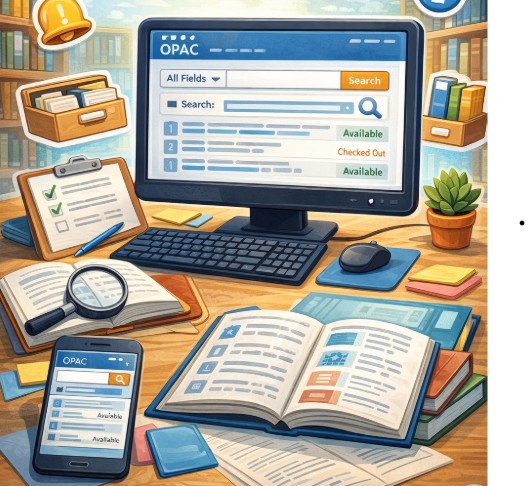
Once materials are classified, they are shelved according to their classification number, ensuring that items on similar subjects are grouped together. In libraries using the DDC system, books are arranged numerically, with materials in a specific subject area located together. In LCC libraries, materials are shelved by their combination of letters and numbers, allowing for easy access to books within the same subject category. In addition to physical shelving, libraries employ cataloging systems to record detailed information about each resource, such as title, author, publisher, and classification number. This cataloging data is stored in an online public access catalog (OPAC) or integrated library system (ILS), which users can search through to find specific materials. Digital systems are also employed to facilitate the search and retrieval process, providing users with the ability to search by various parameters, including author, title, and keyword.
In the case of digital resources such as e-books, journals, and databases, libraries apply similar organizational practices. Digital resources are cataloged in the same way as print materials, with additional metadata such as file format and access rights included. Many libraries use digital repository systems to organize and manage their online collections, ensuring that users can easily search for and access digital materials. These systems allow for efficient searching based on metadata tags, subject categories, and other relevant criteria. By combining these traditional and digital methods of organization, libraries ensure that all materials—whether physical or digital—are easy to find and access, enhancing the user experience. Through classification, cataloguing, and digital systems, libraries maintain order and efficiency, allowing users to quickly retrieve the information they need for research, study, and personal enrichment.
The Impact of Collection Development Policies on the Overall Organization of the Library Collection
Collection development policies play a crucial role in shaping and organizing a library’s collection, directly influencing its scope and structure. These policies guide decisions about what materials to acquire, retain, and weed out, ensuring the collection aligns with the library’s mission and the needs of its user community. The selection and acquisition of materials are significantly impacted by the library’s collection development policy. For example, academic libraries may prioritize scholarly journals, textbooks, and research databases that align with the curriculum and faculty research, while public libraries may focus on popular fiction, community resources, and materials for various age groups. These decisions influence how materials are categorized, shelved, and integrated into the collection. A policy prioritizing digital formats may lead to a focus on acquiring e-books, online journals, and databases, which require different organizational practices compared to physical materials.
In addition to guiding acquisitions, collection development policies influence the classification and organization of materials within the library. The selection of materials based on their subject, format, and user needs requires a consistent classification system to ensure efficient retrieval. For example, a policy that emphasizes science and technology will lead to the categorization of related materials under appropriate subject headings in a system like Dewey Decimal or Library of Congress. Furthermore, policies that encourage interdisciplinary resources may require more flexible classification strategies, leading to cross-referencing or creating categories that cater to interdisciplinary studies. This affects the way materials are organized and ensures they are easy to find based on various subjects.
Collection development policies also play a critical role in weeding out and retention decisions. Weeding is the process of removing outdated, irrelevant, or underused materials to make space for newer resources. A clear policy helps determine which materials should be kept based on their relevance and the library’s mission. For example, a policy focusing on current, authoritative resources will guide the removal of outdated textbooks or old editions of reference materials. Policies emphasizing digital resources might lead libraries to phase out physical items that are available online or have been digitized, which affects how the collection is organized and categorized. Moreover, collection development policies ensure consistency and coherence across the library’s collection. By establishing clear criteria for acquisitions, weeding, and retention, these policies help maintain a collection that is aligned with the library’s goals and meets user needs. This consistency is crucial for patrons who rely on the library to offer comprehensive and organized resources. Policies that prioritize specific academic disciplines will result in a collection that is robust in those areas, ensuring that users can easily find the resources they need. At the same time, policies focused on diversity and inclusion may result in a collection that reflects a wide range of perspectives, ensuring that resources are organized in a way that highlights various viewpoints.
Collection development policies also impact the physical organization and accessibility of resources. Libraries with limited space need policies that focus on efficient space management, ensuring that collections are organized in ways that maximize accessibility while avoiding overcrowding. A policy prioritizing digital materials might lead to less emphasis on physical storage for print resources, freeing up space for other media, such as multimedia collections or community-focused resources. Conversely, policies that prioritize print resources or rare collections may result in special storage areas, such as climate-controlled spaces for archival materials, which require unique shelving systems or preservation protocols. In conclusion, collection development policies have a profound impact on the organization of the library collection, influencing acquisitions, classification, weeding, and space management. These policies ensure that the collection remains aligned with the library’s mission and responsive to the needs of its community, resulting in a well-organized and accessible collection that supports research, learning, and community engagement.
How Libraries Handle the Withdrawal of Outdated or Irrelevant Materials from Their Collection
Weeding outdated or irrelevant materials, a critical part of library collection management, ensures that a library’s resources remain relevant, accessible, and aligned with the needs of its users. Over time, materials in the collection can become obsolete due to changes in knowledge, advancements in technology, or shifts in research trends. Weeding helps maintain the collection’s quality, prevents overcrowding, and makes space for newer, more relevant resources. Several factors are considered during the weeding process. First, the physical condition of the materials plays a significant role; items that are damaged, worn, or deteriorating may be removed if they cannot be repaired or restored. Additionally, the frequency with which materials are used is a key factor in the decision to withdraw them. Books, journals, and other resources that have not been checked out in a long time or have limited use are more likely to be withdrawn. Libraries also assess the relevance of materials to their community. If a resource no longer aligns with the educational, research, or recreational interests of the patrons, it may be considered for removal. Furthermore, superseded editions or formats, such as outdated textbooks or older print editions replaced by digital versions, are often withdrawn in favor of newer, more accessible resources. The availability of materials in other libraries or through interlibrary loan systems can also influence the weeding decision, especially when resources are underused. However, materials with historical or archival value are typically preserved, even if they are outdated, as they hold significant cultural or scholarly importance.
The weeding process involves librarians or subject specialists regularly reviewing the collection based on these criteria. When materials are identified for withdrawal, they are removed from the catalog and shelved, and depending on their condition, they may be recycled, donated, sold, or discarded. In some cases, materials might be transferred to off-site storage or archival collections for future reference. The benefits of weeding are significant. It helps to optimize space, improve accessibility, and ensure that the library’s collection is relevant and up-to-date. By removing outdated or irrelevant materials, libraries can create space for new acquisitions, maintain an organized and user-friendly collection, and ensure that patrons have access to current and accurate resources. Weeding also prevents the cluttering of shelves with materials that are no longer in demand, making it easier for users to find what they need.
Addressing Copyright Concerns in the Organization and Digitization of Library Materials
As libraries increasingly digitize their collections to improve access and preserve valuable materials, they must carefully address the complex issues surrounding copyright law. Copyright concerns are central to ensuring that libraries comply with legal and ethical standards while still providing users with access to digitized resources. Copyright law grants creators exclusive rights to their works, including the right to reproduce, distribute, and publicly display them. Libraries, as custodians of knowledge, must find ways to provide access to works without infringing on these rights. Materials that are in the public domain—works whose copyrights have expired or never existed—can be freely digitized and shared. However, materials still under copyright require libraries to either obtain permission from the copyright holders, adhere to fair use guidelines, or explore other legal avenues for digitization and access.
Fair use is an important provision under copyright law that allows limited use of copyrighted works without needing permission. Libraries often rely on fair use when digitizing materials for purposes such as preservation, education, or research. However, determining whether digitization qualifies as fair use can be complex. Several factors are considered, including the purpose of the use (whether educational or commercial), the nature of the copyrighted work, the amount of the work being used, and the effect of the use on the market for the original work. For example, digitizing a small portion of a book for educational purposes may be considered fair use, but digitizing an entire book or a work that could replace the original in the market would likely not qualify. When fair use does not apply or when broader access is desired, libraries may seek permission from copyright holders to digitize and distribute the material. Licensing agreements can provide libraries with clear, secure rights to use and share digital copies, often through collective licensing systems that streamline the process.
For materials housed in institutional repositories or digital archives, libraries must ensure that the digitization process adheres to copyright law. These repositories often store scholarly works like theses, dissertations, and research papers, many of which may be subject to copyright restrictions. Libraries that manage these digital archives must work with researchers, publishers, and copyright holders to ensure the materials are legally available online, often participating in open-access initiatives that allow for broader sharing while respecting copyright. Libraries also face challenges when digitizing older physical materials, as they must determine the copyright status of works that may not have clear records. Many materials published before 1923 are in the public domain, but determining the copyright status of other works requires additional research and due diligence.
To address these concerns, libraries follow several best practices. First, they conduct thorough copyright assessments before digitizing any material to determine whether it is copyrighted and whether it can be digitized under fair use or requires permission. Libraries also apply fair use guidelines carefully, ensuring that digitization is limited to educational, non-commercial purposes and uses only small portions of the work. If fair use does not apply, libraries seek permissions or licensing agreements from copyright holders to digitize and provide access to materials. Additionally, libraries prioritize the digitization of public domain materials and open-access resources, making them freely available to users without copyright issues. Proper attribution is also essential, ensuring that copyright holders are acknowledged when digitized works are made available.
The Role of Library Staff Training in Maintaining an Organized and Efficient Collection
Library staff training plays a pivotal role in ensuring that a library’s collection remains organized, efficient, and accessible to users. Libraries house vast and varied collections, from books and journals to digital resources, and maintaining these collections requires well-trained staff who can handle the day-to-day tasks of organizing, cataloging, weeding, and digitizing materials. Effective training equips library staff with the skills and knowledge needed to manage these processes efficiently, helping the library deliver high-quality service and meet the needs of its patrons.
- Understanding Library Systems and Classification: One of the key components of staff training is familiarizing employees with the classification systems and cataloging methods used to organize the library’s resources. Libraries typically rely on systems such as the Dewey Decimal Classification (DDC) or the Library of Congress Classification (LCC) to organize materials by subject, making it easier for patrons to find resources. Trained staff must be proficient in using these systems to ensure that new acquisitions are cataloged correctly and that existing materials are properly organized. Proper training ensures consistency in the application of classification schemes, which is essential for efficient retrieval and minimal user frustration.
Training also helps staff understand the importance of accurate cataloging and metadata. Cataloging involves not only assigning a classification number to each item but also entering detailed information, such as the author, title, subject, and publisher, into the library’s catalog system. Inaccurate or inconsistent cataloging can lead to confusion and make it more difficult for users to find the materials they need. Staff training in cataloging ensures that the library’s collection remains organized, up-to-date, and easy to search. - Efficient Weeding and Collection Management: Weeding, or the removal of outdated or irrelevant materials, is another critical function that library staff must be well-trained in. An organized and efficient collection requires ongoing evaluation and removal of materials that are no longer relevant to the library’s mission or user needs. Training helps staff develop the skills to assess materials based on factors such as condition, usage, relevance, and copyright status. Well-trained staff can determine which items should be retained, replaced, or removed, thereby preventing the accumulation of outdated or underused resources that can clutter the collection and reduce its overall quality.
Regular staff training on weeding policies and best practices ensures that these processes are conducted systematically and consistently. Library staff learn how to evaluate materials using objective criteria, which helps maintain a collection that is up-to-date and relevant to the library’s users. Proper weeding also allows space for new materials and helps optimize shelf space, making it easier for users to access the resources they need. Without adequate training, weeding decisions could be inconsistent, leading to the loss of valuable materials or the retention of outdated, irrelevant resources. - Handling Digital Resources and Technology: As libraries increasingly incorporate digital resources into their collections, staff training becomes even more essential. Digital materials, such as e-books, e-journals, and online databases, require specialized knowledge and skills to manage effectively. Library staff must be trained in handling digital acquisitions, managing licenses, and ensuring that digital materials are integrated into the library’s cataloging and classification systems. Without proper training, the management of digital resources could become disorganized, leading to confusion about access rights, loss of materials, or difficulties in retrieving digital resources.
In addition to managing digital acquisitions, staff must also be proficient in the use of technology for digitizing physical materials, ensuring that digitized resources are organized and stored properly. Digital preservation is a crucial aspect of modern library collection management, and staff training in best practices for digital preservation ensures that electronic resources remain accessible and intact over time. Training in digital tools, software, and online catalog systems allows library staff to effectively manage both physical and digital materials, ensuring that all resources are properly organized and easily accessible. - Improving User Access and Experience: Well-trained library staff contribute directly to enhancing the user experience. Staff who are familiar with the library’s organizational structure and cataloging systems can assist patrons more efficiently, helping them locate the resources they need quickly and accurately. Whether patrons are looking for a specific book on a shelf or searching for a digital resource online, trained staff can provide valuable guidance and support.
In addition, training in customer service skills allows library staff to engage effectively with users, addressing their needs and resolving any issues that may arise. This contributes to a positive and productive user experience, which is essential for libraries that aim to serve a diverse community of patrons. Well-trained staff can also guide users in using library technologies, such as online catalogs or digital databases, helping patrons maximize their access to the collection. - Adaptability to New Challenges: As the library field evolves and new challenges arise—whether through changes in technology, user demands, or library practices—continuous staff training ensures that library professionals remain adaptable and prepared. Regular training sessions keep staff up-to-date on the latest best practices, new library technologies, and emerging trends in information management. This adaptability allows library staff to respond effectively to changes in the field, ensuring that the collection remains organized and relevant as new types of resources and technologies emerge.
Moreover, ongoing professional development helps library staff stay knowledgeable about copyright issues, legal regulations, and other external factors that may affect how resources are acquired, organized, and made accessible. By fostering a culture of continuous learning, libraries ensure that their staff are equipped to handle new challenges and keep the collection in good order.
Library staff training is essential to maintaining an organized and efficient collection. By equipping staff with the skills to effectively manage classification systems, conduct weeding, handle digital resources, and enhance the user experience, libraries can ensure that their collections are well-maintained, accessible, and aligned with the needs of their patrons. Proper training not only supports the day-to-day operations of the library but also ensures that library staff are prepared to adapt to changes in technology, user needs, and the broader library landscape. Ultimately, well-trained library staff are key to the long-term success of a library’s collection and its ability to serve the community effectively.
Reference Articles:
- Khan, A. M. (2009). Collection development, organization and services of central universities libraries in U P.
- Cutter, Charles Ami (1904),Rules of a Dictionary Catalogue,4th ed., GPO,Washington, p. 12.
- Trevens, W. Stanley (1887),The Principles of Science, Macmillan, London, p. 1
- Shera, Jessee H (1966),Libraries and OrganizationofKnowledge,Crosby, London, p.99